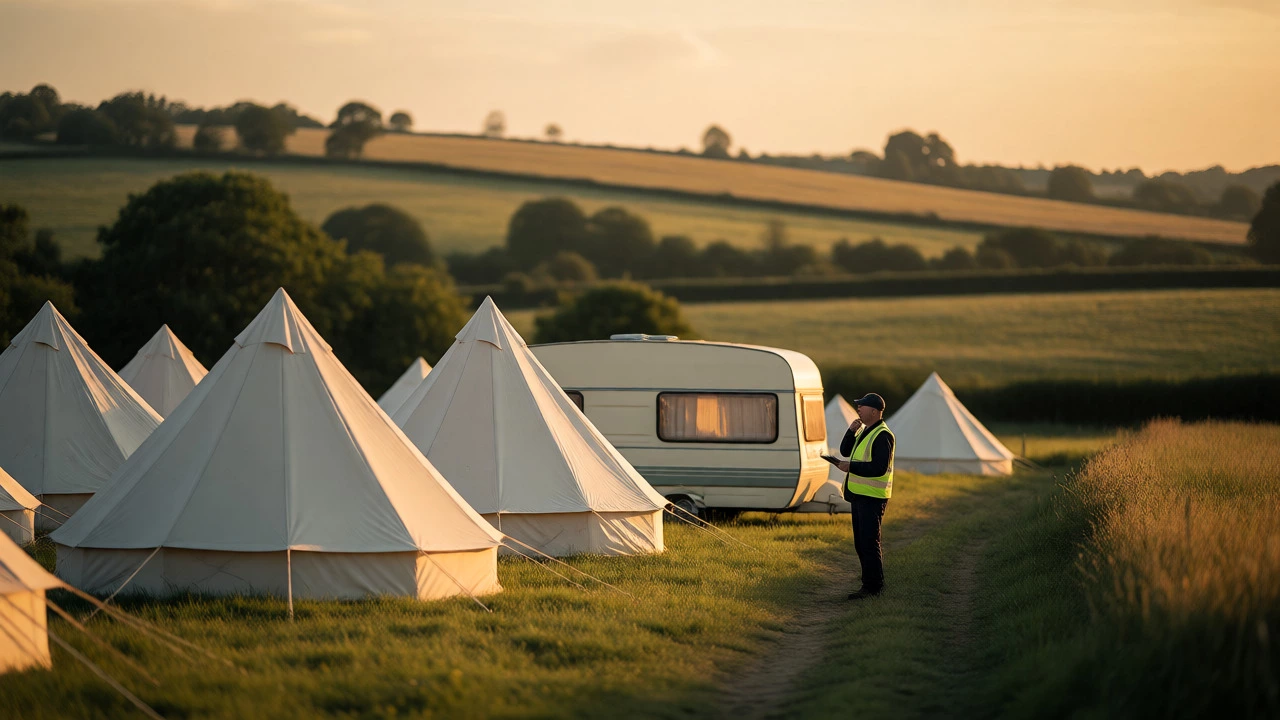
What is the 305 Day Rule for UK Campsites?
Discover the truth behind the '305-day rule' for UK campsites. Learn how permitted development rights allow temporary camping without planning permission.
Read MoreIf you’re planning a road‑trip in a motorhome, the first thing on your mind is probably where you can park safely and legally. The UK has thousands of campsites, from well‑kept holiday parks to hidden spots in the woods. Below you’ll find the basics that turn a vague idea of “somewhere to stay” into a solid plan you can trust.
Before you twist the keys, make sure you understand the rules. In England, Wales and Scotland you can’t just park on private land without permission – it’s considered trespass and you could get a fine. Public land is a different story: you’re allowed to wild‑camp on most uncultivated land in Scotland, but in England and Wales you need the landowner’s consent or you must stick to designated sites.
Motorhome specific laws matter too. You must wear a seat‑belt while the vehicle is moving, and you can’t use the toilet or kitchen facilities while on the road unless the vehicle is stationary and safe. Child safety seats follow the same rules as cars, so check the age and size limits before you go.
What about electricity? Most UK campsites use a 13‑amp plug (the standard UK three‑pin). Bring an adapter if your motorhome uses a different plug type. Knowing which plug you need avoids the dreaded “no power” moment when you’re ready to charge devices or run the fridge.
Not all sites are motorhome friendly. Look for pitches that list “motorhome access”, have a suitable length (most sites cater to vehicles up to 7 m, but some can handle 10 m+). Check the on‑site facilities – electric hook‑up, fresh water, waste disposal and Wi‑Fi are common perks that make life on the road easier.
If you love nature, forest campsites give a quiet vibe but may have stricter fire rules and limited utilities. For a touch of luxury, try glamping spots that offer wooden cabins or pod‑style units right next to your motorhome. And remember the “golden rule of camping”: always leave the site cleaner than you found it. It keeps the grounds beautiful and earns you good vibes from fellow campers.
Booking ahead can be a pain, especially during school holidays. Many popular sites are snapped up by bots — automated programs that book spots in seconds. To beat them, create an account on the campsite’s website, save your vehicle dimensions, and have your payment details ready. If you’re brave, try “last‑minute” camping: show up early in the morning and grab any open pitches that haven’t been claimed yet.
Finally, don’t forget to explore the local attractions. Nottinghamshire offers historic castles, scenic river walks and the famous Sherwood Forest. Pair each campsite with a nearby point of interest and you’ll get more mileage out of every night you’re parked.
With the right knowledge, finding a UK campsite becomes as enjoyable as the drive itself. Keep these tips in mind, pack the essentials, and hit the road – the countryside is waiting for you and your motorhome.
Discover the truth behind the '305-day rule' for UK campsites. Learn how permitted development rights allow temporary camping without planning permission.
Read More
Struggling with camping bathrooms? Discover practical solutions for UK campsites and wild camping, from portable toilets to Leave No Trace techniques.
Read More
Discover what items you should never keep in your tent to ensure safety and comfort. From fire hazards like fuel to pest-attracting food, learn essential camping tips for UK campsites.
Read More
Learn how camping works in the UK-from booking sites and wild camping rules to gear tips and common mistakes. A practical guide for first-timers and seasoned campers alike.
Read More
Ever seen '33/38 rule' on UK campsite booking pages and wondered what it means? This article breaks down the 33 38 rule, showing how it affects where you pitch up, connecting your electric hook-up, and why it even matters to campers. You'll get practical tips, real-life examples, and those little details that most guides skip. Avoid unexpected surprises at check-in or during your stay, and make sense of this low-key but important campsite guideline.
Read More
Wild camping in England can be an adventurous experience, but it's essential to know the legal aspects and potential consequences. Wild camping is generally prohibited on private land without permission. You could face fines if caught, though enforcement varies. There are places in England where wild camping is tolerated, but understanding the rules is key to a trouble-free experience. This article explores what you need to know before setting out to pitch your tent in the English countryside.
Read More
The 36 Rule in UK campsites is all about ensuring everyone has a fair chance to enjoy the great outdoors without overcrowding. It involves campsites rotating their availability, meaning a particular site can only be booked every 36 hours. This rule not only helps to manage campsite capacity but also allows for proper maintenance and environmental conservation. Understanding this rule can enhance your camping experience by allowing you to plan better and enjoy less crowded scenery.
Read More
Wild camping in England is often illegal due to laws protecting private land and ensuring conservation. England's countryside is a patchwork of privately-owned lands, and without landowner permission, camping under the stars can lead to legal trouble. The article explores the historical, legal, and environmental factors influencing these restrictions, while offering insights into where campers might find legal alternatives. Tips for responsible camping and understanding local regulations are included.
Read More
The 28-day rule in the UK is an allowance for landowners to run temporary campsites without planning permission, provided they do not exceed 28 days in a calendar year. This rule offers flexibility for spontaneous camping adventures and can lead to unique camping experiences. Understanding the details of this regulation helps campers find attractive and often less crowded spots for their outdoor escapes. This guide explores what the 28-day rule entails, how it affects campers, and tips for making the most of temporary campsites in the UK.
Read More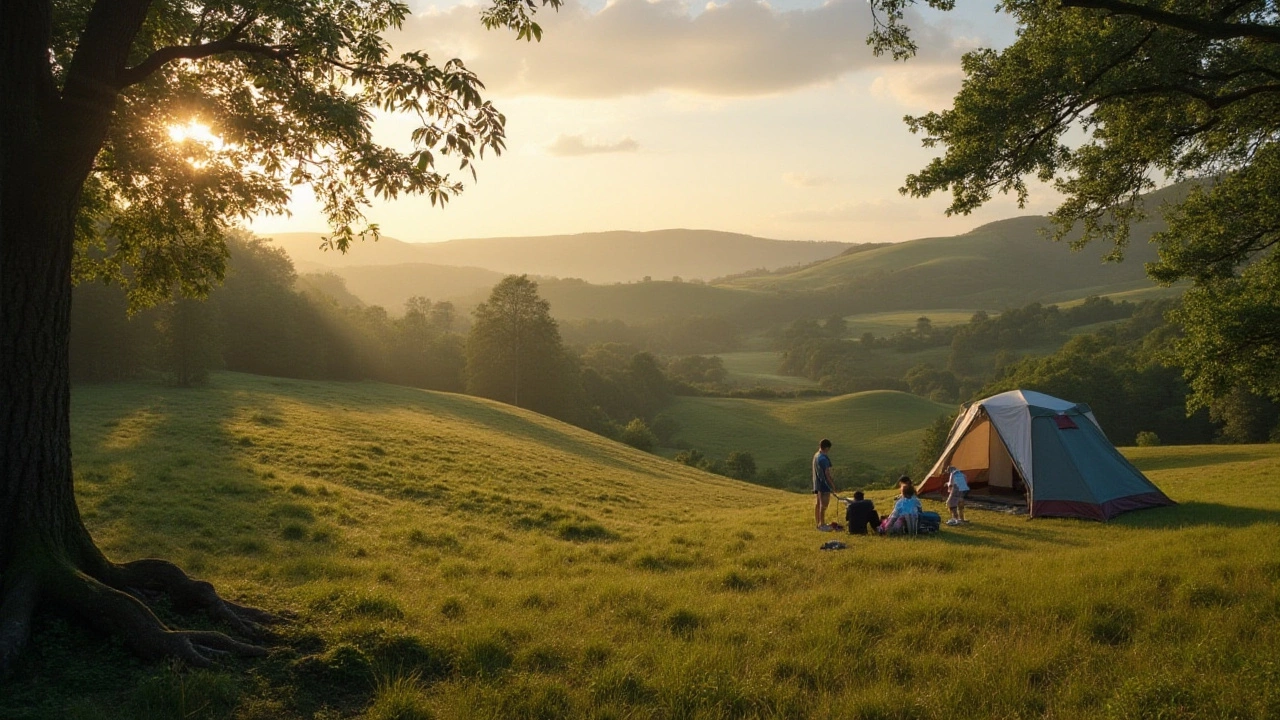
In England, wild camping is largely illegal due to land ownership laws and the need to protect natural habitats. However, certain areas allow this activity with permission. This article explores why these laws exist, the alternatives available for camping enthusiasts, and offers practical tips for those wishing to camp legally. Understanding these regulations not only helps preserve the environment but also ensures an enjoyable camping experience.
Read More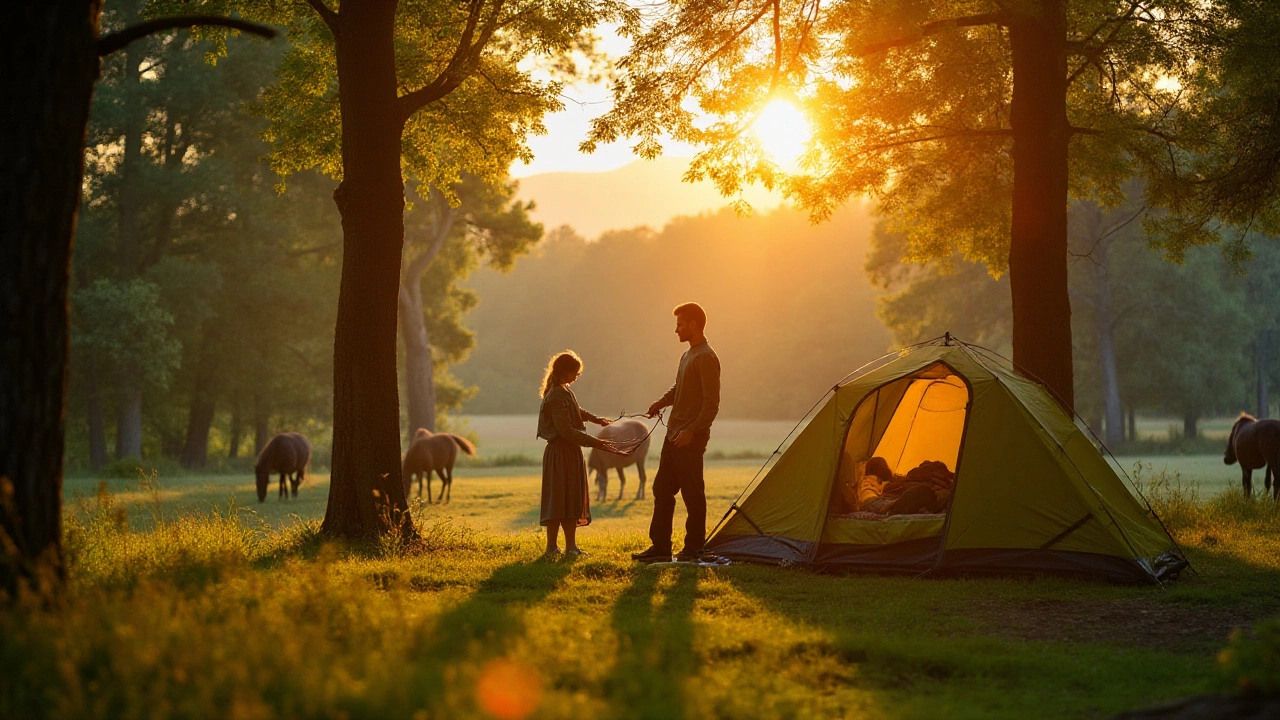
Camping in the UK's woodlands can be a thrilling experience if you know the rules and regulations. As wild camping is generally illegal in many parts, there are exceptions and ways to enjoy this activity legally. Learn about where you can camp, the legal considerations, and the spots that offer a chance to connect with nature. Arm yourself with tips and essential information for a safe and enjoyable camping experience.
Read More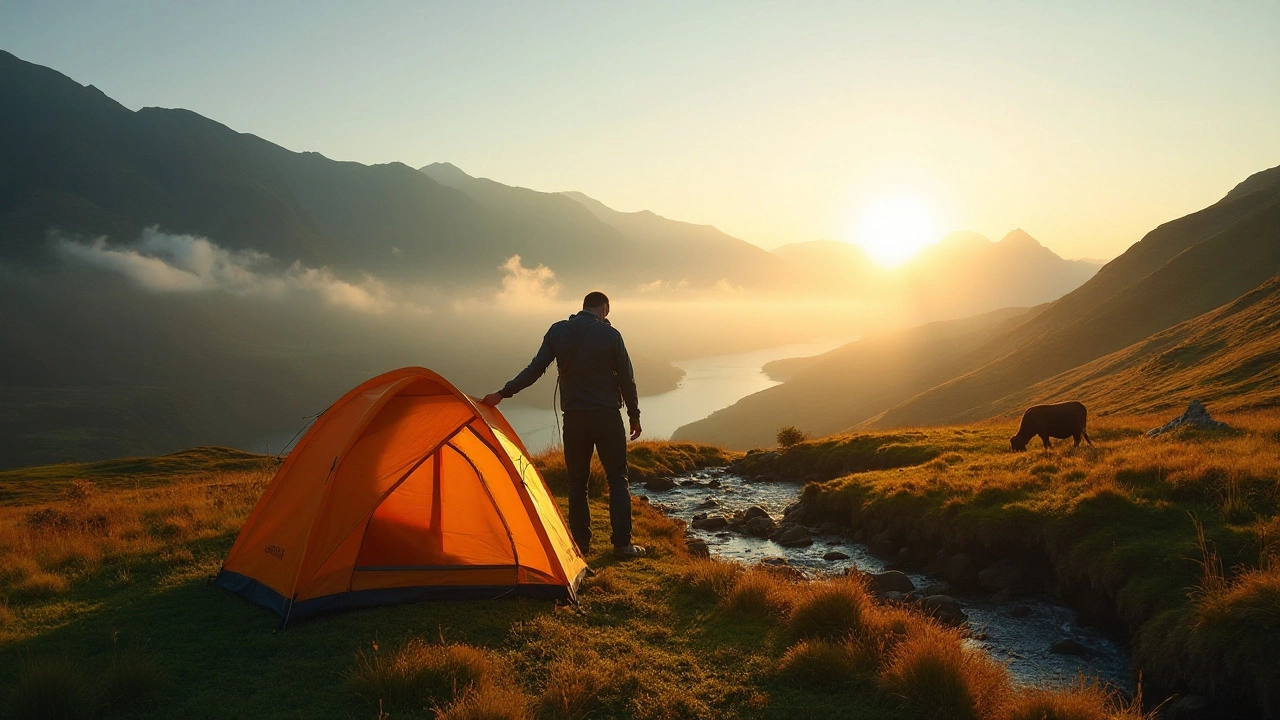
Embarking on a camping adventure in the UK is a delightful experience, but understanding where you can legally pitch a tent is essential. The rules for camping vary significantly across different regions, with Scotland presenting more flexibility compared to England, Wales, and Northern Ireland. This article dives into the nuances of wild camping laws, highlights the importance of respecting private land and offers tips on making the most of designated campsites. Knowing your camping rights ensures a hassle-free and enjoyable outdoor experience.
Read More