UK Camping Bathroom Solution Finder
Struggling with where to go when nature calls? Answer three simple questions to get a tailored recommendation for your UK camping trip, including gear suggestions and essential etiquette tips.
Recommendation
Cost: £0You’ve just eaten a hearty breakfast of beans and toast at your campsite in the Lake District. The sun is shining, the birds are singing, and then it hits you: nature calls. Hard. You look around at the tent pegs, the sleeping bags, and the vast expanse of grass, and panic sets in. There is no door to close. No tile floor. No running water within arm’s reach. This is the single biggest barrier stopping many people from trying wild camping or even staying at basic pitches.
But here’s the secret nobody tells you before you book: there isn’t just one answer. Depending on where you are in the UK, who you’re with, and how much gear you want to carry, you have options ranging from a simple trowel to high-tech composting toilets. Let’s break down exactly what you do when you need to go, so you can stop worrying about the plumbing and start enjoying the view.
The Basic Pitch: Facilities vs. Wild Spots
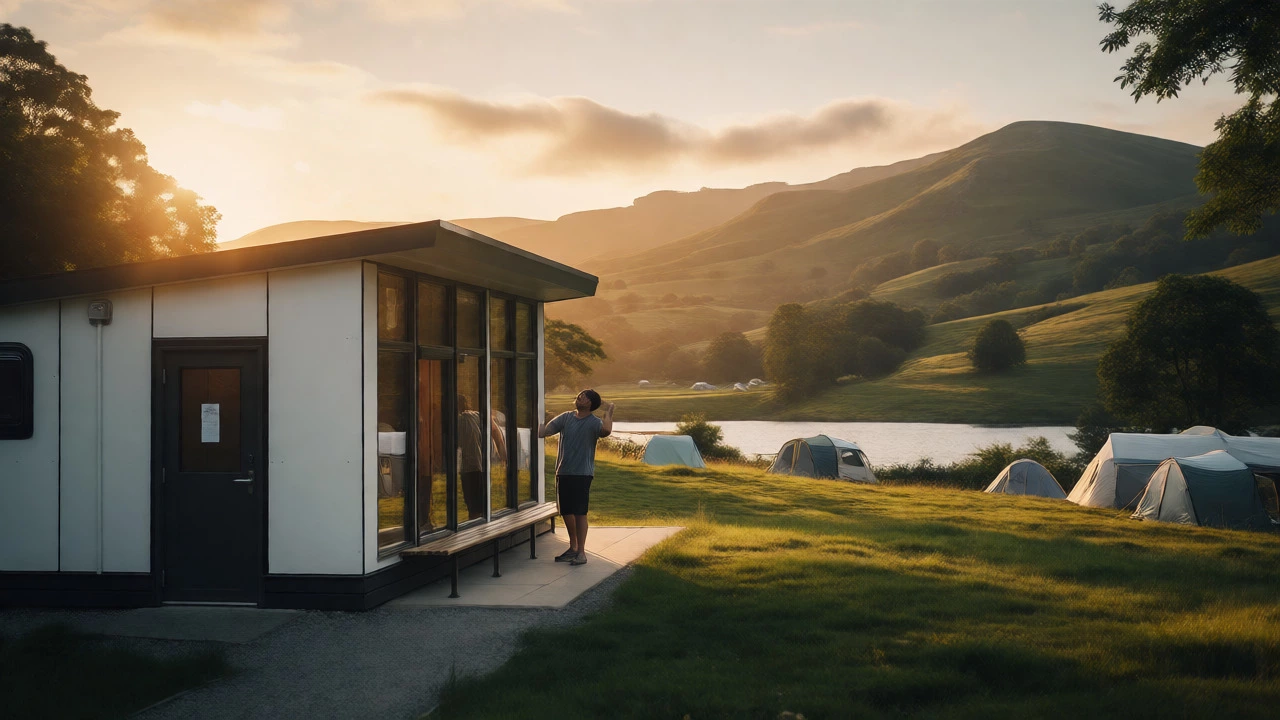
If you are staying at a standard commercial campsite, you usually don’t need to worry too much. Most licensed sites in the UK provide sanitary blocks or washhouses. These are communal buildings with flush toilets, showers, and sinks. Think of them as the public restrooms of the outdoor world, but hopefully cleaner.
However, not all pitches are created equal. Some premium pitches come with their own private sanitary annexes attached directly to your tent or caravan. This is a game-changer for families with young children or anyone who hates queuing in the rain. If you book a "basic pitch," you are relying on the shared block. Check the site’s rating online-look for comments about cleanliness. A five-star review often hinges on whether the staff cleaned the toilets that morning.
Then there is the gray area: semi-wild spots or farm stays. Here, you might find a simple pit loo-a hole in the ground with a wooden seat-or nothing at all. Always ask the host beforehand. It saves awkwardness later.
Wild Camping Rules: The Leave No Trace Ethic
This is where things get interesting, and slightly controversial. In Scotland, the Land Reform (Scotland) Act 2003 gives you the right to roam almost anywhere. In England and Wales, wild camping is more restricted, mostly limited to Dartmoor, parts of the Lake District, and specific agreements with landowners. But regardless of the law, the etiquette is universal.
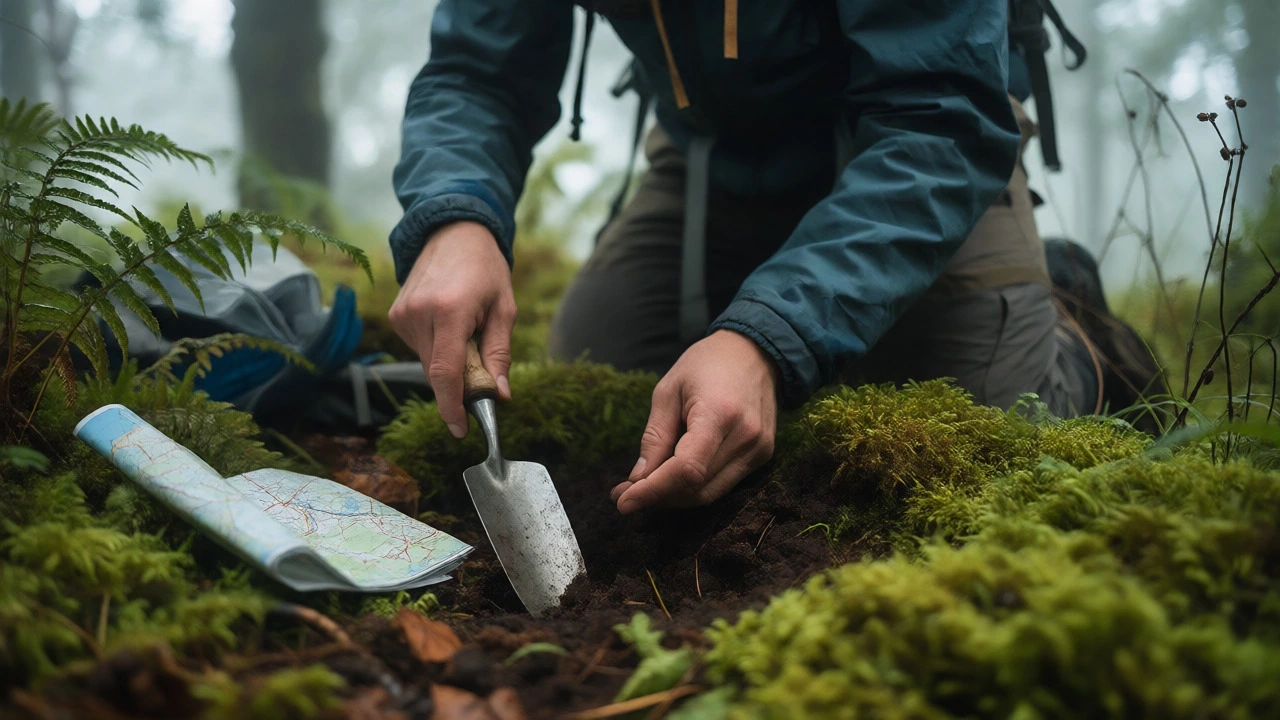
When you are truly off-grid, you become your own plumber. The golden rule is leave no trace. You cannot just dig a hole anywhere. You need to choose your spot carefully. Look for an area at least 60 meters (about 70 steps) away from any water source-streams, rivers, or lakes. Why? Because bacteria from human waste can contaminate drinking water downstream. Even if you think the stream looks pristine, livestock or other campers might use it further up.
For solid waste, you must pack it out or bury it deeply. Dig a cathole 15-20 cm deep using a trowel. Afterward, cover it with soil and replace the turf. For liquid waste, pee on rocks, gravel, or pine needles rather than plants. Urine contains nitrogen, which can burn vegetation and attract curious animals looking for salt. And yes, this applies to everyone, regardless of gender. Peeing behind a bush is fine; peeing into a flowing river is not.
Gear Up: Portable Toilet Options
If digging holes feels too primitive, or if you’re camping with kids who aren’t thrilled about squatting in the mud, you need gear. There are three main tiers of portable solutions, each with its own pros and cons.
| Type | Best For | Cost Estimate (GBP) | Maintenance Effort |
|---|---|---|---|
| Chemical Cassette | Caravanners, Motorhomes, Car Camping | £80 - £150 | Moderate (Emptying required) |
| Portable Potty (Bucket) | Families, Short Trips, Kids | £20 - £40 | Low (Use bags, throw away) |
| Composting Toilet | Long-term Wild Camping, Eco-conscious | £150 - £300+ | High (Additives, drying time) |
| Trowel & Bag | Backpackers, Minimalists | < £10 | Low (Pack out waste) |
Chemical cassette toilets are the gold standard for motorhome users. They connect to the vehicle’s plumbing, use blue fluid to break down waste, and empty into designated dump points at campsites. They smell okay if maintained properly. If you forget to add fluid, they smell like a sewage truck. Don’t be that person.
Portable potties are essentially plastic buckets with seats and disposable liners. Brands like Porta Potti make these. You put a bag in, do your business, add some absorbent gel or powder to control odor, and tie it up. When you leave, you bin the bag. Simple, cheap, and effective for emergencies or night-time trips with toddlers.
Composting toilets are gaining traction among serious wild campers. Systems like C-Head separate urine and solids. Urine goes out the front, solids fall into a chamber below where you add sawdust or coco coir. The solids dry out and turn into compost over time. It’s heavy, expensive, and requires diligence, but it eliminates the smell entirely and reduces weight since you don’t carry water for flushing.
The Human Factor: Privacy and Comfort
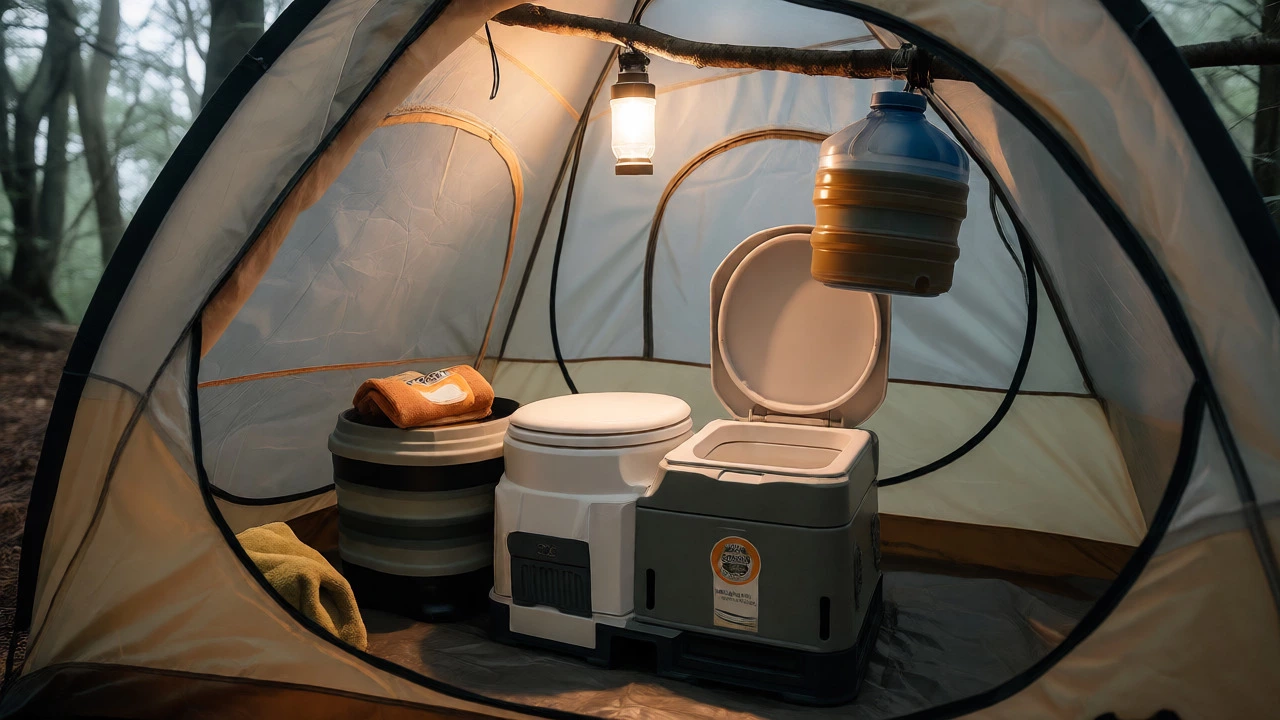
Let’s talk about the elephant in the room: privacy. Unless you are alone in the Scottish Highlands, someone will see you. That’s why most seasoned campers bring a pop-up shower tent. Yes, you can buy small, lightweight tents specifically designed for changing and toileting. They cost between £20 and £50, weigh less than 2kg, and pop up in seconds.
Inside this little structure, you can place your portable toilet. Suddenly, you have walls, a roof, and dignity. It also protects you from wind and rain. If you’re car camping, you can improvise by hanging a towel over the open back doors of your SUV or van. Just make sure the ground is flat enough to stand comfortably without tipping over.
Comfort matters too. Squatting on uneven ground for ten minutes gets old fast. Some portable toilets come with padded seats. Others are hard plastic. If you plan to spend a lot of time in yours (maybe due to illness or just long evenings), invest in a cushion. Also, keep toilet paper handy. Biodegradable wipes are great, but remember: if you use non-biodegradable wipes, you must pack them out. Never bury them; they take decades to decompose.
Hygiene Hacks for the Trail
Washing hands after using the bathroom is non-negotiable, especially when handling food. Without running water, you need a system. A collapsible water jug with a tap works wonders. Fill it up at your base camp, hang it on a tree branch near your toilet spot, and wash with soap and water. Dry with a quick-dry microfiber towel.
Hand sanitizer is your backup friend, but it doesn’t remove dirt-it only kills germs. If your hands are visibly dirty, wash them first. For women, menstrual products require special attention. Use a dedicated sealable pouch for used tampons or pads. Scented bags help mask odors in hot weather. In cold weather, freezing helps preserve hygiene until you can dispose of them properly.
Beware of bugs. Flies love human waste. If you’re camping in summer, keep your portable toilet lid closed tight. Consider adding a few drops of essential oil like tea tree or eucalyptus to the waste tank or liner to deter insects naturally.
What to Avoid: Common Mistakes
First, never pour chemical toilet waste onto the ground. Blue fluid is toxic to plants and soil microbes. Only dump it in designated chemical toilet disposal points found at campsites or service stations. Second, don’t assume every bush is safe. Nettle patches, brambles, and poison ivy (rare in UK but possible) can ruin your day. Inspect your chosen spot during daylight hours.
Third, don’t ignore local signs. In some sensitive ecological areas, even burying waste is prohibited because the soil is too thin or rocky. Follow posted guidelines strictly. Finally, don’t skimp on toilet paper quality. Cheap, rough paper hurts. Bring soft, biodegradable rolls. Your backside will thank you after three days of camping.
Is it legal to pee in the woods in the UK?
Yes, generally speaking, urinating in the woods is acceptable under wild camping rights, provided you are far from water sources (60m+), trails, and other people. However, always check specific local bylaws, especially in national parks or protected areas, as rules can vary by region and season.
How do I deal with toilet paper when wild camping?
The best practice is to pack it out. Use a ziplock bag or a dedicated wet bag to store used paper. Burning toilet paper is risky in fire-prone areas and often illegal. Burying it is only recommended if you are certain the soil conditions allow for rapid decomposition, but packing it out is safer for the environment.
Can I use a normal bucket as a camping toilet?
Absolutely. Many experienced campers use a sturdy plastic bucket with a fitted toilet seat adapter. Line it with a heavy-duty trash bag and add absorbent material like cat litter, sawdust, or commercial gelling agents. It’s cheap, durable, and easy to clean or discard.
Where do I empty my chemical toilet?
You must empty chemical toilet cassettes at designated dump points, typically found at campsites, motorhome service areas, or some petrol stations. Never dump it into regular drains, rivers, or the sea, as the chemicals harm aquatic life and disrupt septic systems.
Do I really need a pop-up toilet tent?
It’s not mandatory, but highly recommended for comfort and privacy. It provides shelter from wind and rain and creates a psychological boundary that makes using the toilet feel less exposed. For families or groups, it prevents accidental walk-ins and keeps the process dignified.