Tent Packing Safety Checker
What is in your tent?
Check the items currently stored inside your sleeping area.Safety Analysis
Select items above to analyze your tent's safety risks.
Recommendations:
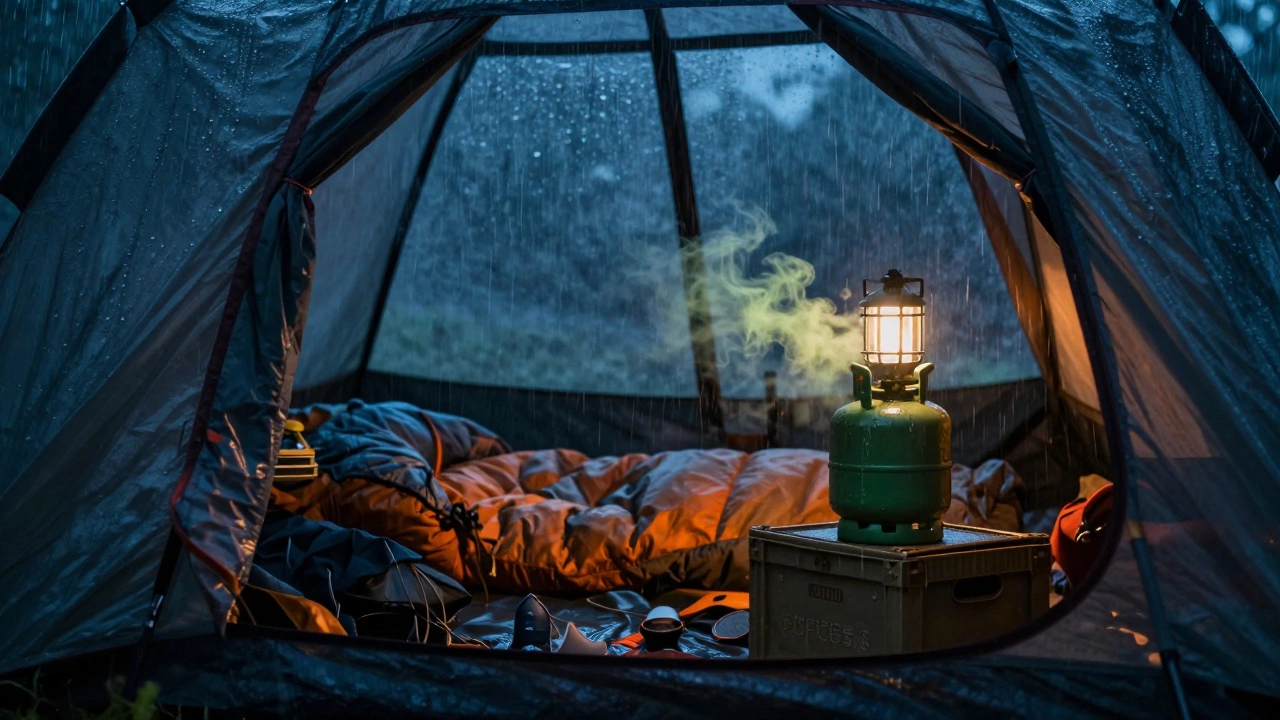
Picture this: it’s 2 AM. You’re tucked into your sleeping bag at a quiet campsitea designated area for temporary accommodation outdoors in the Lake District. The rain is hammering down on your canvas, and you reach for your phone to check the weather forecast. It won’t turn on. Or worse, you smell something acrid-smoke? No, just the faint, dangerous scent of leaking propane from the canister you foolishly left inside your tenta portable shelter used for camping. These aren't just hypothetical nightmares; they are common mistakes that ruin trips or, in rare cases, endanger lives.
We’ve all been there. You pack frantically, throw everything into your rucksack or car boot, and set up camp without thinking twice about where things go once you’re settled. But a tent isn’t a room. It’s a confined, often humid space with limited ventilation. What you store inside matters more than you might think. Keeping the wrong items in your tent can attract pests, cause fires, damage your expensive gear, or even poison you with carbon monoxide.
The Fire Hazard: Why Fuel Belongs Outside
The most critical rule of camping safety involves heat and fuel. Never, under any circumstances, store liquid fuel, gas canisters, or operate heating devices inside your tent. This includes Coleman fuela type of white gas used for camping stoves, butane cartridges, and even solid fuel tablets if they are unlit but stored improperly near heat sources.
Why is this so dangerous? Tents are designed to be lightweight and breathable, not fireproof. Most modern tents use synthetic fabrics like polyester or nylon, which melt at relatively low temperatures. If a stove tips over or a spark ignites nearby, the fabric doesn’t just burn; it melts onto your skin, causing severe burns. Furthermore, combustion consumes oxygen and produces carbon monoxide-a colorless, odorless gas that can kill you while you sleep. Even small camping lanternsportable lighting devices for outdoor use that run on fuel should be kept outside or in a well-ventilated vestibule, never inside the sleeping compartment.
- Liquid fuel: Store in a ventilated container outside the tent.
- Gas canisters: Keep in your vehicle or a dedicated storage box away from direct sunlight and heat.
- Candles: An open flame in a tent is a recipe for disaster. Use battery-powered LED lights instead.
Food and Scented Items: Inviting Unwanted Guests
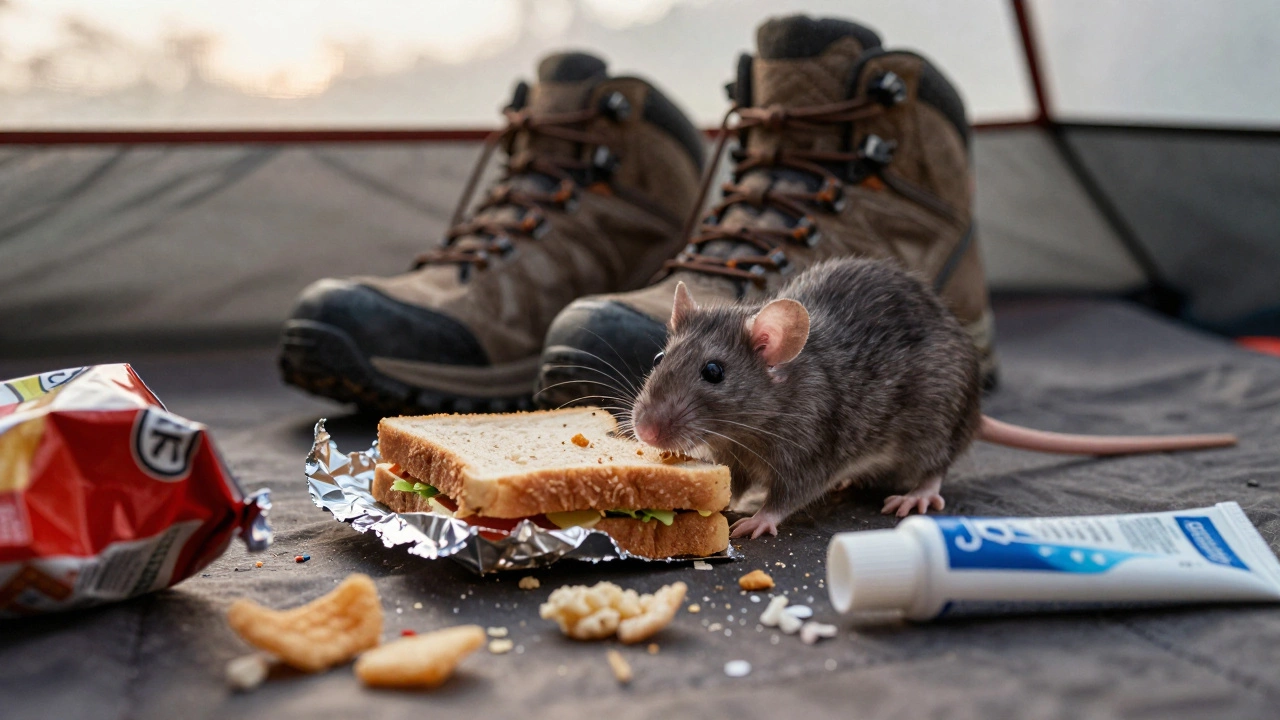
If you’re camping in the UK, you might think bears aren’t a concern, and you’d be right. However, you still have other visitors to worry about. Rats, mice, foxes, and even determined badgers are adept at finding food. Storing snacks, meals, or even toothpaste (which smells minty and appealing to some animals) inside your tent is an invitation for these creatures to tear through your gear to get to them.
Imagine waking up to find your sandwich wrapped in foil shredded across your sleeping mat. Worse yet, imagine a mouse nesting in your boot or a rat chewing through your tent wall. The damage isn’t just to your food; it’s to your peace of mind and your equipment. In wild camping scenarios, especially in areas like the Scottish Highlands, keeping your tent free of scented items is crucial for both hygiene and safety.
To avoid this, practice "bear-safe" habits even in bear-free zones. Store all food, trash, and scented toiletries in your car, a hard-sided cooler, or a designated food storage locker provided by the campsite. If you’re wild camping and don’t have a car, hang your food bag from a tree branch at least 10 feet high and 4 feet away from the trunk, or use a rodent-proof container.
Moisture Magnets: Wet Gear and Electronics
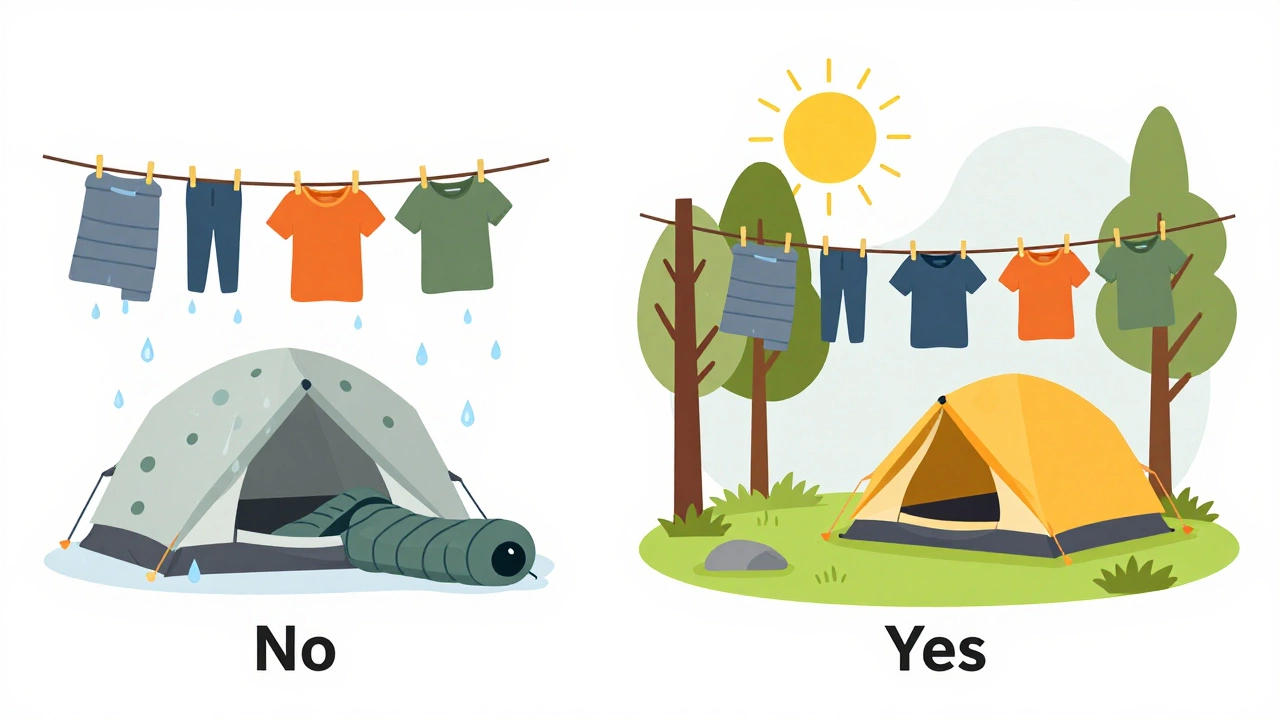
UK weather is unpredictable. One minute it’s sunny, the next it’s pouring. When you come back to camp soaked, the temptation is to throw your wet clothes, boots, and towel directly into the tent to dry out overnight. This is a mistake. A tent is not a dryer. Introducing large amounts of moisture into a confined space increases humidity levels significantly.
High humidity leads to condensation on the inner walls of your tent, making the interior damp and cold. More importantly, it creates the perfect environment for mold and mildew to grow on your sleeping bag, mattress, and tent fabric. Mold spores can trigger allergies and respiratory issues, turning a relaxing trip into a health hazard. Plus, nothing feels worse than unzipping your sleeping bag in the morning to find it damp and musty.
Instead, shake off excess water before entering the tent. Hang wet clothes in the vestibule (the covered entrance area) if possible, or use a line strung between trees outside. Keep your sleeping area strictly dry. For electronics, ensure they are completely dry before placing them in your tent. Moisture can short-circuit batteries and damage sensitive components. If your phone gets wet, leave it in a sealed plastic bag in your car until it’s thoroughly dry.
Sharp Objects and Clutter: Protecting Your Shelter
Your tent is one of your most valuable pieces of camping gear. High-quality tents can cost hundreds of pounds, and replacing them is no small feat. Yet, many campers treat their tent floor like a catch-all drawer. Keys, knives, multi-tools, and even jewelry with sharp edges can easily puncture the waterproof coating or the fabric itself if dropped or shifted during the night.
Think about how many times you’ve fumbled for your keys in the dark. Now imagine doing that with a tent floor made of thin ripstop nylon. A single puncture can compromise the waterproof integrity of your entire shelter. Over time, multiple small holes can add up to significant leaks. Additionally, clutter makes it harder to move around safely in the dark, increasing the risk of tripping and knocking over lanterns or other hazards.
Keep sharp objects in sheaths or pockets when not in use. Store tools in your pack or a dedicated gear bin outside the sleeping area. Before bed, do a quick sweep of your tent floor to remove any potential puncture risks. This simple habit will extend the life of your tent and keep your nights safer.
Alcohol and Glass Bottles: A Slippery Situation
Camping is often associated with relaxation, and for many, that includes a drink or two. While having a beer or wine in the evening is generally fine, storing glass bottles inside your tent is risky. Glass breaks easily, and shards of broken glass in a tent are nearly impossible to clean up thoroughly. Tiny fragments can remain hidden in seams or zippers, posing a cutting hazard later.
Furthermore, excessive alcohol consumption can impair judgment and lower your body temperature, which is dangerous in cool or wet conditions. Dehydration is also a risk, as alcohol acts as a diuretic. If you choose to bring alcohol, opt for cans or plastic containers that are less likely to shatter. Always dispose of empty containers properly in designated bins, not in the tent or surrounding area.
Summary Table: What to Keep Out of Your Tent
| Item Category | Risk Level | Recommended Storage Location |
|---|---|---|
| Fuel & Gas Canisters | High (Fire/Explosion) | Ventilated container outside or in vehicle |
| Food & Snacks | Medium (Pests) | Car, cooler, or hung in tree |
| Wet Clothing/Gear | Low (Mold/Dampness) | Vestibule or external drying line |
| Sharp Tools/Knives | Medium (Damage/Trip Hazard) | In sheath, pack, or gear bin |
| Glass Bottles | Low (Breakage/Cuts) | Use cans/plastic; store outside if possible |
| Scented Toiletries | Low (Pests) | Sealed bag in car or vestibule |
Frequently Asked Questions
Can I charge my phone inside my tent?
Yes, you can charge your phone inside your tent using a power bank or a solar charger. However, ensure the charging cable and device are dry to prevent short circuits. Avoid running long extension cords from outside into your tent, as this can create tripping hazards and potential electrical risks if damaged.
Is it safe to cook inside a tent?
No, it is never safe to cook inside a tent. Cooking generates heat, flames, and carbon monoxide, all of which pose serious fire and poisoning risks in an enclosed space. Always cook in a well-ventilated area outside your tent, preferably under a canopy or in a designated kitchen area at the campsite.
What should I do if a spider gets in my tent?
Most spiders found in UK campsites are harmless. If you see one, gently guide it out with a piece of paper or cup. Avoid killing it unless necessary, as spiders help control insect populations. To minimize encounters, shake out your shoes and clothing before putting them on, and keep your tent zipped closed when not entering or exiting.
How can I keep my tent dry in rainy weather?
To keep your tent dry, ensure the rainfly is properly secured and vented to reduce condensation. Avoid touching the inner walls, as this can transfer moisture. Place a groundsheet underneath your tent to protect against ground dampness. If you enter wet, wipe yourself down with a towel before getting into your sleeping bag.
Can I bring pets into my tent?
It depends on the pet and the tent size. Small dogs or cats may fit comfortably, but larger animals can take up too much space and introduce dirt, fur, and odors. Ensure your pet is house-trained and calm. Always check campsite rules regarding pets, as some sites have restrictions or require pets to be kenneled outside.