UK Campsite Compliance Calculator
This tool helps you determine if your commercial camping activity falls within the typical 28-day Permitted Development Rights limit in England. Note that rules may vary slightly by local authority and specific site conditions.
Compliance Assessment
Quick Reference: Myth vs Reality
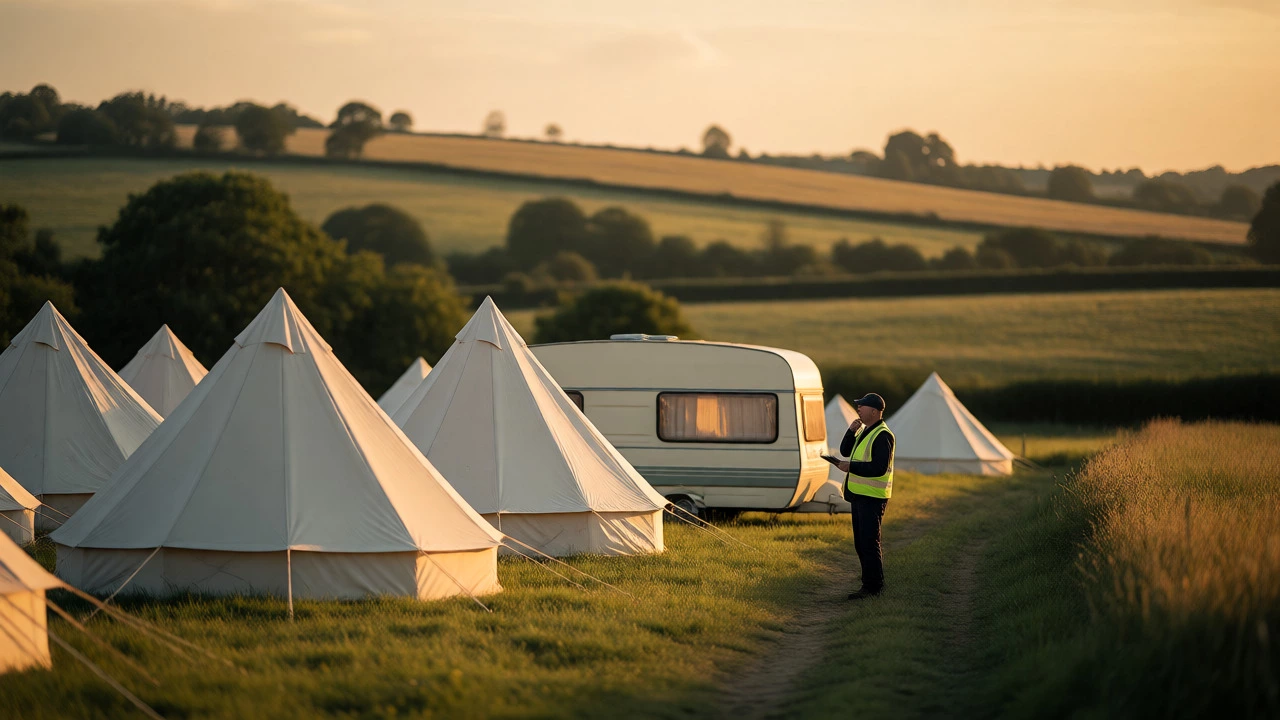
You’ve found the perfect spot. Maybe it’s a quiet corner of your own field, or perhaps you’re negotiating with a farmer to let you pitch a tent in exchange for some help with the harvest. It feels like a win-win. But then, a local council officer shows up, clipboard in hand, asking why there are structures on land that hasn’t been granted planning permission. You might hear them mention something called the "305-day rule." If you’ve never heard of it before, don’t panic. It’s not a law written in stone, but rather a practical guideline that has saved many small-scale campers and glamping hosts from expensive legal battles.
So, what exactly is this mysterious number? And does it actually apply to you?
The Core Concept: Temporary Use Rights
Let’s strip away the jargon. In the UK, land use is strictly controlled by town and country planning laws. Generally speaking, if you want to use land for commercial purposes-like running a business-you need explicit permission from the local planning authority. However, the system recognizes that not every activity needs a full-blown planning application. This is where Temporary Use Rights come into play. These rights allow certain activities to happen without prior approval, provided they meet specific conditions.
The 305-day rule isn't a standalone statute. Instead, it stems from Town and Country Planning (General Permitted Development) Order 2015, specifically regarding changes of use. The logic is simple: if an activity is truly temporary and reversible, the impact on the land is minimal enough that the state doesn’t need to micromanage it. For camping, this usually falls under "Class B" permitted development, which allows for the placement of caravans or tents for recreational purposes.
But here’s the catch: these rights are limited. You can’t just set up shop indefinitely. The general consensus among planners and lawyers is that you can operate for up to 28 days per year without needing formal consent. So where does 305 come in? That number represents the remaining days in the year (365 minus 28, roughly, though leap years complicate the math slightly). The idea is that if you stay within the 28-day window, you’re safe. If you exceed it, you technically lose your automatic right to operate, and you enter a grey area where enforcement becomes likely.
Why 305 Days Matters More Than You Think
When people ask about the 305-day rule, they are often trying to figure out how long they can legally keep their site open. They assume that if they close for 305 days, they are compliant. This is a common misconception. The rule isn’t about closing; it’s about the limit of your Permitted Development Rights.
Think of it this way: You have a budget of 28 days of "free" commercial camping activity. Once you spend those 28 days, you have used up your allowance. The other 305+ days are when you must either stop operating commercially or have obtained proper Planning Permission to continue. If you run a site for six months straight without permission, you aren’t protected by the 28-day rule, regardless of whether you closed for the rest of the year.
This distinction is crucial for anyone running a Glamping Site or a small Campsite. Many hosts start small, thinking they can fly under the radar. They host friends, then friends of friends, and suddenly they are taking money every weekend from May to September. That’s easily more than 28 days. At that point, the "rule" shifts from a helpful guideline to a potential liability.
What Counts as "Commercial" Activity?
Not all camping is commercial. If you invite friends over and they buy you a beer, that’s social camping. It rarely triggers planning issues. But the moment you charge a fee, the landscape changes. The Local Planning Authority (LPA) looks at three main factors to decide if your activity requires permission:
- Frequency: How often do you host guests? Is it occasional or regular?
- Scale: Are you hosting one tent or twenty yurts? Larger operations have a bigger impact on infrastructure, traffic, and noise.
- Infrastructure: Have you built permanent structures? A wooden deck, a fixed shower block, or electricity hookups suggest a long-term commitment to commercial use, which weakens the argument for "temporary" status.
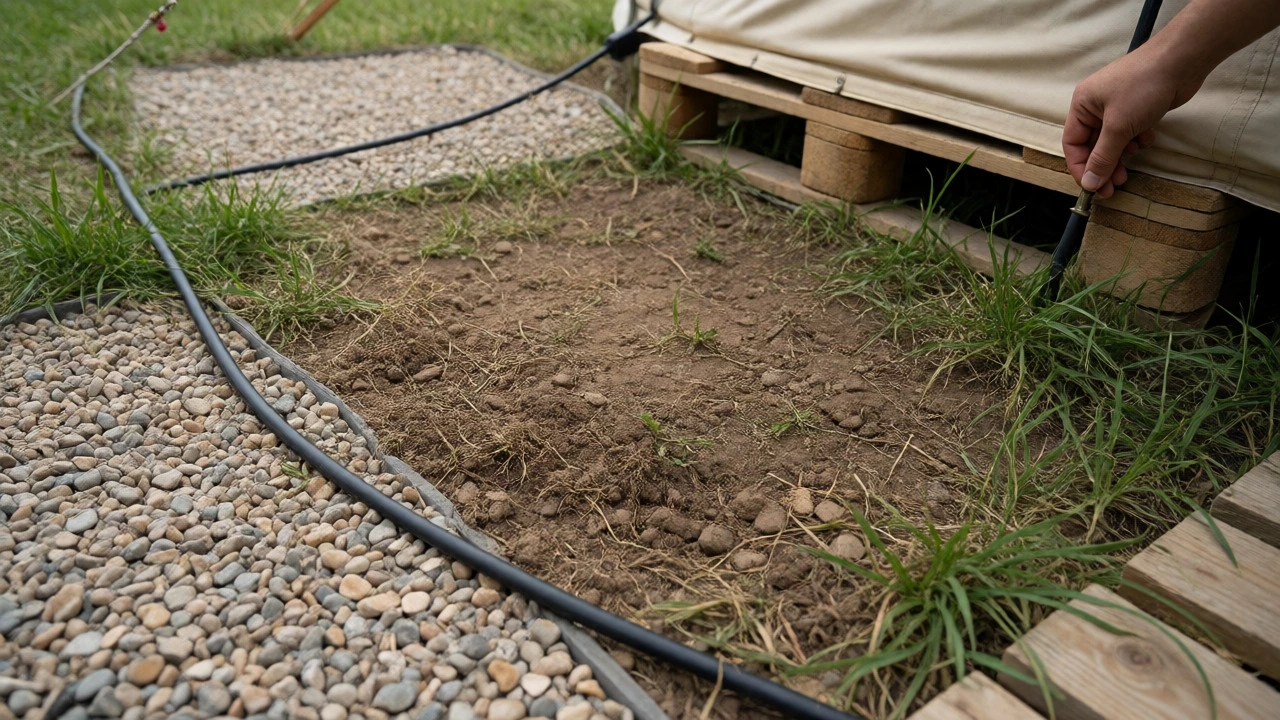
If you are relying on the 28-day rule (and thus the implicit 305-day closure), you must ensure your setup remains temporary. No concrete foundations. No paved paths. Your units should be movable. If you build a brick reception hut, you’ve likely stepped outside the realm of permitted development, no matter how few days you operate.

The Risk of Enforcement Action
What happens if you ignore the limits? The LPA can issue an Enforcement Notice. This is a legal order requiring you to cease the unauthorized use of the land. It sounds scary because it is. If you fail to comply, you could face fines. In severe cases, repeated non-compliance can lead to prosecution.
However, enforcement is discretionary. Councils don’t wake up every morning looking to shut down small campsites. They prioritize complaints. If your neighbors love your site and pay their bills, you’re less likely to be targeted. But if someone complains about noise, traffic, or visual blight, the council will investigate. During this investigation, they will look at your logs. Do you have records showing you only operated for 28 days? Or do your bank statements show income every month?
Transparency is your best defense. Keep detailed records of every guest, every payment, and every night stayed. If you can prove you stayed within the permitted development limits, you have a strong case. If you can’t, you’re at the mercy of the planner’s discretion.
Beyond the Rule: The Caravan Sites Act
While the 305-day concept covers general planning permissions, another layer of regulation exists for sites with multiple caravans. The Caravan Sites and Control of Development Act 1960 defines a "caravan site" as any land used for the stationing of caravans for human habitation. If you have more than one caravan or tent unit used for holiday accommodation, you might need a license from the local council, separate from planning permission.
This license ensures safety standards, such as fire exits, sanitation, and electrical safety. Interestingly, some councils offer exemptions for sites with fewer than five pitches, but this varies wildly by region. Always check with your specific local authority. What works in Cornwall might not work in the Scottish Highlands.
Practical Steps to Stay Compliant
If you are starting a camping venture or expanding an existing one, don’t rely solely on hearsay about the 305-day rule. Take proactive steps to secure your position.
- Count Your Days: Track every single day you accept paying guests. If you hit 28 days, stop accepting bookings unless you have permission.
- Keep It Mobile: Avoid permanent groundworks. Use gravel mats instead of concrete. Choose yurts or bell tents that can be packed away quickly.
- Talk to Your Neighbors: Good relations prevent complaints. Let them know your plans and listen to their concerns.
- Consult a Planner: Before investing thousands in equipment, pay for a pre-application advice service from your local council. It costs a few hundred pounds but can save you thousands in legal fees later.
- Consider Full Permission: If you want to operate year-round or for longer seasons, applying for full planning permission might be worth the effort. It provides certainty and increases the value of your business.
Common Misconceptions About Camping Laws
| Myth | Reality |
|---|---|
| I can camp anywhere for free if I leave after 48 hours. | This applies mostly to wild camping in Scotland under the Land Reform (Scotland) Act 2003. In England and Wales, you generally need landowner permission. |
| The 305-day rule means I can operate for 305 days a year. | No. It implies you must cease commercial activity for the remainder of the year if you haven't got permission. The active limit is typically 28 days. |
| Small sites don't need licenses. | Many councils require a site license for safety reasons, even for small pitches, especially if you have multiple units. |
| If my neighbor doesn't complain, I'm safe. | Complaints trigger investigations, but lack of complaints doesn't grant legal immunity. The LPA can still act if they deem the use harmful. |
Final Thoughts on Navigating the Grey Areas
The world of UK camping regulations is messy. There is no single "305-day law" that solves all problems. Instead, it’s a shorthand for understanding the boundaries of permitted development. The key takeaway is simplicity: keep your footprint small, your operations short, and your paperwork tidy.
For most hobbyists and small-scale entrepreneurs, staying under the 28-day commercial threshold is the safest bet. It allows you to test the market, build a reputation, and enjoy the outdoors without drowning in bureaucracy. If your dream grows bigger-if you want to hire staff, install solar panels, or welcome guests in winter-then you’ll need to engage with the planning system properly. Don’t let the fear of red tape stop you, but don’t ignore it either. With careful planning, you can find a sweet spot that respects the law while delivering unforgettable experiences for your guests.
Is the 305-day rule a strict law?
No, it is not a specific statute. It is a colloquial term referring to the time remaining in the year after utilizing the 28-day permitted development rights for temporary uses like camping. The actual legal framework comes from the Town and Country Planning (General Permitted Development) Order 2015.
Can I charge money for camping without planning permission?
Yes, but only for a limited period. Under permitted development rights, you can typically use land for recreational camping for up to 28 days per calendar year without formal planning permission. Beyond that, you generally need express consent from the local planning authority.
Does the 305-day rule apply to glamping pods?
It depends on the structure. If the pods are considered "movable" and do not involve significant groundworks, they may fall under the same temporary use rights as tents. However, if they are attached to foundations or require utility connections, councils are more likely to view them as permanent buildings requiring full planning permission.
What happens if I exceed the 28-day limit?
If you exceed the limit without permission, you are operating without lawful use. The local council can issue an Enforcement Notice requiring you to stop the activity. Failure to comply can result in fines. It is advisable to seek retrospective planning permission if you wish to continue operating.
Do I need a license for a small campsite?
Possibly. While planning permission deals with land use, site licensing deals with safety and health standards. Rules vary by local council. Some exempt sites with fewer than five pitches, but others require a license for any commercial accommodation. Always check with your local authority.