Stealth Camping Readiness Score
How discreet are you? Answer five short questions about where and how you plan to camp. We'll score your stealth profile from 0 to 100 and flag anything that could get you noticed or moved on.
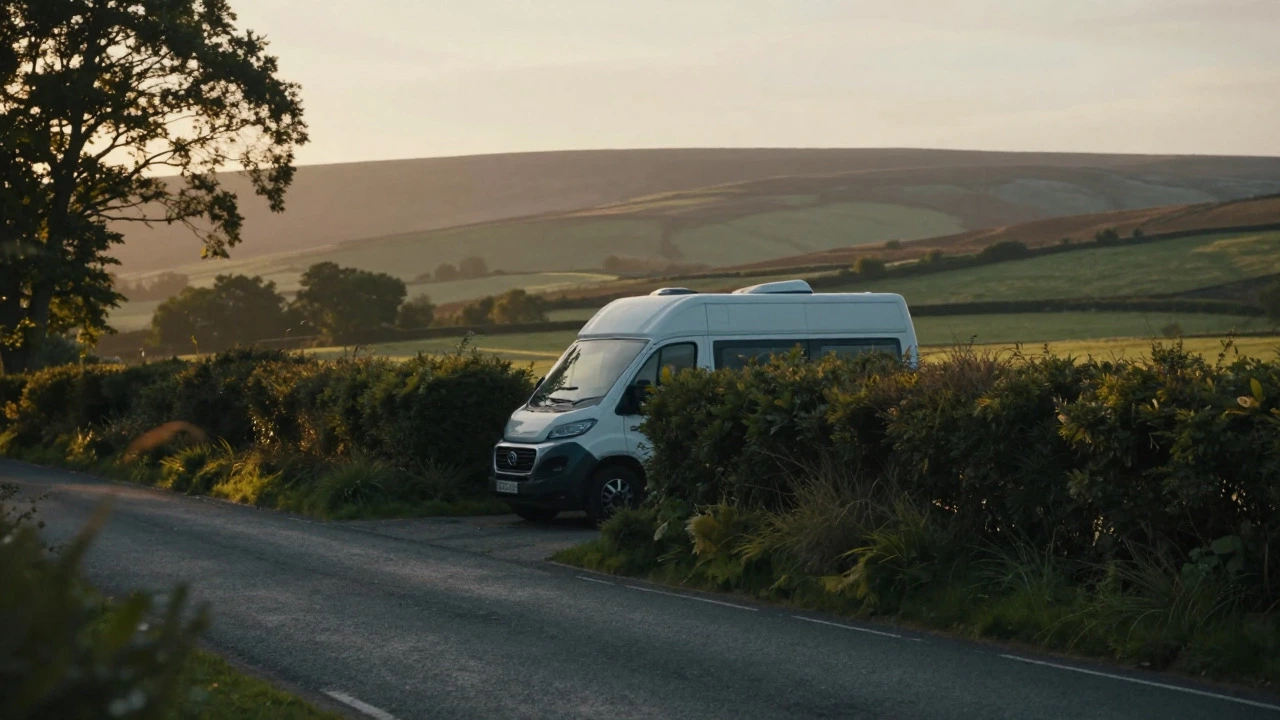
Imagine pulling your motorhome into a quiet layby at dusk, setting up camp, and waking up to the sound of birdsong without paying a single penny. That is stealth camping in a nutshell. It is a practice where travelers use their vehicles to sleep overnight in locations that are not designated campsites, aiming to remain undetected by locals and authorities. This method has gained massive popularity among van life enthusiasts and budget-conscious travelers across the UK. While it offers freedom and low costs, it requires a deep understanding of local rules, etiquette, and safety. In this guide, we break down exactly what stealth camping involves, how it differs from traditional wild camping, and how to do it right in 2026.
The Core Definition and Mechanics
Stealth camping is a travel strategy where individuals park their vehicle in a non-campsite location and sleep inside it, minimizing their footprint to avoid detection or complaint. Unlike wild camping, which often involves pitching a tent on open land, stealth camping relies heavily on the mobility and self-contained nature of motorhomes, campervans, or even cars with sleeping pods. The primary goal is discretion. You are not looking for permission; you are looking for privacy. This distinction is crucial because it changes how you interact with the environment. If you pitch a tent, you are visible. If you sit in a parked van behind a row of hedges, you are invisible. This invisibility is what allows stealth campers to utilize public spaces that might otherwise be off-limits to traditional campers.
Stealth Camping vs. Wild Camping: Key Differences
Many people confuse these two terms, but they operate under different social and legal frameworks. Understanding the difference helps you choose the right approach for your trip.
| Feature | Stealth Camping | Wild Camping |
|---|---|---|
| Primary Vehicle | Motorhome, Campervan, Car | Tent, Hammock |
| Visibility | Low (Hidden/Discreet) | High (Open Land) |
| Land Type | Public roads, laybys, service areas | Farmland, moors, forests |
| Duration | Usually 1-2 nights max | Can vary, often longer stays possible |
| Risk of Removal | Moderate (if detected) | Variable (depends on farmer/landowner) |
Where Can You Stealth Camp in the UK?
Location is everything in stealth camping. The best spots are those that offer seclusion but remain accessible. Here are the most common types of locations used by experienced travelers:
- Service Stations: Major fuel stations like BP or Esso often have large, flat parking areas. Many allow overnight stays if you buy fuel, though some have specific "no overnight" signs. Check local signage carefully.
- Scenic Laybys: These are pull-offs along rural roads designed for viewing landscapes. They are ideal if they are wide enough for a vehicle and far enough from residential houses.
- Parking Lots for Tourist Attractions: Some museums, castles, or nature centers have free parking. Sleeping here is risky if you leave after closing hours, but it can work if the area is remote.
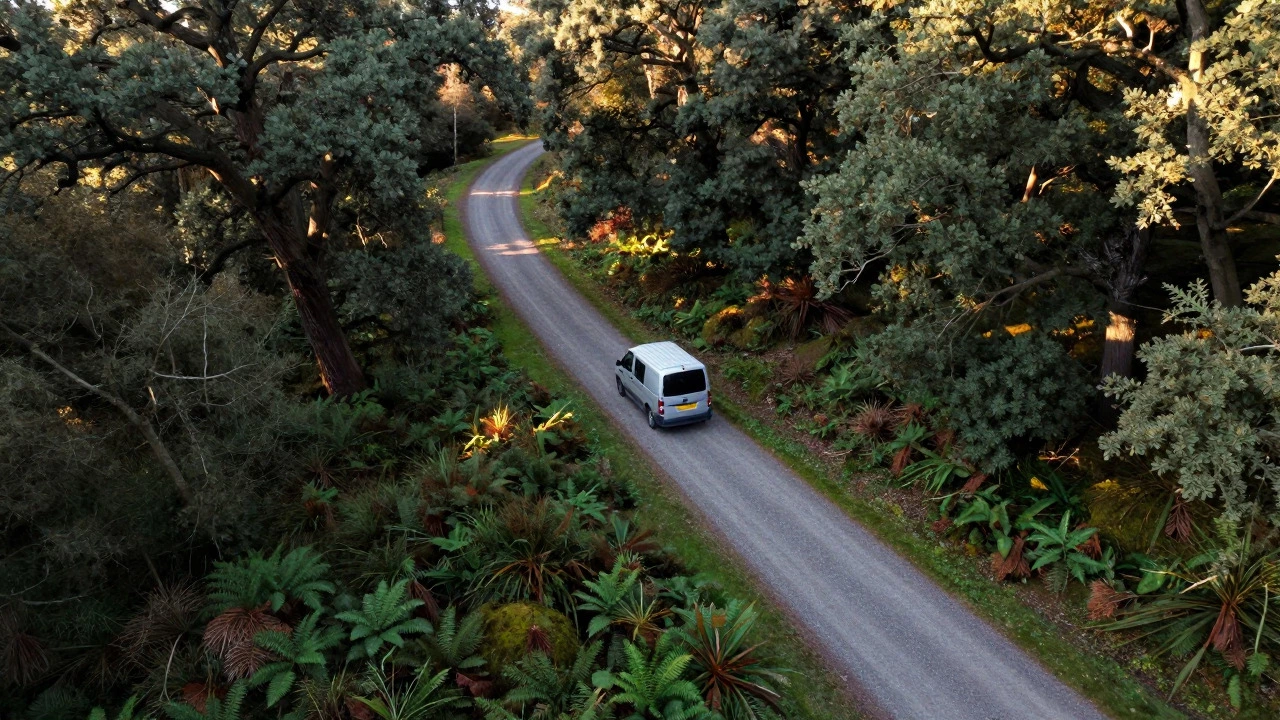
- Forest Service Roads: Areas managed by Forestry England or similar bodies often have gravel tracks suitable for parking. Always check if the road is open to the public.
Legal Status and Rights of Way
The legality of stealth camping in the UK is a gray area. There is no single national law that explicitly bans sleeping in a car on public land, but local bylaws and private property rights complicate matters significantly.
Under the Highways Act 1980, you have the right to stop on a highway (public road) for a reasonable time. However, "reasonable" is subjective. Staying for one night is generally considered reasonable; staying for three days might be seen as obstruction. Key legal points to remember:
- Private Property: Most land in the UK is privately owned. If you park on private land without permission, you are technically trespassing. However, enforcement is rare unless you cause damage or stay too long.
- Common Land: Under the Commons Act 1999, you cannot pitch a tent on common land without permission, but sleeping in a vehicle is less clearly defined. Local councils may issue bylaws restricting this.
- National Trust and National Parks: Rules vary wildly. Some National Parks are very strict about unauthorized stops, while others are more lenient. Always check the specific park’s website before entering.
The Golden Rules of Etiquette
Success in stealth camping isn't just about avoiding the law; it's about being a good neighbor. Locals tolerate stealth campers when they feel respected and unbothered. Follow these rules to maintain goodwill:
- Leave No Trace: Take all your rubbish with you. Use a portable toilet or dig a cathole (and cover it) if you don’t have a cassette toilet. Do not leave footprints, scratches, or smells.
- Keep Noise Levels Low: No music, no loud conversations, no generator noise after dark. Use battery-powered lights instead of bright LED floods.
- Limit Your Stay: Two nights is the magic number. After that, you start to look like you are living there, which increases the chance of complaints.
- Be Discreet: Keep windows tinted or covered. Avoid setting up chairs or tables outside. Look like you are just taking a nap, not running a campsite.
- Check with Locals: If you see a shopkeeper or farmer nearby, a quick smile and nod can go a long way. A friendly face prevents many complaints.
Safety Tips for Solo Travelers
While stealth camping is safe for most, isolation can bring risks. Here is how to protect yourself:
- Share Your Location: Send your exact GPS coordinates to a friend or family member every evening. Tell them when you plan to move on.
- Choose Well-Lit Areas: Even if you want to be hidden, avoid completely dark, isolated woods. A spot near a main road (but out of sight) is safer than a deep forest clearing.
- Secure Your Vehicle: Use a steering lock and keep valuables out of sight. Park in a position that makes it hard for someone to walk around the back of your van unnoticed.
- Watch the Weather: Sudden storms can be dangerous in exposed laybys. Have a backup plan for bad weather, such as a nearby pub or hotel.
Essential Gear for Stealth Comfort
To make stealth camping enjoyable, you need gear that supports silence and self-sufficiency.
- Battery-Powered Lighting: Red-light torches and headlamps preserve night vision and are quieter than generators.
- Portable Toilet: A chemical toilet or a bucket system ensures you never have to leave your vehicle in the dark.
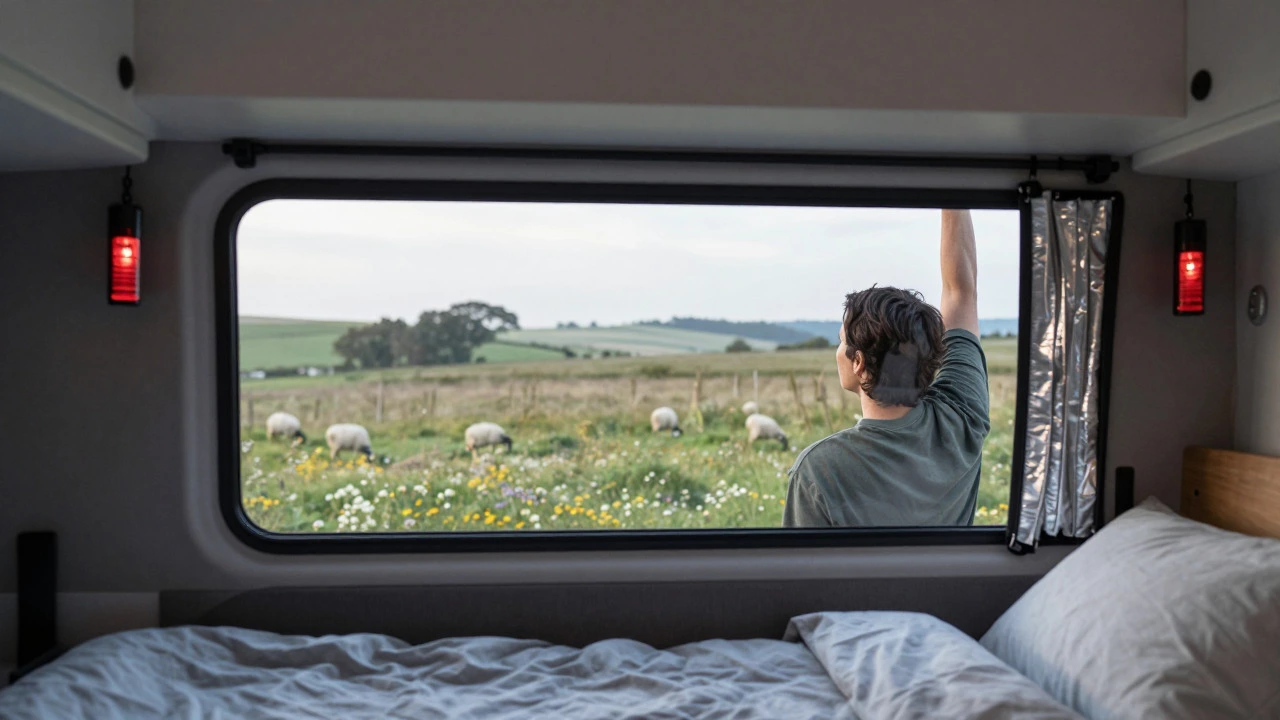
- Insulated Windows: Reflective window shades keep heat in during winter and out in summer, reducing the need for noisy air conditioning or heating.
- Quiet Cooking Setup: A small gas stove is fine, but avoid open fires which are often banned and highly visible.
Frequently Asked Questions
Is stealth camping illegal in the UK?
It is rarely prosecuted, but it can be considered trespassing if on private land. On public highways, it is generally tolerated for short periods (1-2 nights) provided you do not obstruct traffic or create a nuisance.
How long can I stay in one spot?
The general rule of thumb is two nights maximum. Staying longer increases the risk of complaints from locals or intervention from local council enforcement officers.
Can I use a generator at night?
Ideally, no. Generators are loud and can be heard from far away. Use batteries or solar power for lighting and charging devices to maintain your stealth profile.
What should I do if a farmer asks me to leave?
Leave immediately and politely. Arguing will only turn a minor inconvenience into a major conflict. Thank them for their hospitality and find a new spot for the next night.
Are dogs allowed during stealth camping?
Yes, but keep them quiet and leashed. Barking dogs are the number one reason for stealth campers getting kicked out. Train your dog to settle quickly in the vehicle.