UK Wild Camping Legal Checker
Select your location and current situation to see what happens if you get caught.
Scotland
Right to RoamEngland & Wales
Civil TrespassNational Parks
Specific BylawsYou pitch your tent in a quiet spot, fire up the stove, and feel that rare sense of freedom. Then, you hear footsteps. A local farmer or a park ranger approaches. Your heart skips a beat. Are they going to fine you? Kick you off the land? Or just tell you to move on? The answer isn't a simple yes or no because wild camping is the practice of camping outside of designated campsites, often on public or private land without prior permission operates under different rules depending on exactly where you are standing.
If you're reading this, you probably want to know the worst-case scenario. Will you lose money? Will you get arrested? Let's cut through the confusion. The reality is that most encounters end with a polite request to leave, not a court summons. But knowing the specific laws for Scotland versus England and Wales saves you from awkward conversations and potential headaches. Here is what actually happens when you get caught, broken down by region and situation.
The Great Divide: Scotland vs. England and Wales
Before we talk about fines, you need to understand that the UK is not one legal entity when it comes to camping. This is the single biggest mistake beginners make. They assume the law is uniform across the border. It isn't.
In Scotland, the Land Reform (Scotland) Act 2003 established a statutory right to roam, allowing responsible outdoor access including wild camping. This means if you follow the Scottish Outdoor Access Code, a set of guidelines for responsible behavior in the outdoors, you have a legal right to be there. If someone asks you to leave, they usually have a very good reason, like you being too close to a house or blocking a farm track. In these cases, they can ask you to move, but they cannot simply banish you from the country's hills unless you are breaking the code repeatedly.
England and Wales are different. There is no general right to roam for camping. Most land is privately owned. Technically, pitching a tent without permission is trespassing. However, trespassing is a civil wrong, not a criminal offense. This distinction matters. It means the police generally won't arrest you for sleeping in a field. But the landowner has rights. They can ask you to leave. If you refuse, things get complicated.
| Region | General Rule | Consequence of Refusal | Key Law |
|---|---|---|---|
| Scotland | Legal if following Access Code | Move along; repeated breaches may lead to exclusion orders | Land Reform (Scotland) Act 2003 |
| England & Wales | Trespass (Civil) | Must leave immediately; refusal becomes criminal | Common Law / Highways Act |
| Dartmoor/National Parks | Specific Bylaws apply | Fines possible for breaking specific zones/rules | Dartmoor Commons Act 1985 |
What Actually Happens When Someone Confronts You?
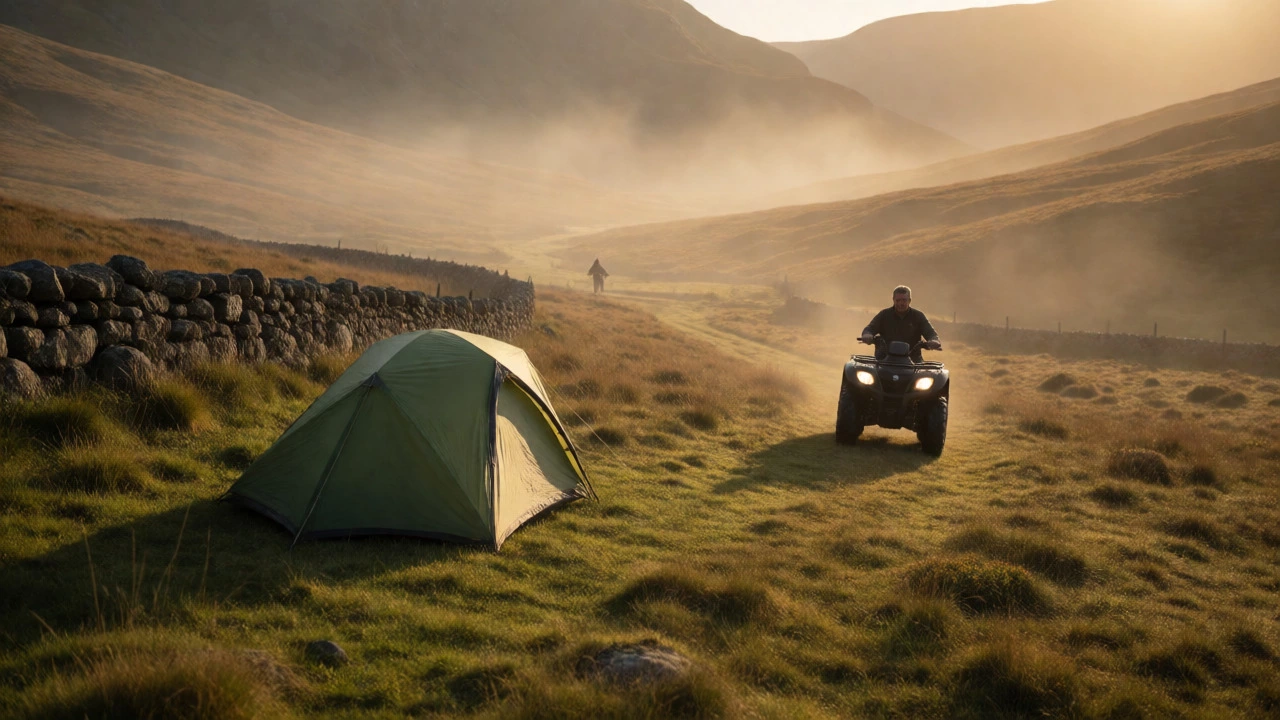
Let's walk through the typical interaction. You are in a field in the Yorkshire Dales. A farmer drives up in a quad bike. He sees your tent. He doesn't look angry; he looks curious. He asks what you are doing. This is the moment that defines the outcome.
If you are polite, admit you didn't ask permission, and explain you were just passing through, 90% of the time, the response is a nod and a warning. "Don't stay long," or "Please take your rubbish with you." That's it. You pack up, say thanks, and move on. No money changes hands. No paperwork is filed.
Problems arise when campers act entitled. If you ignore the person, hide behind bushes, or argue that you have a 'right' to be there in England, the dynamic shifts. The landowner might call the parish council or the police. In England, if a constable arrives and asks you to leave, and you refuse, you are then committing a criminal offense under Section 14 of the Criminal Justice and Public Order Act 1994. Now you are facing a potential fine, not just a request.
In Scotland, the confrontation is rarely hostile because the law backs you up. If a landowner tries to kick you off common grazing land, you can politely reference the Access Code. Unless you are causing damage or disturbing livestock, they have little leverage. The only exception is during deer stalking seasons or lambing times, where temporary restrictions might apply. Always check local signs before setting up.
The Myth of the £500 Fine
You've probably seen headlines screaming about massive fines for wild camping. "Camping in the wrong place could cost you £500!" Is this true? Sort of, but context is everything.
For standard wild camping-just a tent and a backpack-the likelihood of getting a fixed penalty notice is low. Police resources are stretched thin. They aren't driving out to remote moors to issue tickets for one lonely camper. However, if you are part of a large group, if you are leaving litter, or if you are camping in a restricted zone like a nature reserve, fines become real.
On Dartmoor, for example, recent changes sparked controversy. While the core right to camp remains, specific areas and conditions are strictly enforced. Breaking bylaws regarding fires or waste disposal can result in on-the-spot fines. Similarly, in urban fringe areas or near tourist hotspots, councils use Public Spaces Protection Orders (PSPOs). These allow local authorities to issue fines for behaviors deemed anti-social, which can include unauthorized camping in busy parks or lay-bys.
So, do you risk losing hundreds of pounds? Yes, but usually only if you are making a mess, ignoring clear signage, or camping in groups that disrupt local life. For the solo hiker treading lightly, the financial risk is minimal compared to the social friction of being asked to move.
Special Cases: National Parks and Protected Areas
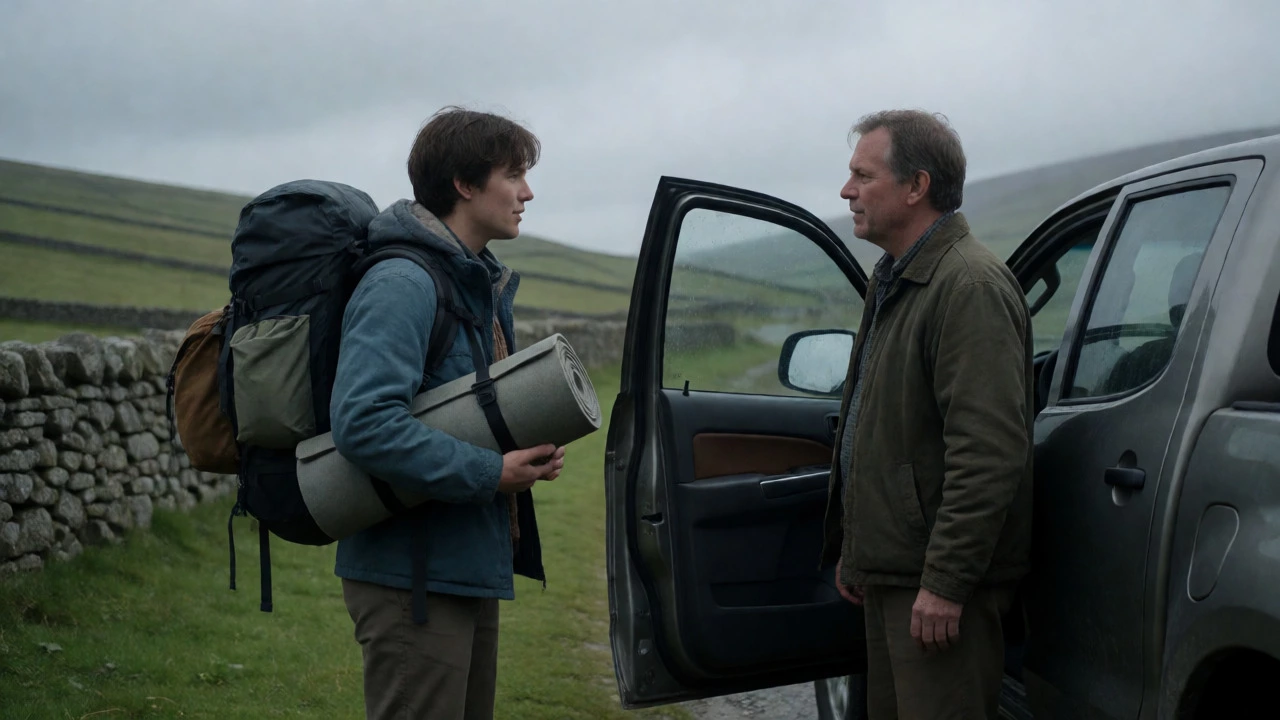
Not all land is created equal. Some places have their own rulebooks. If you are planning to camp in a National Park, a protected area managed to conserve landscape and wildlife while providing recreation opportunities, you must check the specific guidelines for that park.
Lake District is tricky. Much of the land is owned by the National Trust or private farmers who prefer you use designated sites. Wild camping is tolerated in high-altitude areas away from roads, but if you pitch near a popular trailhead, expect questions. Peak District allows camping on some open access land, but again, discretion is key.
Then there are Sites of Special Scientific Interest (SSSIs). These are ecologically sensitive zones. Camping here might be outright banned to protect rare plants or ground-nesting birds. Getting caught here isn't just about trespassing; it's about environmental damage. Rangers take this seriously. Fines are more likely here because the impact of human presence is measurable and immediate.
How to Avoid Getting Caught (Or Why It Doesn't Matter)
The best way to handle getting caught is to avoid the situations that trigger enforcement. Here is a practical checklist to keep your experience positive:
- Arrive late, leave early: Pitch your tent as the sun sets and strike camp at dawn. You are less visible, and you minimize the time you are on the land.
- Stay small: Solo or pairs are far less noticeable than groups of six. Large groups draw attention and cause more visual impact.
- Avoid obvious spots: Don't pitch right next to a farmhouse or a main road. Give people space.
- Leave no trace: Take everything with you. If you leave trash, you justify the landowner's anger. Cleanliness buys goodwill.
- Ask permission: If you see a farmer working nearby, wave and ask. Often, they will point you to a better spot or even offer water. Building rapport turns a potential conflict into a friendly chat.
If you are caught, don't panic. Be humble. Apologize for not asking first. Explain you are moving on. Most rural residents appreciate honesty and respect over defensiveness. Remember, they live there year-round; you are a guest for one night.
What About Fires and Stoves?
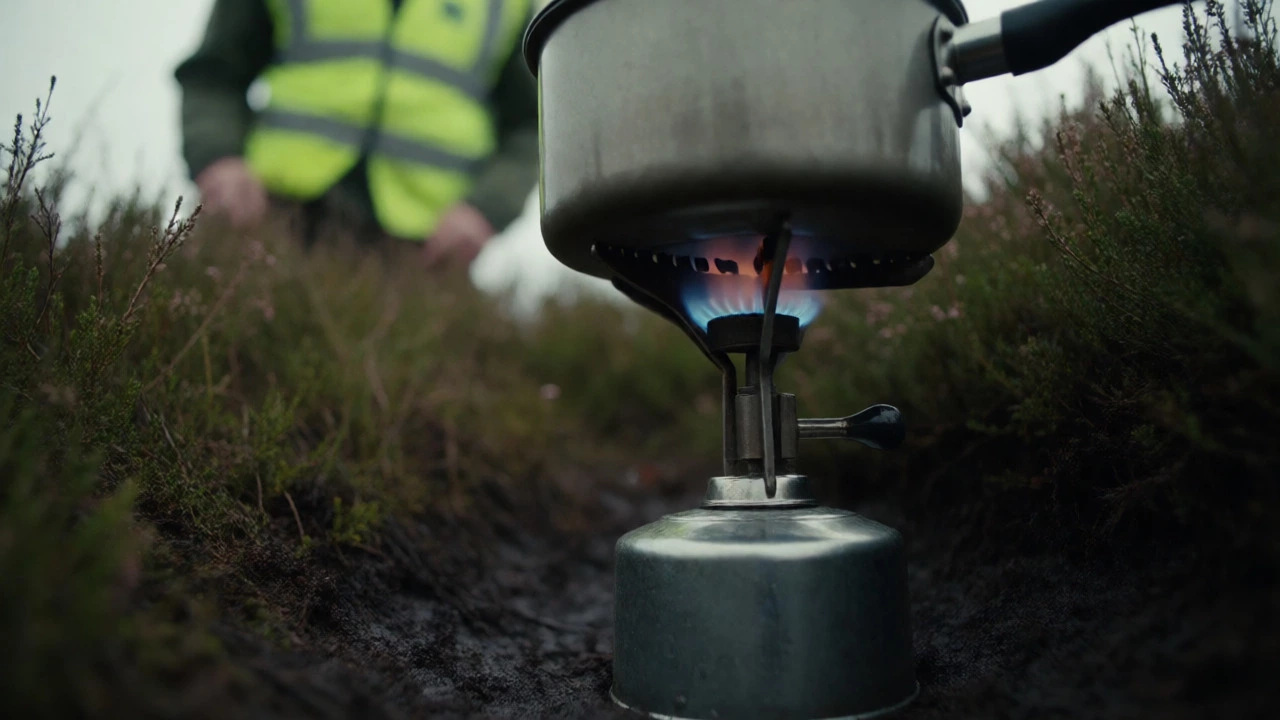
Getting caught is one thing; getting caught with a roaring bonfire is another. Open fires are increasingly restricted in the UK due to wildfire risks and air quality concerns. In many parts of Scotland and England, using a portable gas stove is the safe bet. Lighting a wood fire on peat bogs can cause long-term ecological damage, leading to stricter enforcement and higher fines.
Check local signage. If there is a red flag or a sign saying "No Fires," obey it. If you are caught lighting a fire in a drought-prone area, you are risking a serious reprimand and potentially a fine for endangerment. Stick to your stove. It’s faster, cleaner, and keeps you off the radar.
Frequently Asked Questions
Can I be fined for wild camping in England?
Generally, no, not for simple trespassing. Trespass is a civil matter, meaning the landowner can ask you to leave, but they cannot fine you directly. However, if you refuse to leave after being asked by a police officer, or if you break specific local bylaws (like those in National Parks or PSPO zones), you can receive a fixed penalty notice or face prosecution.
Is wild camping legal everywhere in Scotland?
It is legal almost everywhere provided you follow the Scottish Outdoor Access Code. Key rules include camping away from houses, not staying longer than two nights in one spot, and taking all litter home. Restrictions apply in certain managed areas or during specific seasonal events like deer stalking, so always check local notices.
What should I do if a farmer tells me to move?
Be polite and cooperative. Thank them for letting you stay and pack up quickly. Arguing or hiding makes the situation worse. If you are in England, you have no legal right to stay if the owner objects. In Scotland, you can politely explain you are following the Access Code, but moving on is often the easiest solution to maintain good relations.
Do I need permission to camp on private land?
In England and Wales, yes, technically you need permission from the landowner. Without it, you are trespassing. In practice, many owners tolerate discreet, short-term camping. Asking permission beforehand removes any doubt and often leads to a more welcoming experience.
Are there specific days when wild camping is illegal?
There are no national "no camping" days, but local restrictions vary. During extreme droughts, temporary bans on open fires or camping in certain forests may be imposed to prevent wildfires. Additionally, some estates restrict access during shooting or hunting seasons. Always check the status of the specific area you plan to visit.
Final Thoughts: Respect the Land, Keep It Simple
Getting caught wild camping is rarely the disaster people fear. It’s usually a minor inconvenience resolved with a smile and a quick pack-up. The UK countryside is resilient, but it requires respect. Whether you are navigating the clear rights of Scotland or the nuanced tolerance of England, the golden rule remains: leave the place better than you found it. If you tread lightly, dispose of waste properly, and engage kindly with locals, you’ll find that most encounters end with a handshake rather than a citation.