Camping Style & Gear Calculator
Trip Details
Your Trip Summary
Dry CampingResource Estimates
Location & Rules
Loading...
Essential Gear Checklist
You’ve probably seen both terms thrown around in camping forums and gear reviews. Dry camping. Boondocking. They sound like synonyms, right? If you’re planning a trip to those quiet forest campsites or just want to escape the grid, knowing the difference matters more than you think. Using the wrong term might not stop you from sleeping outside, but it could lead you to prepare for the wrong kind of experience.
Here is the short answer: All boondocking is dry camping, but not all dry camping is boondocking. The distinction comes down to location and permission. Understanding this helps you pack the right gear, find legal spots, and avoid awkward encounters with park rangers or landowners.
Key Takeaways
- Dry camping means camping without hookups (water, electricity, sewer). It can happen anywhere, including paid campgrounds.
- Boondocking specifically refers to dispersed, free camping on public lands (usually BLM or National Forests) without facilities.
- In the UK and Ireland, "boondocking" isn't really a thing; we call it wild camping or rough camping.
- Both require self-sufficiency, but boondocking demands stricter Leave No Trace practices.
- Your water and power management strategy depends entirely on which type you choose.
What Exactly Is Dry Camping?
Let’s start with the broader term. Dry camping is any form of camping where you do not connect to external utilities like electricity, running water, or sewage disposal. That’s it. It’s a description of your setup, not necessarily your location.
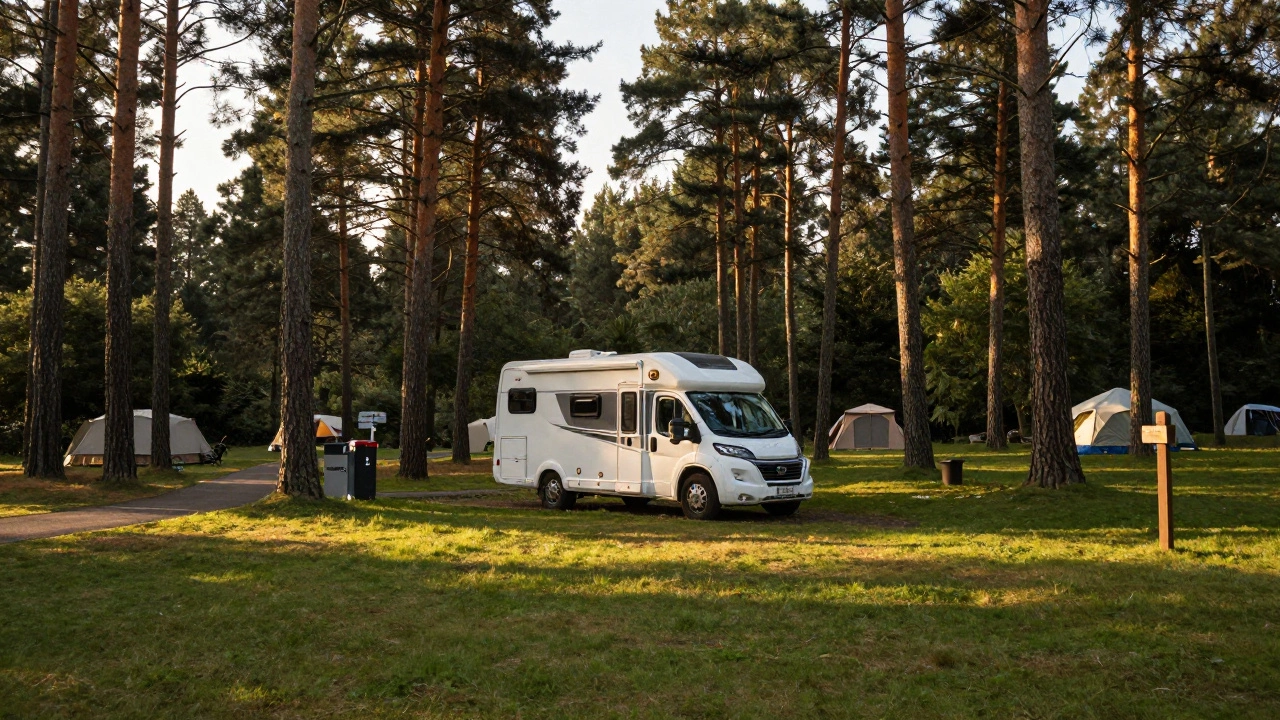
You can be dry camping at a busy commercial campground. Imagine booking a site at a popular holiday park in Wales or a state park in California. You pull into a grassy spot under some pines. There’s no electric pedestal next to your tent or motorhome. There’s no hose bib for filling up your tank. You have to bring your own water, use a portable toilet or a composting bucket, and rely on solar panels or a generator for power. You are paying for the land, the security, and maybe a dump station nearby, but you are living "off-grid" during your stay. That is dry camping.
Why would anyone choose this? Often, it’s about availability. Hookup sites book up months in advance. Dry sites are easier to snag. Sometimes it’s about cost-non-hookup sites are cheaper. Other times, it’s simply that you don’t need constant power and prefer the silence of being away from the hum of everyone else’s air conditioners.
The key takeaway here is that dry camping is flexible. It happens in designated areas. You usually have a host, a ranger, or a manager responsible for the land. If your toilet overflows, there’s often a place to empty it. If you run out of water, there’s likely a tap somewhere within walking distance. You are disconnected from the grid, but you are still connected to civilization.
Defining Boondocking: The Art of Dispersed Camping
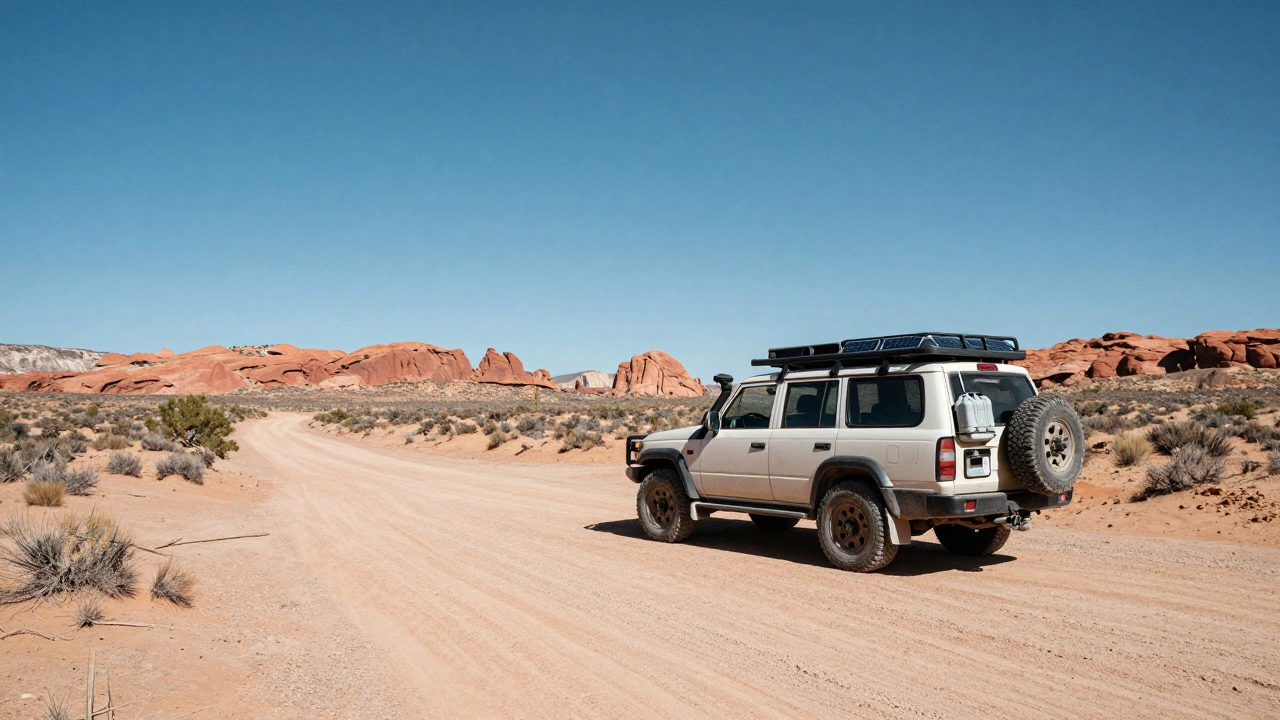
Now let’s look at Boondocking, also known as dispersed camping. This is camping on public lands, typically Bureau of Land Management (BLM) or National Forest service roads, without any facilities, fees, or specific designated sites.
When you boondock, you aren’t just unplugged. You are unregistered. There is no check-in kiosk. No receipt. No map showing exactly where your site is. You drive down a dirt road, find a flat spot near a creek or under a stand of trees, and set up. It’s free because you’re using public land that hasn’t been developed for tourism.
This term is heavily used in the United States, particularly in the West. States like Arizona, Utah, Nevada, and California have vast stretches of BLM land where boondocking is the norm. In these places, the rules are different. You usually can’t stay more than 14 days in one spot. You must be a certain distance from trails and other campsites. And crucially, there are zero amenities. No trash cans. No restrooms. No water. You take everything in, and you take everything out.
Boondocking requires a higher level of self-reliance. If you break down, help is far away. If you spill propane, there’s no fire department coming quickly. It’s a more rugged experience. People boondock to get deep solitude, to see wildlife, or to save money on long-term travel. But it comes with a responsibility to protect the land because there’s no infrastructure to support human impact.
The Core Differences: Location, Cost, and Rules
To make this crystal clear, let’s break down the differences side-by-side. This isn’t just semantics; it affects how you plan your trip.
| Feature | Dry Camping | Boondocking |
|---|---|---|
| Location | Designated campgrounds, RV parks, state/national parks | Public lands (BLM, National Forests), dispersed areas |
| Cost | Usually paid (site fee) | Free |
| Facilities | None at site, but often nearby (dump stations, water) | None whatsoever |
| Permission | Granted by campground manager/park authority | Implicit via public land access laws |
| Waste Disposal | Must carry out gray/black water, but dump stations exist | Must carry out ALL waste; strict Leave No Trace |
| Connectivity | Moderate to high (cell service often available) | Low to none (often remote) |
Notice the column on waste disposal. In dry camping, you might drive ten minutes to a dump station to empty your black tank. In boondocking, if you don’t have a holding tank large enough for your entire trip, you’re in trouble. You cannot just drive to a facility. You have to manage every drop of water and every bit of waste yourself.
Geographic Context: US vs UK/Ireland
Since I’m writing this from Dublin, I need to address the elephant in the room: Boondocking, as defined above, doesn’t really exist in the UK or Ireland. Our land ownership laws are different. Most land is privately owned, and the "right to roam" is limited compared to the open public lands of the American West.
In the UK, what Americans call boondocking is often called Wild Camping. In Scotland, the Land Reform Act 2003 gives you broad rights to camp responsibly almost anywhere. In England and Wales, it’s much stricter. You generally need landowner permission. So, when British travelers talk about "rough camping," they mean staying in a field with a friend’s permission or in a designated wild camping zone, not driving onto random BLM land.
If you are looking at forest campsites in the UK, you are almost always looking at designated dry camping sites. Forestry England and similar bodies offer basic sites. You pay a small fee. You get a flat area. You bring your own water and power. It’s dry camping, but it’s regulated. It’s not the lawless freedom of American boondocking.
For readers in the US, understanding this geographic split is vital. If you try to "boondock" in a private backyard in Florida, you’ll get arrested. If you try to "wild camp" in a restricted zone in the Scottish Highlands, you’ll get fined. Know your local laws.
Gear Up: What You Need for Each Style
Your packing list changes depending on which style you choose. Both require self-sufficiency, but the duration and intensity differ.
Essentials for Dry Camping
- Water Storage: Since there’s no hookup, bring extra jerry cans. A typical family uses 5-10 gallons a day. For a weekend dry camp, bring 20-40 gallons.
- Power Source: Solar panels are great for dry camping. You can charge your battery bank while parked. A portable power station (like a Jackery or EcoFlow) works well for lights and charging devices.
- Cooking: Propane stoves are standard. You don’t need heavy-duty generators since you’re likely near other campers who might share resources in an emergency.
- Toilet: A composting toilet or chemical porta-potty is sufficient. You’ll empty it at the campground’s dump station before you leave.
Essentials for Boondocking
- Extended Water Capacity: You might be weeks without a refill. Install larger freshwater tanks or carry multiple large containers. Consider a water filtration system if you plan to source water from natural streams (with caution).
- Robust Power System: Solar alone might not cut it in cloudy weather. Many boondockers install lithium batteries and inverters. Generators are common but must be used quietly and sparingly due to noise restrictions.
- Waste Management: This is critical. You need a way to handle black water (sewage) for extended periods. Some people use incinerating toilets or strictly limit showering. Gray water (sink/shower) must be strained and scattered widely, never dumped in one spot.
- Communication: Cell service is unreliable. Carry a satellite messenger (like Garmin inReach) for emergencies.
- Tire Repair Kit: Dirt roads are hard on tires. Have plugs, patches, and a jack ready.
Leave No Trace: The Golden Rule
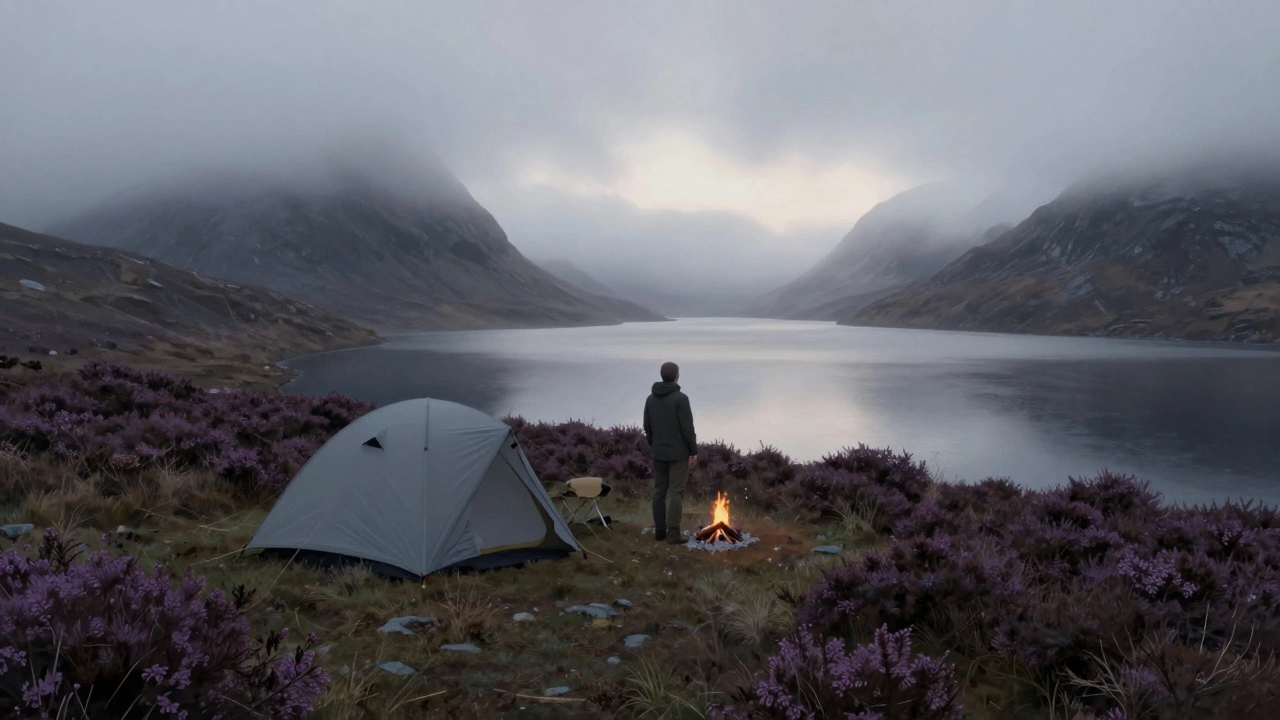
Whether you are dry camping in a state park or boondocking on BLM land, the principle of Leave No Trace (LNT) applies. However, the stakes are higher in boondocking.
In a developed campground, if you leave a coffee cup, a groundskeeper will pick it up. In a boondocking spot, that cup stays there for decades. It harms wildlife and ruins the experience for the next person. LNT has seven principles, but three are non-negotiable here:
- Travel and Camp on Durable Surfaces: Don’t create new paths. Stay on existing roads or previously disturbed ground.
- Dispose of Waste Properly: Pack out all trash. Human waste must be buried in catholes (6-8 inches deep) at least 200 feet from water sources, or packed out in WAG bags if required by local regulations.
- Respect Wildlife: Store food in bear-proof containers or locked vehicles. Never feed animals.
When you boondock, you are a guest in a fragile ecosystem. Your goal is to leave no sign that you were ever there. Not even footprints.
How to Find Legal Spots
Finding where to go is half the battle. For dry camping, apps like Campendium, iOverlander, or AAA’s directory work well. You filter for "no hookups" and book ahead.
For boondocking, you need tools that show public land boundaries. OnX Offroad is a popular app that maps public vs private land in the US. It shows you exactly where you can legally park. Another option is the Bureau of Land Management’s website, which lists dispersed camping areas. Always check current conditions-some roads close in winter or after wildfires.
In the UK, use the Forestry England website to find authorized wild camping sites. In Scotland, consult the Scottish Outdoor Access Code for guidelines on responsible camping.
Which One Is Right for You?
If you are new to off-grid living, start with dry camping. It’s safer, easier, and lets you test your gear without the pressure of total isolation. Book a site at a national forest campground. See how long your battery lasts. See how much water you actually use. Learn how to cook without electricity.
Once you’re comfortable, try boondocking for a night or two. Start with a spot close to town, just in case you need supplies. Gradually push further out as your confidence and gear improve.
Remember, the goal isn’t to suffer. It’s to enjoy nature without relying on infrastructure. Whether you call it dry camping or boondocking, the reward is the same: waking up to birdsong instead of traffic, and realizing you did it all yourself.
Is boondocking illegal?
No, boondocking is not illegal when done on designated public lands like BLM or National Forests in the US. However, it is illegal on private property without permission. Always verify land status using apps like OnX Offroad or official government maps.
Can I boondock in the UK?
The term "boondocking" is American. In the UK, similar activities are called wild camping. In Scotland, it is largely permitted under the Land Reform Act. In England and Wales, it is generally restricted and requires landowner consent, except in specific designated areas.
How long can I stay while boondocking?
Most US public lands limit stays to 14 days within a 30-day period. After that, you must move at least 25 miles away. Check local regulations, as some areas have shorter limits (e.g., 3 days) to prevent overcrowding.
Do I need special insurance for dry camping?
Standard RV or car insurance usually covers dry camping. However, if you are boondocking in remote areas, consider adding roadside assistance that covers off-road recovery. Medical evacuation coverage is also wise for very remote locations.
What is the best vehicle for boondocking?
A four-wheel-drive (4WD) or all-wheel-drive (AWD) vehicle is ideal for accessing remote boondocking spots. High-clearance SUVs or trucks with camper shells are popular. For beginners, a standard 2WD car can access many dispersed sites on graded dirt roads.
How do I dispose of gray water when boondocking?
Strain gray water through a fine mesh to remove food particles. Then, scatter it widely over a large area, at least 200 feet from water sources. Never dump it in a single spot, as this creates mud and attracts pests. Biodegradable soap is essential.
Is dry camping safe for families?
Yes, dry camping is very safe for families, especially in established campgrounds. You get the benefits of off-grid living with the security of nearby neighbors and staff. Just ensure you have enough water and power for your needs.
Can I use a generator while boondocking?
Yes, but use it sparingly and quietly. Many boondocking areas have quiet hours (e.g., 9 PM to 7 AM). Run your generator early in the morning to charge batteries, then switch to silent solar or battery power for the rest of the day.