UK Camping Suitability Calculator
Check the boxes that apply to your situation or gear. The tool will analyze your readiness based on the downsides discussed in the article.
Readiness Score
Score
Select Options Below
Check the boxes to see if you are suited for tent camping in the UK.
Recommendation:
- • Complete the form to receive advice.
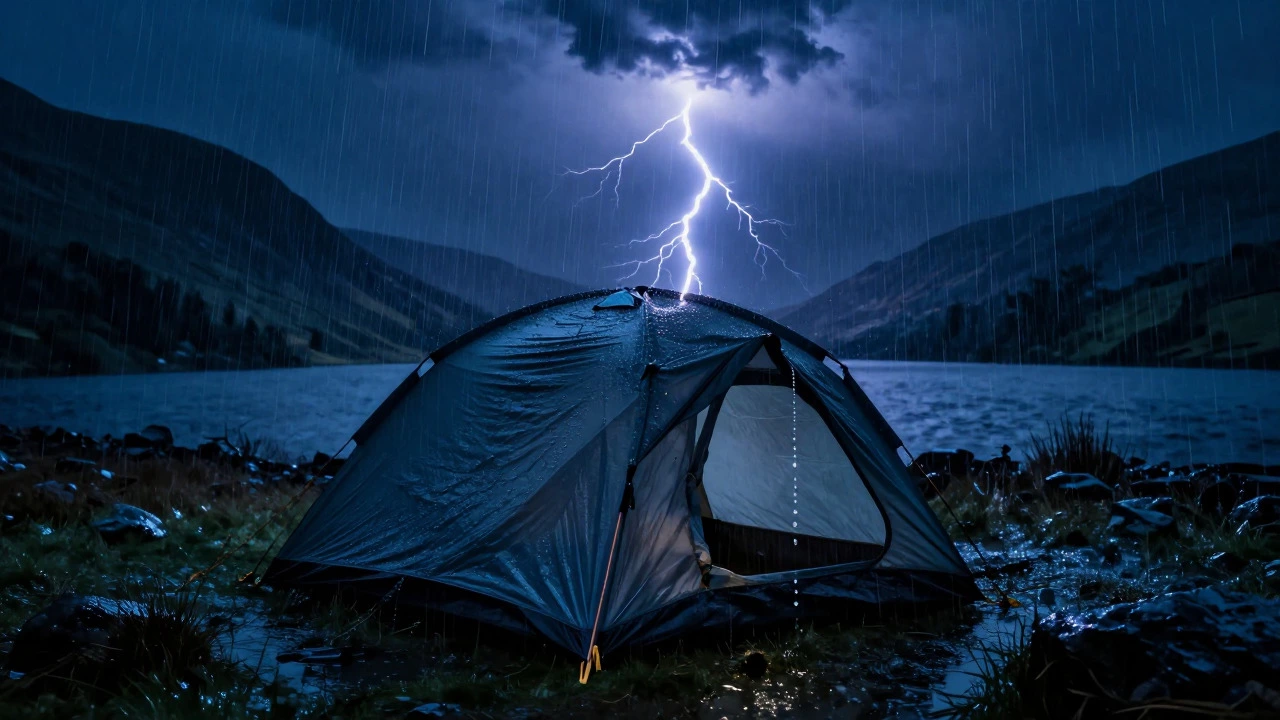
Picture this: It’s 3 AM in the Lake District. The rain isn’t just falling; it’s horizontal. Your tent is a lightweight shelter made of fabric and poles, currently sagging under the weight of condensation. You’re lying awake, listening to the wind howl through the nylon, wondering why you didn’t just book a hotel room with central heating. We often romanticize camping as a peaceful escape into nature, but let’s be honest about the grit. Sleeping in a tent, especially in the unpredictable climate of the United Kingdom, comes with a host of practical disadvantages that can turn a dream holiday into a test of endurance.
The Physical Toll of Sleeping on the Ground
The most immediate disadvantage of tent camping is the lack of elevation. When you sleep in a bed, your mattress absorbs shock and distributes weight. In a tent, you are sleeping on the earth itself. Even with a high-end sleeping pad, the ground is hard, uneven, and cold. This leads to what campers call "back pain from hell." You wake up stiff because your spine has been pressed against rocks or roots all night.
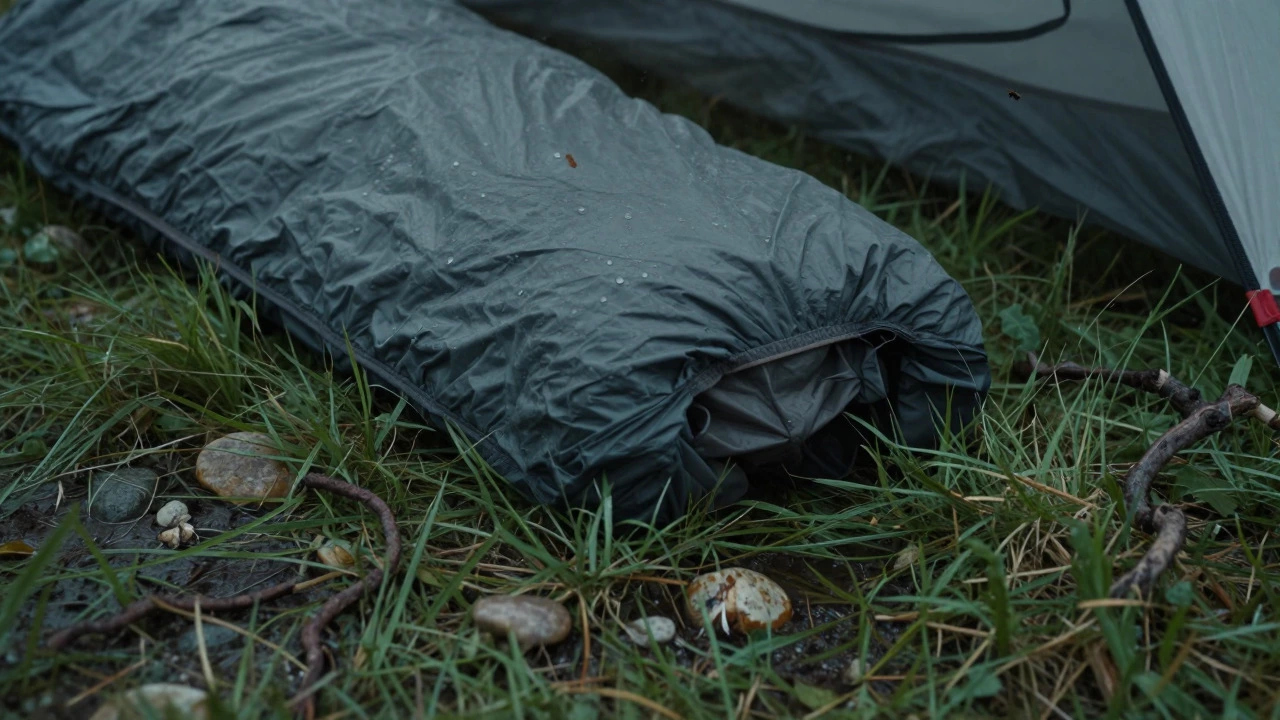
Then there is the issue of moisture. The ground holds dampness. If you pitch your tent on grass that looks dry at sunset, it might be soaked by sunrise due to dew. This dampness seeps through your sleeping bag, lowering its insulation value. You lose body heat rapidly when wet, which means even if the air temperature is mild, you feel freezing. This is why many seasoned travelers eventually switch to motorhomes are self-contained vehicles for living and traveling or elevated hammocks-they want distance from the wet earth.
- Hard surfaces: No cushioning leads to joint pain and poor sleep quality.
- Dampness transfer: Ground moisture reduces sleeping bag efficiency.
- Uneven terrain: Roots and stones create uncomfortable pressure points.
The British Weather Factor
If you have never camped in the UK, you likely underestimate the weather. It is not just about rain; it is about the variability. One minute it is sunny, the next it is hail. Tents are designed to keep water out, but they are not designed to keep the chill out effectively without significant gear investment. A standard dome tent offers minimal protection against strong winds. When gales hit, the tent flaps violently, creating noise that makes sleep nearly impossible.
Condensation is another silent killer of comfort. Inside a tent, your breath and body heat create moisture. Without proper ventilation-which often conflicts with keeping the rain out-this moisture hits the cool inner walls and drips down onto your head. You wake up feeling like you’ve slept in a fish tank. This is a major reason why people explore wild camping alternatives such as glamping sites or sturdy cabins where climate control is managed differently.
Pests and Wildlife Intrusions
Nature is beautiful, but it is also teeming with creatures that do not care about your personal space. In the UK, you will encounter midges, particularly in Scotland and northern England during summer evenings. These tiny biting insects can swarm around your tent entrance, finding any microscopic gap to enter. Once inside, they bite relentlessly. Mosquitoes are less common than in other parts of the world, but they exist, especially near standing water.
Rodents are another concern. Mice and rats are attracted to food smells. If you leave a crumb of chocolate or an open packet of crisps in your tent overnight, you risk waking up to a guest rummaging through your belongings. They chew through zippers, tear fabric, and contaminate food supplies. While bears are not a threat in the UK, these smaller pests can cause significant stress and damage to your gear. This is a stark contrast to the controlled environment of a campsite cabin which provides a sealed barrier against wildlife.
Lack of Amenities and Privacy
Camping strips away convenience. There is no flush toilet, no hot shower, and no kitchen sink. You must carry water, manage waste, and cook over a small stove or fire pit. This adds significant time and effort to your daily routine. Washing dishes in a bucket of grey water is not glamorous. Using a chemical toilet or walking 50 meters to a communal block in the dark is an experience few look forward to.
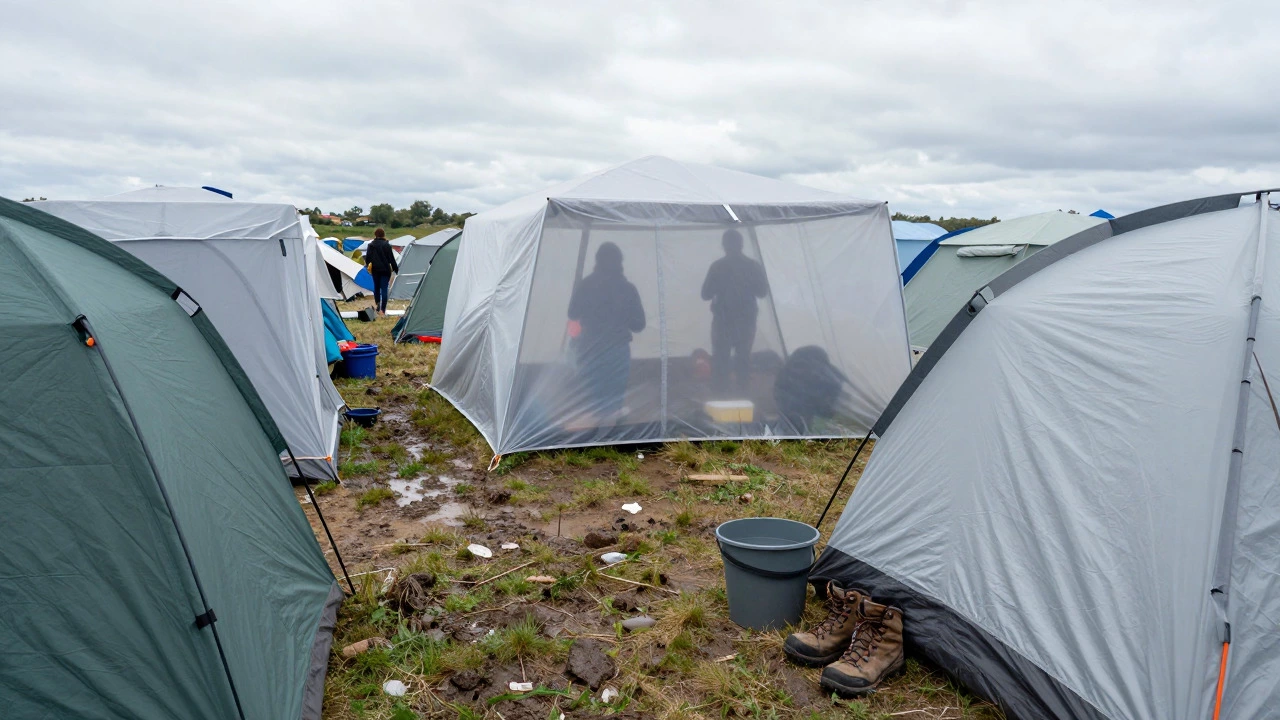
Privacy is virtually non-existent. Thin nylon walls mean sound travels easily. You can hear your neighbors talking, snoring, or moving around. Light leaks through the fabric, so nighttime is rarely dark. If you are camping in a crowded site, you are essentially living in a transparent box next to strangers. For families with teenagers or couples seeking romance, this lack of seclusion can be a major downside compared to the privacy offered by a private holiday home or a secluded motorhome setup.
| Feature | Tent Camping | Motorhome/RV | Glamping Cabin |
|---|---|---|---|
| Sleep Comfort | Low (ground level) | High (beds included) | High (real beds) |
| Weather Protection | Moderate (wind/rain dependent) | High (insulated walls) | High (solid structure) |
| Privacy | Very Low | High | High |
| Setup Effort | High (pitching/taking down) | Low (drive-in) | None (check-in) |
| Cost per Night | £10 - £25 | £30 - £60 (plus fuel) | £80 - £150+ |
Security Risks
Your tent is not a secure vault. Zippers can be cut, and fabric can be slashed. Theft is a real risk, especially at busy campsites where people come and go. You cannot lock your tent securely. Valuables like cameras, laptops, and jewelry should ideally stay in a locked car, but that means carrying them back and forth every day. If you are wild camping, the risk increases as there are no security patrols or CCTV cameras. This vulnerability adds a layer of mental stress to your trip, as you are constantly aware of protecting your possessions.
Environmental Impact and Restrictions
While camping seems eco-friendly, it has an impact. Pitching tents requires clearing ground, which can damage vegetation. Human waste, if not managed correctly, pollutes soil and water sources. In popular areas like the Peak District or Snowdonia, over-camping has led to strict regulations. Many areas now ban wild camping entirely, forcing tourists into designated sites. This limits freedom and spontaneity. You must plan ahead, book spots months in advance, and adhere to strict rules about fires and noise. The freedom associated with wild camping is increasingly being replaced by bureaucratic constraints.
Who Should Avoid Tent Camping?
Tent camping is not for everyone. If you suffer from chronic back pain, arthritis, or respiratory issues triggered by dust and mold, a tent may exacerbate your conditions. Families with very young children often find the logistics overwhelming-diaper changes in the dark, feeding schedules disrupted by noise, and the sheer amount of gear required. Elderly travelers may struggle with the physical demands of setting up and breaking down camp each day. For these groups, considering accessible campsites with facilities tailored for mobility needs or opting for self-catering cottages might be a more enjoyable alternative.
Conclusion: Is It Worth It?
Despite these disadvantages, millions of people continue to choose tent camping. Why? Because the connection to nature, the cost savings, and the sense of adventure outweigh the discomforts for many. However, understanding the downsides allows you to prepare better. Invest in a high-quality sleeping mat, choose a four-season tent if camping in winter, and research sites with good reviews regarding facilities. By acknowledging the challenges, you can mitigate them and still enjoy the great outdoors without ruining your vacation.
Is it safe to sleep in a tent in the UK during winter?
It can be safe if you have the right equipment, but it is challenging. Winter temperatures in the UK can drop below freezing, and snow is common in higher altitudes. You need a four-season tent, a sleeping bag rated for sub-zero temperatures, and a thick insulated sleeping pad. Hypothermia is a real risk if you get wet or unprepared. For most casual campers, winter tent camping is not recommended unless they are experienced.
What are the biggest pests to worry about in UK tents?
Midges are the primary nuisance, especially in Scotland and northern England from May to September. They bite through thin mosquito nets. Mice and rats are also common, attracted by food scraps. To minimize risks, store all food in sealed containers outside the tent, use insect repellent, and ensure your tent mesh is intact.
How much does tent camping cost compared to hotels?
Tent camping is significantly cheaper. A basic campsite pitch in the UK costs between £10 and £25 per night. In contrast, a budget hotel or B&B typically starts at £60-£80 per night. However, you must factor in the initial cost of gear (tent, sleeping bag, stove), which can exceed £500 for a new setup. Over multiple trips, camping remains more economical.
Can I wild camp anywhere in the UK?
No. Wild camping is legally permitted only in Scotland under the Land Reform Act, provided you follow the Scottish Outdoor Access Code. In England, Wales, and Northern Ireland, wild camping is generally trespassing and can result in fines or eviction. Most campers must use designated campsites or obtain landowner permission.
What is the best way to prevent condensation in a tent?
Ventilation is key. Keep vents open even in rainy weather, using rain flies to cover them. Avoid cooking inside the tent, as steam adds moisture. Use a double-wall tent design, which separates the inner breathable layer from the outer waterproof layer. Wipe down condensation in the morning before packing up to prevent mold growth.