Dispersed Camping Legal Checker
Step 1: Where do you plan to camp?
Step 2: Trip Details
Compliance Verdict
Regulatory Checklist
If you have camped in the UK or parts of Europe, the idea of wild camping feels natural. You pitch a tent under a tree, enjoy nature, and leave no trace. But bring that mindset to the United States, and you could easily face a fine. The short answer is complex: wild camping is not universally illegal, but it is strictly regulated depending on who owns the ground beneath your tent. In the US, we rarely use the term "wild camping." Instead, we talk about "dispersed camping." Understanding this distinction is your first step to avoiding trouble with rangers.
What is Dispersed Camping?
In many cultures, setting up a tent anywhere is standard. In the US, the system relies heavily on land ownership. Private land owners own the majority of the terrain in states like Pennsylvania or Florida, making wild camping trespassing without permission. On federal land, the rules shift. The United States Department of Agriculture (Agency managing national forests) manages the vast stretches of timber and wilderness we see in the West. They allow camping away from designated sites in most areas. This is often called free camping or dispersed camping.
The concept is simple: you camp off established trails and campsites, usually for free. There are no hookups, no water stations, and sometimes no trash cans. You get solitude and silence, but you take full responsibility for your setup. Unlike a campground with a check-in desk and security, the forest ranger is your only authority figure. They enforce rules, and they do have the power to confiscate gear or issue citations if boundaries are crossed.
Where Can You Legally Camp Wild?
The biggest factor determining your freedom is which agency manages the land. Not all public land is created equal when it comes to overnight stays. If you are planning a trip across the country, you need to map your route against these three major federal bodies.
| Agency | Camping Status | Typical Limit | Cost |
|---|---|---|---|
| Bureau of Land Management (BLM) | Generally Allowed | 14 Days / 30 Day Cycle | Free |
| National Forest Service | Usually Allowed | 14 Days / 30 Day Cycle | Free |
| National Park Service | Rarely Allowed | Designated Sites Only | Fees Apply |
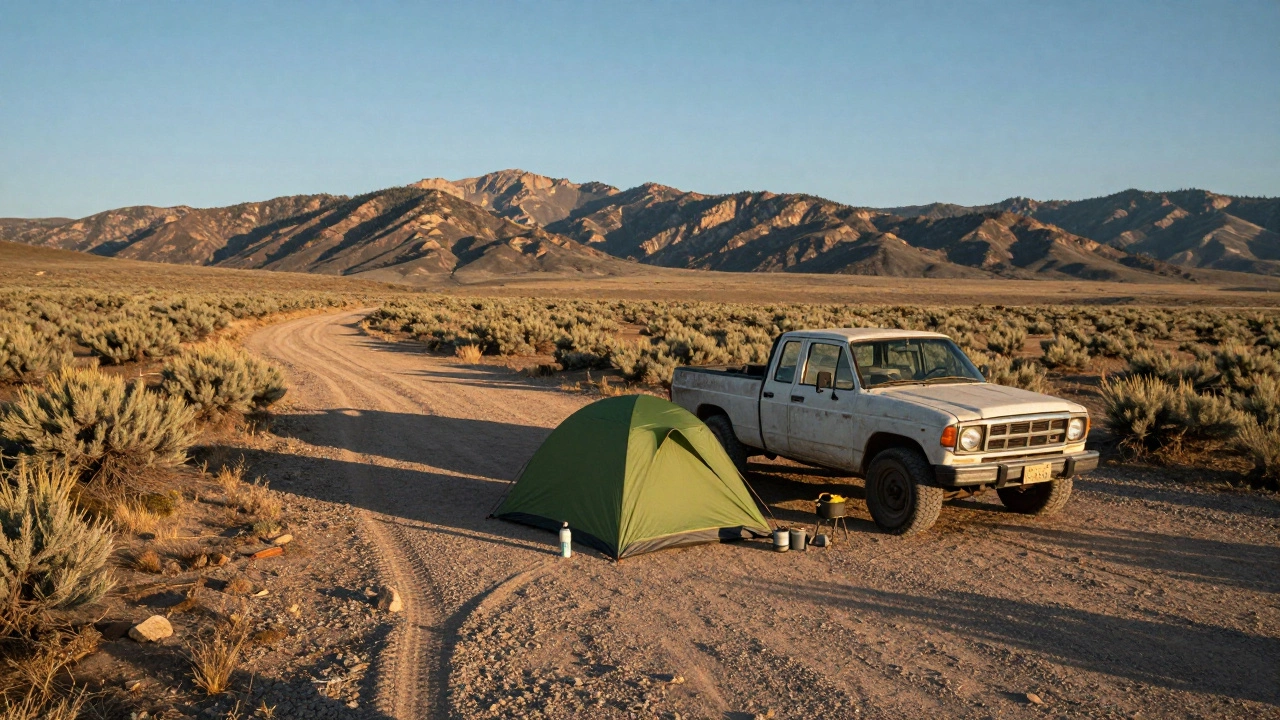
The Bureau of Land Management (Government agency managing public lands) controls more acreage than any other agency in the lower 48 states. In places like Utah, Nevada, Arizona, and Idaho, they manage millions of acres of sagebrush and desert scrub. Here, you can drive onto a dirt road, pull over, and set up a tent provided you aren't blocking traffic or damaging protected vegetation. These lands were intended for use by the public, including recreation, so strict prohibitions are less common here compared to parks.
Next are the National Forests. Managed by the Forest Service, these woods offer plenty of opportunities for backpackers and campers. Most forests allow you to camp anywhere on the map unless posted otherwise. Look for signs along main roads. A green sign saying "Camping Prohibited" means exactly what it says. Otherwise, you are usually good to go for a few nights. Just remember, even here, some specific zones are closed due to fire danger or wildlife protection.
Where Is It Strictly Illegal?
You might assume all public land is fair game, but the National Park Service operates differently. When people visit Yosemite or Zion, they expect a protected experience. Wild camping here is prohibited almost everywhere. You must camp in designated campsites. Even if you hike ten miles deep into a valley, you need a permit for backcountry camping, and you must stay in a specific zone marked on your permit.
This confusion leads to arrests. Rangers in popular parks patrol frequently during summer months. If you drop your tent behind a picnic area, you will be found quickly. Drones are increasingly used to spot unauthorized tents in remote valleys. The risk is high because these parks charge fees to enter, and they protect resources from overuse.
State parks are another tricky area. While some state lands allow dispersed camping, most operate like commercial campgrounds. You pay for a spot to secure infrastructure like toilets and showers. Without payment, you are technically on private or restricted public land. Always check with the specific district office before pulling your tarp in a state forest.
The 14-Day Rule Explained
Even on friendly land, there is a time limit. You cannot live in your car or tent indefinitely on federal property. The standard regulation restricts camping to 14 consecutive days within a 30-day period. After two weeks, you must move at least five miles away from your original site.
Why does this exist? It prevents squatting. Public lands are for recreational use, not permanent residence. If you want to stay longer, you must relocate. Rangers track tire tracks and vehicle IDs. If you return to the same spot immediately after a break, you risk getting flagged. It is best practice to rotate through different areas of the same forest rather than moving just outside park boundaries.
Some areas have stricter seasonal closures. During peak fire seasons, typically late spring through autumn in the West, access is limited. Burning trees or dry grass creates hazards, so officials close roads to prevent wildfires caused by sparks from vehicles. These closures are dynamic. A road open today might be shut next week. Checking local alerts is mandatory.
Fire Restrictions and Safety
Camping without a designated fire ring requires extreme caution. Building a fire is often prohibited during red flag warnings. In the summer of 2026, drought conditions may be affecting regions like the Southwest and Pacific Northwest. Always carry a fire extinguisher or large bucket of sand.
Many campers prefer stove cooking anyway. It keeps the forest floor clean and reduces burn scars. If you do build a fire, gather wood inside a small circle. Never burn trash, plastic, or treated lumber. Leaving debris attracts animals and ruins the site for future visitors. Cold fires are non-negotiable. Before leaving, scatter ashes until they are cool to the touch and fill the hole with dirt.

Waste and Leave No Trace Principles
You might wonder about bathroom breaks. Human waste must be managed carefully. If there is no toilet, dig a cathole. Dig it six to eight inches deep, at least 200 feet from water sources, trails, and your tent. Cover the hole completely when finished. Carry out your toilet paper if you are in sensitive alpine zones, or bury it deeply.
This follows the Leave No Trace methodology promoted by various outdoor organizations. The goal is zero impact. Packing out everything you brought in includes food wrappers, soda tabs, and leftover coffee grounds. Some species of wildlife thrive on human scraps, leading to dangerous encounters. Bears, raccoons, and rodents are trained to seek out easy calories. Store food in bear-proof containers if you are in mountainous regions.
Finding Your Spot
Finding legal spots takes research before you travel. Digital tools have made this easier. Apps like iOverlander or apps designed for boondocking show user reports on nearby dispersed sites. However, rely on official maps too. Local ranger stations provide pamphlets showing trailheads and parking lots that permit camping. Sometimes the best info comes from the gate guards at entry points.
Google Earth is useful for scouting flat ground near water sources, but don't trust it blindly. Satellite imagery doesn't show fire bans or recent closures. Verify access through the agency website. For example, entering a National Forest via a paved road doesn't guarantee you can drive off-road. Vehicles must stay on designated routes to avoid soil erosion and plant damage.
Consequences of Violation
Ignoring these rules carries risks beyond just inconvenience. Tickets can range from $50 to hundreds of dollars per violation. Confiscation of equipment is possible in severe cases, though rare. More importantly, repeat offenders get their names added to watchlists. It complicates future trips significantly.
The environment suffers too. Unauthorized campsites degrade soil, harm flora, and disturb wildlife habitats. Rangers spend hours cleaning up litter left by violators. Responsible users lose quality experiences when bad actors ruin the area. Enforcement isn't about being mean; it's about preserving the resource for everyone long-term.