Class B Motorhome Cost Calculator
Estimate Your Class B Motorhome Costs
Calculate your total trip costs based on rental rates, fuel economy, and distance traveled. All values use data from the article.
When you hear the word motorhome, you might picture a giant bus-like rig with slide-outs and a full-size bedroom. But not all motorhomes are huge. In fact, one of the most popular and practical options for travelers - especially in Europe and North America - is the Class B motorhome. Also known as a camper van, this compact vehicle blends the freedom of road travel with the convenience of a fully equipped living space - all in a package that’s easy to drive and park.
What Exactly Is a Class B Motorhome?
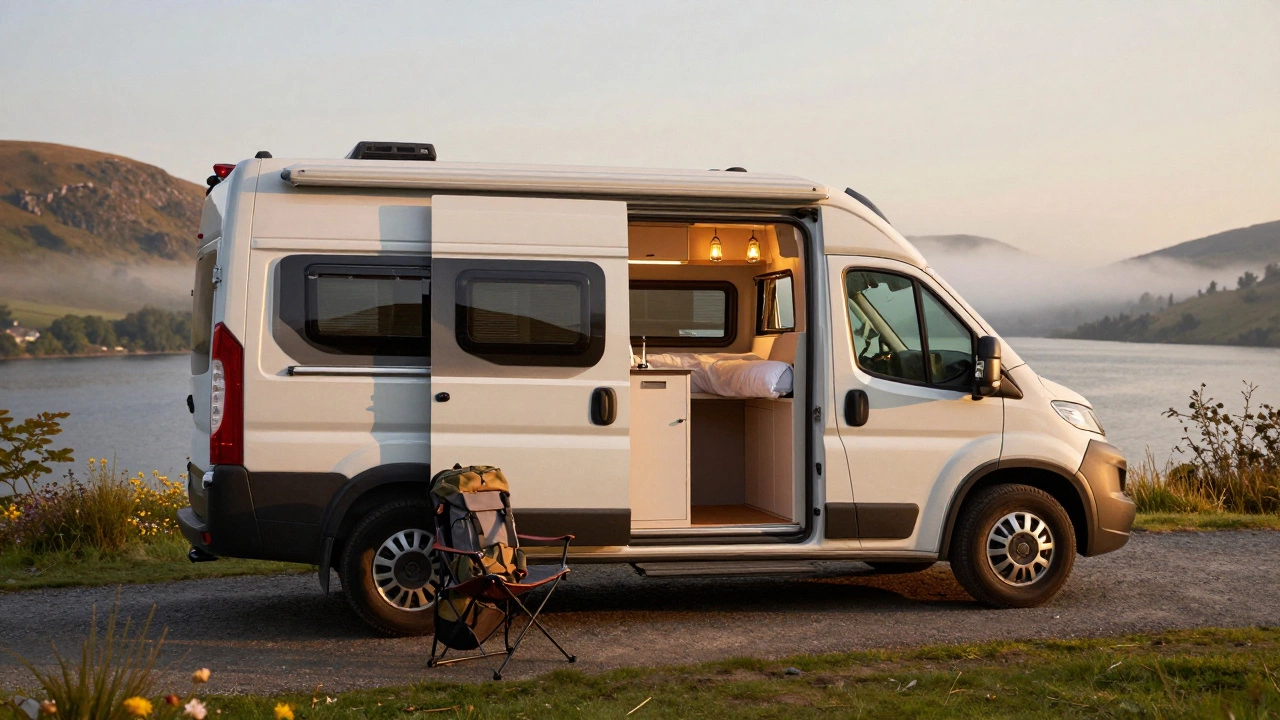
A Class B motorhome is built on a standard van chassis - usually from manufacturers like Ford Transit, Mercedes-Benz Sprinter, or Ram ProMaster. Unlike larger motorhomes, it doesn’t have a separate living section bolted onto a truck frame. Instead, the entire vehicle is a single unit, with the living area integrated into the van’s original body. This makes it look like a regular van from the outside - until you open the side door and see a kitchen, a bed, and sometimes even a bathroom.
It’s called "Class B" because of the U.S. federal classification system for motor vehicles. Class A refers to the largest motorhomes, built on bus chassis. Class C are the mid-sized ones with an overcab bed. Class B is the smallest, and often the most versatile. In Europe, people rarely use the term "Class B" - they just call them camper vans. But the design and features are the same.
Why Choose a Class B Over Other Motorhomes?
If you’ve never rented a motorhome before, you might wonder: why pick the smallest one? The answer is simple - it’s the sweet spot between comfort and practicality.
- Easier to drive: Most Class B motorhomes are under 20 feet long. That’s shorter than a full-size pickup truck. You can navigate city streets, tight campsite turns, and narrow mountain roads without stress.
- Better fuel economy: While a Class A motorhome might get 8-10 mpg, a Class B typically gets 18-22 mpg. That means fewer stops at the pump and lower rental costs over long trips.
- More parking options: You can park a Class B in a regular parking spot, at a grocery store, or even in a standard hotel lot. No need to hunt for oversized RV spots.
- Lower rental prices: Renting a Class B motorhome often costs 30-50% less than a Class C or A. For a two-week trip, that could mean saving hundreds of pounds.
It’s not just about cost - it’s about freedom. With a Class B, you’re not locked into RV parks. You can pull over at a scenic overlook, park beside a lake, or sleep in a quiet forest clearing (where legal). Many renters say it feels more like camping than driving a house on wheels.
What’s Inside a Typical Class B Motorhome?
Don’t let the size fool you. Modern Class B motorhomes are packed with smart features. Here’s what you’ll usually find:
- A fold-down bed: Most have a bed that converts from a bench or dinette. Some models have a pop-up roof for extra headroom and a raised bed.
- A compact kitchen: A two-burner stove, a small sink, and a 12-volt fridge. Many include a microwave or a coffee maker.
- Storage: Overhead cabinets, under-seat drawers, and even hidden compartments behind panels. Smart design means you can fit gear for a week or more.
- Running water and waste tanks: Freshwater tank (20-40 liters), grey water tank (for sink and shower), and sometimes a portable toilet.
- Power: Solar panels, a second battery, and an inverter to run appliances off-grid. Most can run for 2-3 days without hookups.
Some high-end models even include heated seats, a shower, a toilet, and air conditioning. But even the basic versions are fully functional for weekend trips or extended road trips.
Who Is a Class B Motorhome Best For?
Class B motorhomes aren’t for everyone - but they’re perfect for specific types of travelers:
- Solo travelers or couples: No need for a big bed or extra rooms. Two people can live comfortably for weeks.
- First-time renters: If you’ve never driven an RV before, a Class B is the easiest to get used to.
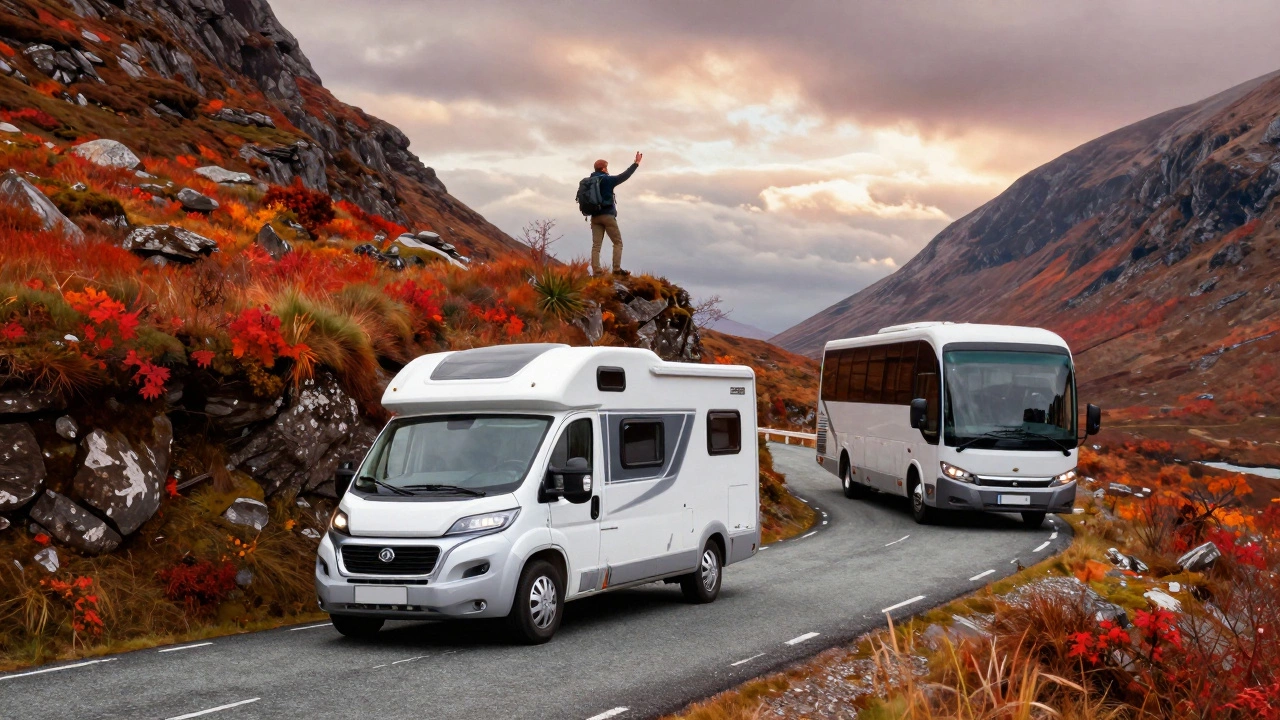
- Adventure seekers: Want to hike, ski, or surf? A Class B lets you get closer to nature than a big rig ever could.
- Cost-conscious travelers: Lower rental, fuel, and campsite fees add up over time.
- People with limited driving experience: If you’re nervous about driving a large vehicle, a Class B feels just like a regular van.
It’s not ideal for large families - most Class B units sleep two, sometimes three in a pinch. And if you need a full-size bathroom or a washer/dryer, you’ll want to look at Class C or A models. But for most people, Class B hits the right balance.
Class B vs. Class C: What’s the Real Difference?
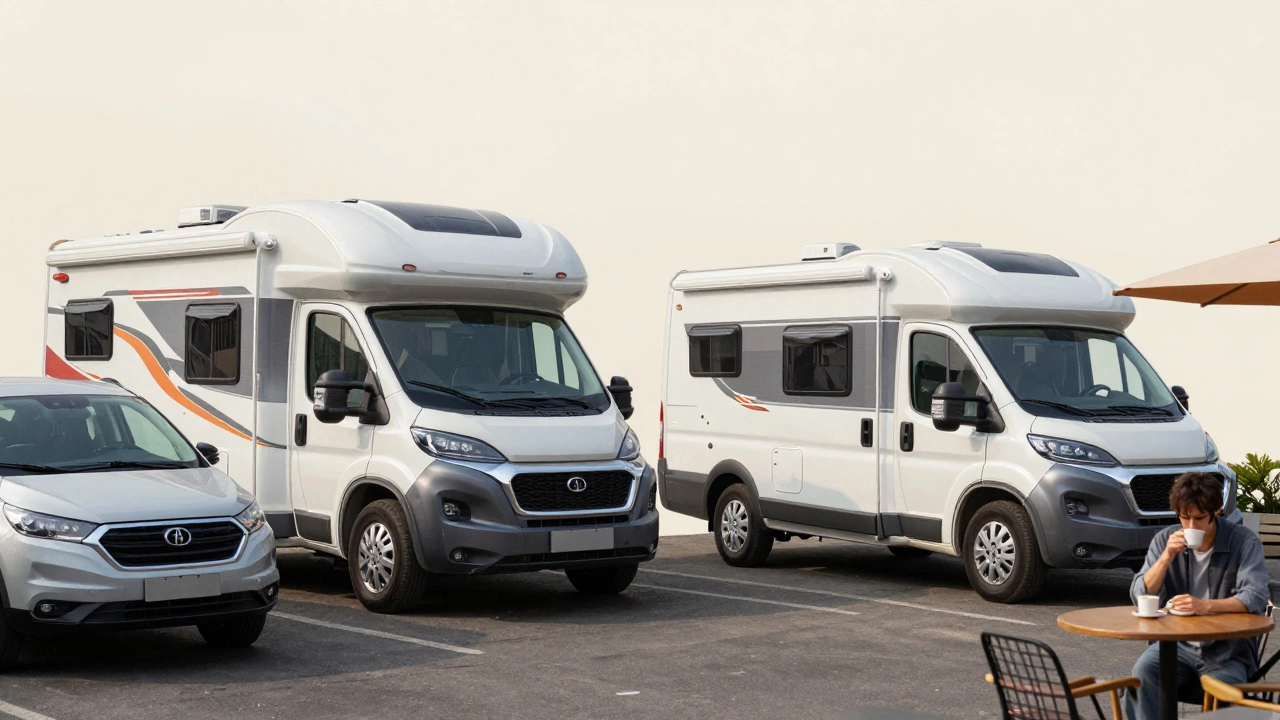
Many people compare Class B and Class C motorhomes. Here’s a quick breakdown:
| Feature | Class B Motorhome | Class C Motorhome |
|---|---|---|
| Base Vehicle | Van chassis (e.g., Ford Transit) | Truck chassis (e.g., Ford F-53) |
| Length | 17-22 feet | 21-30 feet |
| Height | 7-8 feet | 9-11 feet |
| Typical Sleeping Capacity | 2 (sometimes 3) | 4-6 |
| Fuel Economy | 18-22 mpg | 10-14 mpg |
| Driving Difficulty | Easy - like a van | Harder - larger turning radius |
| Rental Cost (weekly) | £800-£1,400 | £1,200-£2,500 |
| Best For | Adventure, budget trips, solo/couple travel | Families, long-term living, luxury features |
The biggest trade-off? Space vs. simplicity. Class C gives you more room and amenities - but it’s harder to drive, costs more, and limits where you can go. Class B gives you freedom to roam anywhere - and often, that’s what matters most.
What to Look for When Renting a Class B Motorhome
If you’re planning to rent one, here’s what to check before booking:
- Check the equipment list: Does it include cooking gear, bedding, towels, and a toilet? Some rentals charge extra for these.
- Ask about the battery and solar system: Make sure it can run the fridge and lights for at least two days without hookups.
- Look at the water tank capacity: A 30-liter freshwater tank is fine for two people for 3-4 days. Less than that, and you’ll need to refill often.
- Confirm the insurance policy: Some companies require a special RV license or charge extra for off-road driving.
- Read reviews from past renters: Look for comments on noise, comfort, and ease of use. Some vans have poor insulation or weak suspension.
Also, consider the season. In the UK, many rental companies offer discounts in autumn and spring. Summer is peak season - book early.
Where Can You Park a Class B Motorhome in the UK?
One of the biggest advantages of a Class B is that you can legally park and sleep in more places than larger RVs. In the UK, you can use:
- Designated motorhome sites: These are the safest option. Many are run by the AA or Camping and Caravanning Club.
- Service stations: Many motorway service stations allow overnight parking for motorhomes (check signage).
- Permitted wild camping spots: In Scotland, wild camping is legal with responsible practices. In England and Wales, you need landowner permission - but many farmers allow it for a small fee.
- Public car parks: Some towns allow overnight parking if you’re not causing a nuisance.
Apps like Park4Night and CamperMate help you find safe, legal spots with reviews from other travelers. Always follow Leave No Trace principles - pack out your trash, use portable toilets, and don’t stay more than 2-3 nights in one spot.
Final Thoughts: Is a Class B Right for You?
Class B motorhomes aren’t flashy. They don’t have king-size beds or walk-in showers. But they give you something rarer: freedom. The ability to wake up in a valley, drive to a beach at dawn, or stop for coffee in a village without worrying about parking. They’re the perfect tool for travelers who want to explore, not just transport.
If you’re new to motorhome hire, start with a Class B. It’s the easiest way to learn. You’ll make fewer mistakes, spend less money, and have more fun. And once you’ve tried it, you might never go back to a big rig again.
Is a Class B motorhome the same as a camper van?
Yes, they’re the same thing. "Class B motorhome" is the U.S. industry term. In Europe and the UK, people almost always say "camper van." Both refer to a motorhome built on a van chassis with integrated living space. The features, size, and usage are identical.
Can you live full-time in a Class B motorhome?
Yes - many people do. But it’s not for everyone. You’ll need to manage limited storage, water, and power. Most full-timers use solar panels, portable toilets, and external laundry services. It works well for digital nomads or retirees who travel slowly. But if you need a large kitchen, washer, or lots of storage, a larger RV or trailer might be better.
Do I need a special license to drive a Class B motorhome in the UK?
No. If you have a standard UK car license (Category B), you can drive any Class B motorhome. Most are under 3.5 tonnes. Some heavier models (over 3.5 tonnes) require a different license, but these are rare. Always check the vehicle’s gross vehicle weight (GVW) before renting.
Are Class B motorhomes good for winter travel?
They can be - but only if properly equipped. Look for models with double-glazed windows, insulated walls, and a diesel heater. Basic models may struggle in freezing temperatures. Always drain water tanks if you’re not using them, and never rely on a portable heater without proper ventilation.
How much does it cost to rent a Class B motorhome in the UK?
Weekly rentals range from £800 to £1,400, depending on the season, model, and rental company. Off-season (October-March) rates are lower. Premium models with extra features like solar panels or pop-up roofs can cost more. Always check what’s included - some companies charge extra for bedding, kitchen kits, or insurance.