Unusual Glamping Finder & Budget Estimator
Your Trip Estimate
Why this fits you:
*Prices are estimates based on average market rates mentioned in the article. Actual prices vary by season and provider.
Imagine waking up not to an alarm clock, but to the sound of waves lapping against a glass floor beneath your bed. Or perhaps you prefer the silence of a frozen landscape, where your hotel room is carved entirely from ice. These aren't scenes from a sci-fi movie; they are the new frontier of glamping. We have moved far beyond canvas tents with air mattresses. Today’s most unusual glamping experiences challenge our definition of shelter, blending high-end comfort with environments that would traditionally be considered hostile or inaccessible.
If you are tired of standard boutique hotels and want an experience that feels like a story you’ll tell for years, you need to look at the outliers. The market has exploded since 2024, driven by travelers seeking "revenge travel"-experiences so distinct they justify the cost and effort. Let’s explore the wildest places on Earth where luxury meets the bizarre.
Living Beneath the Waves: Underwater Accommodation
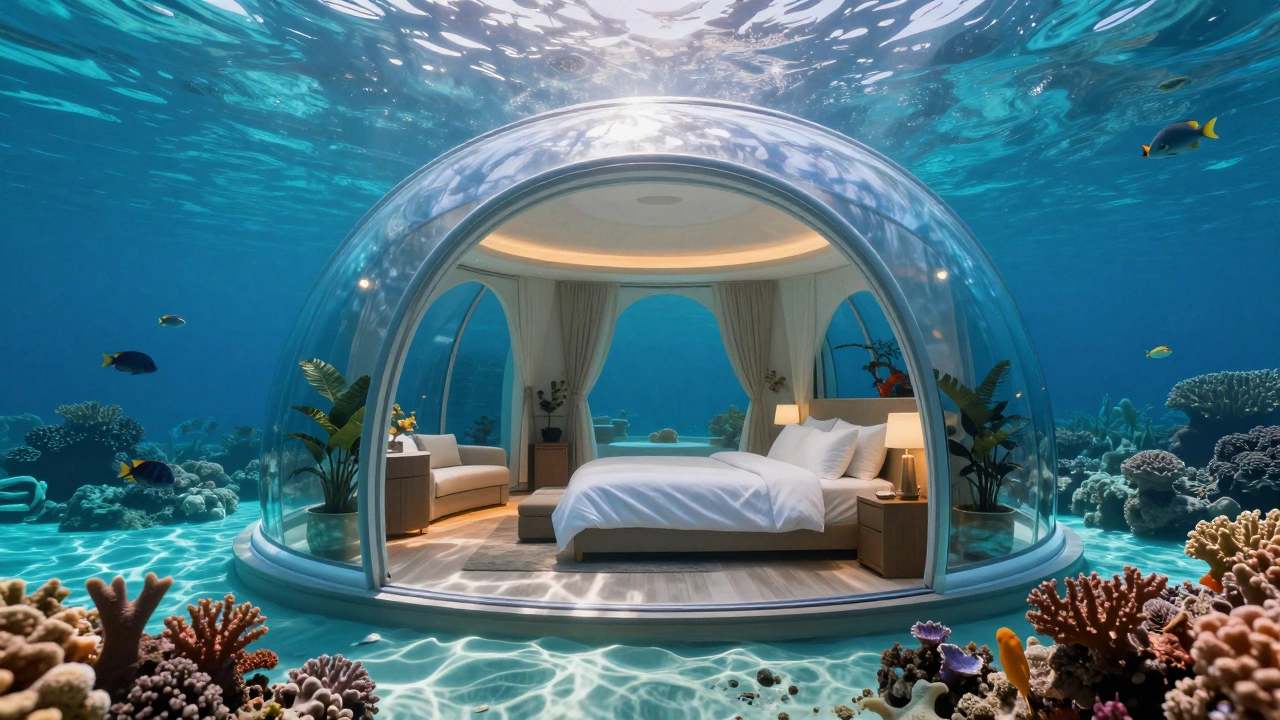
The ultimate barrier between humans and nature is the water itself. Breaking through that barrier creates a sense of isolation and wonder that land-based campsites simply cannot match. The most famous example remains the Conrad Maldives Rangali Island, which introduced the Muraka-a submerged villa connected to the surface by a spiral staircase. However, newer contenders are pushing this concept further.
In the Bahamas, the Atlantis Resort offers underwater suites that allow guests to sleep surrounded by marine life. But the real innovation lies in the technology. Modern underwater domes use reinforced acrylic panels capable of withstanding immense pressure while providing panoramic views. You aren't just looking out a window; you are immersed in the ecosystem. Fish swim past your bedroom; coral reefs become your backyard.
This type of stay requires significant infrastructure. Unlike a tent you can pitch anywhere, underwater glamping relies on complex engineering, oxygen supply systems, and strict safety protocols. It is expensive, often costing upwards of $50,000 per night for private villas, but it redefines what "camping" means. You are literally living in another world.
Is sleeping underwater safe?
Yes, when done at established resorts. These structures are built with military-grade acrylic and have multiple emergency exits, backup power supplies, and constant monitoring by staff. They are engineered to withstand extreme pressure and environmental changes.
The Frozen Frontier: Ice Hotels and Snow Igloos
While underwater stays deal with pressure, Arctic glamping deals with temperature. The Icehotel in Jukkasjärvi, Sweden, has been operating since 1989, rebuilding its structure every winter using snow and ice harvested from the Torne River. Each year, artists from around the world create new sculptures and rooms, making every stay unique.
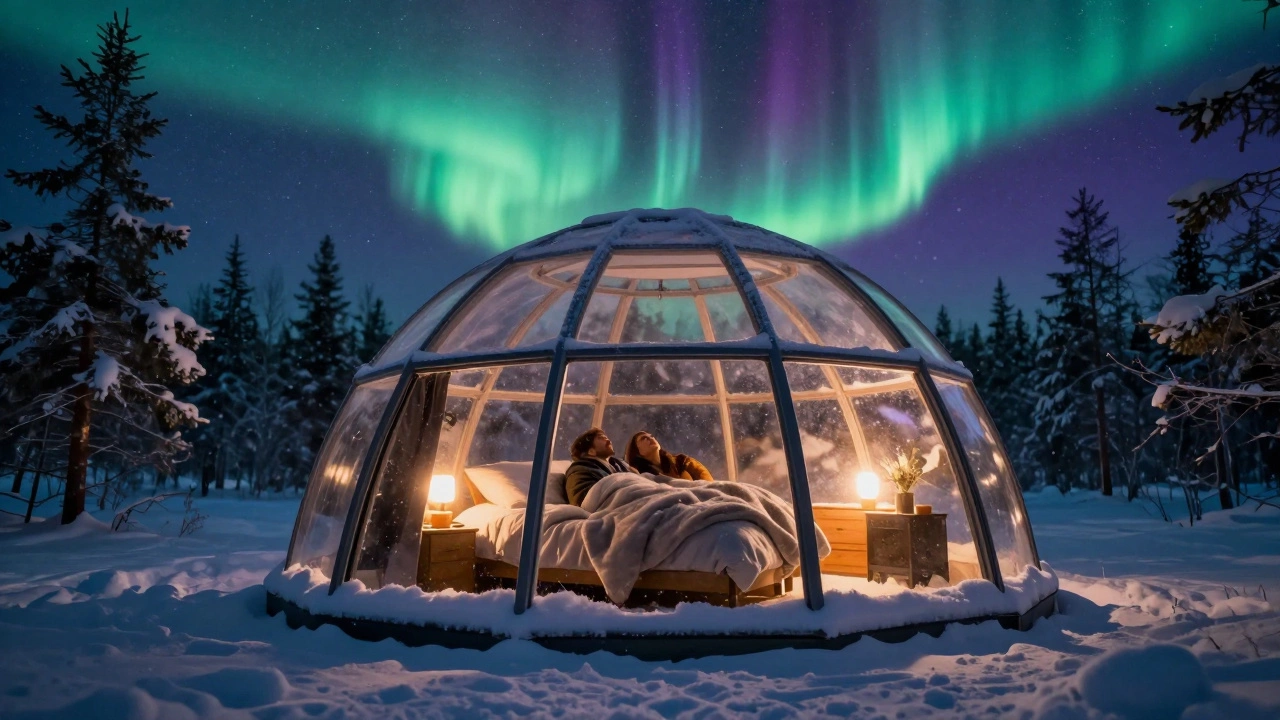
But it’s not just about cold. In Finland, the Kakslauttanen Arctic Resort offers glass igloos that sit directly under the Northern Lights. Here, the "unusual" aspect is the ceiling. Instead of walls blocking your view, you lie in a heated bed inside an insulated igloo and watch auroras dance above you without leaving your pajamas. This combines thermal comfort with raw exposure to the elements.
Recent innovations include heated floors and specialized sleeping bags rated for -30°C (-22°F). The appeal isn't suffering; it's the contrast. You feel the crisp air on your skin during daytime excursions (dog sledding, husky tours) and retreat into a warm, luxurious cocoon at night. It’s a sensory experience that sharpens your appreciation for warmth and light.
Suspended in Nature: Treehouses and Sky Pods
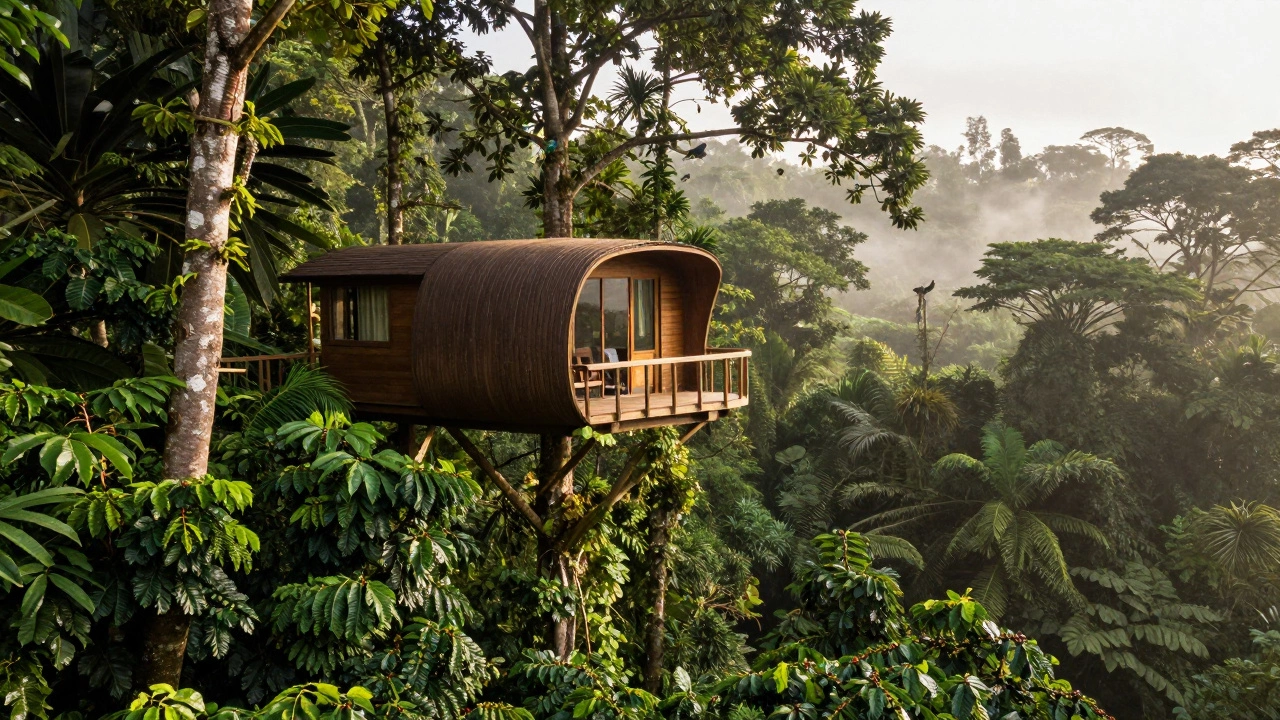
Going up instead of down offers a different perspective. Treehouse glamping has evolved from rustic wooden platforms to architectural marvels. In Costa Rica, the Finca Rosa Blanca Coffee Plantation & Inn features treehouses nestled among coffee plants, offering privacy and birdwatching opportunities from your balcony.
More extreme examples exist in Japan, where the Tree Top Villas in Nagano are suspended high in the canopy, accessible only by elevator. These structures are designed to minimize impact on the trees, using flexible joints that sway with the wind. You hear the forest breathe. At night, the darkness is absolute, broken only by stars and occasional wildlife movement.
The psychological effect of elevation is profound. Many guests report reduced stress levels because they are physically removed from ground-level distractions. There are no neighbors knocking on doors; there are no cars driving by. Just wind, leaves, and sky. This form of glamping appeals to those seeking digital detoxes and mental clarity.
Desert Mirages: Luxury in Arid Landscapes
Deserts were once seen as places to avoid. Now, they are prime real estate for experiential tourism. In Dubai, the Desert Camps offer Bedouin-style tents with king-sized beds, en-suite bathrooms, and gourmet dining under the stars. But the truly unusual option is the floating camp in Wadi Rum, Jordan.
Here, luxury tents are set up on sand dunes that shift overnight. Your view changes daily. Some camps even offer camel rides to reach secluded spots where cell service doesn’t exist. The heat during the day is intense, requiring shaded lounges and cooling systems, but the nights drop dramatically, creating perfect conditions for stargazing.
New developments in Morocco include desert lodges made from local stone and clay, blending seamlessly into the Atlas Mountains. These aren't temporary setups; they are permanent structures designed to look ancient. They offer a cultural immersion that standard hotels miss. You eat tagine cooked over open fires, listen to Gnawa music, and sleep in silence.
Abandoned Spaces: Industrial Chic Glamping
Not all unusual glamping happens in nature. Some of the most striking accommodations repurpose industrial ruins. In Berlin, former factory buildings have been converted into loft-style camping pods. In Detroit, old warehouses now house micro-hotels with exposed brick and steel beams.
This trend, known as "urban glamping," attracts younger travelers who value aesthetics and location over traditional scenery. You get the adventure of sleeping in a non-traditional space without traveling hours from the city center. Breakfast might be delivered by drone (yes, this is happening in select locations), and your "nature walk" is a stroll through vibrant street art districts.
The key here is design. These spaces must balance ruggedness with comfort. Think leather sofas next to rusted machinery, modern lighting in crumbling concrete halls. It’s a visual statement. For creatives and photographers, these locations provide endless inspiration. You’re not just staying somewhere; you’re part of an art installation.
Comparison of Unusual Glamping Types
| Type | Location Example | Avg. Cost/Night | Best For | Unique Feature |
|---|---|---|---|---|
| Underwater Villa | Maldives, Bahamas | $5,000 - $50,000+ | Honeymooners, Tech Enthusiasts | 360° Marine Views |
| Ice Hotel Room | Sweden, Canada | $300 - $800 | Adventure Seekers, Cold Weather Lovers | Artistic Ice Sculptures |
| Glass Igloo | Finland, Norway | $400 - $1,200 | Aurora Chasers, Couples | Northern Lights Viewing |
| Treehouse Suite | Costa Rica, Japan | $200 - $600 | Digital Detoxers, Nature Lovers | Elevated Privacy |
| Desert Luxury Tent | Jordan, Morocco | $150 - $500 | Cultural Explorers, Stargazers | Stark Landscape Contrast |
How to Choose Your Next Unusual Stay
Selecting the right unusual glamping spot depends on your tolerance for discomfort versus desire for novelty. Ask yourself: Do I want to be isolated or connected? Underwater and treehouse stays offer maximum isolation. Urban industrial glamping keeps you close to amenities.
Consider the season. Ice hotels are only available from December to April. Desert camps are best in spring and autumn. Treehouses work year-round but may be less comfortable in heavy rain or extreme heat unless fully enclosed and climate-controlled.
Budget is also a major factor. While some treehouses and desert tents are affordable, underwater and high-altitude options command premium prices. Look for packages that include activities. A $500 night becomes better value if it includes guided snorkeling, dog sledding, or cooking classes.
Future Trends: What’s Next?
The industry is moving toward sustainability and integration. Expect more biodegradable materials, solar-powered remote cabins, and AI-driven personalized experiences. Imagine a glamping pod that adjusts its temperature, lighting, and entertainment based on your biometric data. Or modular units that can be assembled anywhere in 24 hours, allowing you to "camp" in previously inaccessible areas like mountain peaks or island shores.
We are also seeing a rise in "silent retreats" combined with unusual architecture. Monastic-style treehouses or soundproofed desert domes designed for meditation. As noise pollution increases globally, quiet becomes a luxury commodity. Unusual glamping will increasingly sell peace, not just views.
What should I pack for unusual glamping?
It depends on the location. For ice hotels, bring thermal layers and waterproof boots. For underwater stays, swimwear and waterproof cameras are essential. For treehouses, insect repellent and sturdy shoes. Always check with the provider-they usually specify required gear.
Are unusual glamping sites eco-friendly?
Many strive to be, but it varies. Look for certifications like Green Globe or EarthCheck. Ice hotels use natural materials. Treehouses often have minimal footprint. However, underwater structures require significant energy for life support. Research each site’s sustainability practices before booking.
Can I book unusual glamping last minute?
Rarely. High-demand unique stays like underwater villas or glass igloos during aurora season book out months or even years in advance. Plan early. If you need flexibility, consider urban industrial glamping or larger desert camps, which may have more availability.
Is unusual glamping suitable for families?
Some options are family-friendly. Treehouses and desert camps often welcome children and offer educational activities. Ice hotels can be challenging for young kids due to cold. Underwater stays are generally restricted to adults due to safety and cost. Always verify age policies.
What insurance do I need for unusual glamping?
Standard travel insurance may not cover extreme activities or unique accommodations. Check if your policy includes adventure sports (like dog sledding) and high-value items (like camera gear for underwater shots). Consider specialized adventure travel insurance for comprehensive coverage.