Beach Hut Sleepability Calculator
Assess Your Situation
Result
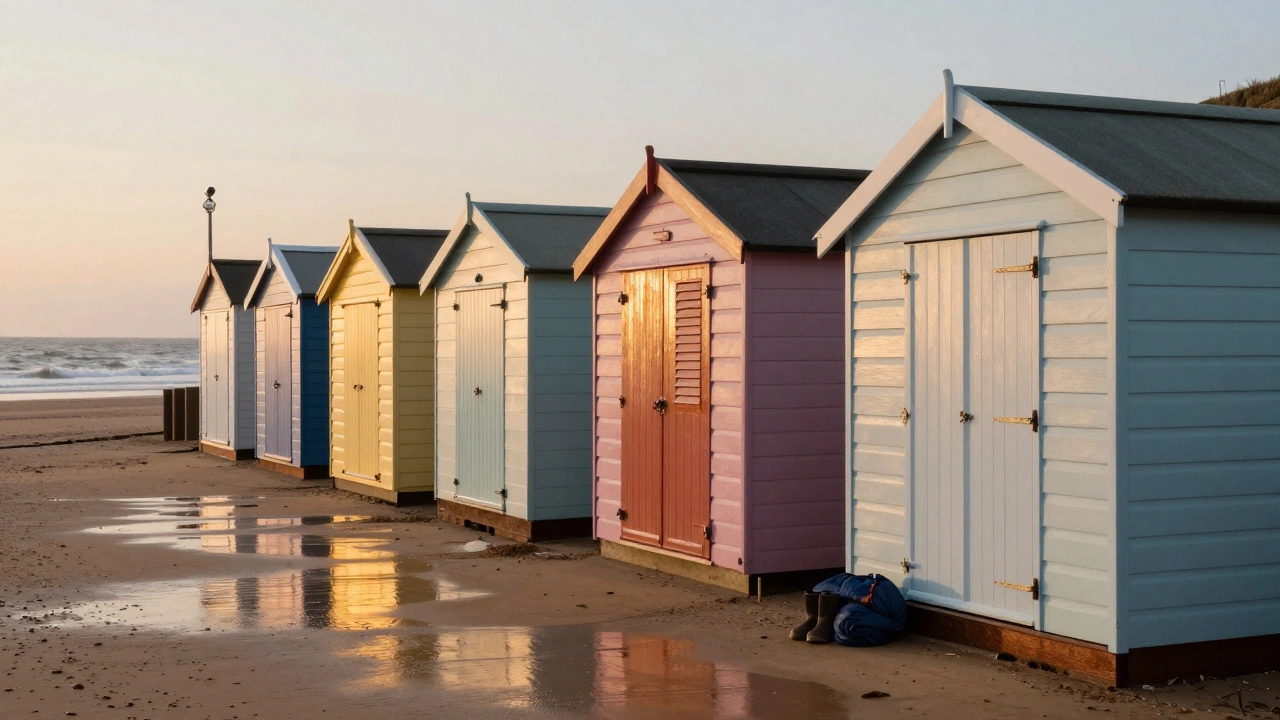
You’ve seen them-colorful little beach huts lining the shore, painted in pastels, with tiny windows and wooden shutters. They look like something out of a postcard. And when you’re tired after a long walk along the coast, it’s tempting to think: can I just sleep in one? The answer isn’t simple. It’s not illegal everywhere, but it’s almost never allowed without permission-and even then, it’s rarely practical.
Beach huts aren’t public shelters
Most beach huts in the UK are privately rented. They’re owned by local councils, private landlords, or beach hut associations. People pay hundreds or even thousands of pounds a year to keep them. Some have been in the same family for decades. These aren’t emergency shelters or public rest areas. They’re personal storage spaces, sometimes used for changing clothes or keeping snacks. Sleeping inside them? That’s not what they’re for.
Try to sneak in after dark, and you’ll likely be woken up by a furious owner, a security guard, or a council officer. In places like Brighton, Cromer, or Bournemouth, beach huts are monitored. Some even have locks, cameras, or motion sensors. Trespassing isn’t just rude-it can lead to fines or even a criminal record.
What does the law actually say?
There’s no single law that says, "You cannot sleep in a beach hut." But there are plenty of rules that make it impossible. Most beach huts sit on land owned by the council or the Crown Estate. The land is leased under strict terms that forbid overnight stays. Violating those terms is a breach of contract, not necessarily a crime-but it’s still enforceable.
Plus, most coastal areas fall under local bylaws that prohibit camping without permission. Even if you’re not technically "camping"-just lying down inside a hut-it can still be treated as unauthorized overnight occupation. In 2023, a man in Norfolk was fined £250 after sleeping in a beach hut for two nights. He claimed he was "just resting," but the court ruled it was camping.
Wild camping rules don’t apply here
You’ve probably heard that wild camping is legal in Scotland, or tolerated in parts of the Lake District. That doesn’t extend to beach huts. Wild camping means pitching a tent on open land, away from buildings and roads. Beach huts are built structures, often right next to public footpaths and parking lots. They’re not remote. They’re not wilderness. They’re urbanized coastal real estate.
Even in Scotland, where wild camping is legal under the Land Reform Act, sleeping in a beach hut isn’t covered. The law allows you to camp on unenclosed land, but not inside someone else’s property-especially not a structure you didn’t build or rent.
What happens if you get caught?
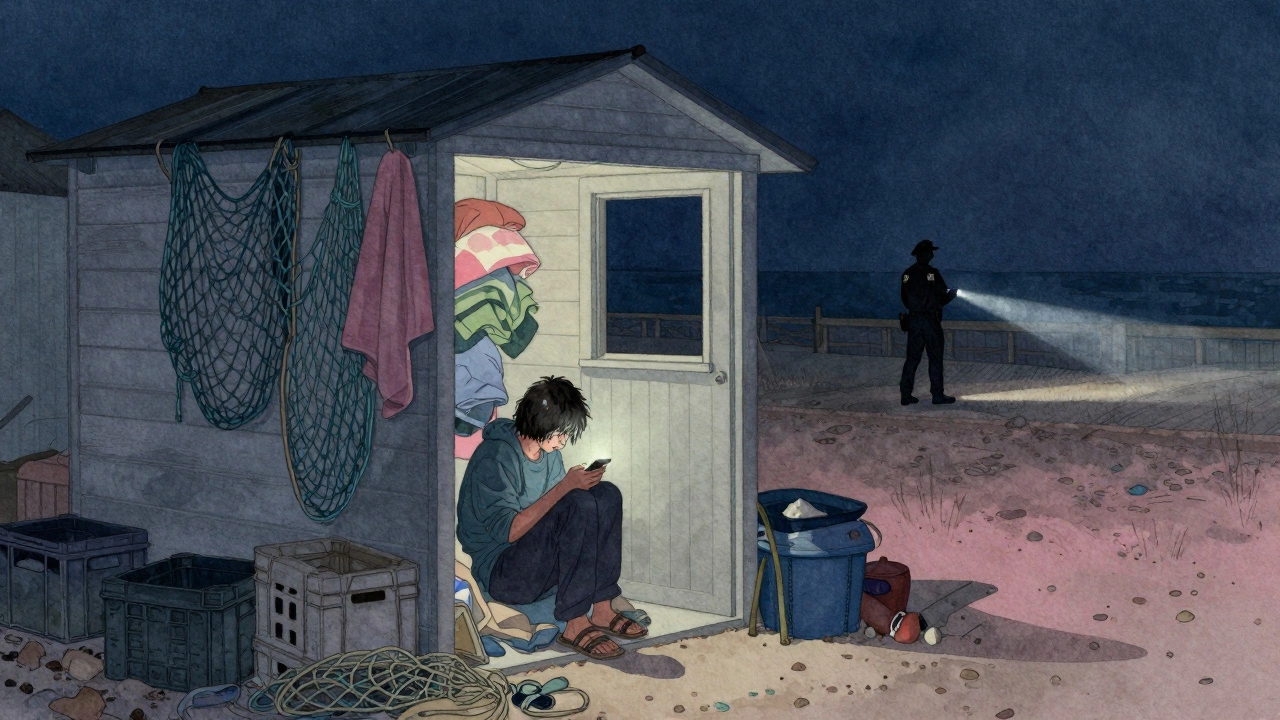
Most of the time, you’ll be asked to leave. No ticket. No arrest. Just a firm warning. But if you refuse, or if you’ve done it before, things get serious. Local councils can issue fixed penalty notices under the Public Order Act or local bylaws. Fines range from £50 to £500 depending on the area.
In some places, like the Isle of Wight or Cornwall, beach hut owners have teamed up with police to patrol at night. They use drones and thermal cameras. One couple in Devon was caught on camera sleeping in a hut in January 2025. They were banned from the beach for a year and had to pay £300 in repair costs after leaving a mattress behind.
What are your real options?
If you want to sleep near the beach, you have better choices.
- **Designated campsites**-Many coastal spots have affordable, clean sites with showers and toilets. Places like Bournemouth Beach Caravan Park or Camber Sands Holiday Park let you pitch a tent right next to the water.
- **Wild camping legally**-In parts of Northumberland, the Isle of Arran, or the Pembrokeshire Coast, you can camp on the dunes if you follow Leave No Trace rules. Check with local ranger offices first.
- **Beach huts you can rent**-A few places, like Whitby and St Ives, let you book beach huts for overnight stays. These aren’t cheap-£100+ per night-but they’re legal, safe, and come with heating and electricity.
- **Bunkhouses and hostels**-Many coastal towns have budget lodgings under £40 a night. You’ll get a bed, hot water, and a warm breakfast.
Why do people still try it?
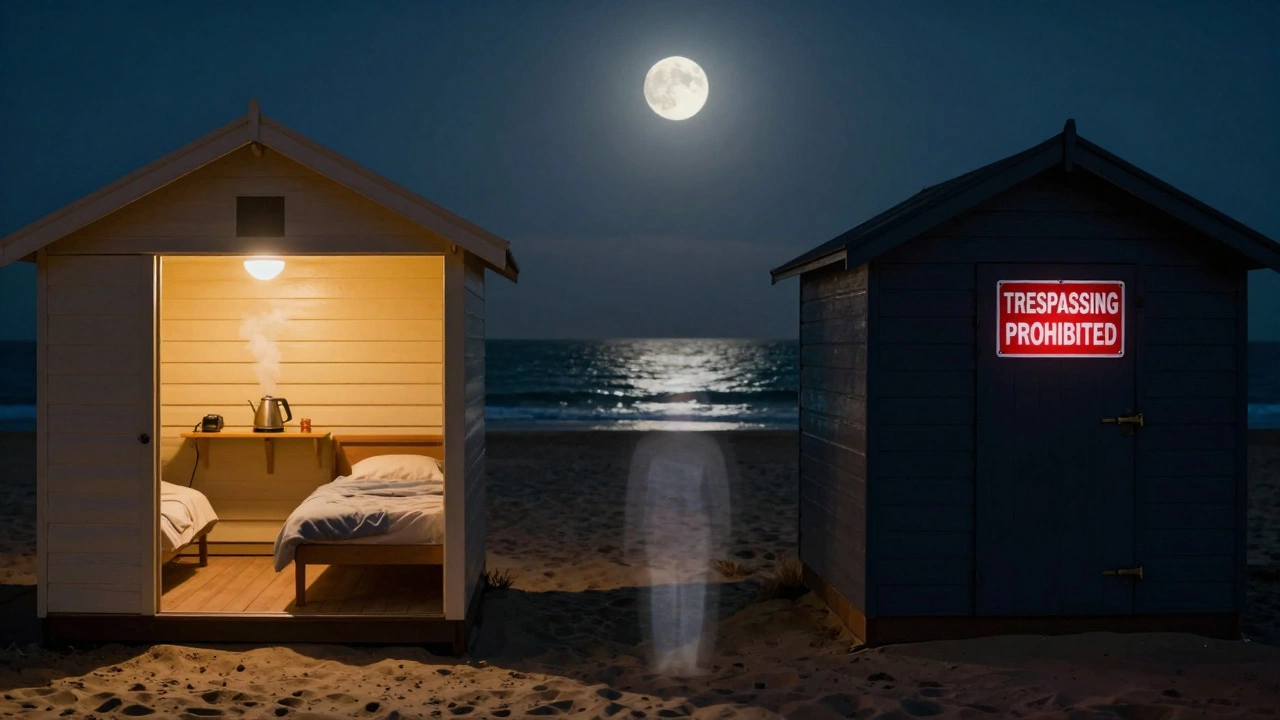
It’s the romance of it. The idea of waking up to the sound of waves, inside a little painted box, with the sea just outside your door. It feels like freedom. Like a secret. But the reality is messier. Beach huts are often damp, cramped, and full of sand. No running water. No toilet. No heating. You’re not sleeping in luxury-you’re sleeping in a storage shed with a roof.
And the risk isn’t worth it. One night in a beach hut could cost you a fine, a ban, or a criminal record. You’re not breaking any major law-but you’re breaking the social contract. These huts belong to people who pay to keep them. They’re not yours to use.
What if you’re in an emergency?
If you’re lost, injured, or caught in bad weather, your safety comes first. If you need to shelter in a beach hut to survive, do it. The law doesn’t punish people for survival. But as soon as you’re safe, leave. Call 999. Contact the coastguard. Don’t stay longer than necessary.
There are emergency shelters along some coasts-like the RNLI lifeboat stations or coastguard huts. They’re not for tourists, but they’re there for a reason. Use them if you have to.
Final rule: Respect the space
The UK’s coastline is beautiful, but it’s not free for the taking. Beach huts are part of a long tradition of local ownership and community use. They’re not abandoned buildings. They’re not public property. They’re someone’s little slice of seaside joy.
If you want to sleep by the sea, do it the right way. Pitch a tent on a licensed site. Book a bunk. Sleep under the stars on a dune where it’s allowed. There are plenty of legal, safe, and rewarding ways to experience the coast without stepping over a line.
Beach huts are for daydreams-not overnight stays. Respect that. The sea will still be there tomorrow. So will the huts. And the people who own them.
Can you legally sleep in a beach hut in the UK?
No, you cannot legally sleep in a beach hut in the UK unless you have explicit permission from the owner or the local authority. Most beach huts are privately rented and strictly for daytime use. Overnight stays are prohibited under lease agreements and local bylaws, and can result in fines or bans.
Are there any beach huts you can rent to sleep in?
Yes, but only in a few places. Locations like Whitby, St Ives, and some parts of the Isle of Wight offer beach huts for overnight hire through official booking systems. These are fully equipped with heating, electricity, and sometimes even beds. Prices start around £100 per night and must be booked in advance.
What’s the penalty for sleeping in a beach hut?
Penalties vary by location but typically include a fixed penalty notice of £50-£500. In repeat cases or if damage is caused, you could face a court summons, a criminal record, or a ban from the beach. Some councils also charge for cleanup or repairs if you leave gear behind.
Is wild camping allowed on beaches in the UK?
Wild camping is generally not allowed on beaches unless it’s on unenclosed land and you’re away from buildings, roads, and private property. Even then, it’s only tolerated in certain areas like parts of Northumberland or the Scottish Highlands. Beaches with huts, car parks, or lifeguard stations are almost always off-limits.
Why are beach huts so tightly controlled?
Beach huts are often rented for long periods at high cost, sometimes passed down through generations. They’re part of local heritage and community identity. Allowing random overnight stays would destroy their value, create safety and hygiene issues, and upset the people who pay to use them. Councils protect them to preserve this tradition.
If you’re planning a coastal trip, skip the temptation of the hut. Find a proper campsite, book a bunk, or sleep under the stars where it’s allowed. The sea doesn’t care how you get there-but the people who live there do.