UK Beach Camping Legal Checker
Picture this: you’ve driven all day, your tent is packed, and you spot a perfect stretch of sand at low tide. It’s quiet, it’s beautiful, and it looks like the ideal place to crash for the night. Before you unzip that bag, stop. In the United Kingdom, the answer to "can I sleep on the beach" isn't a simple yes or no. It depends entirely on which side of the border you are standing on.
If you are in Scotland, you might be golden. If you are in England, Wales, or Northern Ireland, you are likely breaking the law. The confusion comes from a patchwork of ancient rights, modern statutes, and local council bylaws that vary wildly across the country. Sleeping on the wrong patch of sand can lead to fines, eviction, or being banned from an area entirely. Let’s break down exactly where you can pitch, where you must avoid, and how to find legal spots that feel just as wild.
The Scottish Exception: The Right to Roam
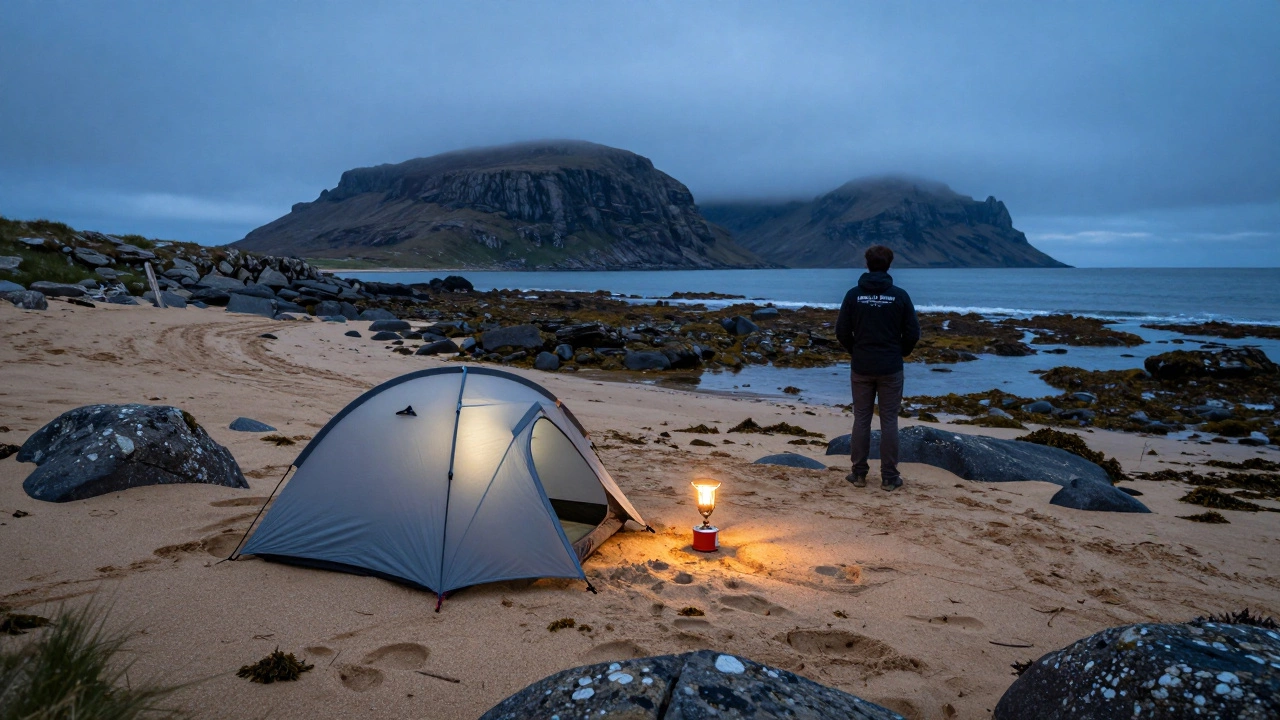
Scotland is the outlier here. Thanks to the Land Reform (Scotland) Act 2003, residents and visitors alike enjoy the "Right to Roam." This legislation grants public access to most land and inland water, including many beaches, for non-motorized recreation.
This means you can legally camp on many Scottish beaches, provided you follow the Scottish Outdoor Access Code. However, "legal" doesn’t mean "unrestricted." You cannot set up anywhere. You must avoid private gardens, areas marked with clear signs prohibiting camping, and sites near houses where privacy would be compromised. Furthermore, you should not stay in one place for more than two or three nights, and you must leave no trace. Burning fires on the beach is generally prohibited due to erosion risks and fire hazards, so bring a portable stove instead.
Popular spots like those around the Isle of Skye or the Outer Hebrides see heavy use. While the law supports your right to be there, respect is key. If locals complain about noise or mess, rangers or police can ask you to move. The goal is sustainable access, not entitlement.
England, Wales, and Northern Ireland: Generally No
Cross the border into England, Wales, or Northern Ireland, and the rules change drastically. There is no general right to roam over private land or most public open spaces for the purpose of overnight camping.
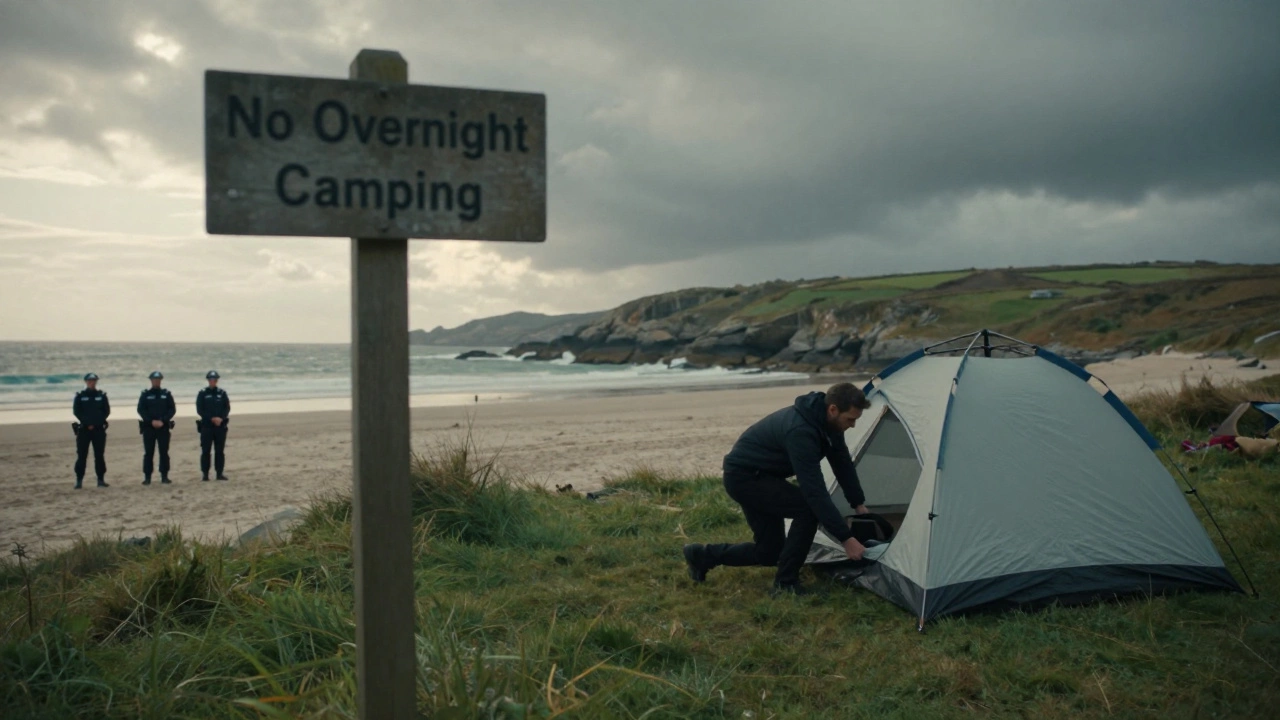
- England: Most beaches are owned by local councils, private landlords, or conservation trusts. Sleeping on the sand without permission is considered trespassing. While police rarely arrest peaceful campers immediately, they have the authority to order you to leave under the Anti-social Behaviour, Crime and Policing Act 2014. Many coastal towns have specific bylaws banning tents after dark to protect tourism revenue and prevent littering.
- Wales: Similar to England, but with stricter enforcement in protected landscapes like Snowdonia National Park. Coastal paths are for walking, not sleeping. Local authorities actively patrol popular beaches during summer months.
- Northern Ireland: Trespass laws apply strictly. Unauthorized camping on beaches can result in immediate removal and potential fines.
You might hear stories of people sleeping in their cars on beach car parks. Be careful. Many coastal car parks have explicit signage stating "No Overnight Parking" or "Tow Away Zone." Councils enforce these rigorously to keep spaces available for day-trippers. Getting towed from a cliffside car park is an expensive lesson in reading signs.
Why Do These Restrictions Exist?
It’s easy to view these laws as bureaucratic hurdles, but there are practical reasons behind them. First, environmental protection. Coastal ecosystems are fragile. Trampling dunes destroys plant life that holds the sand together, leading to erosion. Litter left by campers harms marine life. Second, safety. Beaches can experience rapid tide changes. Someone who falls asleep on the sand without checking tidal charts can be stranded or worse. Third, community relations. Residents in coastal villages often rely on tourism. Unregulated camping can lead to conflicts over noise, waste disposal, and perceived loss of control over public spaces.
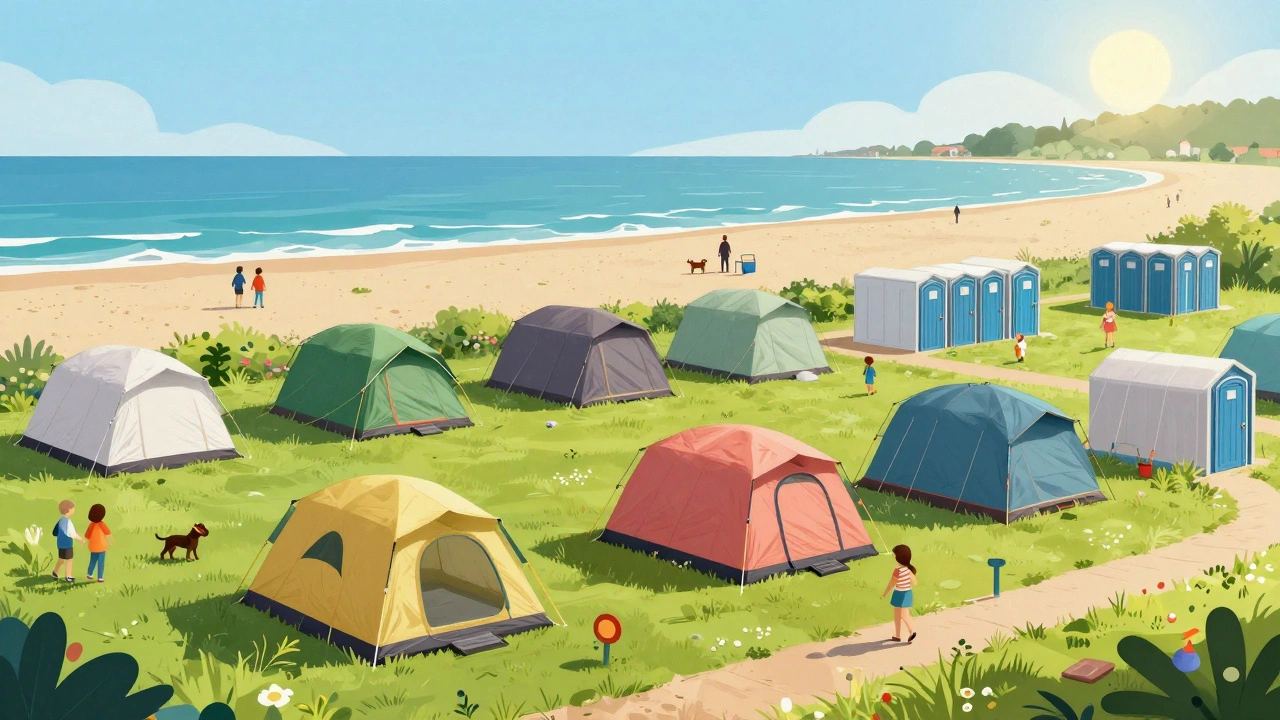
Understanding these factors helps explain why designated campsites exist. They provide infrastructure-toilets, water, waste bins-that minimizes environmental impact while allowing people to enjoy the outdoors safely.
Legal Alternatives: Where to Actually Sleep
Just because you can’t pitch randomly on the sand doesn’t mean you’re stuck in a hotel. The UK has a thriving network of legal options that offer the same seaside vibe.
Designated Beach Campsites
These are your best bet. Sites like Camping and Caravanning Club (CCC) locations or independent family-run sites often sit right on the shoreline. You get electricity hookups, hot showers, and sometimes even beach huts. Prices range from £15 to £30 per night depending on the season and facilities. Booking ahead is essential in July and August.
Wild Camping in Designated Zones
Some national parks in England and Wales allow limited wild camping away from the coast. For example, parts of the Lake District or Exmoor permit discreet pitching if you follow strict guidelines. Check with the National Park Authority before going. Always pitch above the tree line, away from roads, and never within sight of houses.
Glamping and Yurts
If you want the beach experience without the legal risk, consider glamping. Companies like Green Door Campsite or local yurt providers offer pre-pitched accommodations. You pay more, but you gain peace of mind and comfort. Many include breakfast and guided activities.
| Option | Legality | Cost Range (Per Night) | Facilities | Best For |
|---|---|---|---|---|
| Wild Camping (Scotland) | Legal (with conditions) | Free | None | Budget travelers, experienced campers |
| Wild Camping (England/Wales) | Illegal/Trespass | Risk of Fines | None | Not recommended |
| Beach Campsite | Legal | £15 - £35 | Toilets, Water, Electricity | Families, first-timers |
| Glamping/Yurt | Legal | £50 - £150+ | Furnished, Heating, Wi-Fi | Luxury seekers, couples |
| Car Parking (Overnight) | Varies (Often Illegal) | £5 - £15 (Parking fee) | None | Van lifers (check signs!) |
How to Find Safe and Legal Spots
Don’t guess. Use resources. Apps like Pitchup.com or Camping UK let you filter by "beachfront" and read reviews. Look for mentions of "quiet," "tidal warnings," and "clean toilets." Local council websites also publish lists of authorized camping areas. In Scotland, consult the Scottish Natural Heritage map for access points.
Always check tidal tables. A spot that looks dry at noon might be underwater at midnight. Bring a headlamp with extra batteries. And remember, just because someone else did it last year doesn’t mean it’s still allowed. Bylaws change frequently.
Practical Tips for Responsible Coastal Camping
- Leave No Trace: Take everything you bring. Pack out all trash, including biodegradable items like fruit peels, which attract pests.
- No Fires: Use a gas stove. Open fires damage sand and are illegal on most beaches.
- Respect Wildlife: Keep distance from nesting birds or seals. Disturbing them is a criminal offense under the Wildlife and Countryside Act 1981.
- Check Weather: Coastal winds can tear down tents. Stake securely or use sandbags.
- Be Discreet: Even where allowed, pitch out of sight of homes and roads. Set up late, leave early.
What Happens If You Get Caught?
In England and Wales, if approached by police or council officers, cooperate politely. Ask for identification. If ordered to move, comply immediately. Arguing escalates situations. Repeat offenses can lead to fixed penalty notices (£60-£100) or bans from entering certain boroughs. In severe cases, vehicles can be impounded. It’s not worth the stress or cost.
In Scotland, enforcement is softer but still possible. Rangers may issue verbal warnings. Persistent nuisance behavior can lead to exclusion zones being created around specific beaches.
Final Thoughts on Coastal Slumber
Sleeping on the beach in the UK is a nuanced topic. Scotland offers freedom with responsibility. England, Wales, and Northern Ireland require planning and payment. The beauty of the British coastline is accessible, but only if you respect the laws that protect it. Choose a designated site, embrace the culture of responsible outdoor living, and you’ll enjoy the sea breeze without the legal headache.
Is it illegal to sleep on the beach in Cornwall?
Yes, generally. Cornwall is in England, where wild camping on beaches is considered trespassing unless you have explicit permission from the landowner or are in a designated campsite. Many Cornish beaches have bylaws prohibiting overnight stays to protect the environment and local communities.
Can I wild camp on any beach in Scotland?
Not any beach. While the Right to Roam allows access, you must avoid private property, areas with clear "no camping" signs, and places near houses. You must also leave no trace, avoid fires, and limit your stay to 2-3 nights. Some popular beaches have temporary restrictions during peak seasons or wildlife breeding periods.
What is the fine for illegal beach camping in England?
Fines vary by local council but typically range from £60 to £100 via a Fixed Penalty Notice. In serious cases involving repeated offenses or significant disturbance, higher fines or court action may occur. Police can also order you to leave immediately.
Are there free campsites on UK beaches?
True free campsites are rare and usually only exist in Scotland under the Right to Roam. In England and Wales, almost all legal beach camping requires a fee. Beware of unofficial "free" spots; they are often illegal and risky. Some car parks allow overnight stays for a small parking fee, but always check signage first.
Can I build a fire on the beach in the UK?
No, building open fires on beaches is widely prohibited across the UK due to fire hazards, erosion damage, and litter concerns. Even in Scotland, where wild camping is legal, the Scottish Outdoor Access Code explicitly discourages fires on sandy shores. Use a portable gas stove for cooking instead.
Do I need a permit to camp on the beach in Wales?
You do not need a permit for designated campsites, but you must book in advance. For wild camping, permits are not issued because it is generally illegal on beaches. Some national parks may offer limited wild camping licenses, but these rarely cover coastal areas. Always stick to authorized sites.
Is it safe to sleep in my car on a UK beach car park?
It depends on the specific car park. Many coastal car parks prohibit overnight parking to prioritize day visitors. Signs will clearly state "No Overnight Parking" or "Tow Away Zone." Ignoring these can result in towing fees exceeding £100. Look for designated van stops or campsites that allow vehicle overnight stays.
What are the best apps to find legal beach campsites?
Pitchup.com, Camping and Caravanning Club (CCC) app, and Wildernet are excellent resources. They list verified sites, user reviews, and availability. Filter by "beachfront" and check recent comments for tips on tides, facilities, and noise levels. Always book directly through official channels when possible.