Wild Camping Legality: Where It’s Allowed, Forbidden, and Risky in the UK
When you hear wild camping legality, the rules around sleeping outdoors without permission on land that isn’t a licensed campsite. Also known as free camping, it’s not about being reckless—it’s about knowing where the line is drawn between freedom and fines. In the UK, this isn’t one rule. It’s three different systems: one in Scotland, another in England, and a third in Wales. And they don’t talk to each other.
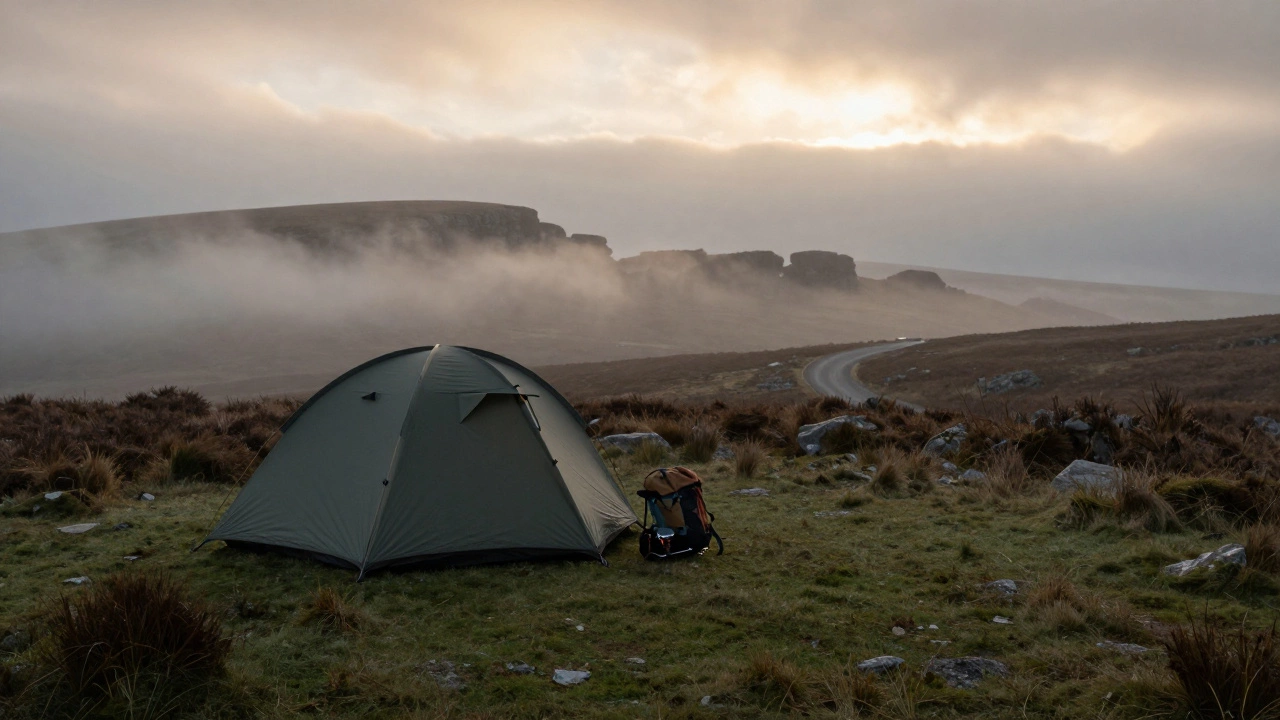
Wild camping Scotland, a legal right under the Land Reform (Scotland) Act 2003, as long as you follow the Scottish Outdoor Access Code. You can pitch a tent near a loch, sleep under stars in the Highlands, and leave no trace. No permit. No fee. Just common sense: stay small, stay quiet, move on after a night. But in wild camping England, it’s mostly illegal unless you have landowner permission. Same goes for wild camping Wales, where the law is even stricter, with few exceptions like parts of the Brecon Beacons. Yet people still do it. Quietly. Responsibly. Because the pull of the open sky is strong.
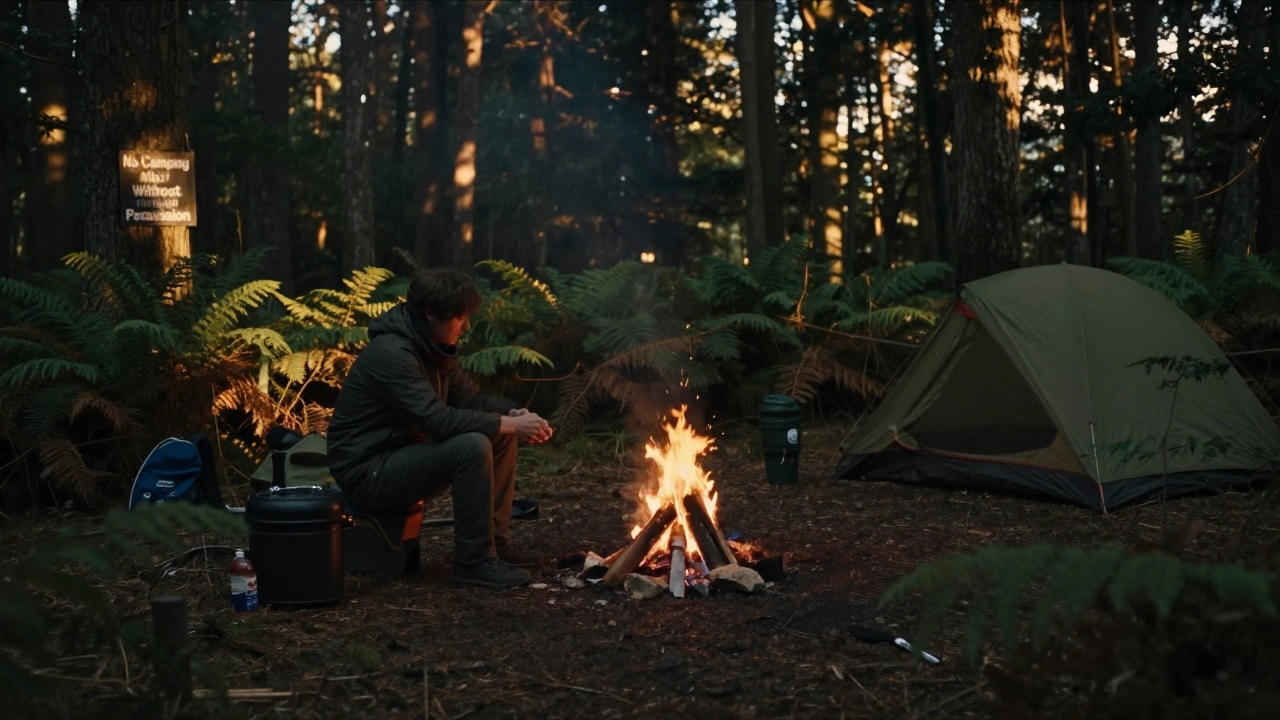
What’s the real risk? Getting fined isn’t the biggest worry. It’s being labeled a nuisance. Landowners can call the police if you’re camping near a farmhouse, blocking a path, or leaving trash. The Countryside Code isn’t a suggestion—it’s your lifeline. Pitch late, leave early. Pack out everything. Don’t light fires unless you’re sure it’s allowed. And never camp on private land without asking. There’s a difference between breaking the law and breaking trust.
You’ll find posts here that break down exactly where you can camp legally—like Dartmoor’s rare exceptions, or the quiet corners of the Lake District where locals turn a blind eye. Others show you how to handle a toilet without offending a farmer, or how to choose a spot that won’t get you chased off at dawn. There are guides on gear, safety, and ethics. No fluff. No myths. Just what works for real people who want to sleep under the stars without a permit.