Wild Camping & Forest Living Legal Guide
Check Your Forest Living Legality
Select your country and activity to see legal status and consequences
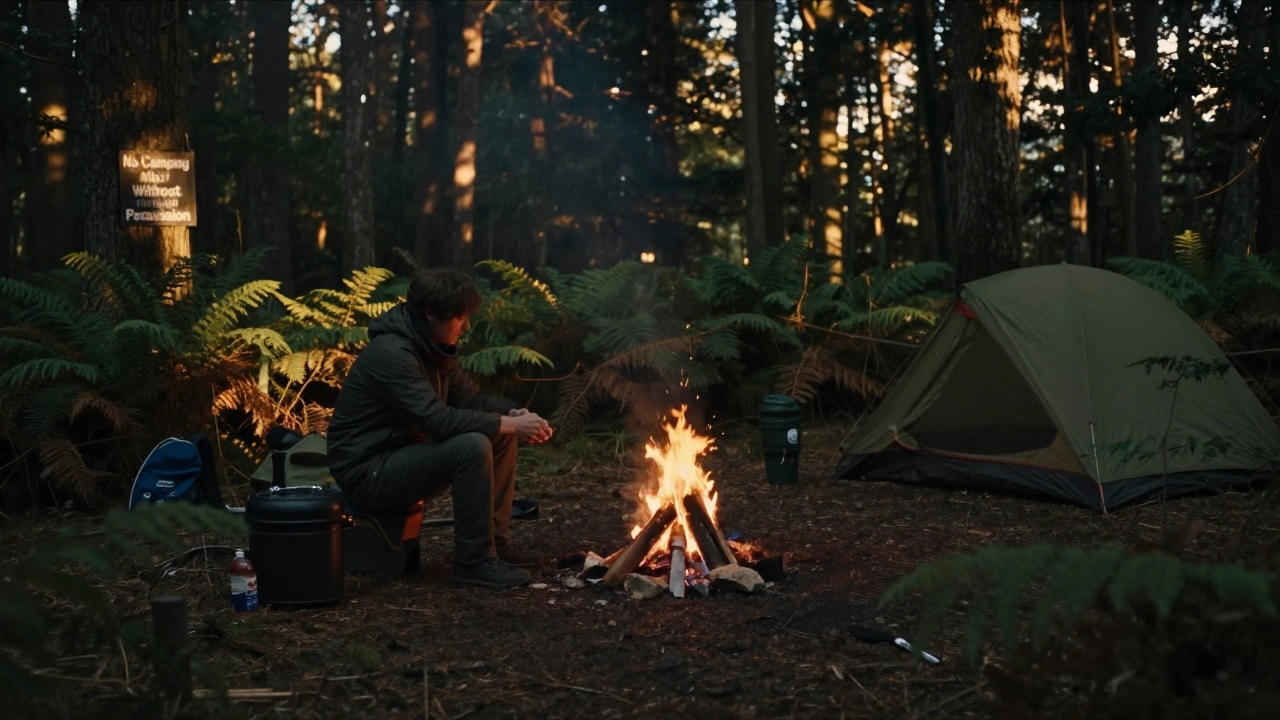
You see it on social media: someone living alone in a forest, cooking over a fire, sleeping under the stars, claiming they just decided to live off-grid. It looks peaceful. It looks free. But here’s the truth: you can’t just go live in the woods without breaking the law in most places - and if you do, you could face fines, eviction, or worse.
It’s not about being anti-adventure. It’s about understanding the rules that actually exist. Whether you’re dreaming of a cabin in the woods or just want to sleep under the trees for a few nights, the law doesn’t care how romantic your vision is. It cares about land ownership, environmental protection, and public safety.
What Does "Just Go Live in the Woods" Actually Mean?
When people say they’re "just going to live in the woods," they usually mean one of three things:
- Setting up a permanent shelter - a cabin, yurt, or tiny house - on undeveloped land
- Living off-grid long-term with no connection to utilities or services
- Staying in one spot for weeks or months without permission
None of these are legal in most countries without proper permits. Even if the land looks empty, it’s almost always owned by someone - the government, a private landowner, a conservation group, or a forestry commission.
Land Ownership Is the Key
You can’t live on land you don’t own. That’s the first rule. In Ireland, over 80% of land is privately owned. In the U.S., about 60% is privately owned. In Scotland, the rules are different - but even there, you can’t just build a house.
Forests aren’t public property. Even national forests or state parks usually have strict limits on how long you can stay. In the U.S., the Forest Service allows dispersed camping for up to 14 days in a 30-day period. After that, you have to move. In England and Wales, wild camping is illegal without landowner permission. In Scotland, it’s tolerated under the Scottish Outdoor Access Code - but only if you’re transient, leave no trace, and don’t stay more than a few nights.
Building anything permanent - even a small shed - requires planning permission. In most places, that’s nearly impossible to get on forest land. Zoning laws exist for a reason: to protect water sources, wildlife, and prevent uncontrolled development.
What Happens If You Try?
People who try to live in the woods without permission usually run into one of three problems:
- Eviction: Land managers or rangers show up and tell you to leave. If you refuse, you can be charged with trespassing.
- Fines: In Ireland, illegal camping on protected land can cost €500 or more. In the U.S., fines for violating national forest rules range from $100 to $5,000.
- Confiscation: Authorities can seize your gear, vehicle, or even your shelter if it’s deemed an illegal structure.
There are real cases. In 2023, a man in Vermont built a cabin deep in the Green Mountains. He lived there for two years. Rangers found him during a wildlife survey. He was fined $12,000 and ordered to remove everything. He didn’t. The state demolished the cabin.
Where Is It Actually Legal?
There are a few places where living in the woods is allowed - but not "just". You still have to follow rules.
Scotland: Under the Scottish Outdoor Access Code, you can camp wild on most land - but you must:
- Stay in one place for no more than 3 nights
- Keep groups small (under 5 people)
- Take all trash with you
- Avoid farmland, gardens, and near buildings
You can’t build structures. You can’t live there permanently. It’s for short-term, low-impact stays.
Finland and Sweden: The Right of Public Access (Allemansrätten) lets you camp on uncultivated land. But again - no building. No fires in dry seasons. No staying in the same spot for weeks.
Some U.S. states: In Alaska, parts of Montana, and Idaho, there are remote areas where enforcement is weak. But that doesn’t mean it’s legal. It means it’s unenforced. And that can change overnight.
The Myth of "If You Don’t Get Caught, It’s Fine"
Some people think: "If no one sees me, then it’s okay." That’s dangerous thinking.
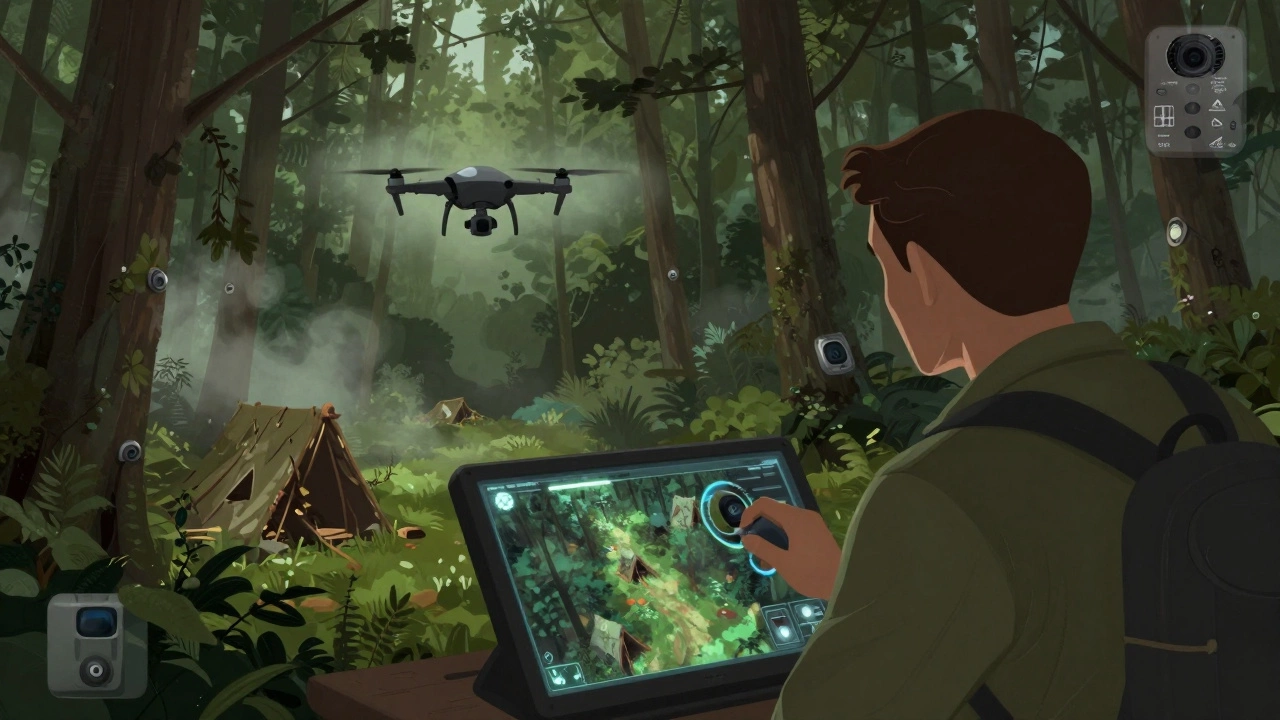
Land managers don’t need to see you to know you’re there. Satellite imagery, drone patrols, trail cameras, and neighbor reports all track illegal activity. In 2024, the U.S. Forest Service used AI-powered drone scans to identify 37 new illegal campsites in Oregon - all built in the last year.
Even if you avoid detection, you’re still harming the environment. Campfires in dry forests cause wildfires. Human waste contaminates water. Trash attracts animals and kills them. One person might think they’re living "in harmony," but repeated behavior by dozens or hundreds creates real damage.
What Are the Real Alternatives?
You don’t have to break the law to live close to nature. Here are legal, sustainable options:
- Land lease programs: Some rural counties offer low-cost land leases for off-grid living - usually with requirements like composting toilets and solar power.
- Homesteading on public land: In rare cases, like in Alaska, you can apply for a homestead claim - but it takes years, legal paperwork, and proof you’re improving the land.
- Buying cheap land: In parts of Maine, West Virginia, or rural Ireland, you can buy forested land for under €10,000. Then you build legally.
- Permit-based off-grid living: Many countries allow tiny homes or cabins if you get building permits, install septic systems, and connect to water sources legally.
These options take time, money, and paperwork. But they’re safe. They’re legal. And they let you live where you want - without risking your freedom.
Why Do These Rules Exist?
It’s not about control. It’s about survival.
Forests aren’t empty wilderness. They’re ecosystems. They provide clean water, carbon storage, habitat for endangered species, and recreation for millions. Unregulated living leads to erosion, pollution, fire risk, and wildlife conflict.
In 2025, a wildfire in the Black Forest of Germany started from an illegal campfire. It burned 1,200 acres, destroyed three homes, and cost €18 million to contain. That fire didn’t start because of climate change alone. It started because someone thought they could "just live" there.
The rules protect you too. Without them, forests become dangerous, overcrowded, and unusable for everyone - including those who want to hike, birdwatch, or camp responsibly.
Bottom Line: You Can’t Just Go Live in the Woods
It’s not a rebellion. It’s not freedom. It’s trespassing.
If you want to live close to nature, there are legal ways. They might not look like Instagram posts. They might take more effort. But they’ll keep you safe, your land clean, and your future open.
Build your cabin on land you own. Get the permits. Follow the rules. Then you’re not breaking the law - you’re living by it. And that’s the real kind of freedom.
Can I camp in the woods for a few nights without getting in trouble?
In some places, yes - but only if you follow strict rules. In Scotland, you can wild camp for up to 3 nights on most land as long as you don’t build anything, keep groups small, and leave no trace. In Ireland, England, and Wales, it’s illegal without landowner permission. In the U.S., national forests allow short-term dispersed camping (usually 14 days max), but you must be mobile and avoid protected areas. Always check local regulations before you go.
Is it legal to build a cabin in the woods?
Almost never without permits. Building a cabin - even a small one - on forest land requires planning permission, environmental reviews, and compliance with zoning laws. In most countries, this is nearly impossible to get on public or protected land. If you build without permission, authorities can demolish it and fine you. The only legal way is to buy private land and apply for building permits properly.
What’s the difference between wild camping and living in the woods?
Wild camping means staying temporarily - usually one or two nights - with no permanent structures. Living in the woods means setting up a long-term residence: building shelters, storing supplies, staying for weeks or months. The first is sometimes allowed with rules. The second is almost always illegal without ownership and permits.
Can I live off-grid legally in the woods?
Yes - but only if you own the land and follow building, septic, and water regulations. Off-grid living isn’t illegal. Living on someone else’s land without permission is. Many people legally live off-grid on private property by installing solar panels, composting toilets, and rainwater systems - all with proper permits. You can’t do it on public forest land.
Are there any places in Europe where you can live in the woods legally?
In Finland and Sweden, the Right of Public Access allows camping on uncultivated land, but you can’t build anything or stay long-term. In Norway, similar rules apply. In Ireland and the UK, wild camping is illegal without permission. The only way to legally live in the woods in Europe is to buy private forest land and get building permits - which is expensive and heavily regulated.