Wild Camping Legality Checker
Check Wild Camping Legality in the UK
Select your location and conditions to see if wild camping is legal
Result
Enter your location details to see if wild camping is legal
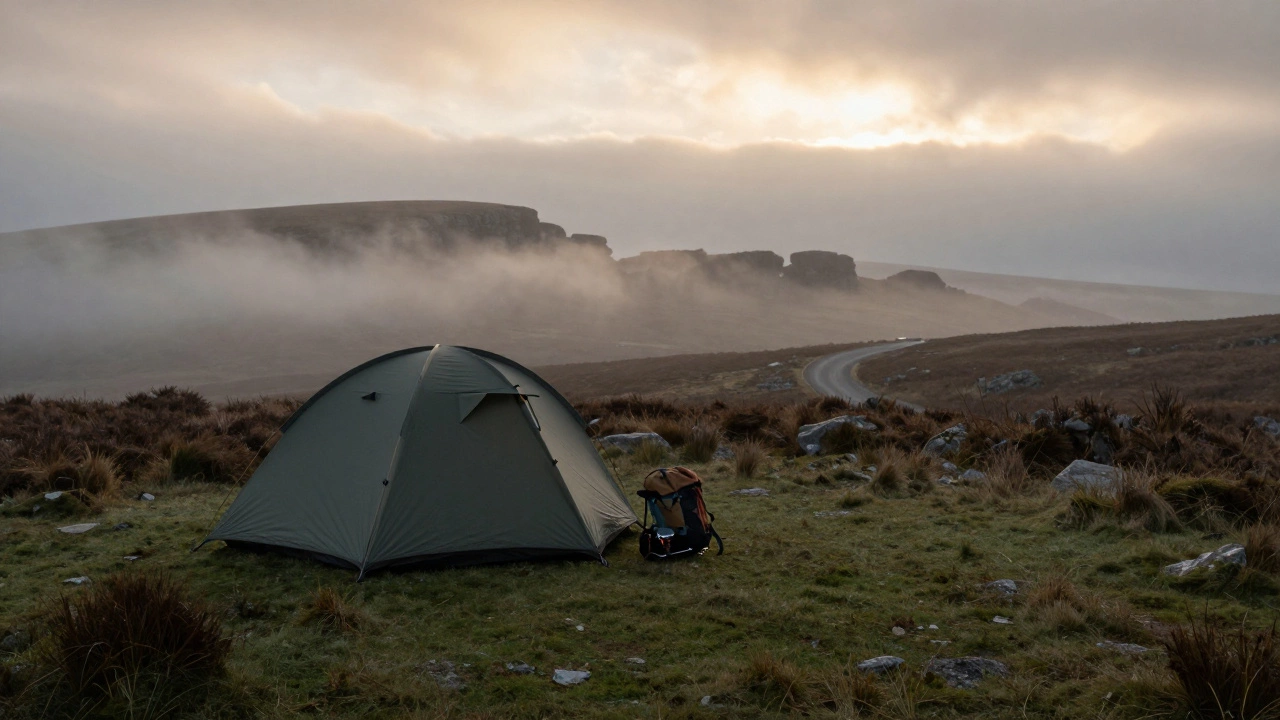
You see a quiet patch of trees, a soft patch of moss, a clear stream nearby-and you think, wild camping UK should be fine here, right? Wrong. In most of the UK, you can’t just pitch a tent anywhere you like. The truth is messy, confusing, and totally different depending on where you are. If you’ve ever been turned away by a landowner, fined, or just felt guilty setting up camp under the pines, you’re not alone. This isn’t about being rule-following-it’s about knowing where the lines actually are.
Scotland: The Only Place You Can Wild Camp Almost Anywhere
Scotland is the exception. Thanks to the Land Reform (Scotland) Act 2003, you have a legal right to camp wild in most rural areas, including woods, moorland, and hills-as long as you follow the Scottish Outdoor Access Code. That means no camping in enclosed fields, no lighting fires in dry conditions, no leaving trash, and no staying more than a couple of nights in the same spot. You can camp near Loch Lomond, in the Cairngorms, or under the pines of Glencoe. Thousands do it every year. But even here, it’s not lawless. Rangers patrol popular spots. Landowners can ask you to move if you’re causing damage or disturbance. And if you ignore that? You can be asked to leave-and you have to go.
England and Wales: Almost Always Illegal
In England and Wales, wild camping is not a right. It’s a privilege you don’t have unless you get permission. Every patch of land is owned-by the Crown, a private estate, a farmer, a forest company, or a local council. Pitching a tent without permission is trespassing. And trespassing isn’t just frowned upon-it’s legally actionable. Police can ask you to leave. Landowners can sue you. You’ve seen those signs: “No Camping” or “Private Property”? They’re not suggestions. They’re warnings.
There are a few gray areas. In the Lake District, Dartmoor, and some parts of the Peak District, wild camping is tolerated if you’re discreet, leave no trace, and don’t stay long. But tolerance isn’t legality. Dartmoor is the only place in England with a specific legal exception under the Dartmoor Commons Act 1985, which allows camping on common land-but only above the 300m contour line and not within 100 meters of a road or dwelling. Even there, rangers issue warnings, and fines have been handed out to those who ignore the rules.
What Counts as “Wild Camping”?
Wild camping means pitching a tent away from designated campsites, without paying, without facilities, and without permission. It’s not the same as staying on a farm that allows campers for a fee, or parking your van on a layby with permission. If you’re setting up a tent in a forest you didn’t ask about, you’re wild camping. And unless you’re in Scotland, you’re breaking the law.
Some people argue, “But no one gets caught.” That’s true-sometimes. But one complaint from a landowner, one ranger patrol, one bad experience with fire or litter, and the whole game changes. In 2024, the National Park Authorities in England reported over 800 incidents of illegal camping, with fines ranging from £50 to £500. In the Peak District, a group of six campers were fined £300 each for camping in a wooded valley near Castleton. They didn’t know it was private land. They thought it was “just woods.” That’s the problem.
What Happens If You Get Caught?
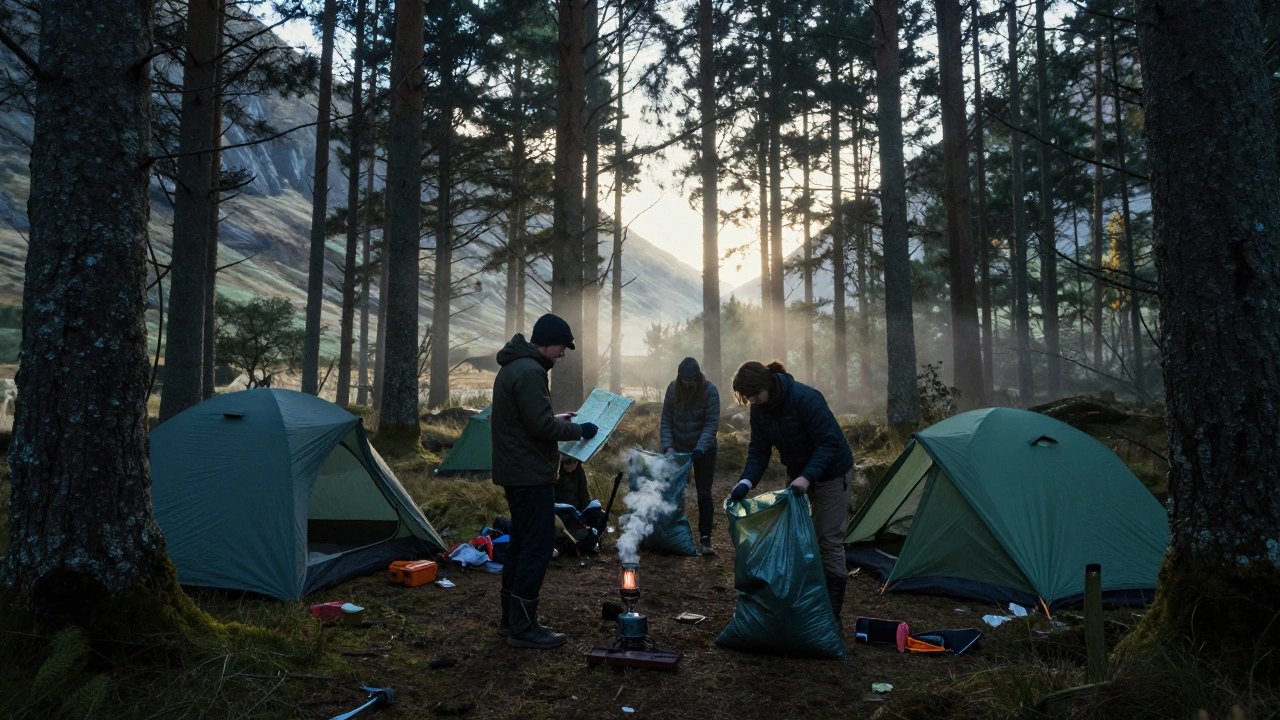
Most of the time, you won’t be arrested. You’ll be asked to leave. But that’s not always the end. If you refuse, or if you’ve caused damage, you could be issued a fixed penalty notice. In extreme cases-like setting fires that risk woodland or leaving human waste near water sources-you could face prosecution under the Environmental Protection Act or the Criminal Damage Act. In 2023, a camper in the Lake District was charged after leaving a campfire that burned for hours and damaged protected heathland. He paid £1,200 in fines and restoration costs.
Even if you’re not fined, you’re risking access for everyone. Landowners who tolerate wild campers do so because they believe people will act responsibly. When one person ignores the rules, more signs go up. More gates get locked. More areas become off-limits. That’s how the good spots disappear.
Where You Can Legally Wild Camp (Outside Scotland)
Scotland is the only place with broad rights. But you can still camp legally in England and Wales-just not in the woods without permission. Here’s how:
- Dartmoor National Park: Legal to camp above 300m on the open moor, away from roads and buildings. No fires. No groups over 10. No staying more than two nights.
- Forest of Dean: Not legal to wild camp, but you can book a spot at Woods Campsite or St. Briavels-both are quiet, wooded, and legal.
- Northumberland National Park: No wild camping allowed, but there are dozens of low-impact, owner-run campsites that feel wild-like High House Farm or Warkworth Woods.
- Wales: No legal wild camping except in very limited areas like the Brecon Beacons, where some landowners allow it by arrangement. Always ask.
There are also apps like CamperMate and Park4Night that show legal overnight spots-even in wooded areas-where owners have given permission. These aren’t “wild” in the sense of being untouched, but they’re quiet, affordable, and legal.
How to Camp Responsibly (Even Where It’s Legal)
Just because you can camp somewhere doesn’t mean you should act like it’s a free-for-all. The best wild campers leave no trace. That means:
- Pitch after dark and leave before sunrise. No one sees you. No one complains.
- Use a stove, not a fire. Wood fires are banned in many areas, and even where they’re allowed, they leave scars.
- Carry out every scrap of trash-even biodegradable stuff like apple cores. They don’t belong in the wild.
- Use a portable toilet or bury human waste at least 60 meters from water, trails, and campsites.
- Never camp in the same spot twice. Move on. Let the land recover.
These aren’t just nice ideas. They’re the reason wild camping still exists in Scotland. If you care about keeping access, you act like a steward-not a trespasser.
What About Motorhomes and Vans?
Same rules. You can’t legally park your van in a forest and sleep in it unless you have permission. In England and Wales, “wild van dwelling” is illegal. In Scotland, it’s allowed under the same access code-but you still need to follow the rules. No blocking roads. No dumping waste. No staying too long. Many van dwellers get fined for parking on private land near popular spots like Glencoe or Loch Ness. Just because your van is small doesn’t make it invisible.
Alternatives to Wild Camping
You don’t have to break the law to feel like you’re out in the wild. There are hundreds of small, quiet, low-cost campsites that feel just as remote:
- Wilderness Camps in the Lake District: £10/night, no facilities, no lights, just trees and stars.
- Quiet Farms in Devon: Many let campers stay for £8/night on a field with a toilet and tap.
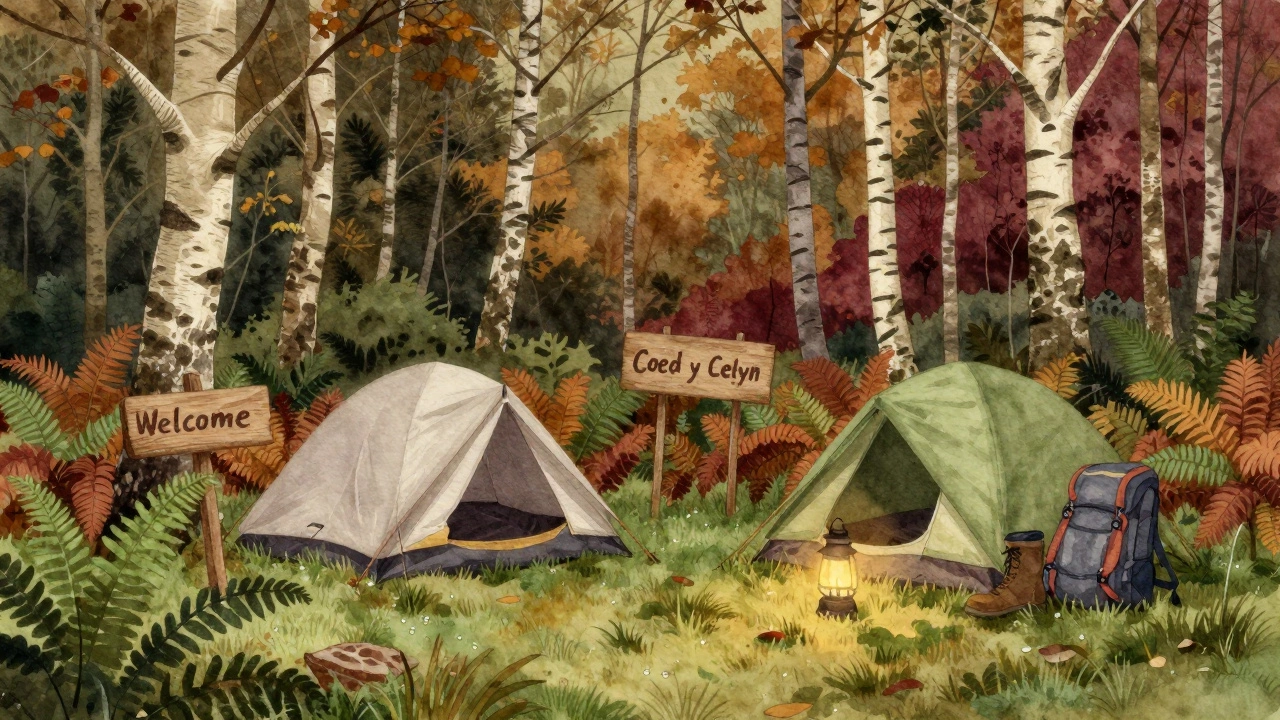
- Forest Stays in Wales: Book a spot at Coed y Celyn-a tiny woodland site with no WiFi, no noise, just birds.
These places cost a little, but they’re legal, safe, and keep the door open for everyone. And they’re often quieter than the crowded national park sites.
Final Rule: Ask Before You Pitch
Here’s the simplest way to avoid trouble: if you’re not sure, ask. Call the local council. Check the landowner’s website. Text a local ranger. Most landowners will say yes if you’re polite, small in number, and respectful. I’ve seen farmers let campers stay for a £5 donation. I’ve seen foresters give directions to quiet spots. You won’t know unless you ask.
Wild camping isn’t about finding the most hidden spot. It’s about respecting the land, the people who own it, and the people who come after you. If you want to sleep under the trees in the UK, you can. But you have to do it the right way-or you’ll be part of the problem, not the solution.
Is wild camping legal anywhere in England?
Only in Dartmoor National Park, and only on open moorland above 300 meters, away from roads and buildings. Even there, you must follow strict rules: no fires, no groups over 10, no staying more than two nights. Everywhere else in England, wild camping is trespassing.
Can I camp in a forest in the UK?
Only if the forest is public land in Scotland and you follow the access code. In England and Wales, nearly all forests are privately owned or managed by the Forestry Commission, and camping without permission is illegal-even if the forest looks empty. Always check the land status before pitching a tent.
What happens if I get caught wild camping in England?
You’ll usually be asked to leave. If you refuse, or if you’ve caused damage, you could receive a fixed penalty notice (typically £50-£500). In rare cases, you could be prosecuted for trespass, environmental damage, or criminal damage-especially if you lit a fire or left trash.
Is it legal to sleep in a van in the woods?
No, not in England or Wales. Sleeping in a van on private land without permission is still trespassing. In Scotland, it’s allowed under the access code-but you must follow the same rules as tent campers: no blocking access, no waste dumping, no long stays. Many van dwellers have been fined for parking near popular scenic spots.
Are there apps that show legal wild camping spots?
Yes. Apps like CamperMate and Park4Night list legal overnight stops, including quiet wooded areas where landowners allow camping for a small fee. These aren’t free, but they’re safe, legal, and often more peaceful than official campsites. Always double-check the listing details before you go.