Forest Campsites: Practical Tips for a Safe and Fun Stay
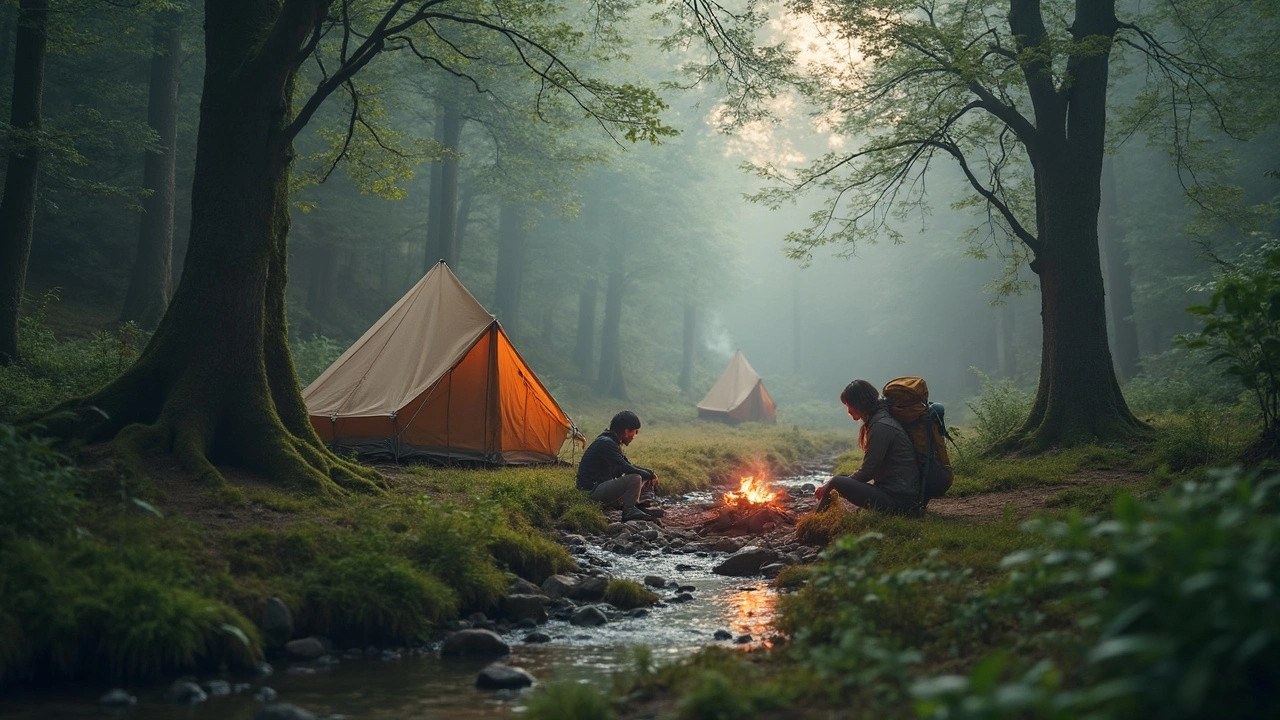
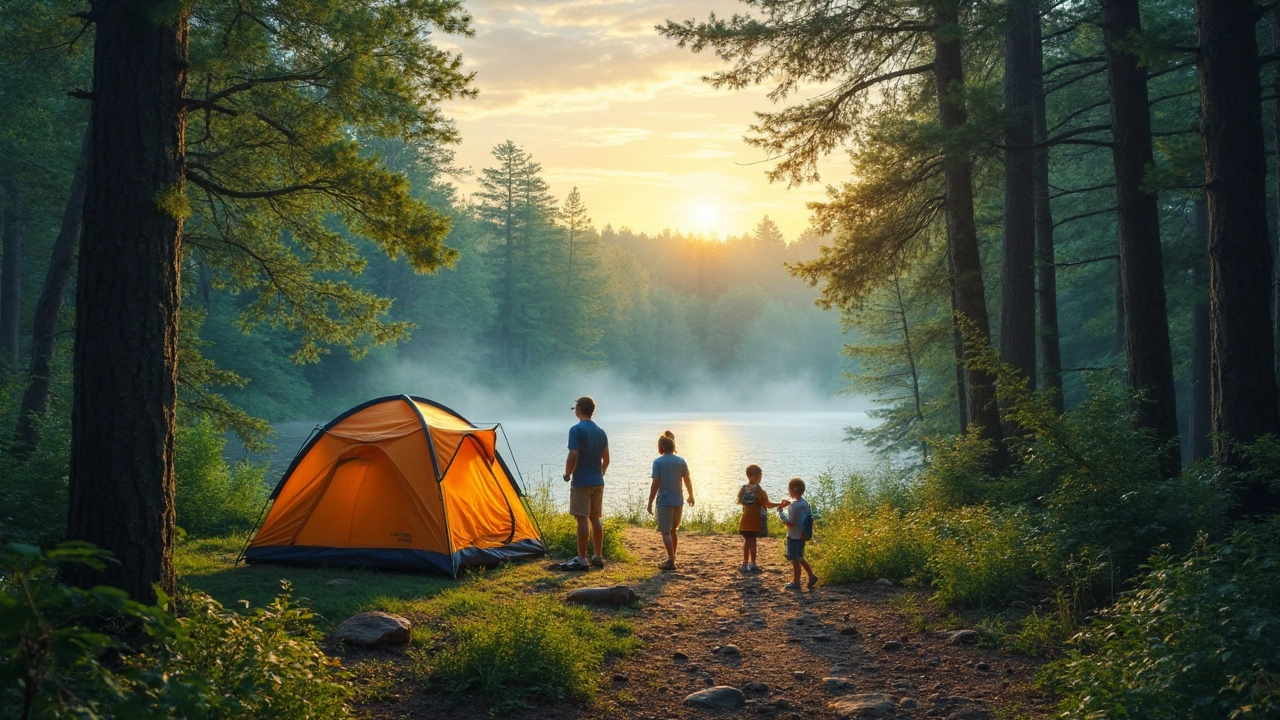
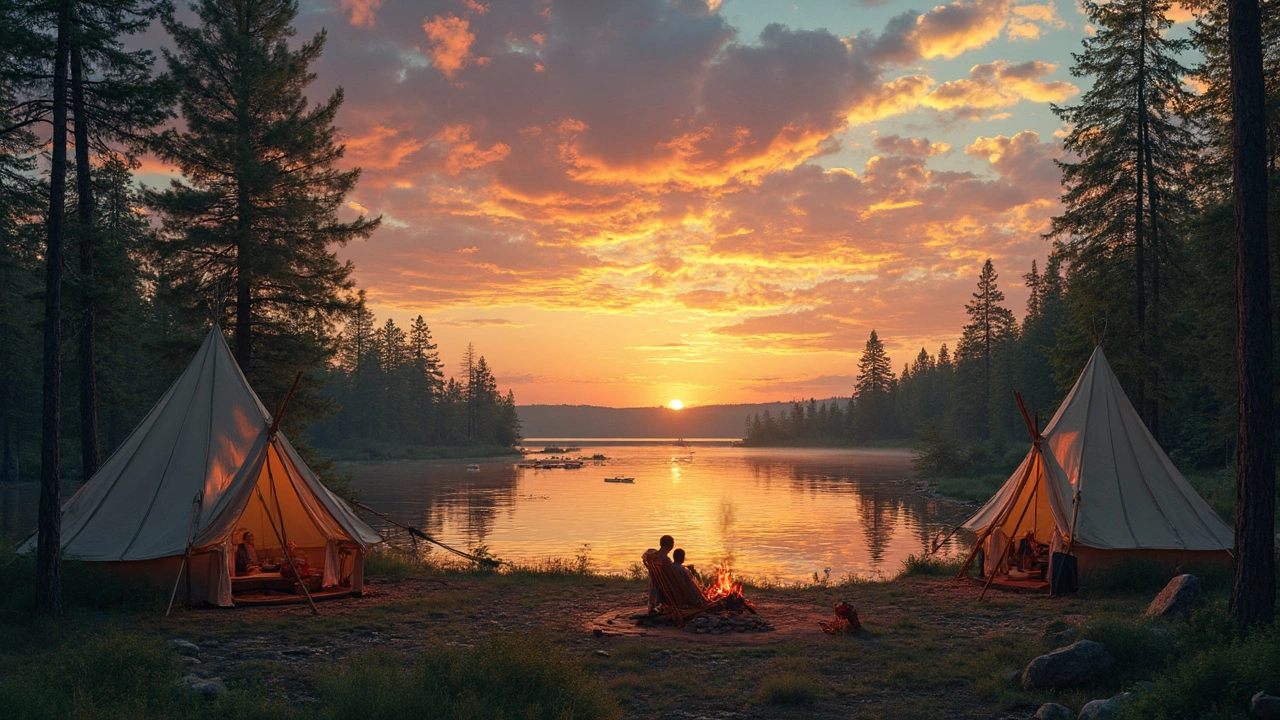
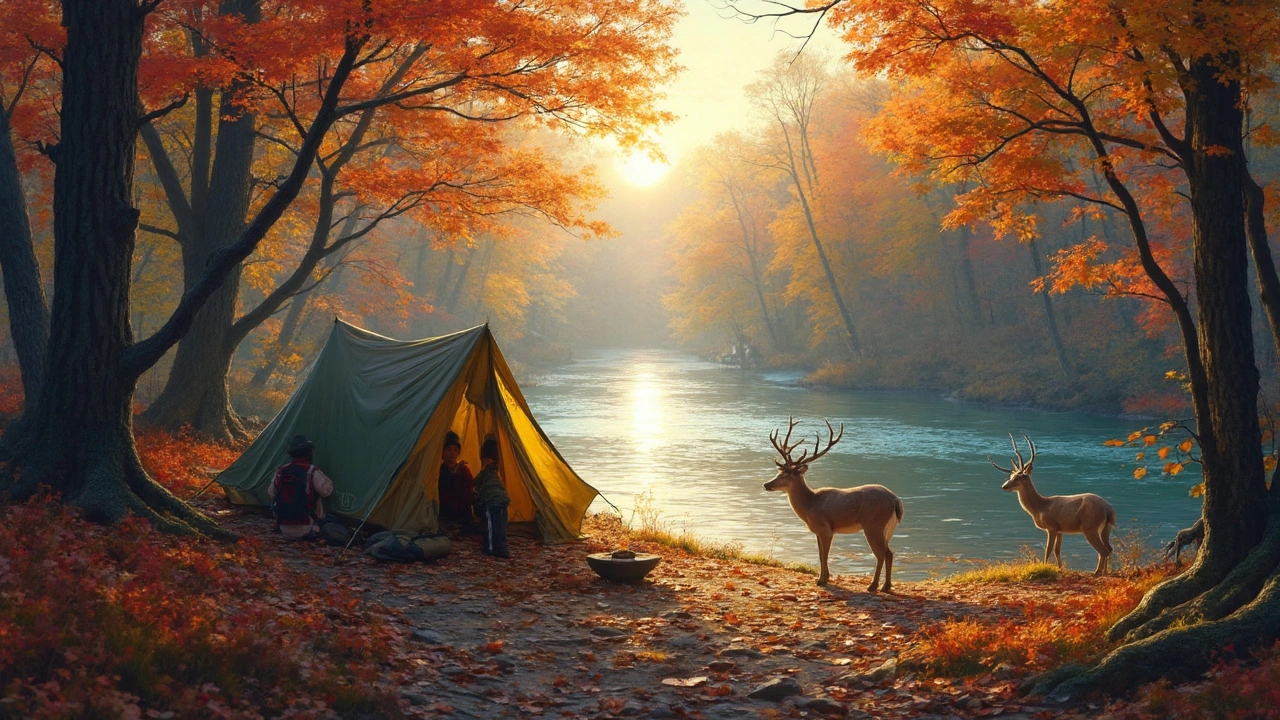
Thinking about pitching a tent under the trees? Forest campsites give you shade, wildlife and a real sense of escape, but they also need a bit of know‑how. In this guide we’ll cover how to find a good spot, what the UK rules actually mean, and how to avoid the common mistakes that can ruin a night in the woods.
Choosing the Right Forest Site
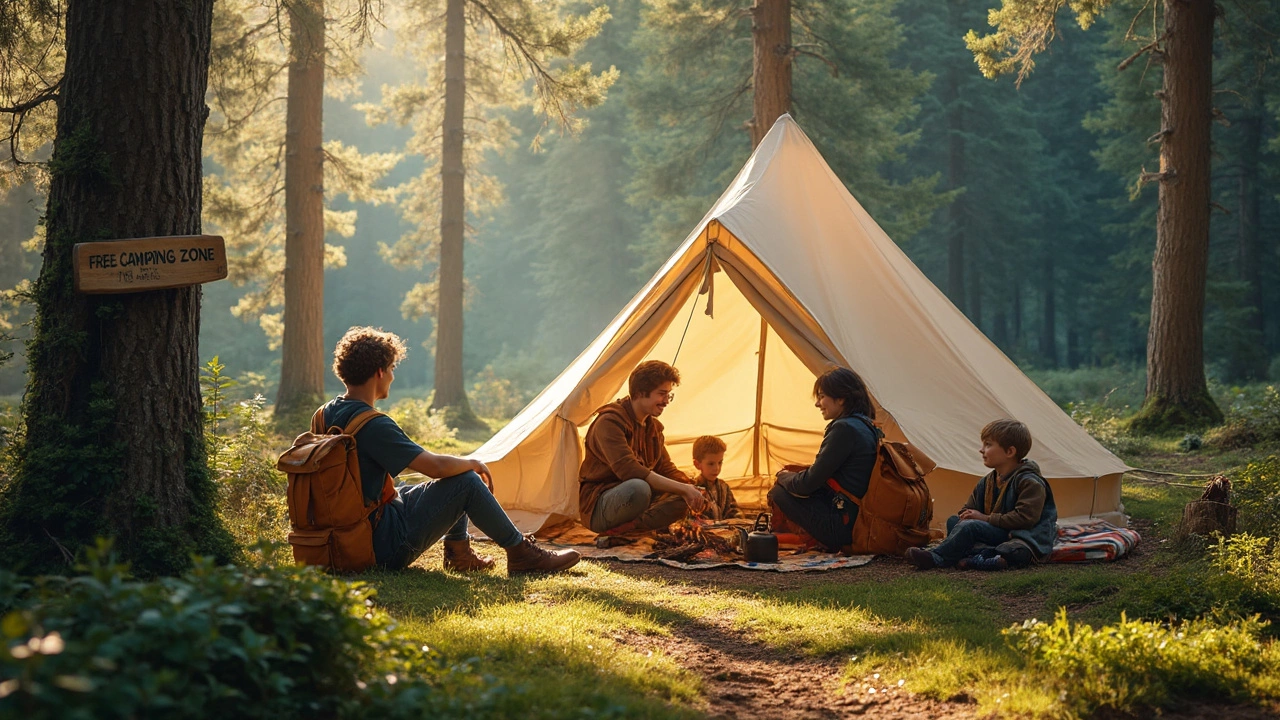
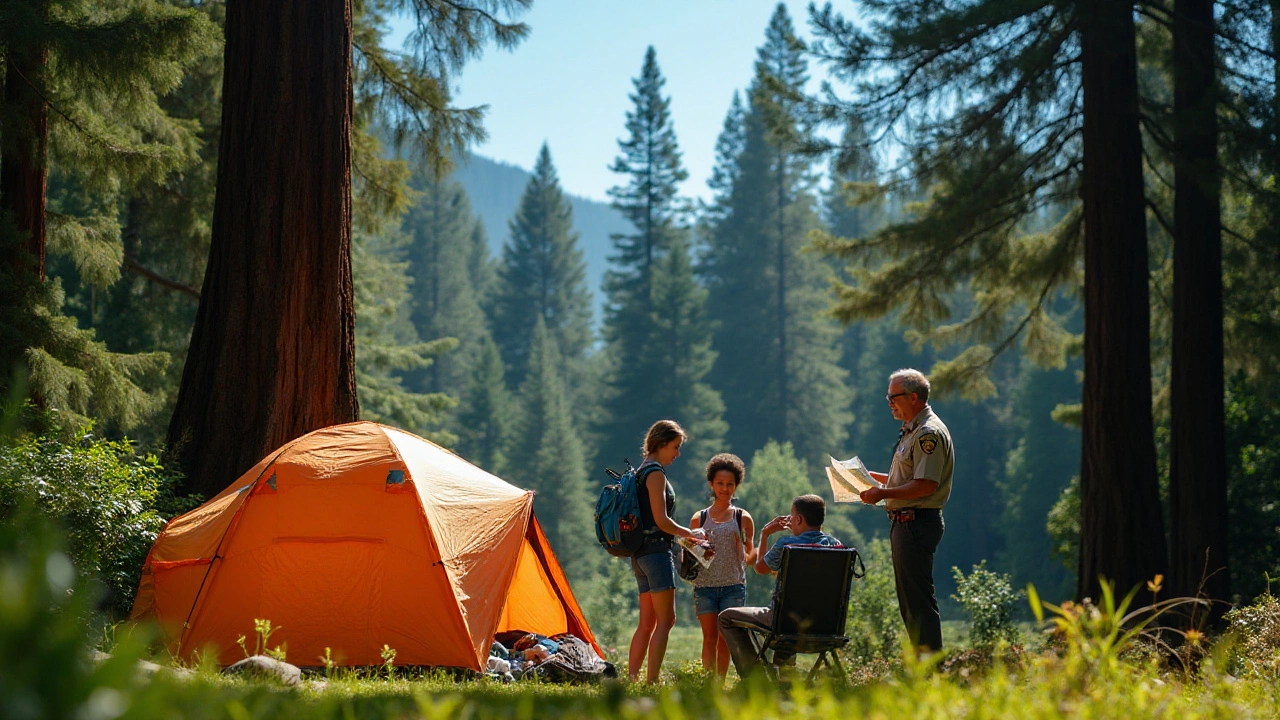
First off, look for a campsite that’s marked on the map or listed by the local council. Many forests have designated areas with a cleared ground, a fire pit or a basic toilet block. If you’re hunting a wild spot, check the Can You Camp in the Woods in the UK? article for the legal basics – you usually need landowner permission or you must stay on land that allows wild camping, like certain national forests.
When you arrive, walk around the clearing. Make sure the ground is level, free of sharp roots and not too close to a water source – you don’t want to pollute a stream or invite a flood. Pick a site that’s at least 30 m away from any public footpath to respect other walkers.
Staying Safe and Friendly in the Woods
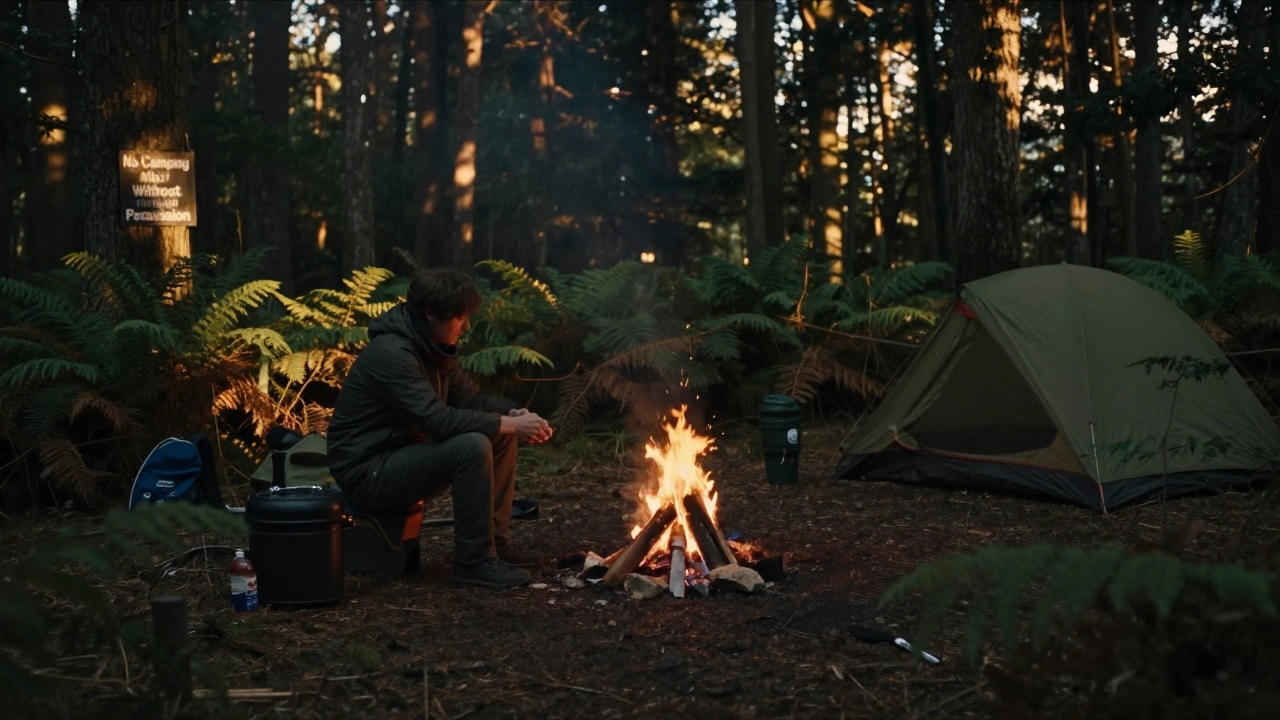
Safety starts with fire control. Only light a fire where the forest provides a safe pit, or use a portable stove. Keep a bucket of water nearby and fully extinguish the fire before you sleep. The What Not to Do in a Forest post warns against leaving food out – animals love it and a hungry bear or fox can turn a calm night into a scramble.
Pack a good lightweight sleeping bag and a waterproof tarp. Weather can turn quickly, especially in Nottinghamshire, so a rainfly is a must. Bring a headlamp with extra batteries; darkness comes fast and you’ll thank yourself when you need to find the toilet block.
Respect the "Leave No Trace" rules: pack out all trash, avoid digging new fire holes and keep noise down. If you’re near other campers, a friendly hello goes a long way – it builds a community feel and helps you learn about any local restrictions. And remember, you’re welcome in the forest as long as you leave it as you found it.
Finally, if you’re planning a longer stay, consider a portable power station for charging phones and lights. The guide on portable power stations explains how to size one for camping – a 500 Wh unit is usually enough for a weekend.
With these basics in place, you’ll have a forest campsite experience that’s safe, legal and unforgettable. Pack your gear, follow the rules, and enjoy the peace of Nottingham’s woods.