UK Free Camping Legal Checker
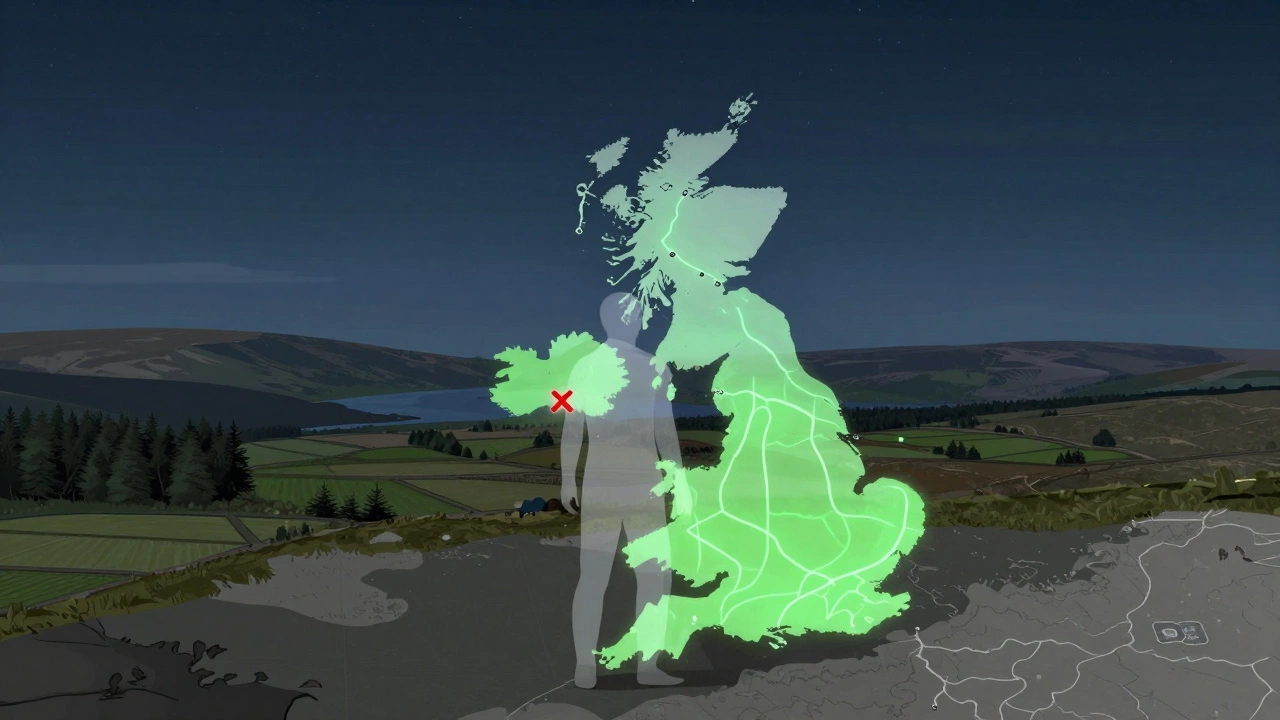
Scottish Rules (Legal)
- Follow the Scottish Outdoor Access Code
- Camp on unenclosed land away from houses
- Maximum 2 nights per spot
- No fires in dry conditions
England/Wales Rules (Illegal)
- No camping without landowner permission
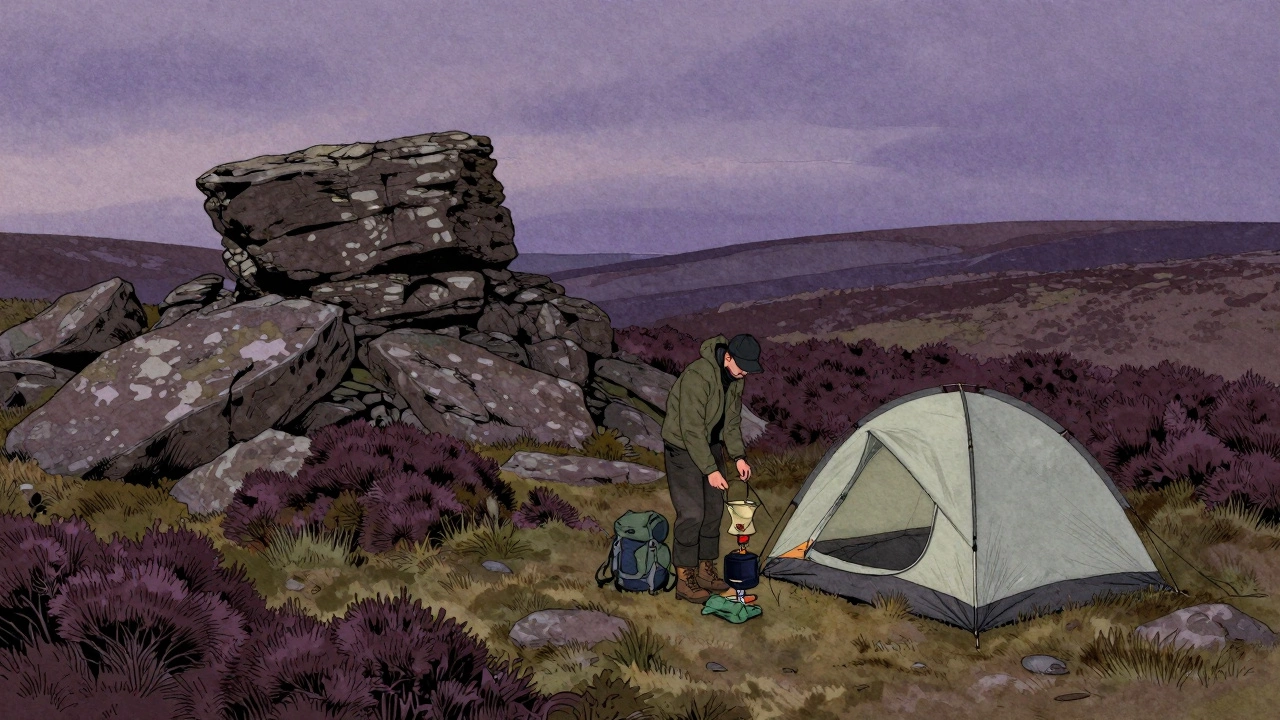
- 100m from roads/buildings in Dartmoor
- Max 2 nights in same spot
Key Rules for Your Situation
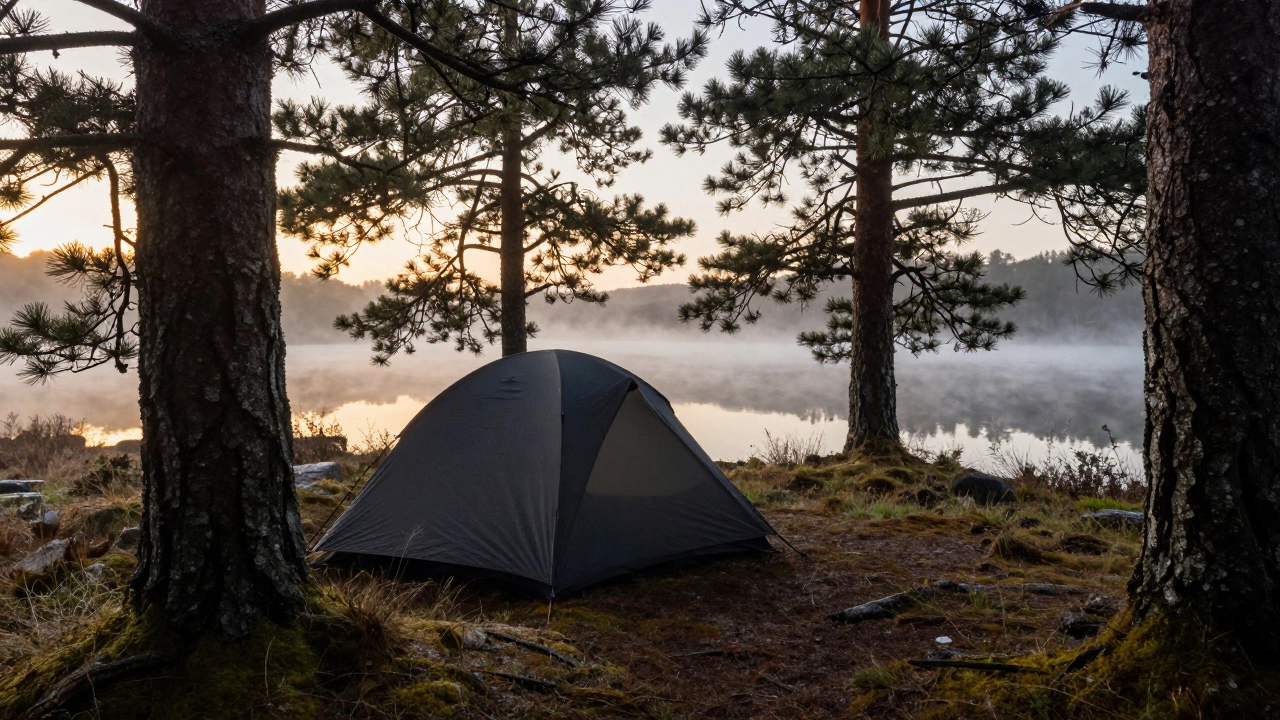
You’ve seen the photos: a tent tucked between ancient pines, a sunrise over a quiet loch, a campfire glowing beside a mountain stream. You want that. But you’re wondering - is free camping in the UK even allowed? Or is it just a myth told by backpackers and Instagram influencers?
The short answer: yes, you can camp for free in parts of the UK - but not everywhere, and not without rules. It’s not a free-for-all. It’s not a loophole. It’s a mix of tradition, law, and common sense that changes depending on where you are.
Scotland: The Only Place Where Wild Camping Is Legal
If you’re looking for truly legal, no-permit, no-fee wild camping, Scotland is your only real option. The Scottish Outdoor Access Code gives you the right to camp lightly and responsibly on most unenclosed land. That means hills, moors, forests, and shorelines - as long as you’re not on private farmland, in a garden, or right next to a house.
You don’t need to ask permission. You don’t need to pay. But you do need to follow three core rules: leave no trace, respect privacy, and be responsible. That means no fires in dry conditions, packing out all your trash, avoiding crowded areas, and moving on after one or two nights. The Scottish government even publishes maps showing recommended spots - like Glen Coe, the Trossachs, and the Isle of Skye - where thousands camp each year without issue.
There’s a reason Scotland’s wild camping culture thrives. It’s not just legal - it’s part of the culture. Locals expect it. Rangers encourage it. Tourists do it right, and everyone benefits.
England and Wales: Mostly Illegal - But With Exceptions
In England and Wales, wild camping without landowner permission is technically illegal. That’s the law. And if you get caught, you can be asked to leave - or worse, fined. But here’s the reality: many people do it anyway, and most of the time, nothing happens.
Why? Because enforcement is rare. Police and landowners rarely bother unless there’s a complaint. So, if you’re quiet, small, and leave no trace, you’re unlikely to get into trouble. But that’s not the same as being legal. It’s a gamble.
There are a few exceptions. Dartmoor National Park allows wild camping in certain areas - as long as you’re more than 100 meters from any road or building, and you camp for no more than two nights in the same spot. The National Park Authority even has a guide on where you can go. Other areas like the Lake District or Snowdonia have no official permission, but you’ll still find tents tucked away in quiet valleys. It’s tolerated, not allowed.
There’s also the British Mountaineering Council’s unofficial code: camp high, camp low, camp alone. That means avoid popular viewpoints, don’t group up, and don’t stay long. It’s not law - but it’s the best way to avoid conflict.
Where You Absolutely Cannot Camp for Free
Some places are off-limits, no matter how quiet you are. These aren’t just rules - they’re protected areas with real consequences.
- **National Trust and National Park visitor centers** - even if you’re just pitching a tent nearby, you’re trespassing.
- **Farmland with livestock** - cattle and sheep don’t like strangers camping near them. You’ll get chased off - and rightly so.
- **Riverbanks in protected areas** - like the Lake District’s Ullswater or the River Wye - these are often designated as Sites of Special Scientific Interest. Camping here can damage ecosystems.
- **Coastal dunes and nature reserves** - like the Norfolk Broads or the Gower Peninsula - these are protected habitats. Even a single footprint can harm rare plants and birds.
These aren’t gray areas. They’re clear red lines. Break them, and you’re not just risking a fine - you’re risking access for everyone else.
How to Camp for Free Without Getting in Trouble
If you want to camp for free and stay on the right side of the law, here’s how to do it right.
- **Choose your spot wisely** - Look for high ground, away from houses and roads. Avoid anything marked as private or restricted.
- **Arrive late, leave early** - Pitch after dark, pack up before sunrise. You’re less likely to be seen.
- **Go solo or in small groups** - Two people are less intrusive than a group of six.
- **No fires** - Use a stove. Open fires are dangerous, illegal in many places, and leave lasting damage.
- **Pack out everything** - Even biodegradable waste. Apple cores, tea bags, and toilet paper don’t vanish in the wild.
- **Use a stealth tent** - A small, dark-colored tent blends in. No bright colors. No flags. No loud music.
- **Move on after one night** - Don’t settle in. The goal is to be invisible, not permanent.
These aren’t tips - they’re survival rules. If you follow them, you’ll rarely get noticed. If you don’t, you’ll be the reason the next person gets turned away.
Free Camping Alternatives: Better Than Risking It
Before you risk a fine or bad reputation, consider these legal, free, or low-cost alternatives.
- **Wild camping apps** - like Wildcamping UK or CamperMate - show legal spots, user reviews, and GPS pins. Many are on public land with no fees.
- **Churchyards and village greens** - Some churches allow overnight stays for campers, especially in rural areas. It’s not advertised, but a polite ask often works.
- **Farm stays with permission** - Farmers in Scotland and Wales sometimes let campers stay for free in exchange for helping with chores. It’s called WWOOFing - but you don’t have to work to stay.
- **National Trust car parks** - Many allow overnight parking for motorhomes and campervans for free. You can’t pitch a tent, but you can sleep in your vehicle. It’s legal, quiet, and safe.
These aren’t glamorous, but they’re reliable. And they keep the door open for everyone else who wants to camp freely.
What Happens If You Get Caught?
Most of the time, nothing. A landowner or ranger might knock on your tent and ask you to move on. That’s it. But sometimes, things escalate.
In England and Wales, if you refuse to leave after being asked, you could be charged under the Trespass Act or Public Order Act. Fines can hit £1,000. In rare cases, police have seized gear. That’s not common - but it’s happened.
Scotland is different. Rangers there rarely enforce rules unless there’s litter, fire damage, or noise complaints. They’ll often chat with you, offer advice, and maybe even point you to a better spot.
Bottom line: if you’re respectful, you’re safe. If you’re loud, messy, or defiant, you’re asking for trouble.
Is Free Camping Worth It?
Yes - if you do it right. The feeling of waking up under open sky, with no fees, no signs, no crowds, is unmatched. But that freedom comes with responsibility.
Every time someone camps illegally, leaves trash, or starts a fire where they shouldn’t, it makes it harder for the next person. The UK’s wild spaces are fragile. They’re not infinite. They’re not public property - they’re shared trust.
So if you’re going to camp for free, do it like you own the land. Leave it better than you found it. Respect the people who live there. And remember: the best wild camping experience isn’t the one where you get away with something - it’s the one where you’re never noticed at all.
Is wild camping legal in England?
No, wild camping is not legal in England without landowner permission. There are a few exceptions, like parts of Dartmoor National Park, but in most areas, it’s considered trespassing. Even if you don’t get caught, you’re breaking the law.
Where can I camp for free in the UK?
You can legally camp for free in Scotland under the Scottish Outdoor Access Code. In England and Wales, there are no legal free camping areas for tents - but some car parks, churchyards, and farms allow overnight stays with permission. Apps like CamperMate and Wildcamping UK list legal spots.
Can I sleep in my car for free in the UK?
Yes, sleeping in your car is generally allowed in public car parks, motorway service stations, and some National Trust sites - as long as you’re not causing an obstruction or nuisance. Many motorhome users do this legally. But pitching a tent next to your car is not allowed in most places.
Do I need a permit to camp in Scotland?
No, you don’t need a permit to wild camp in Scotland. The Scottish Outdoor Access Code gives you the right to camp lightly and responsibly on most unenclosed land. But you must follow the code: camp small, leave no trace, avoid private property, and move on after one or two nights.
What happens if I get caught camping illegally?
In most cases, you’ll be asked to leave. If you refuse, you could face a fine under trespass or public order laws - up to £1,000 in England and Wales. In Scotland, enforcement is rare unless there’s damage or complaints. Always be polite and cooperative if approached.
Free camping in the UK isn’t about finding loopholes. It’s about understanding boundaries - and respecting them. The land doesn’t belong to you. But if you treat it right, you’ll always have a place to rest under the stars.