RV Towing Safety & Fuel Estimator
Trip Parameters
Safety & Cost Analysis
Estimated Stopping Distance
Total: 0 ft
Includes reaction time + braking force for loaded rig.
Trailer Sway Risk
Low
Fuel Efficiency Impact
Cost vs. Recommended Speed (65 MPH)
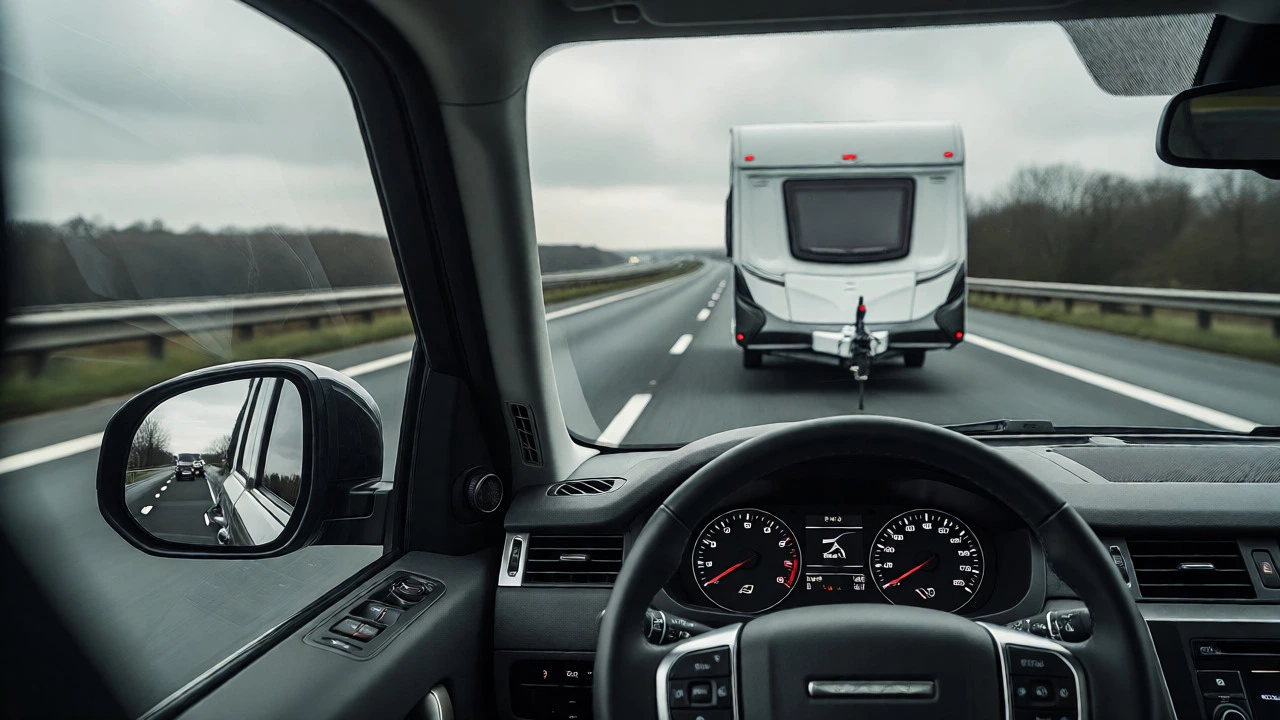
There is a specific kind of panic that sets in when you look at your rearview mirror and see a 7,000-pound travel trailer swaying gently behind you while you’re cruising down the highway. It’s not quite terror, but it’s close. You press the gas pedal just a fraction too hard, and suddenly the rig feels like it has a mind of its own. The question every first-time RVer asks isn’t how fast should you drive when pulling an RV? It’s usually some variation of, “Am I going to kill us all?”
The short answer? Slower than you think. But the real answer depends on your rig, the road, and physics. Let’s break down exactly what safe speeds look like for different setups, why pushing the limit costs you money, and how to keep your trailer from doing the snake dance on the interstate.
Why Your Car’s Speedometer Lies to You
When you drive a sedan, 70 mph feels normal. When you tow a camper, 70 mph can feel like 90 mph because of wind resistance and weight transfer. Most manufacturers recommend a maximum speed of 65 mph for towing, regardless of posted limits. Why? Because aerodynamic drag increases exponentially with speed. At 65 mph, your engine works hard enough. At 75 mph, it’s working twice as hard for maybe five minutes of saved time over a hundred-mile trip.
Think about the energy required to push air out of the way. A flat-fronted Class C motorhome or a boxy travel trailer acts like a sail. Every extra mile per hour above 60 adds significant strain to your transmission and brakes. If you’ve ever watched a trucker ease off the throttle before a hill, this is why. They aren’t being cautious; they’re managing momentum. You need to do the same.
Speed Limits by Rig Type
Not all RVs are created equal. A small pop-up camper behaves differently than a fifth-wheel toy hauler. Here is a practical guide to safe operating speeds based on vehicle type.
| RV Type | Ideal Speed (MPH) | Max Recommended (MPH) | Primary Risk Factor |
|---|---|---|---|
| Pop-up Camper / Light Travel Trailer | 55-60 | 65 | Wind gusts lifting lightweight roof |
| Standard Travel Trailer (Single Axle) | 60-65 | 65 | Trailer sway on uneven pavement |
| Large Travel Trailer (Tandem Axle) | 60-65 | 65 | Brake fade on long descents |
| Fifth Wheel | 60-65 | 70 | High center of gravity in crosswinds |
| Class C Motorhome | 60-65 | 65 | Aerodynamic drag and fuel burn |
| Class A Motorhome | 60-65 | 65 | Blind spots and wide turning radius |
You’ll notice 65 mph appears constantly. This isn’t arbitrary. It’s the sweet spot where stability meets reasonable travel time. Going faster rarely saves enough time to justify the increased risk of blowouts or loss of control. If you’re in a hurry, leave earlier. Don’t speed.
The Physics of Sway: Why Speed Kills Stability
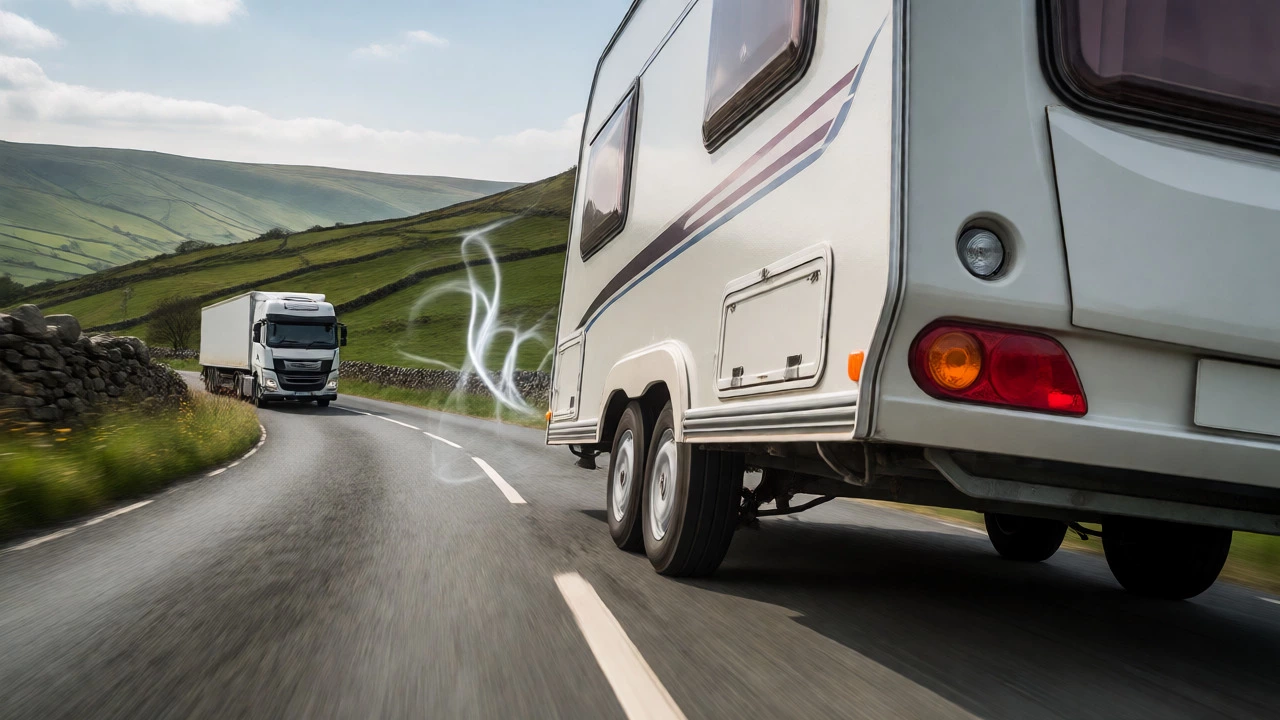
Have you ever felt your trailer start to wiggle side-to-side? That’s called trailer sway, and it’s the number one enemy of safe towing. Sway happens when external forces-like passing trucks, strong crosswinds, or sudden lane changes-push the trailer out of alignment. Once it starts, speed makes it worse. At 45 mph, a slight wobble might correct itself. At 70 mph, that same wobble can amplify into a violent oscillation that pulls your steering wheel left and right.
Your tongue weight plays a huge role here. If your hitch weight is too light (under 10% of the total trailer weight), the front of your tow vehicle lifts, reducing traction on the front tires. This makes steering vague and increases sway sensitivity. Conversely, if it’s too heavy, you overload the rear axle, causing sagging headlights and poor braking. Check your owner’s manual for the ideal tongue weight ratio. For most setups, aim for 10-15% of the gross trailer weight resting on the hitch ball.
Braking Distance: The Invisible Danger
Stopping distance doesn’t scale linearly. It scales quadratically. Double your speed, and your stopping distance more than doubles. Add 5,000 pounds of trailer weight, and you’re looking at significantly longer distances to come to a complete stop.
Most drivers underestimate this. You might think you have room to brake, but by the time you react, hit the pedal, and wait for the hydraulics to engage, you’re already past the point of no return. This is especially critical on downhill grades. If you’re descending a mountain pass in Colorado or the Wicklow Mountains in Ireland, never rely solely on your service brakes. Use lower gears to create engine braking. If your speed climbs despite light brake pressure, shift down. Your brakes will thank you, and so will your wallet, since replacing overheated brake pads mid-trip is expensive and stressful.
Fuel Efficiency vs. Speed: The Cost Calculation
Let’s talk money. Fuel prices are volatile, and RVs are thirsty beasts. Driving at 75 mph instead of 65 mph can reduce your fuel economy by 15-20%. For a vehicle getting 10 mpg at 65 mph, that drops to roughly 8.5 mpg at 75 mph. Over a 500-mile trip, that difference could cost you $15-$20 extra in gas. Multiply that by a two-week vacation, and you’re burning through your campsite fund just to save four hours of driving time.
Is saving four hours worth $200? Probably not. Plus, higher speeds increase wear on your tires. Tire blowouts are common among RVers who push their rigs too hard. Replacing a blown tire on the roadside costs far more than the fuel savings ever would.
Practical Tips for Safer Towing
- Check tire pressure cold: Never adjust tire pressure after driving. Heat expands air, giving false readings. Set pressures to the manufacturer’s recommendation for maximum load, not the sidewall max.
- Use mirrors wisely: Invest in extended towing mirrors. You need to see the ground beside your trailer wheels to ensure nothing is dragging or smoking.
- Maintain following distance: Keep at least four seconds between you and the car ahead. This gives you time to react if traffic slows suddenly.
- Avoid cruise control on hills: Cruise control can cause dangerous acceleration on downhills and hunting for gears on uphills. Disengage it on mountain roads.
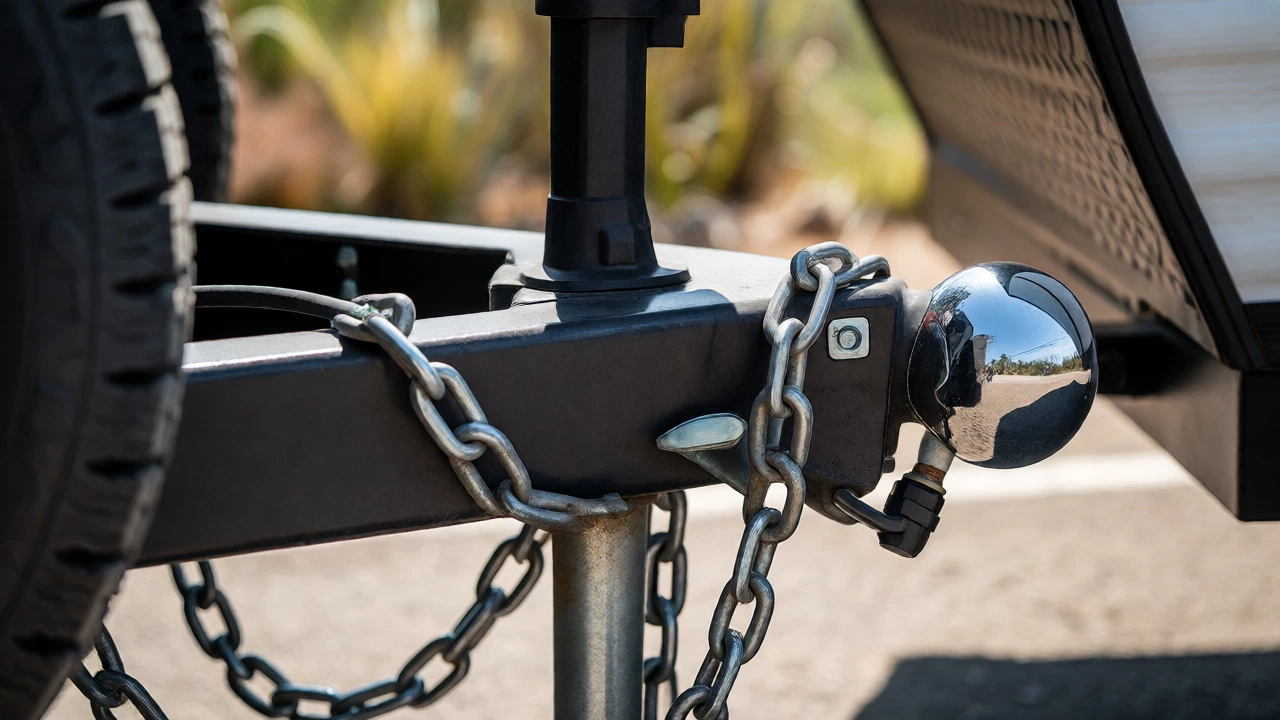
- Inspect connections daily: Before hitting the road, check hitch locks, safety chains, and electrical plugs. Vibrations loosen things quickly.
Regional Differences: US vs. Europe
If you’re renting a motorhome in Europe, speed rules differ slightly. In many EU countries, the legal maximum for vehicles over 3.5 tons (which includes most large RVs) is 80 km/h (50 mph) on highways, not 130 km/h (80 mph). Always check local signage. Ignoring these limits can result in hefty fines upon rental return. In the UK, the limit is typically 60 mph for cars towing trailers on single carriageways and 70 mph on dual carriageways, but many operators advise sticking to 55-60 mph for comfort and safety.
Is it illegal to drive slower than the speed limit when towing?
Generally, no, as long as you are not impeding the flow of traffic unreasonably. However, driving excessively slow in the left lane (or fast lane in countries where overtaking is on the left) can be considered impeding traffic. Stay in the rightmost lane suitable for your speed, and use turnouts on two-lane roads to let faster vehicles pass.
How does wind affect my towing speed?
Strong crosswinds require you to slow down significantly. High-profile RVs act like sails. If wind speeds exceed 20-25 mph, reduce your speed by 10 mph compared to calm conditions. Grip the steering wheel firmly but don’t fight the wind; make smooth corrections.
Do I need special tires for towing?
Yes, use tires rated for trailer use (ST-rated) rather than passenger car tires (P-rated). ST tires have stiffer sidewalls to handle the vertical load and reduced flex during high-speed towing. Check the date code on your tires; rubber degrades over time, even if unused. Replace tires older than six years.
What is the best speed for fuel economy when towing?
For most RVs, the peak fuel efficiency occurs between 55 and 60 mph. Above 60 mph, aerodynamic drag rises sharply, causing fuel consumption to spike. Sticking to 60 mph often yields the best balance of travel time and fuel cost.
Can I use cruise control while towing uphill?
It’s risky. Cruise control may try to maintain speed by forcing the transmission to downshift repeatedly, which can overheat the transmission. On steep grades, manually manage your gear selection and allow speed to drop naturally rather than fighting for constant velocity.