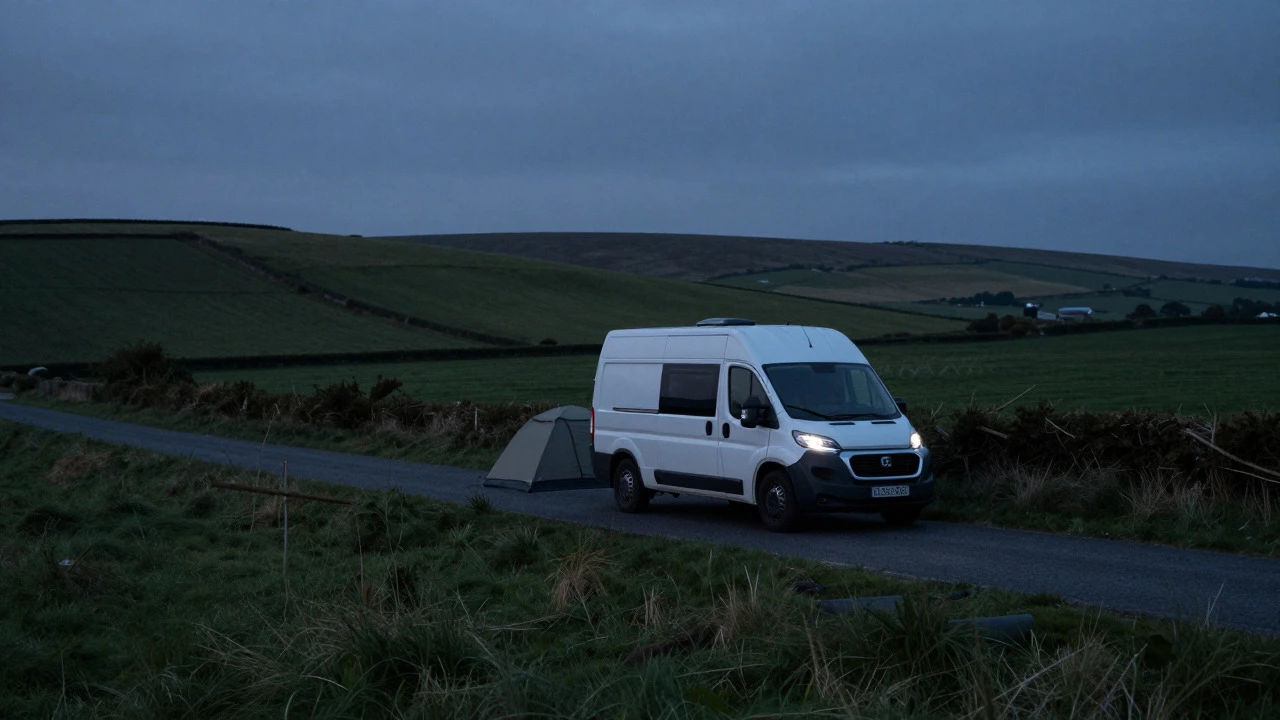
UK Wild Camping Legal Checker
Picture this: you’ve driven for hours through rolling green hills, the sun is setting, and you spot the perfect patch of grass right next to the road. It’s quiet, it’s free, and it looks inviting. You pull over, thinking you’ll pitch your tent for the night. But before you unpack your sleeping bag, you need to know one crucial thing: is it actually legal?
If you are planning a trip to the United Kingdom soon, the short answer is mostly no. Unlike some parts of Europe or North America where dispersed camping is common, the UK has strict property rights. However, there is a major exception that changes everything depending on which part of the country you are visiting. Understanding these differences can save you from an awkward conversation with landowners or, worse, a fine.
The General Rule: Private Property and Trespass
In most of England, Wales, and Northern Ireland, land is privately owned. This includes the verges and shoulders of roads. Under the Trespass Act 1980, camping on private land without permission is technically trespassing. While trespass itself is usually a civil matter (meaning the landowner asks you to leave rather than the police arresting you), things get trickier if you stay too long or cause damage.
If you set up a tent on a roadside verge in rural England, you are likely on someone’s farm or estate. Most farmers are friendly, but they have crops to protect and livestock to manage. If you block access, scare animals, or leave a mess, you become a nuisance. The local council can issue a Community Protection Order, or the police can move you on under public order laws if they believe you are causing harassment, alarm, or distress.
So, what does this mean for you? It means spontaneous roadside camping is risky. You might get away with it for one night if you are discreet, quiet, and leave absolutely no trace, but it is not your right. The safest bet in these regions is always to use designated campsites or secure permission from the landowner beforehand.
The Scottish Exception: The Right to Roam
Now, let’s talk about Scotland. Here, the rules are completely different. Thanks to the Land Reform (Scotland) Act 2003, you have a legal "Right to Roam." This allows you to camp on almost any land for up to 28 days, provided you follow specific guidelines.
This law was designed to give people access to nature while respecting landowners. It doesn’t mean you can park your motorhome on a busy A-road and party all night. There are important restrictions:
- No Camping Near Houses: You must stay at least 200 meters away from any building to respect privacy.
- No Motorhomes: The code generally applies to tents. Parking a large vehicle and living out of it is often viewed differently by locals and councils.
- No Obstructing Roads: You cannot block gates, paths, or roadways. This is critical for emergency services and farming operations.
- Leave No Trace: You must take all your rubbish with you and avoid damaging vegetation.
Scottish wild camping is a cherished tradition, but it comes with responsibility. If you abuse the right, you risk having it revoked for everyone else. Stick to remote areas, keep your group small (ideally fewer than six people), and be invisible when you pack up.
What About England’s National Parks?
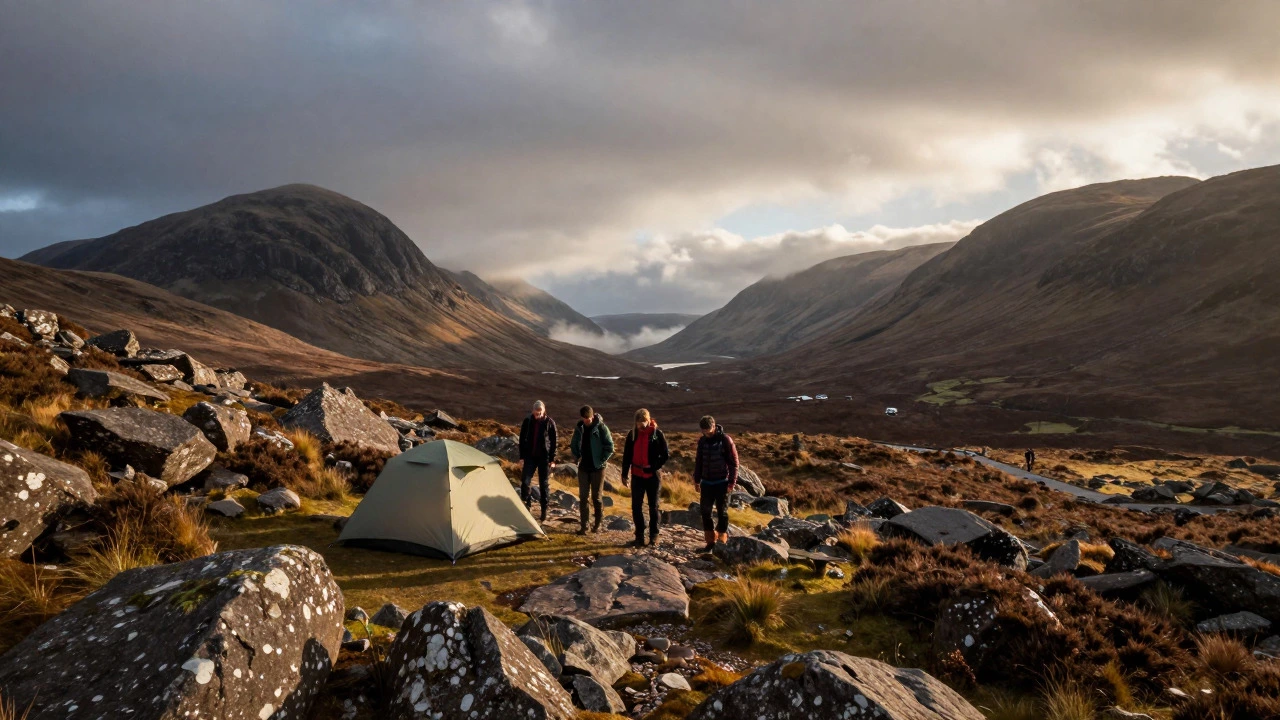
You might have heard rumors that wild camping is allowed in English National Parks. The reality is more nuanced. In parks like the Lake District, Dartmoor, or Snowdonia (which is in Wales), local authorities have increasingly cracked down on wild camping due to overcrowding and environmental damage.
Many of these parks now require permits or ban wild camping entirely during peak seasons. For example, parts of the Lake District have introduced strict enforcement where rangers actively remove unauthorized tents. Even where it isn’t explicitly banned, it is heavily discouraged unless you are deep in the fells, far from trails and settlements, and camping for only one night.
If you want to camp in these beautiful areas legally, look for "wild camping" sites run by organizations like the National Trust or local conservation groups. These spots offer a similar experience to wild camping but with the security of being in a permitted zone.
Motorhome and Van Life: Different Rules Apply
If you are traveling in a motorhome or camper van, the definition of "camping" shifts slightly. Sleeping in your vehicle while parked is often tolerated more than pitching a tent, but it is still subject to local parking regulations.
Look for signs that say "No Overnight Parking" or "Clearway." Many towns and cities have enforced these strictly to prevent residents from using streets as free caravans. However, many service stations, rest stops, and even some supermarkets allow overnight stays for travelers. Always check with staff first.
There is also a growing network of informal "wild camping" spots for vans, often shared via apps or social media groups. Just remember: just because others do it doesn’t make it legal. Keep an eye on local council notices, as rules change frequently based on community complaints.
The Golden Rule: Leave No Trace
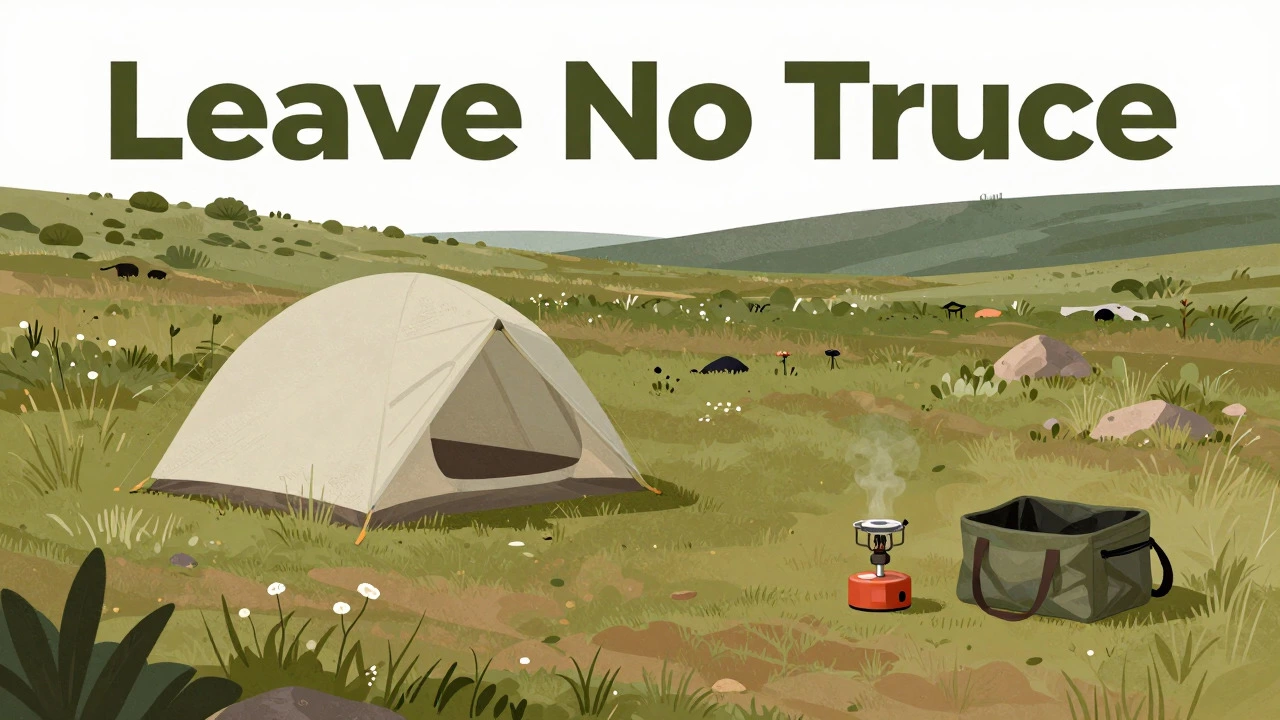
Whether you are in Scotland exercising your Right to Roam or sneaking a quick night in a remote corner of Wales, the principle of Leave No Trace is your best friend. This isn’t just about ethics; it’s about keeping wild camping viable for future generations.
Here is how to do it right:
- Camp on Durable Surfaces: Avoid delicate mosses, flower beds, or muddy ground that will erode. Stick to rocky areas or established paths if possible.
- Manage Waste Properly: Pack out everything you bring in, including toilet paper and human waste if facilities aren’t available. Use biodegradable soap at least 70 meters from water sources.
- Keep Fires Out: In many places, open fires are banned due to fire risks and peatland damage. Use a portable stove instead.
- Be Quiet and Discreet: Arrive late, leave early. Minimize light pollution and noise so locals don’t even know you were there.
When you follow these steps, you build goodwill. Landowners are less likely to complain if they see you treating their land with respect. Conversely, leaving trash or burning holes in the ground ensures that future campers face stricter bans.
| Region | Legal Status | Key Restrictions | Best For |
|---|---|---|---|
| Scotland | Legal (Right to Roam) | Max 28 days, no motorhomes, 200m from houses | Tent camping, hiking trips |
| England | Generally Illegal (Trespass) | Private property, council orders | Designated campsites only |
| Wales | Generally Illegal (Trespass) | Strict in National Parks | Permitted sites, coastal campsites |
| Northern Ireland | Illegal without Permission | Private land, forestry rules | Booked accommodations |
Alternatives to Roadside Camping
If the idea of checking every signpost stresses you out, consider these legal alternatives that still feel adventurous:
- Wild Camping Sites: Organizations like Green Door or The Outdoor Store list trusted, low-impact sites where landowners welcome campers for a small fee.
- Boats and Yachts: If you are near the coast, mooring a boat is often cheaper and more flexible than land camping.
- Hostels and B&Bs: Many budget-friendly options exist in rural areas, offering a warm bed without the hassle of setup.
These options support local communities and ensure you have access to water, toilets, and sometimes even showers. Plus, you sleep soundly knowing you’re fully compliant with the law.
Is it illegal to sleep in your car in the UK?
Sleeping in your car is not inherently illegal, but it depends on where you park. On private land, you need permission. On public roads, you must obey parking signs. Many councils ban overnight parking in residential areas. In Scotland, you can sleep in your car if you are not obstructing traffic and are away from houses, but long-term living in vehicles is often restricted.
Can I camp on the beach in the UK?
Most beaches in the UK are owned by local councils or private entities, and camping is usually prohibited to protect wildlife and maintain cleanliness. Some designated beach campsites exist, especially in Cornwall and Devon. Always look for official signage. In Scotland, you may camp on beaches under the Right to Roam, but keep distance from properties and avoid sensitive dune systems.
What happens if I get caught wild camping illegally?
Usually, you will be asked to leave by the landowner or police. If you refuse, you could be fined or arrested for breach of the peace. Repeated offenses can lead to higher penalties. In popular areas like the Lake District, fines can reach £100 or more. Always comply politely and move on quickly.
Are there any places in England where wild camping is officially allowed?
Very few. Some remote areas of Exmoor and Dartmoor tolerate occasional wild camping if you follow strict guidelines, but it is not guaranteed. The safest option is to book a spot at a recognized wild camping site managed by charities or local trusts. Never assume it is okay without checking current local regulations.
Do I need insurance for wild camping in the UK?
Yes, highly recommended. Standard travel insurance may exclude wild camping. Look for policies that cover outdoor activities and personal liability. If you damage property or injure yourself, having coverage protects you financially. Also, consider joining a club like the Ramblers or Mountain Rescue Association for added support networks.