Scotland Wild Camping Compliance Checker
Plan Your Trip
Select all options that apply to your intended camping setup.
Location & Duration
Equipment & Transport
Behavior & Etiquette
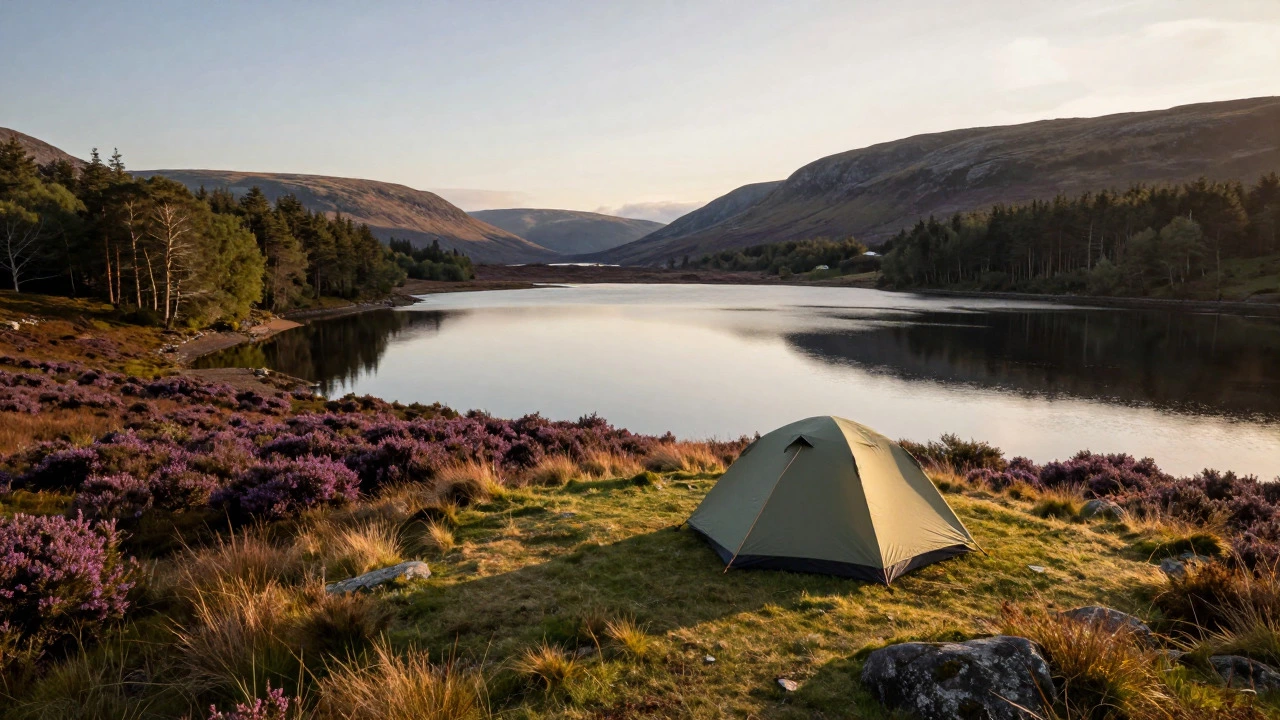
Picture this: you drive up a winding road in the Highlands, spot a pristine loch surrounded by heather and pine, and decide to pitch your tent right there. In most of the world, that’s trespassing. In Scotland, it’s basically your legal right. But before you pack your bag and head north, you need to know the fine print. The short answer is no, wild camping is not illegal in Scotland-but only if you do it right.
The confusion usually comes from people assuming UK law is uniform. It isn’t. While England and Wales treat land as private property with strict access rules, Scotland operates under a unique legal framework known as the Right to Roam. This concept, codified in the Land Reform (Scotland) Act 2003, gives everyone responsible access to almost all land and inland water. However, "responsible" is doing a lot of heavy lifting here. If you abuse this privilege, you can lose it for others-and potentially face fines or removal.
Understanding the Legal Framework
To camp legally in the wild, you first need to understand what the law actually says. The core document governing this is the Scottish Outdoor Access Code. Think of this code as the rulebook for how to behave when you’re off the beaten path. It doesn't just grant rights; it imposes duties. You have the right to access, but you also have the duty to respect nature and other people.
The key distinction lies in where you are. The Right to Roam applies to uncultivated land, forests, mountains, moorlands, and beaches. It generally does not apply to:
- Private gardens or enclosed areas around houses.
- Sports facilities like golf courses or football pitches.
- Roads and parking areas (unless specifically permitted).
- Cropped fields or agricultural land actively being used for farming.
If you set up camp in someone’s backyard or block a farmer’s tractor from reaching their field, you aren’t exercising your right to roam; you’re trespassing. The law protects the livelihoods and privacy of residents while encouraging outdoor enjoyment. Understanding these boundaries is the first step in avoiding conflict.
The Golden Rules of Responsible Wild Camping
Just because you can camp somewhere doesn’t mean you should. The Scottish Government and local councils emphasize "responsible recreation." Here are the non-negotiable rules that keep wild camping legal and welcome:
- Stay for Two or Three Nights Maximum: Don’t make it permanent. Move on after a couple of days to prevent environmental degradation and give the site a chance to recover.
- No Fires Wherever Possible: This is the biggest point of contention. Many areas have fire bans, especially during dry summers. Use a portable stove instead. If you must have a fire, use an existing ring, keep it small, and ensure it’s completely extinguished. Never leave a fire unattended.
- Leave No Trace: Take everything you bring with you. That includes toilet paper, biodegradable soap, and food scraps. Bury human waste at least 60 meters from water sources, or use a trowel to dig a cathole. Better yet, carry out your waste in a bag if facilities are nearby.
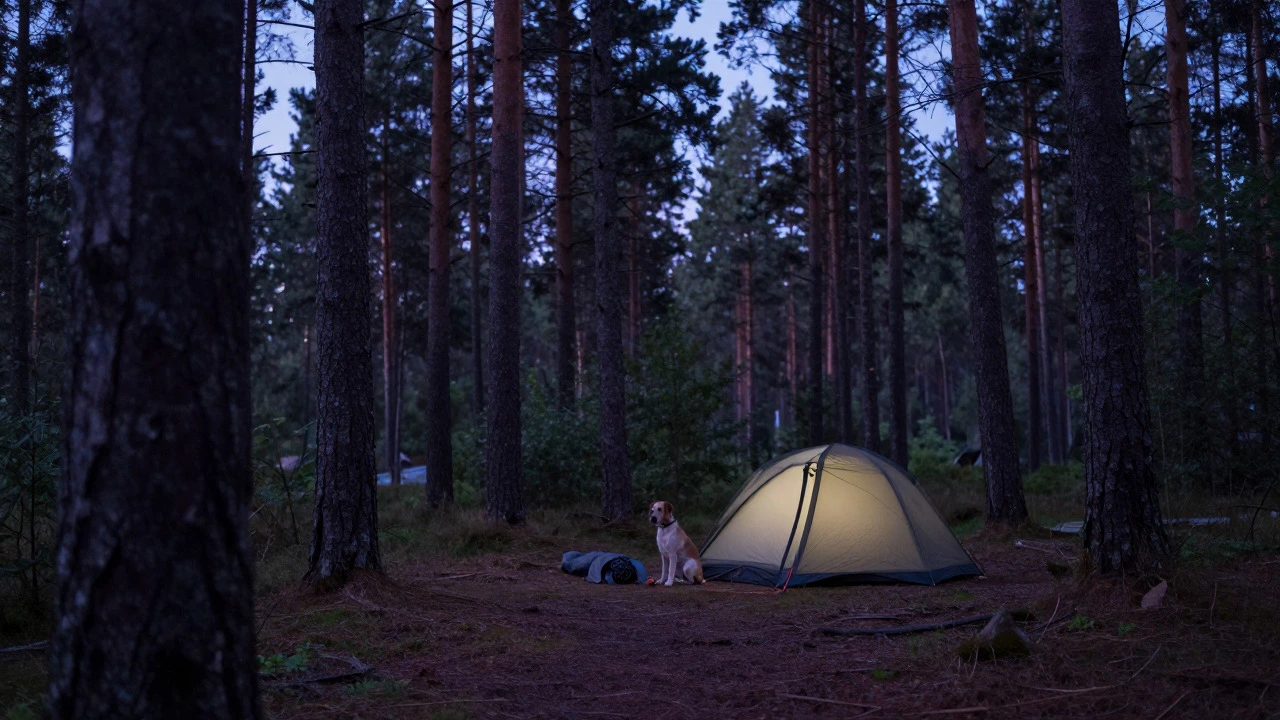
- Keep Dogs Under Control: Livestock stress causes real economic damage to farmers. Keep your dog on a lead near sheep, cattle, and deer, especially during lambing season (March to June).
- Respect Privacy: Camp at least 200 meters away from houses, roads, and paths. If you can see a window, you’re too close.
These rules aren’t suggestions; they’re the social contract that keeps the Right to Roam alive. When campers follow them, locals tend to be incredibly welcoming. When they don’t, complaints pile up, and restrictions tighten.
Where Can You Actually Camp?
Geography matters. Some parts of Scotland are more camper-friendly than others due to population density and terrain.
| Region | Suitability | Key Considerations |
|---|---|---|
| Highlands & Islands | Excellent | Vast open spaces, fewer people. Watch for midges in summer. Remote areas may lack phone signal. |
| Lowlands | Moderate | More farmland and housing. Stick to forest edges or riverbanks. Be very discreet. |
| National Parks (e.g., Cairngorms, Loch Lomond) | Good | Managed access. Follow specific park guidelines. Popular spots fill up fast. |
| Urban Fringes | Poor | High risk of disturbance. Local council bylaws may restrict camping near cities like Edinburgh or Glasgow. |
In the Highlands, you’ll find endless opportunities. The landscape is rugged and sparsely populated, making it easy to find a secluded spot. In the Lowlands, you need to be more strategic. Look for public forests managed by Forestry and Land Scotland, which often have designated wild camping areas. These sites sometimes offer basic amenities like toilets or picnic tables, bridging the gap between wild camping and formal campsites.
What About Motorhomes and Caravans?
This is where many travelers get tripped up. The Right to Roam primarily covers pedestrians and cyclists. Parking a motorhome or caravan overnight in the wild is technically different from pitching a tent. While there’s no explicit ban on sleeping in a vehicle parked on public land, local councils have powers to enforce against "nuisance" or obstruction.
If you park your motorhome on a quiet layby for one night, you’re likely fine. If you stay for a week, set up chairs outside, and create a mess, you’re inviting trouble. Police or council officers can issue Penalty Charge Notices (PCNs) for unauthorized stopping or littering. To avoid headaches, consider using designated wild camping spots for motorhomes or sticking to official campsites if you plan to stay longer than 48 hours.
Seasonal Restrictions and Fire Bans
Weather dictates much of wild camping in Scotland. Summer brings long days and warm nights, but also midges-tiny biting insects that can ruin your experience. Spring and autumn offer clearer skies and fewer bugs, but temperatures drop quickly. Winter camping is possible but requires serious gear and preparation.
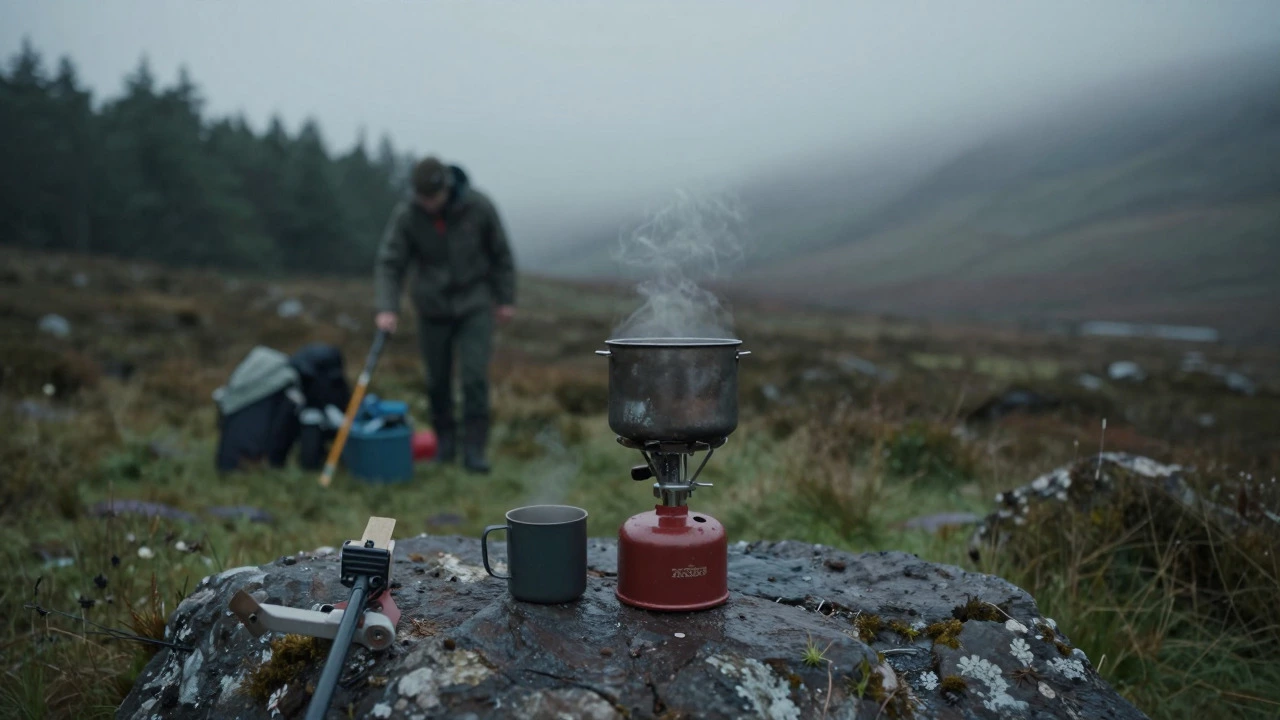
Fire bans are critical. During dry periods, especially July through September, many areas impose total fire bans. Check local council websites or National Park authority pages before you go. A single spark can start a wildfire that destroys habitats and costs millions to fight. Using a gas stove isn’t just safer; it’s more environmentally friendly since it leaves no ash or charred earth behind.
How to Find the Perfect Spot
You don’t need expensive apps to find wild camping spots. In fact, relying solely on GPS coordinates can lead to overcrowding at popular locations. Instead, try these methods:
- Use Topo Maps: Ordnance Survey maps show contours, water sources, and public footpaths. Look for gentle slopes near streams but away from flood zones.
- Talk to Locals: Pub owners, shopkeepers, and rangers often know hidden gems. They might warn you about recent issues or suggest better alternatives.
- Visit Forestry and Land Scotland Sites: Their website lists hundreds of wild camping locations across Scotland, complete with photos and directions.
- Explore Quiet Corners: Avoid obvious viewpoints. Walk 10-15 minutes off the main trail to find seclusion.
Remember, the best spots are often the ones you discover yourself. There’s something special about earning your view rather than following a crowd.
Common Mistakes to Avoid
Even experienced campers make errors. Here are the top pitfalls that turn a great trip into a legal headache:
- Camping Too Close to Roads: It’s convenient, but noisy and visible. Drivers feel unsafe, and neighbors complain. Go deeper into the woods.
- Leaving Trash Behind: Plastic bottles and food wrappers are eyesores. Even biodegradable items take time to break down. Pack it in, pack it out.
- Ignoring Livestock: Sheep aren’t pets. They’re valuable assets. Letting dogs chase them stresses the animals and angers farmers. Keep leashes handy.
- Staying Too Long: One night feels like an adventure. Three nights starts looking like squatting. Rotate your spots frequently.
- Assuming Permission Isn’t Needed Everywhere: Private estates still exist. If you see signs saying "No Trespassing," respect them. Not all land is covered by the Right to Roam.
Avoiding these mistakes ensures that wild camping remains a cherished tradition in Scotland. It’s about balance-enjoying freedom while respecting responsibility.
Is wild camping free in Scotland?
Yes, wild camping is generally free under the Right to Roam. You don’t pay for access to public land. However, some designated wild camping sites managed by Forestry and Land Scotland may ask for voluntary donations to maintain facilities.
Can I wild camp in National Trust for Scotland properties?
The National Trust for Scotland manages many historic sites and landscapes. While they support the Right to Roam, some areas may have specific restrictions to protect heritage or wildlife. Always check their website or signage before setting up camp.
What happens if I break the rules?
Minor infractions might result in a warning from rangers or locals. Serious offenses, like causing fires, excessive littering, or harassing livestock, can lead to fines under the Environmental Protection Act or Anti-social Behaviour orders. Persistent offenders may be banned from specific areas.
Do I need insurance for wild camping in Scotland?
While not legally required, having travel or personal accident insurance is wise. Medical emergencies in remote areas can be costly to evacuate. Check if your policy covers outdoor activities and wilderness rescue.
Is wild camping allowed in England and Wales?
No, wild camping is largely illegal in England and Wales without landowner permission. Exceptions include Dartmoor and Exmoor in England, where limited wild camping is tolerated under specific conditions. Always seek consent elsewhere.
Can I collect wood for a fire?
Collecting dead wood is generally acceptable for small fires, but avoid breaking live branches. In protected areas or during fire bans, even dead wood collection might be restricted. Carry your own fuel source when possible to minimize impact.
Are there any apps for finding wild camping spots?
Apps like WildCampScotland and iOverlander provide user-generated data on camping spots. Use them as starting points, but verify conditions locally. Apps can become outdated quickly, so cross-reference with official sources.