Scotland Wild Camping Readiness Checker
Location & Logistics
Select all that apply to your current plan.
Environment & Safety
Confirm your environmental impact strategy.
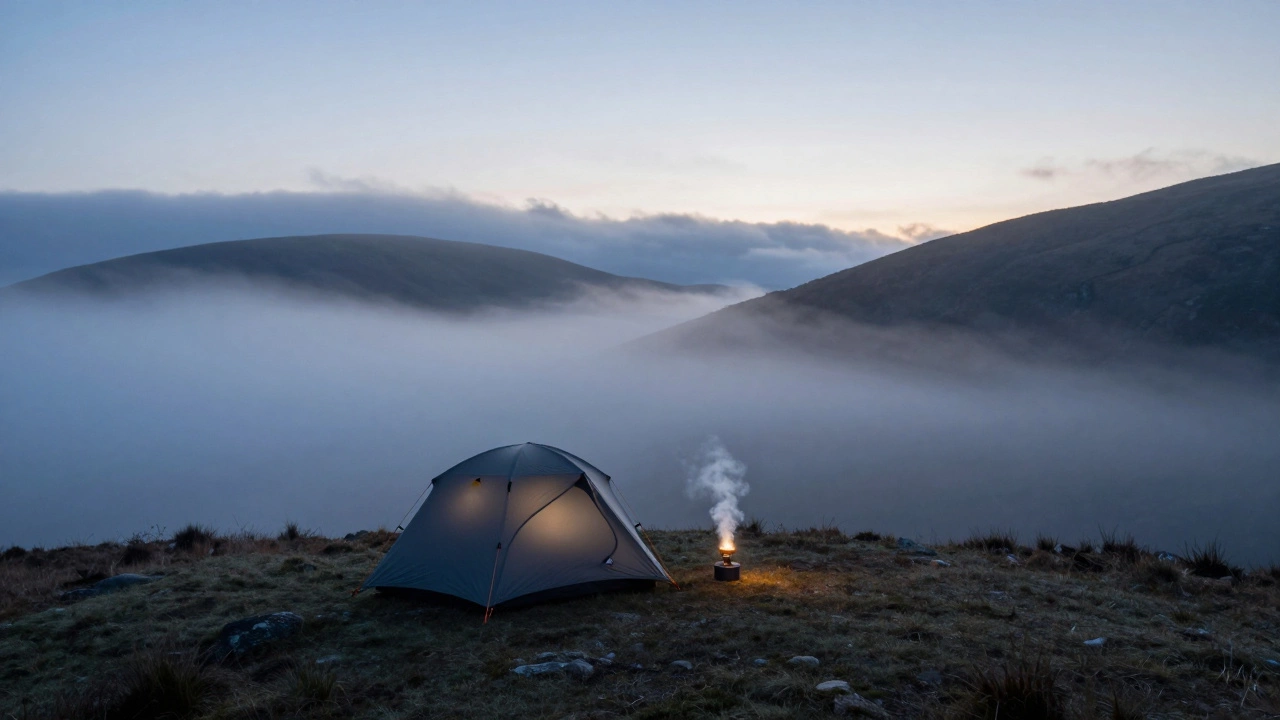
Imagine standing on a misty hilltop at dawn, the only sound being the wind and your own breathing. You pitch your tent, brew coffee over a small stove, and watch the sun rise over the Highlands. This isn’t a dream sequence from a movie; it’s a reality for thousands of visitors every year thanks to one of the most liberal outdoor access laws in the world.
If you are asking is wild camping allowed in Scotland, the short answer is yes. But the long answer requires understanding the difference between a legal right and a privilege that comes with strict responsibilities. Unlike England or Wales, where sleeping rough often leads to eviction by local authorities, Scotland operates under a unique legal framework that grants public access to almost all land.
The Legal Backbone: The Land Reform (Scotland) Act 2003
To understand why you can sleep outside in Scotland, you have to look at the Land Reform (Scotland) Act 2003. This legislation fundamentally changed the relationship between people and land in the country. Before this act, landowners had absolute control, and trespassing was a criminal offense. The Act introduced the concept of "responsible access," codifying ancient rights into modern law.
Under Section 1 of the Act, everyone has the right to be on land and water in Scotland for non-motorized recreation. This includes hiking, climbing, kayaking, and yes, camping. However, this right is not unlimited. It applies to almost all land, including private estates, forests, and mountains, but there are specific exclusions you need to know about.
You cannot exercise these rights on:
- Private gardens attached to houses.
- School playgrounds or sports fields.
- Airfields or areas with military training.
- Land where crops are currently growing.
- Areas explicitly signed off for safety reasons (like unstable cliffs).
Crucially, the Act does not give you the right to camp on beaches below the high-water mark if they are designated as part of a managed beach facility, though many remote beaches remain open. Always check local signage.
The Golden Rule: Responsible Access
The law works on a simple premise: your freedom ends where someone else’s privacy or safety begins. The Scottish Outdoor Access Code is the practical guide that interprets the Land Reform Act. It is not just a suggestion; it is the standard against which your behavior will be judged if a complaint arises.
Responsible wild camping means leaving no trace. If you leave trash, damage fences, or disturb livestock, you are violating the spirit and letter of the law. Landowners do have the right to ask you to move if your presence causes significant disturbance. While they cannot charge you a fee for camping, they can enforce boundaries if you are behaving irresponsibly.
Think of it like borrowing a friend’s house. You’re welcome to stay, but you don’t throw a party, break things, or expect them to clean up after you. In Scotland, the entire countryside is essentially borrowed space. Treat it with respect, and you’ll find locals are incredibly welcoming. Disrespect it, and you risk losing access for everyone.
Where Can You Actually Camp?
While the law allows camping almost anywhere, practicality and courtesy dictate where you should go. The best spots are those that minimize impact on others and the environment.
| Location Type | Legal Status | Recommendation |
|---|---|---|
| Remote Hills & Mountains | Allowed | Highly Recommended. Low impact, few people around. |
| Forests (Forestry and Lands Scotland) | Allowed | Good option. Look for existing tracks to avoid damaging young trees. |
| Beaches | Generally Allowed | Cautious. Check tide times. Avoid popular tourist beaches during summer. |
| Near Private Homes | Technically Allowed* | Avoid. Stay at least 200 meters away from buildings to respect privacy. |
| Popular Tourist Spots (e.g., Loch Ness shore) | Allowed | Not Recommended. High traffic increases conflict risk. Use campsites instead. |
*Note: While technically allowed under the Act if not in a garden, camping near homes often leads to complaints. The Code advises staying well clear of dwellings.
Duration Limits: How Long Can You Stay?
One of the most common questions is how long you can stay in one spot. The Scottish Outdoor Access Code suggests a limit of one or two nights in any single location. This rule exists to prevent environmental degradation and to ensure fair access for other users.
If you stay longer than two nights, you start to look like you are setting up a permanent residence, which shifts the dynamic from recreational access to occupation. This can trigger issues with local councils regarding waste management and public health. Moving on after 48 hours allows the land to recover and keeps the area feeling wild rather than used.
If you want to stay in one general area for a week, rotate your campsite. Pitch in a new spot each night, ensuring you are far enough away from your previous site to hide traces of your stay. This practice, known as "rotational camping," is a hallmark of experienced wild campers.
Fires and Cooking: Managing Heat Safely
There is nothing quite like cooking dinner over an open fire in the Scottish wilderness. However, fire management is critical. Ground fires are discouraged because they damage the soil structure, kill vegetation, and leave unsightly scars that last for years.
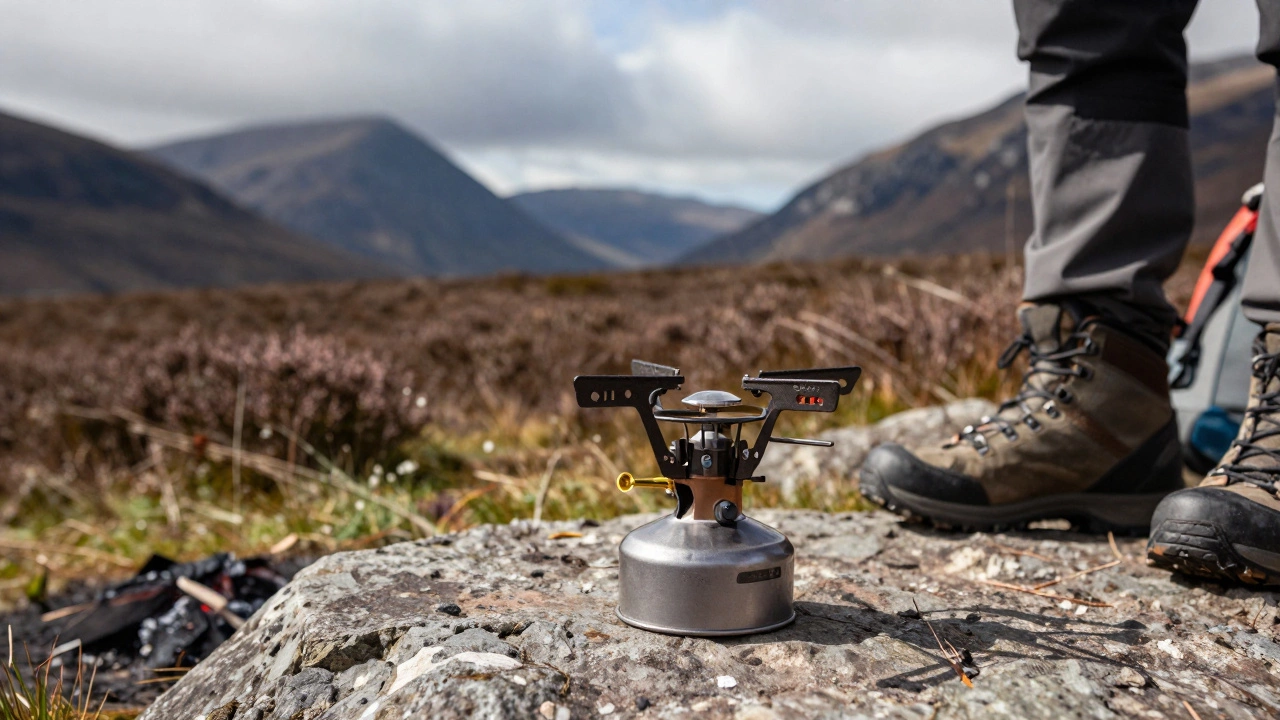
Instead, use a portable stove. They are efficient, safe, and leave zero impact. If you must have a fire, use a raised fire ring or a commercially available fire pit that sits on top of the ground without digging into it. Ensure the fire is completely extinguished before you leave-drown it with water until it hisses no more, then stir and drown again.
In dry conditions, particularly in summer, the risk of wildfires is real. A single spark can destroy acres of heather and peatland. During periods of high fire risk, local authorities may issue temporary bans on open fires. Always check local news or council websites before lighting up.
Livestock and Wildlife: Sharing the Space
Scotland is full of animals, both domestic and wild. Cattle, sheep, and Highland cows graze freely across much of the countryside. Gates are left open for a reason. When you pass through a gate, close it behind you. If you see livestock, keep your distance. Calves are especially vulnerable to stress from humans and dogs.
Dogs must be kept under close control. This is not just about protecting livestock; it’s also about wildlife. Birds nest on the ground, and rabbits and hares are easily spooked. An off-leash dog can cause panic that leads to injury or death for these animals. In some areas, signs will explicitly require dogs to be leashed. Ignore these at your peril.
Wildlife such as red deer and golden eagles are protected. Do not attempt to feed or approach them. Your presence should be invisible to them. If you are watching wildlife, do so from a distance using binoculars, not by stalking.
What About Motorhomes and Cars?
This is where the law gets tricky. The Land Reform Act covers non-motorized recreation. Parking a car overnight in a layby or on the side of the road to sleep in a motorhome or tent is generally considered a separate issue from walking-based wild camping.
While there is no specific national law banning overnight parking in cars everywhere, many local councils have bylaws that prohibit sleeping in vehicles in certain areas, particularly near tourist hotspots. Forestry and Lands Scotland manages many forests, and while they allow wild camping, they often restrict vehicle access to designated parking areas. Sleeping in a car outside of these designated spots can lead to fines or being asked to move.
If you are wild camping with a car, park legally during the day, hike to your campsite, and return the next morning. This "park and hike" method ensures you comply with parking regulations while enjoying the benefits of wild camping. Never block farm gates, driveways, or narrow roads.
Seasonal Considerations: Summer vs. Winter
Wild camping in Scotland varies drastically by season. Summer brings crowds. Popular spots like Glencoe or the Isle of Skye can become congested. During July and August, consider moving further inland or to less famous locations to avoid conflicts with large groups of tourists.
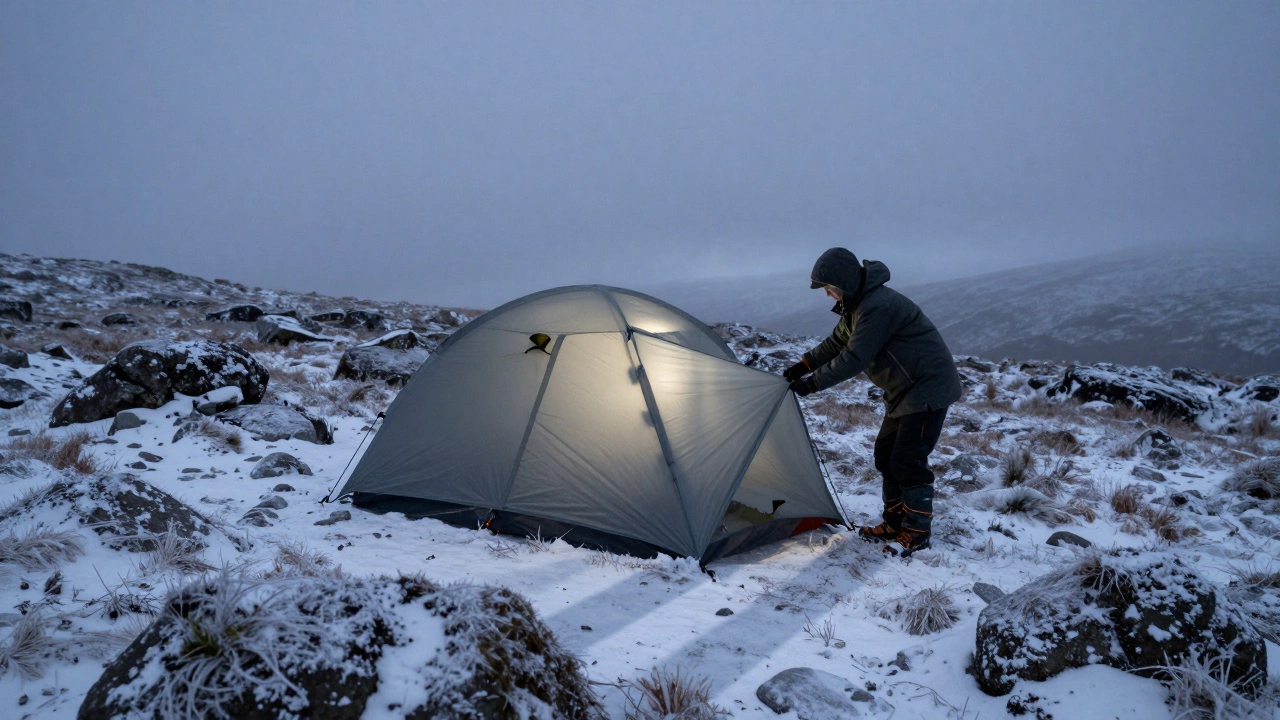
Winter offers solitude but demands skill. Temperatures drop, days are short, and weather changes rapidly. You need proper gear: a four-season tent, a sleeping bag rated for sub-zero temperatures, and waterproof clothing. Hypothermia is a real risk. If you are not experienced in winter survival, stick to established campsites or hostels during the colder months.
Spring and autumn are often the sweet spots. Fewer people, milder weather, and stunning landscapes make these seasons ideal for wild camping. Just remember that midges (tiny biting insects) are prevalent from May to September. Bring repellent and head nets; they are essential tools, not optional accessories.
Consequences of Breaking the Rules
What happens if you break the rules? Most landowners prefer dialogue over confrontation. If they ask you to move, do so politely and promptly. Arguing rarely helps. However, repeated offenses or serious breaches (like causing damage or refusing to leave) can lead to legal action.
Local authorities can issue Civil Enforcement Notices. Ignoring these can result in fines. In extreme cases, persistent offenders can be prosecuted under the Civic Government (Scotland) Act 1982 for anti-social behavior. While rare, it does happen. The goal of the law is shared enjoyment, not punishment, but the teeth are there to protect the system.
Can I wild camp anywhere in Scotland?
Almost anywhere, but not everywhere. You cannot camp in private gardens, on crop fields, in school playgrounds, or in areas signed off for safety. You must also stay away from private dwellings to respect privacy. Always follow the Scottish Outdoor Access Code.
How many nights can I stay in one place?
The Scottish Outdoor Access Code recommends a maximum of one or two nights in any single location. Staying longer can damage the environment and disturb others. Rotate your campsite if you wish to stay in the same general area for longer.
Do I need permission from the landowner?
No, you do not need explicit permission to wild camp under the Land Reform (Scotland) Act 2003. However, you must behave responsibly. If a landowner asks you to move due to disturbance or safety concerns, you must comply immediately.
Can I light a fire while wild camping?
Ground fires are discouraged as they damage the environment. Use a portable stove instead. If you must have a fire, use a raised fire ring and ensure it is completely extinguished. Check for local fire bans during dry periods.
Is wild camping free?
Yes, wild camping is free. Landowners cannot charge you for accessing their land under the Land Reform Act. However, you are expected to leave no trace and take all your rubbish with you.