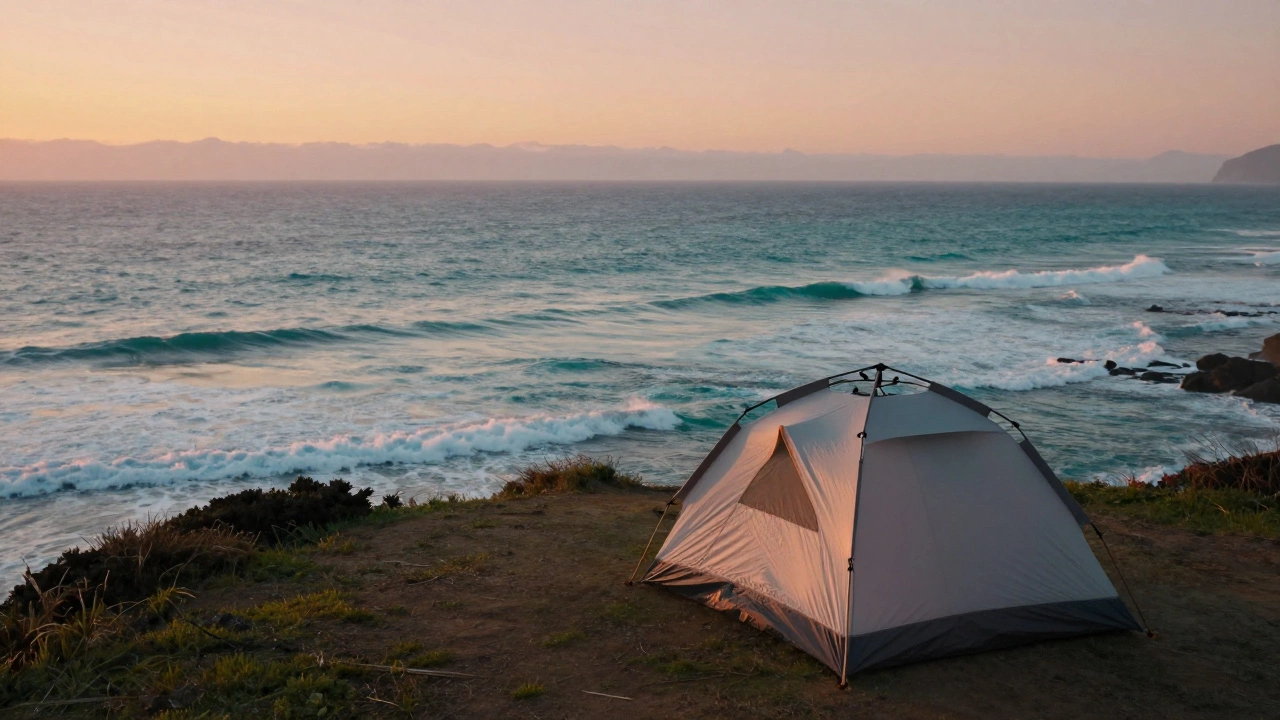
California Coastal Camping Legality Checker
Select your intended camping scenario below to see if it's generally legal and what risks you might face.
City/State Beach
High RiskPitching a tent directly on the sand at a popular city or state-managed beach.
BLM/National Forest
Low RiskDispersed camping on federal lands located near (but not on) the shoreline.
Sleeping in Car
Moderate RiskParking overnight in a vehicle on beach access roads or shoulder areas.
Wilderness/Backcountry
Permit BasedHiking into remote areas like the Lost Coast for a multi-day stay.
Кey Takeaways for Coastal Sleepers
- Direct "wild camping" on the sand is illegal in almost every city and state park.
- Your best bet is Dispersed Camping on BLM or National Forest land that happens to be near the coast.
- Always check local ordinances, as "free" can quickly turn into a $500 fine.
- Leave No Trace isn't just a suggestion here; it's the only way these few spots stay open.
The Legal Reality: Why You Can't Just Pitch a Tent
If you've watched movies where people just set up a campfire on the beach, forget it. In California, the California Coastal Commission manages the shoreline to ensure public access, but that doesn't include the right to live there for the night. Most beaches are either city-owned, state-owned, or private. City beaches (like those in Santa Monica or Laguna Beach) strictly forbid overnight stays to prevent homelessness and litter.
State parks, managed by California State Parks, have designated campsites. If you aren't in a paid slot, you're trespassing. The risk isn't just a ticket; you're often dealing with protected nesting grounds for birds or endangered species. If you set up camp in a restricted area, you're not just breaking a rule-you're potentially destroying a habitat.
Finding the Loophole: Dispersed Camping
So, how do you actually find a free spot? You have to look away from the "beach" and toward the "land." The secret is Dispersed Camping. This is a type of camping where there are no facilities, no designated pads, and no fees. It's usually found on land managed by the Bureau of Land Management (BLM) or the U.S. Forest Service.
The trick is to find where these federal lands meet the coast. For example, in the more rugged parts of Northern California, you can find BLM land that is just a short hike away from the ocean. You aren't sleeping *on* the sand, but you're close enough to hear the waves and walk to the water in two minutes. This is the only legal way to "camp for free" near the beach without being in a designated, paid campground.
Top Regions for Free or Low-Cost Coastal Access
Depending on where you are driving, your options change. Southern California is a nightmare for free camping because almost every inch of the coast is developed or strictly regulated. However, as you move north, the landscape opens up.
In the Central Coast, look toward the Ventana Wilderness. While the beach itself is often off-limits for overnight stays, the surrounding national forest land offers dispersed options. In Northern California, the area around the Lost Coast is legendary. Because it's so inaccessible by car, there are more opportunities for backcountry camping that feels like beach camping, though you'll be hiking in with all your gear.
| Option | Cost | Legality | Comfort Level | Access |
|---|---|---|---|---|
| City/State Beaches | Free/Paid | Illegal (if free) | High | Very Easy |
| BLM Dispersed Land | Free | Legal | Low | Moderate |
| National Forests | Free/Low | Legal | Moderate | Moderate |
| Backcountry/Wilderness | Free/Permit | Legal | Very Low | Hard |
The Unspoken Rules of Free Camping
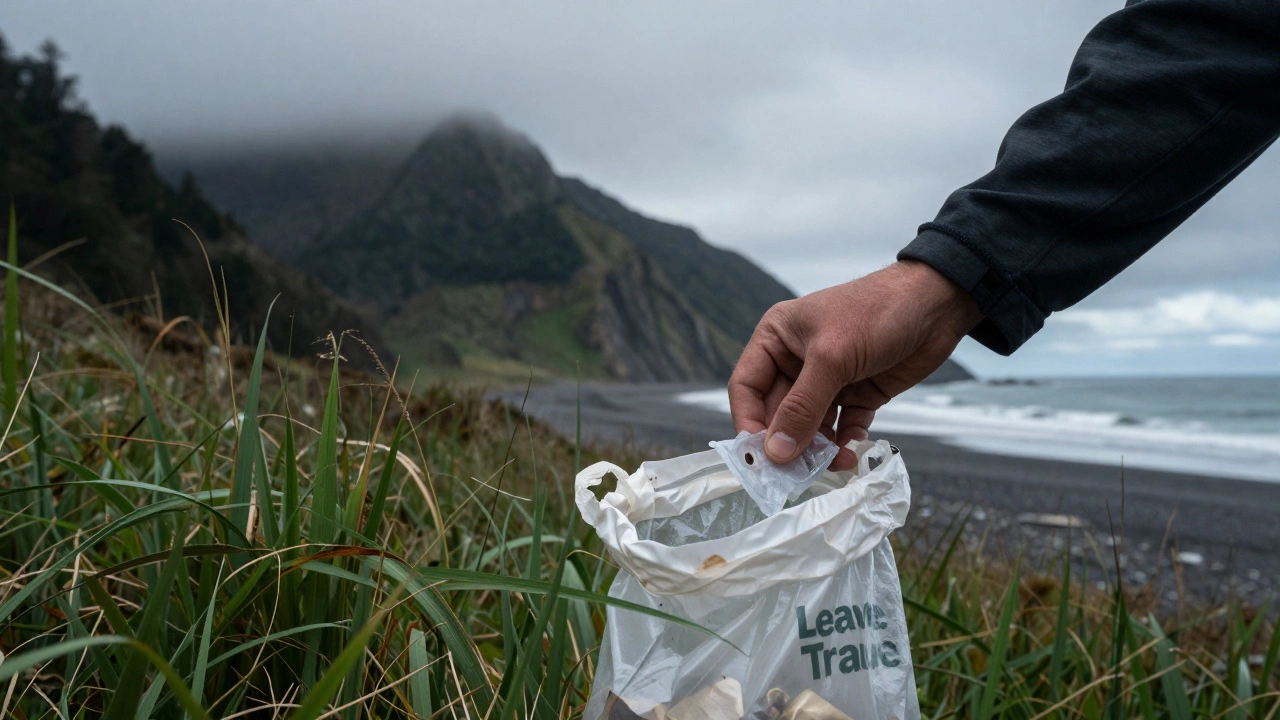
If you find a legal spot, you have a huge responsibility. The moment a "free" area becomes a trashy wasteland, the government closes it. This is why the Leave No Trace principles are non-negotiable. If you bring a plastic bag, you take it out. If you move a rock, you put it back.
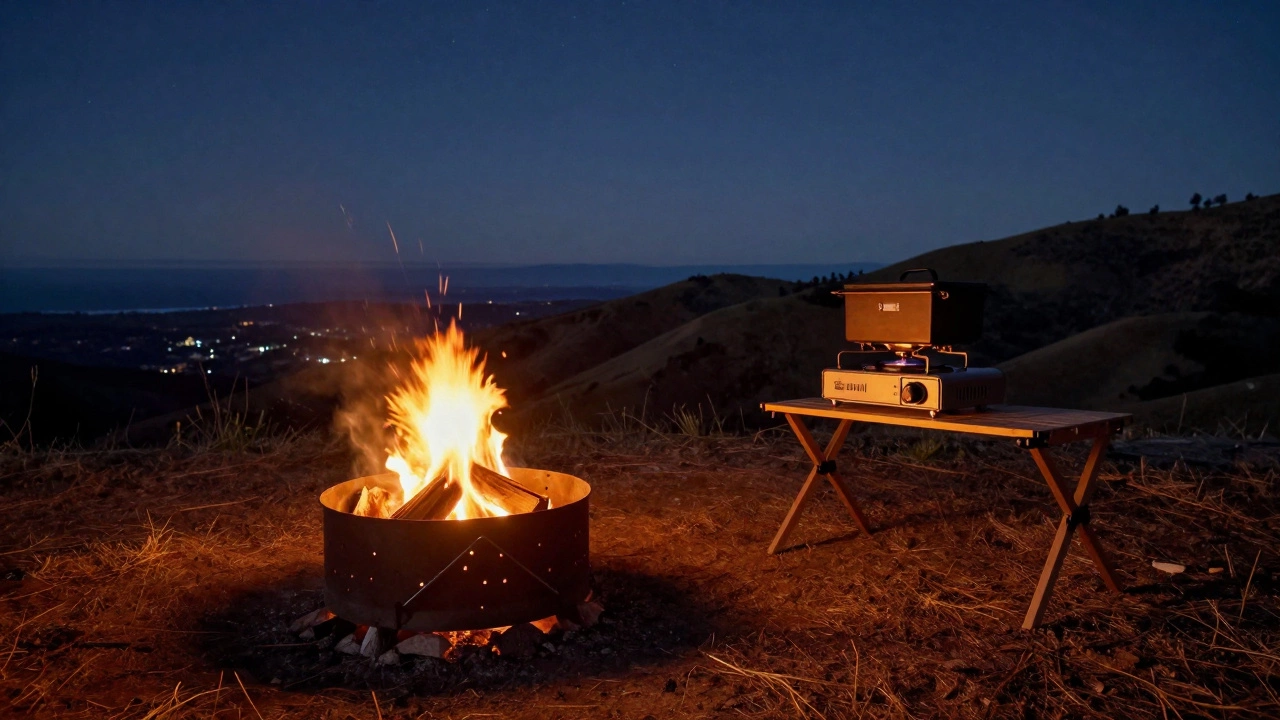
Fire is the biggest issue. California is a tinderbox for half the year. Using a campfire on a beach or in a dispersed forest area during a Red Flag Warning isn't just illegal-it's dangerous. Always use a portable propane stove instead of a wood fire if you're in a high-risk zone. If you do use a fire ring, make sure it's an existing one; digging a new hole in the sand is often a punishable offense.
Common Pitfalls and How to Avoid Them
One big mistake travelers make is trusting outdated blogs. A spot that was "free and legal" in 2022 might have been closed by the city council in 2023. The best way to verify a spot is to use an app like iOverlander or Public Land and then cross-reference it with the official USFS (United States Forest Service) website for that specific district.
Another trap is the "just for one night" mentality. People think if they hide their tent in the dunes and leave before dawn, they'll be fine. While you might get lucky, rangers in areas like Big Sur are incredibly vigilant. A single fine can cost more than a week's worth of stays at a luxury resort, so it's simply not worth the risk.
Alternative Options When Free Camping Fails
If you can't find a legal free spot, don't give up on the beach experience. Look for "First-Come, First-Served" (FCFS) sites in state parks. While they aren't free, they are often much cheaper than reserved sites and allow you to snag a prime location if you arrive early in the morning.
Alternatively, look for Hipcamp. It's essentially Airbnb for campsites. Many landowners along the California coast rent out small patches of their land for a few dollars a night. You get a legal place to stay, a guaranteed spot, and often a stunning view of the ocean, all while supporting a local farmer or resident.
Is it legal to sleep in my car on California beaches?
Generally, no. Most coastal cities and state parks have ordinances against overnight parking or sleeping in vehicles on beach access roads. While some remote BLM areas allow this, you must ensure you are on federally managed land and not on city or state property.
Where is the best place for free camping near the coast?
Northern California offers the most flexibility. Look for dispersed camping areas in the Mendocino National Forest or the rugged coastlines of Humboldt County. Always check the US Forest Service maps to ensure you are outside of "no camping" zones.
Do I need a permit for free camping in California?
For dispersed camping on BLM land, you typically don't need a permit for short stays. However, if you are entering a designated "Wilderness Area" (like the Lost Coast), you will almost certainly need a backcountry permit to limit the number of people in the area.
What happens if I get caught camping illegally on a beach?
Depending on the jurisdiction, you could face a warning, a citation, or a heavy fine ranging from $100 to over $500. In protected wildlife sanctuaries, the penalties are much steeper and can even include a court appearance.
Can I start a fire on the beach if I'm camping?
Only if it is explicitly legal in that specific area and there is a designated fire ring. Many California beaches ban all open flames due to high wind and fire risk. Always check the current fire restrictions for the county you are visiting.
Next Steps for Your Trip
Before you head out, download offline maps of the Bureau of Land Management areas. Cell service disappears the moment you hit the coast of Big Sur or the Lost Coast, and you don't want to be guessing where the legal boundary ends and the state park begins.
If you're a beginner, start with a Hipcamp site to get your bearings. Once you're comfortable with the gear and the rules, you can venture into the dispersed lands of the North Coast. Just remember: the goal is to leave the beach exactly as you found it so the next person can enjoy the same view.