UK Van Sleeping Legality Checker
Select your scenario below to see if you are likely to be legally safe or at risk of a fine.
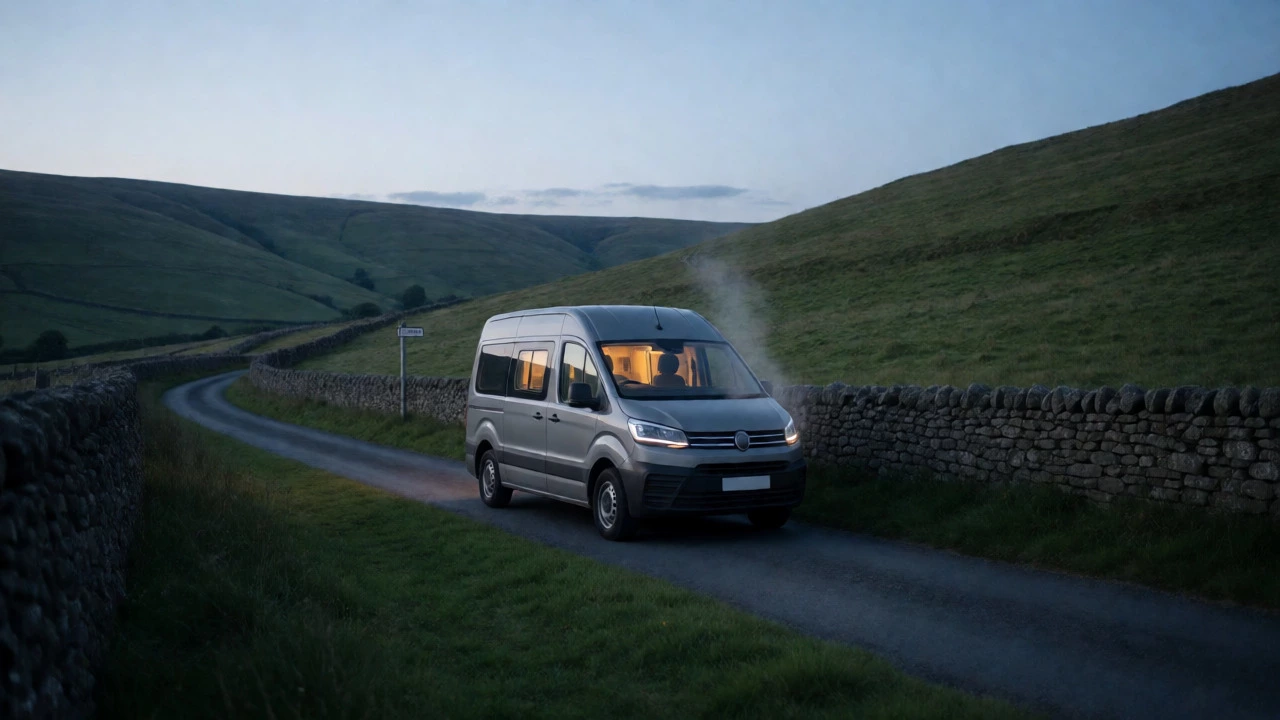
You pull over on a quiet lane in the Peak District, engine ticking as it cools. You’re tired, the day’s miles are done, and there’s not a campsite for twenty miles. So, you recline your seat, crack the window, and close your eyes. But is that actually legal? Or are you about to wake up to a fine and a towing company?
This is the million-dollar question for anyone considering van life or weekend escapes in Britain. The short answer? It’s complicated. There isn’t one single law that says "yes" or "no." Instead, you’re navigating a patchwork of local bylaws, highway codes, and landowner rights. Let’s cut through the noise and look at what you can actually do without getting slapped with a penalty notice.
The Myth of the "Right to Camp"
Unlike Scotland, where you have broad rights to roam, England and Wales don’t have a universal right to wild camp. If you see a sign saying "No Camping," that usually refers to pitching a tent outside your vehicle. Does it apply to a sleeping van? Often, yes. Local councils use these signs to manage traffic and prevent abuse, but enforcement varies wildly.
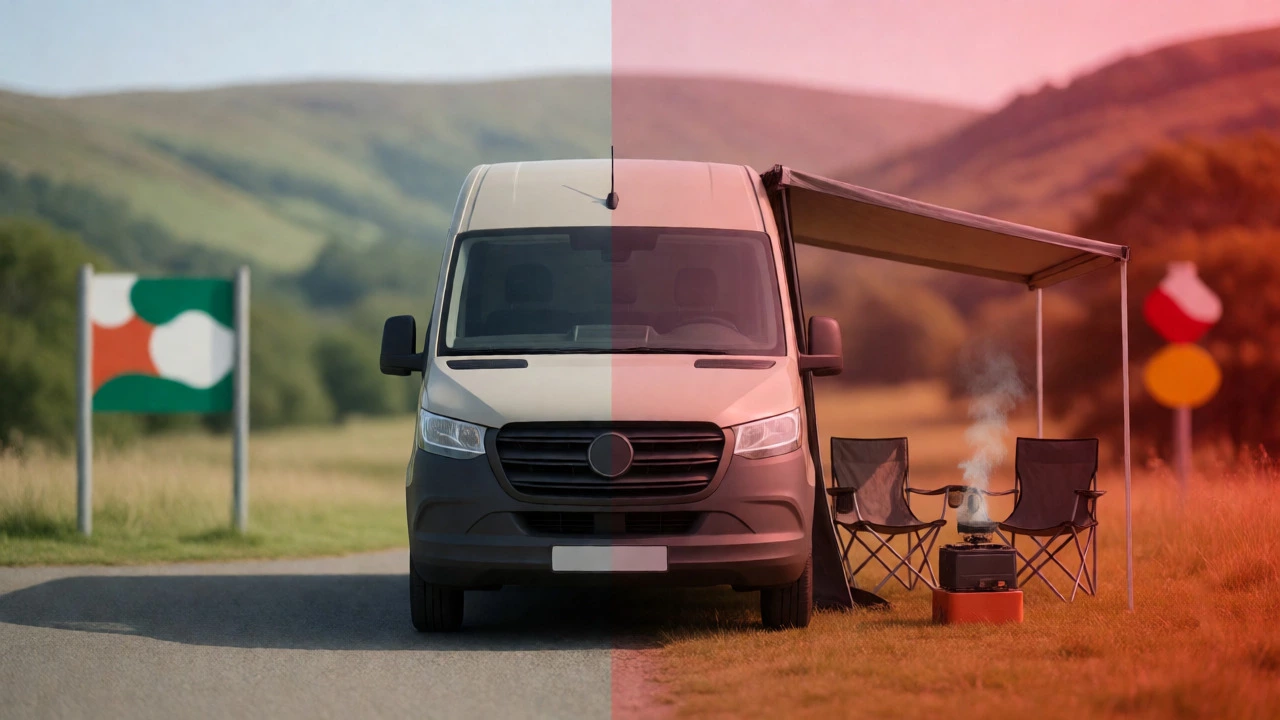
Here’s the reality: In most of England and Wales, you are legally allowed to stop and sleep in your vehicle on public roads, provided you aren’t obstructing traffic or breaking specific local restrictions. However, "sleeping" is different from "camping." If you set up chairs, put out an awning, or cook on a fire pit, you’ve crossed the line into camping. That’s when you become vulnerable to fines under bylaws like those found in National Parks.
England and Wales: Where Can You Actually Stop?
If you’re driving through the Cotswolds or the Lake District, you need to know the difference between a layby and a designated rest area. Laybys are for resting drivers, not for setting up home. Most councils tolerate overnight stops if you keep things low-key. But let’s be real-tolerance isn’t legality. If a warden decides you’re causing a nuisance, they can ask you to move on.
| Region | General Rule | Risk Level | Key Restriction |
|---|---|---|---|
| Scotland | Permitted under Access Code | Low | Avoid private gardens/doors |
| National Parks (E&W) | Tolerated if discreet | Medium | No fires, no litter, leave early |
| Roadside/Laybys | Allowed for rest | Medium | Must move on in morning |
| Car Parks | Depends on signage | High | Check for "No Overnight Parking" |
In urban areas, things get stricter. London boroughs, for instance, have aggressive anti-van-life policies. In Westminster or Kensington, you might find yellow lines that mean "no stopping at any time," which technically includes sleeping. Always check the street cleaning schedules too; you don’t want to be towed away while you’re still snoring because you forgot it was bin day.
Scotland: The Golden Ticket for Van Life
If you want true freedom, head north. Scotland has the Land Reform (Scotland) Act 2003, which gives everyone the right to access most land and inland waterways for recreation, including camping. This applies to vans too, as long as you follow the Scottish Outdoor Access Code.
The rules here are clear: Leave no trace. Don’t camp near houses unless you have permission. Don’t block paths. And crucially, don’t stay in one spot for more than two or three nights. It’s a genuine legal right, not just a polite suggestion. This makes Scotland a haven for van dwellers who want to escape the constant anxiety of being moved on by wardens in England.
National Parks: The Red Zone
England’s National Parks, like Dartmoor or the Yorkshire Dales, have their own bylaws. These often ban camping outside designated sites. While some rangers turn a blind eye to a single van parked discreetly, others are strict. In Dartmoor, for example, recent conflicts between walkers, climbers, and campers have led to tighter regulations. If you’re caught with an awning extended or a BBQ going off in a prohibited zone, you could face a fixed penalty notice of around £100.
The key word here is "discreet." If you arrive late, sleep quietly, and leave before sunrise without leaving a footprint, you’re less likely to attract attention. But if you’re part of a convoy of five vans taking over a layby, expect trouble.
Private Land and Farms: Ask First
Many people assume they can just park on a farm track. Wrong. Farm tracks are often private property or permissive paths. Sleeping there without asking is trespassing. The best approach? Knock on the farmhouse door. Farmers are generally friendly if you’re respectful. Offer to pay a small fee (£5-£10) for a night. You’ll get a safe place to sleep, fresh eggs in the morning, and peace of mind. Apps like ShareTheSpace or Camplify help connect travelers with landowners offering spots.
Parking Laws vs. Camping Laws
It’s vital to distinguish between parking violations and camping offenses. A parking ticket means you broke traffic rules (e.g., blocking a driveway). A camping fine means you broke local bylaws regarding leisure activities. You can get both!
- Yellow Lines: Usually mean no waiting during specified hours. Sleeping is often tolerated outside these hours, but check local signs.
- Double Yellow Lines: No waiting at any time. Technically, you shouldn’t even stop to buy a coffee, let alone sleep. Enforcement is laxer here, but risky.
- Residential Zones: Watch out for permit holders only. If you don’t have a permit, you’re risking a fine.
Practical Tips for Staying Out of Trouble
So, how do you sleep soundly without worrying about knocks on the window? Follow these heuristics:
- Arrive Late, Leave Early: Minimize your visibility. Most issues arise when locals see you lingering all day.
- Keep It Low Profile: No outdoor furniture, no open doors, no cooking smells wafting across the neighborhood.
- Leave No Trace: Take everything with you. Even a crisp packet left behind can ruin your reputation and lead to bans.
- Rotate Locations: Don’t return to the same spot repeatedly. It looks like you’re living there, which triggers stricter enforcement.
- Be Polite: If someone asks you to move, do so immediately. Arguing rarely helps and often escalates the situation.
Remember, the law is often vague, but community sentiment is powerful. If you’re seen as a guest rather than an invader, you’re far less likely to be targeted.
Can I sleep in my van anywhere in the UK?
No. While you can stop to rest almost anywhere, sleeping overnight is restricted in many places, especially in cities, National Parks, and private land. Scotland offers the most freedom due to its Right to Roam laws.
What happens if I get fined for wild camping in a van?
You typically receive a Fixed Penalty Notice, which ranges from £50 to £100 depending on the council. If you ignore it, the amount increases. In severe cases, persistent offenders might face prosecution.
Is it legal to live in a van permanently in the UK?
Yes, but you must maintain a registered address for tax and voting purposes. Many full-time van dwellers use a friend's address or a service like a virtual office. You also need to ensure your vehicle remains taxed, insured, and MOT'd.
Do I need permission to sleep on a farm?
Yes. Farmland is private property. Sleeping there without permission is technically trespassing. Always ask the landowner first. They may allow it for free or charge a small fee.
Are motorway service stations safe for overnight stays?
They are safe and legal, but often uncomfortable and expensive. Some services have started charging for overnight parking to deter long-term residents. Check the specific station's policy before arriving.