Campervan Ownership vs. Rental Cost Calculator
Calculate Your Annual Costs
Enter how many days you plan to use your campervan each year to compare ownership vs. rental costs.
Cost Comparison
Ownership recommendation: Rental makes more sense for your usage
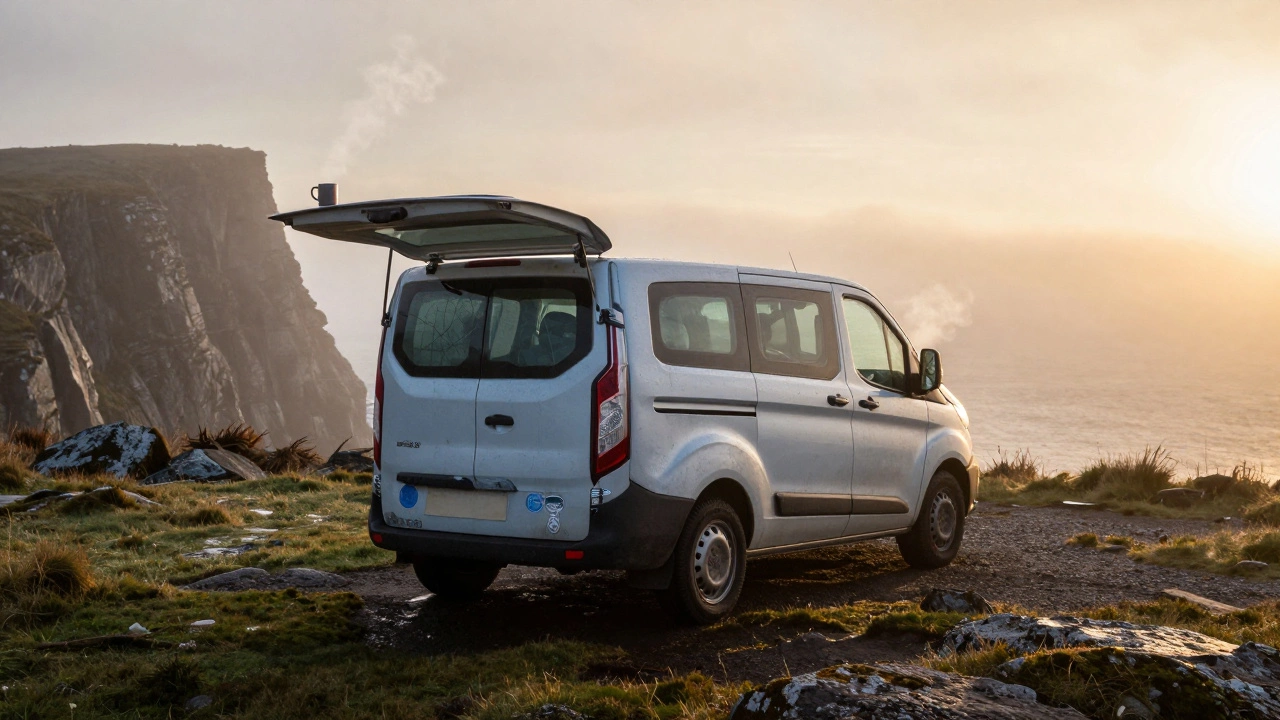
You’ve seen the Instagram posts: a sunlit campervan parked on a cliff overlooking the Irish Sea, coffee steaming in a mug, the open road ahead. It looks like freedom. But before you drain your savings or sign a 5-year loan, ask yourself: is it worth getting a campervan? Not the dream version. The real one. The one with breakdowns, parking fines, and winter condensation.
What You Actually Pay for a Campervan
Most people start by looking at used campervans on Facebook Marketplace or AutoTrader. A basic 2015 Ford Transit Custom conversion might cost €20,000. That sounds reasonable-until you add the hidden costs.
Insurance for a campervan in Ireland averages €850 a year, more if you’re under 30. Road tax? €270 for a 2.0L diesel. Servicing every 12,000 miles? €400 minimum. A full tank of diesel? €120. And that’s before you factor in repairs. One of my friends had a water pump fail in the middle of County Clare. The repair? €1,700. No warranty. No insurance cover.
Then there’s parking. You can’t just pull over anywhere. In cities like Dublin, Belfast, or Galway, overnight parking for campervans is either banned or costs €20-€30 a night at designated sites. Even in rural areas, you’ll pay €15-€25 at official campsites. If you’re wild camping illegally, you risk a €150 fine.
Let’s say you use it 30 days a year. That’s €1,200 in fuel, €800 in parking, €400 in servicing, €850 in insurance, and €270 in tax. That’s €3,520 just to keep it running. Add depreciation-campervans lose 15% of their value every year-and you’re looking at €3,000 in lost equity. So for 30 days of use, you’re spending over €6,500 a year. That’s more than a luxury holiday package.
The Reality of Living in a Campervan
People think campervans are cozy. They’re not. They’re cramped. A 4.8-meter van has less floor space than a studio apartment. You sleep on a bed that doubles as a seat. The kitchen has one burner. The fridge is the size of a lunchbox. The toilet? Either a portable cassette or a fixed unit that smells like a chemical spill if you don’t empty it every 3 days.
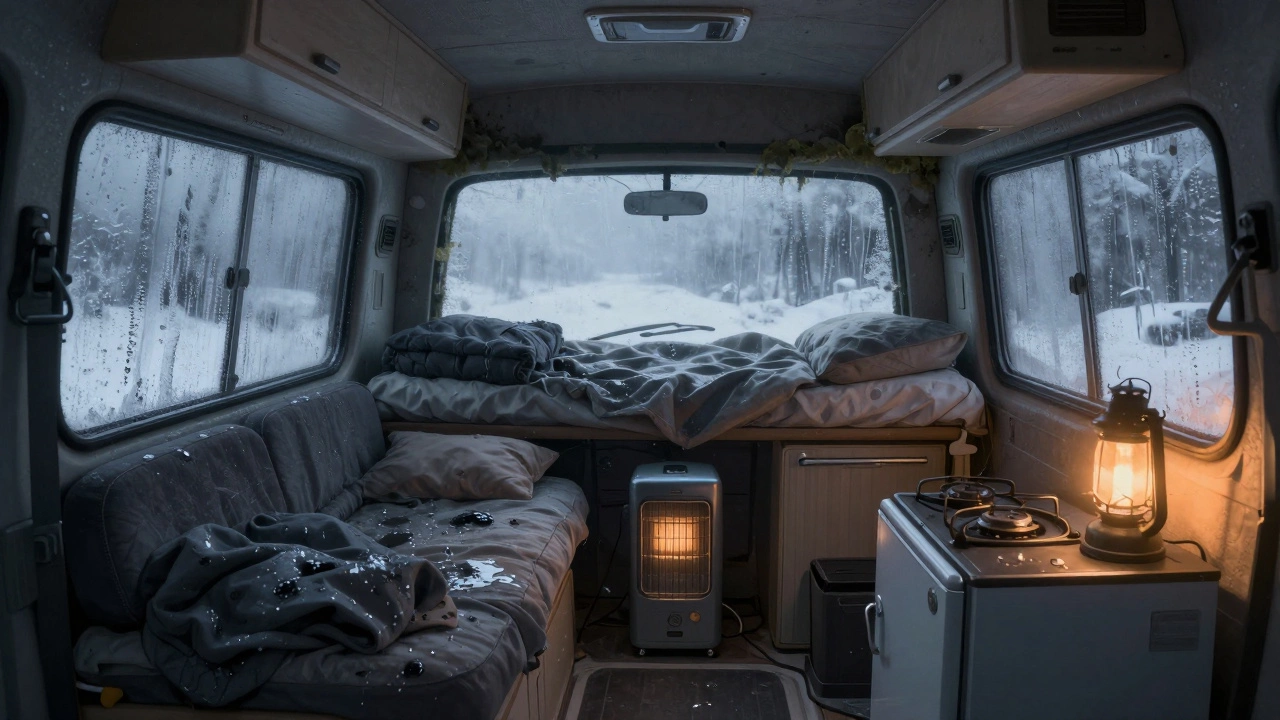
Winter is brutal. Insulation is thin. Condensation builds up on the windows overnight. You wake up to wet blankets and mold on the walls. Heating? A diesel heater costs €1,200 to install and burns €15 a night. Most people give up by November.
And the mental toll? Constant planning. Where will I park tonight? Is there a dump station nearby? Can I refill water? Do I have enough battery for the heater? Every trip becomes a logistics puzzle. You don’t relax-you manage.
When a Campervan Makes Sense
It’s not all bad. There are real reasons to own one.
If you’re a digital nomad working remotely and need to move between coastal towns in Ireland or Scotland, a campervan gives you flexibility no Airbnb can match. If you’re retired and want to travel slowly-spending 3 weeks in one place, then moving on-it’s perfect. If you have a family with young kids who love the adventure of packing up and going somewhere new every weekend, the memories are priceless.
And if you’re using it for work? Like a mobile café, a photography van, or a sales rep covering rural areas? Then it’s a tool, not a toy. That changes the math.
But for most people? It’s a lifestyle purchase. Not a practical one.
Campervan Hire: The Smart Alternative
Here’s the truth most sellers won’t tell you: campervan hire is the smarter move for 90% of people.
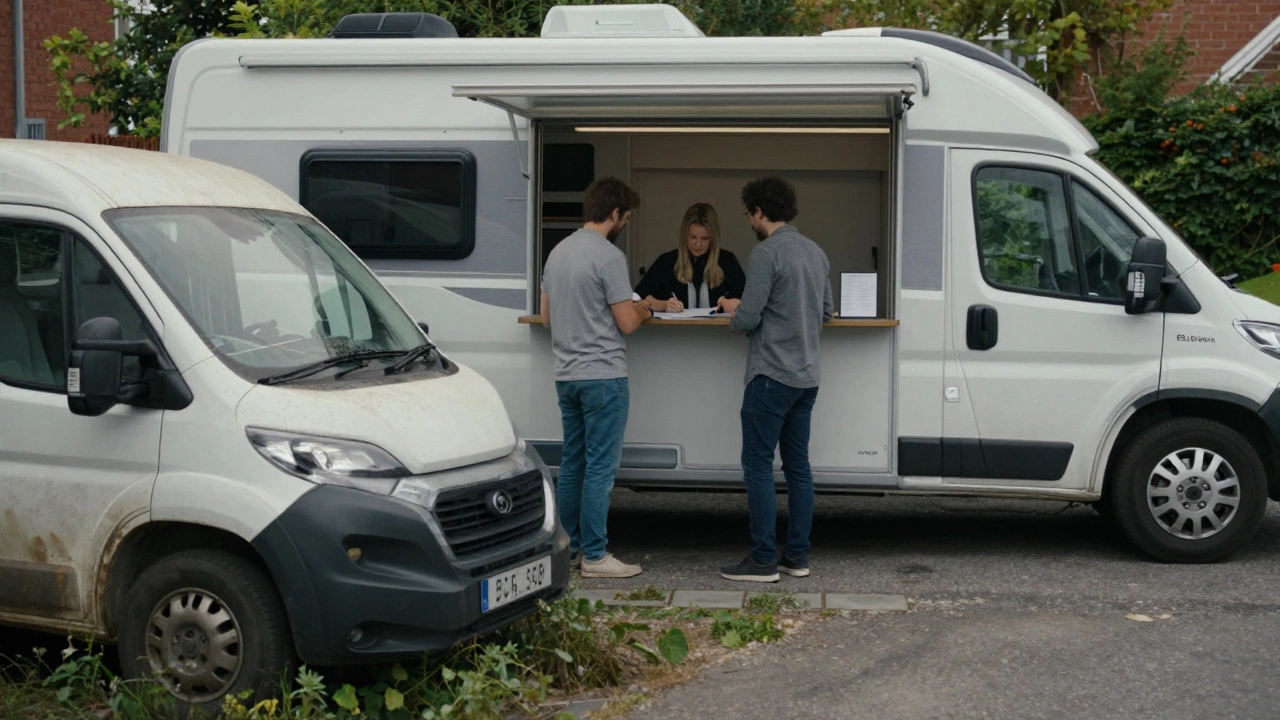
For €120-€180 a day, you can rent a fully serviced, insured, and maintained campervan. No maintenance costs. No depreciation. No parking headaches. You pick it up in Dublin, drive to the Ring of Kerry, drop it off in Galway. Done.
Most hire companies include unlimited mileage, roadside assistance, and even kitchen kits. Some even offer winter packages with extra heating and insulation. You get the experience without the burden.
Think of it like buying a ski jacket. Do you buy one for €800 if you only ski once a year? Or do you rent it for €40? That’s the same choice.
One couple I know rented a campervan for 14 days last summer. They drove from Dublin to Donegal, camped on beaches, cooked meals under the stars. Total cost? €2,100. That’s less than half what they’d have spent owning one for a single year. And they didn’t have to clean a moldy toilet or worry about a broken water pump.
What You Miss Out On by Not Owning
Let’s be honest-there are perks to owning. The freedom to wake up at 4 a.m. and drive to the coast without asking anyone’s permission. The ability to leave your gear in the van for months. The pride of calling it your own.
But those perks come with strings. You trade freedom for responsibility. You trade spontaneity for maintenance schedules. You trade joy for stress.
And here’s the kicker: most people who buy campervans end up using them less than 10 days a year. They sit in the driveway. They collect dust. They become expensive storage units with wheels.
Is It Worth It? The Final Answer
Is it worth getting a campervan? Only if:
- You plan to use it at least 60 days a year
- You’re prepared for the upkeep, repairs, and hidden costs
- You’re okay with living in a small, noisy, cold space for weeks at a time
- You’re using it for work, not just weekend getaways
If you answered no to any of those, don’t buy. Rent instead.
There’s no shame in hiring. In fact, it’s smarter. You get to test the lifestyle without the risk. You can try different models-some with toilets, some without. You can upgrade to a bigger van for family trips. You can even rent one in Spain or Italy next winter.
And if you still fall in love with it after a few rentals? Then buy. But only then.
For now? Take the road. Rent the van. See if it’s really your life-or just a pretty picture.
Is it cheaper to rent or buy a campervan?
For most people, renting is cheaper. Buying a campervan costs at least €6,500 a year in fuel, insurance, tax, servicing, and depreciation-even if you only use it 30 days. Renting the same van for 30 days costs around €3,600. If you use it less than 60 days a year, renting saves you thousands.
Can you live in a campervan year-round in Ireland?
You can, but it’s extremely hard. Irish winters are damp and cold. Most campervans lack proper insulation and heating. Condensation causes mold. Finding legal overnight parking is tough in cities. Many people give up by December. If you try it, invest in a diesel heater, thermal curtains, and a good dehumidifier.
What’s the best campervan for beginners?
Start with a Ford Transit Custom or VW T6 Transporter. They’re reliable, easy to drive, and have good parts availability. Avoid large, heavy models like the Mercedes Sprinter unless you’re experienced. Look for one with a pop-top roof-it’s lighter, easier to park, and cheaper to insure.
Where can I legally park a campervan overnight in Ireland?
Stick to official campsites, motorhome stops, or designated parking areas. Some farms and B&Bs allow overnight parking for a small fee. Apps like Park4Night and Campercontact list legal spots. Avoid parking on public roads, near churches, or in town centers-these are common fine zones.
Do campervans hold their value?
Not well. Most campervans lose 15% of their value each year. After 5 years, a €25,000 van might be worth €10,000. High-mileage or poorly maintained vans sell for even less. If you plan to resell, buy a well-known model with low mileage and keep service records.
Should I buy a new or used campervan?
Buy used. New campervans cost €50,000-€80,000 and depreciate fast. A 3-5-year-old van with under 100,000 km gives you 80% of the features at half the price. Look for one with a full service history and no signs of water damage. Avoid vans that were used for commercial purposes-they’ve been driven hard.
Can I use a campervan for daily commuting?
You can, but it’s not practical. Campervans are wide, heavy, and hard to park in cities. Fuel economy is poor-around 25-30 mpg. You’ll spend more on fuel and parking than you save on housing. Use it for trips, not your daily commute.
Next Steps: Try Before You Buy
Don’t rush into a purchase. Rent a campervan for a weekend. Drive it on the N11. Sleep in it at a beachside site in Wexford. Cook your first meal on the tiny stove. See how you feel in the morning.
If you wake up excited? You might be ready to own one.
If you wake up wishing you were back in your bed? You’re not alone. And that’s okay.
The road will still be there. So will the campervan hire companies. You don’t need to own it to love it.