Motorhome Holiday Budget Planner
Trip Details
Cost Estimates
Estimated Trip Cost: £0.00
Here is the breakdown of your estimated expenses for a 0-day trip covering approximately 0 miles.
| Expense Category | Estimated Cost |
|---|---|
|
Fuel Costs 0 gallons needed |
£0.00 |
|
Camping Fees 0 nights |
£0.00 |
|
Food & Supplies Cooking onboard saves money |
£0.00 |
| Grand Total | £0.00 |
💡 Pro Tips from the Guide
- Limit driving to under 100 miles per day to reduce fatigue and allow time for exploring.
- If wild camping in England/Wales, ensure you have landowner permission or use designated paid spots.
- Cooking onboard significantly reduces daily costs compared to eating out every meal.
- Book campsites ahead during peak seasons (July-August) as popular spots fill up weeks in advance.
There is nothing quite like the freedom of waking up in a new place with your home on wheels. But let’s be honest-planning a motorhome holiday can feel overwhelming at first. You’re not just booking a flight; you’re managing logistics, fuel costs, parking regulations, and your own comfort all at once. If you try to wing it, you might end up stuck in a layby with no water hook-up or paying triple for a last-minute pitch. This guide breaks down exactly how to plan a trip that feels spontaneous but is actually rock-solid.
1. Define Your Trip Style and Budget
Before you look at maps, you need to decide what kind of traveler you are. Are you looking for luxury amenities, or do you want to disconnect from the grid? This decision dictates everything else about your trip.
If you prefer comfort, you’ll likely stick to paid campsites with electric hook-ups, shower blocks, and waste disposal points. This is great for families or those who want to cook full meals without worrying about water levels. On the other hand, if you enjoy adventure, you might lean towards wild camping, where you park overnight in scenic spots away from developed areas. In the UK, wild camping is generally tolerated in Scotland under the Land Reform Act, but in England and Wales, it requires landowner permission unless you have specific rights.
Set a realistic budget early. A typical motorhome holiday involves three main cost centers:
- Fuel: Motorhomes are heavy. A large Class C vehicle might only get 15-20 mpg (miles per gallon). Calculate your total mileage and multiply by current diesel prices.
- Camping Fees: Paid sites range from £15 to £40+ per night depending on location and season. Wild camping is free but may require donations to local conservation groups.
- Food and Supplies: Cooking onboard saves money compared to eating out every meal.
2. Choose Your Route and Stops
One of the biggest mistakes beginners make is trying to cover too much ground. Remember, driving a motorhome is slower than driving a car. Traffic lights take longer, roundabouts are tricky, and parking takes patience. Aim for shorter daily drives-ideally under 100 miles-to leave plenty of time for exploring.
Use dedicated route planners rather than standard GPS apps. Standard navigation systems often send large vehicles down narrow country lanes or low bridges. Apps like Park4Night or specialized motorhome route planners allow you to filter routes by vehicle height, weight, and width. These tools also highlight safe overnight stops, including both official campsites and designated wild camping spots.
Plan your stops around attractions that interest you, not just distance. Maybe you want to visit coastal cliffs in Cornwall or historic castles in Scotland. Map these out first, then find suitable places to park nearby. Always check access restrictions-some popular viewpoints have size limits or seasonal closures.
3. Prepare Your Vehicle and Gear
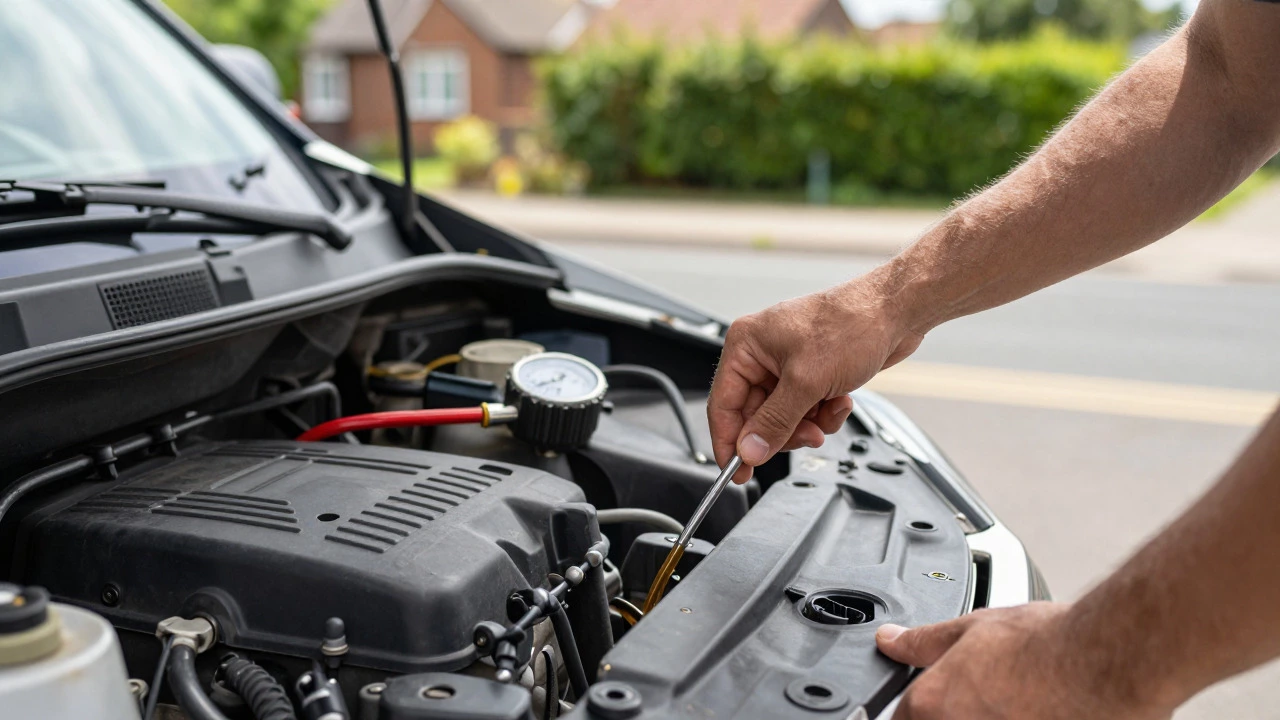
Your motorhome needs a health check before you go. Start with the basics: tire pressure, brake fluid, engine oil, and coolant levels. Don’t forget to inspect the leisure battery-the one that powers your fridge and lights while parked. If it’s old or weak, replace it now. Nothing ruins a trip faster than a dead battery in the middle of nowhere.
Check your water and waste systems. Empty the grey water (sink/shower) and black water (toilet) tanks completely. Fill the fresh water tank with clean drinking water. Test all faucets, the toilet flush, and the shower pump. Make sure your awning opens and closes smoothly, and that its pegs and weights are intact.
Pack strategically. Use soft bags instead of hard suitcases-they compress better and fit into awkward spaces. Bring essentials like:
- Extension cords (with surge protectors)
- Leveling blocks or chocks
- A basic tool kit and spare fuses
- Biodegradable soap for outdoor cleaning
- Trash bags and recycling containers
4. Navigate Camping Regulations and Etiquette
Understanding local laws is crucial. In the UK, wild camping etiquette matters more than ever due to increased popularity. Follow the “Leave No Trace” principles: arrive late, leave early, keep noise down, and take all rubbish with you. Never block farm gates or access roads.
For paid campsites, book ahead during peak seasons (July-August). Popular spots fill up weeks in advance. Look for sites certified by organizations like the Caravan and Motorhome Club, which guarantee certain standards for facilities and safety.
If you’re visiting Europe, note that many countries have strict rules against unauthorized overnight parking. France, Germany, and Italy require you to stay in designated areas unless you’re in a transit zone for less than 24 hours. Always research country-specific regulations before crossing borders.
5. Manage Daily Living Onboard
Living in a motorhome means conserving resources. Water usage should be monitored closely-showers consume a lot, so consider using wet wipes or sponge baths if supplies run low. Grey water must be disposed of properly at approved dump stations; never pour it onto grass or soil.
Energy management is equally important. If you’re not connected to shore power, rely on solar panels or generator use wisely. Turn off unnecessary appliances, use LED lighting, and insulate windows to reduce heating/cooling demands. Check your gas supply regularly-runouts happen faster than you think when cooking and heating simultaneously.
6. Safety and Emergency Preparedness
Safety starts with preparation. Keep a first aid kit stocked with bandages, antiseptics, pain relievers, and any personal medications. Include a fire extinguisher rated for electrical and grease fires, and know how to use it. Smoke detectors and carbon monoxide alarms should be tested before departure.
Share your itinerary with someone back home. Let them know your planned route and expected check-in times. Carry a fully charged phone and a portable charger. Download offline maps in case signal drops in remote areas. Consider carrying a satellite messenger if heading into truly isolated regions.
7. Post-Trip Maintenance
When you return, don’t just drive off. Inspect your tires for wear or damage. Clean the exterior thoroughly, especially underneath where mud and debris accumulate. Empty and sanitize all tanks. Store perishable food properly and clean the fridge inside and out. Address any minor repairs immediately-small issues become big problems if ignored.
How far can I drive a motorhome in a day?
Ideally, limit driving to 100-150 miles per day. Motorhomes handle differently than cars, requiring more attention and rest stops. Longer drives increase fatigue and reduce time for enjoying destinations.
Is wild camping legal in England and Wales?
Generally, no-it’s trespassing without landowner permission. However, some private lands offer paid wild camping spots via apps like Pitchup. Scotland allows wild camping freely under the Right to Roam laws, provided you follow Leave No Trace guidelines.
What should I pack for a motorhome holiday?
Essentials include extension cords, leveling blocks, biodegradable soap, trash bags, a basic tool kit, spare fuses, and comfortable walking shoes. Pack soft luggage for flexible storage and bring extra bedding for cooler nights.
How do I manage water and waste on a long trip?
Monitor tank levels daily. Conserve water by taking short showers or using alternatives. Dispose of grey and black water only at authorized dump stations. Carry biodegradable cleaners to minimize environmental impact.
Do I need special insurance for motorhome travel?
Yes, ensure your policy covers breakdown assistance, third-party liability, and contents theft. Some insurers offer add-ons for European travel or winterization protection. Review exclusions carefully before departing.