RV Ownership Cost Calculator
Your Usage & Vehicle Details
Annual Cost Breakdown
Cost Per Night Owned:
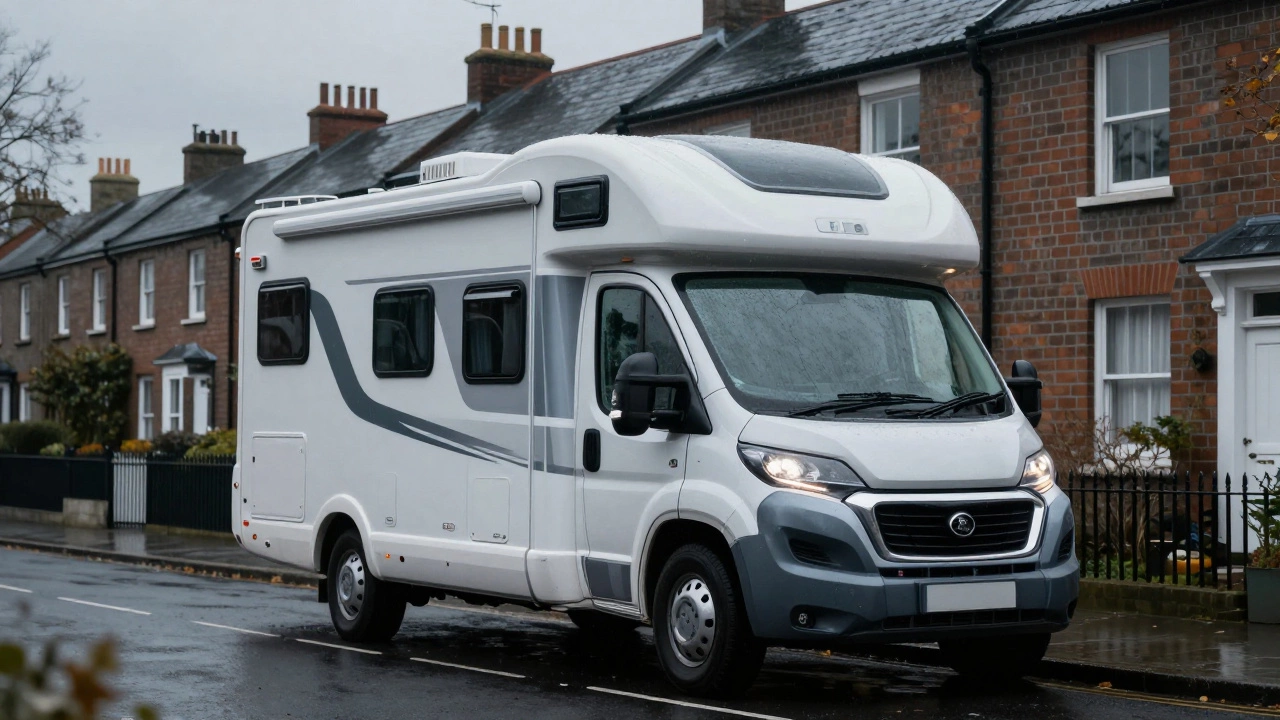
Based on your usageYou picture the freedom. Waking up to the sunrise over the Irish Sea, brewing coffee on a portable stove, and driving away from it all in your own Recreational Vehicle, also known as RV or motorhome. It sounds like the ultimate escape from the daily grind. But before you sign that loan agreement or hand over your life savings for a used Class C, you need to look at the other side of the coin. The sticker price is just the tip of the iceberg.
Many people buy an RV because they want to save money on holiday accommodation. They don’t realize that owning one often costs more than renting a hotel room when you factor in the true total cost of ownership. I’ve seen friends in Dublin turn their dream into a financial nightmare within two years. Why? Because they ignored the silent money-eaters lurking in the chassis, the tires, and the storage fees. Let’s break down exactly where your money goes so you can decide if this lifestyle is right for you.
The Reality of Depreciation
The moment you drive an RV off the lot, it loses value. Unlike cars, which have a relatively stable resale market, recreational vehicles depreciate aggressively. A new Class A Motorhome can lose up to 30% of its value in the first three years. If you buy a brand-new unit for €150,000, you could be looking at a loss of €45,000 just by existing. This isn’t a hedge against inflation; it’s a sinking ship.
Used models fare better but still drop in value. The key here is understanding that an RV is not an investment property. It is a liability that burns cash every month through depreciation alone. If you plan to sell it within five years, budget for losing half of what you paid. Many owners try to mitigate this by buying older, well-maintained units, but even those lose value once you add your name to the title.
Maintenance That Eats Your Budget
Cars are complex machines. RVs are houses on wheels, meaning they combine automotive complexity with residential plumbing, electrical, and roofing systems. When something breaks, it doesn’t just cost more to fix-it requires specialized technicians who charge premium rates.
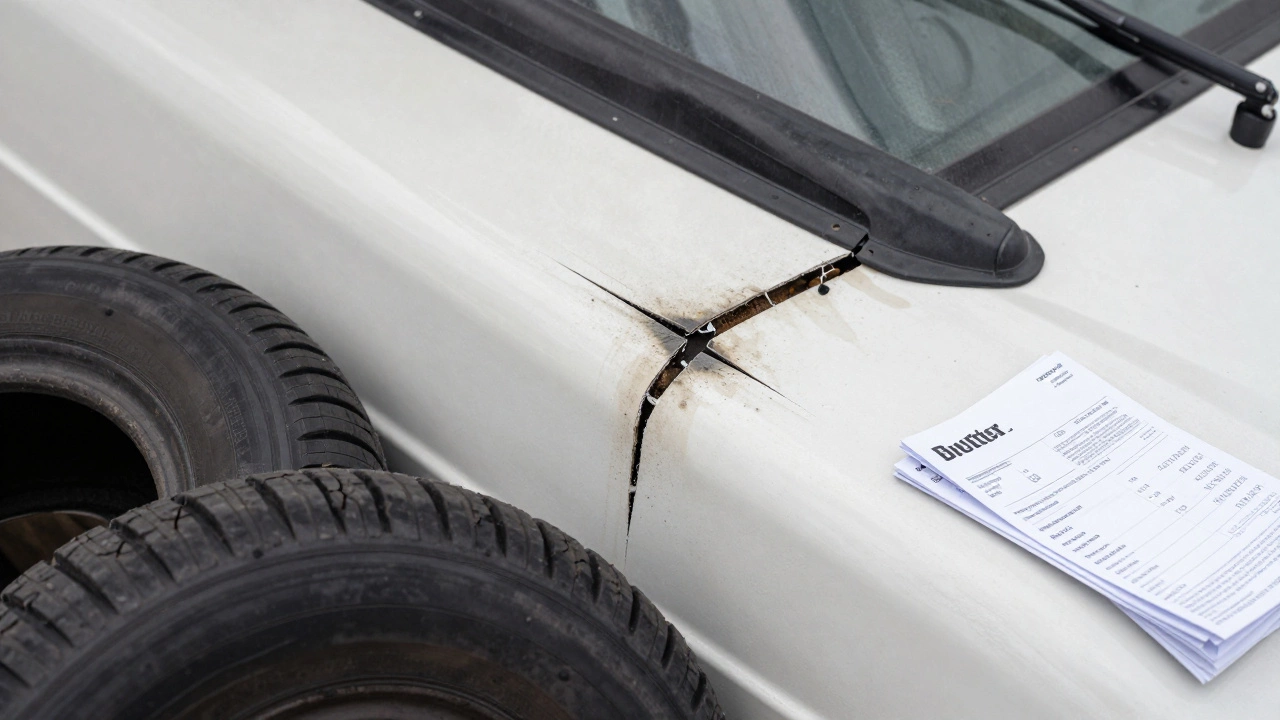
- Roof Repairs: The roof is the most vulnerable part of any motorhome. Rubber seals degrade, seams split, and water leaks cause rot inside the walls. A simple patch might cost €200, but a full roof re-covering can run between €1,500 and €3,000 depending on the size and material (EPDM vs. TPO).
- Tire Replacement: RV tires are expensive. A single Goodyear Endurance tire for a large coach can cost over €300. Replace all four, plus balancing and alignment, and you’re looking at a €1,500 bill. And unlike car tires, these wear out faster due to the immense weight of the vehicle.
- Plumbing and Appliances: Water pumps fail. Toilets clog. Refrigerators leak coolant. These aren’t minor inconveniences; they are critical systems that keep you alive on the road. Fixing a broken fridge compressor in the middle of summer can cost upwards of €800 just for parts and labor.
Don’t forget the annual prep work. Before every season, you need to winterize the plumbing, check the black tank valves, and inspect the slide-out seals. If you hire a professional service center in Ireland or the UK to do this, expect to pay €300-€600 per year just for preventative maintenance.
Storage Fees: The Monthly Drain
This is the biggest shock for new owners. How many months a year will you actually use your RV? If you live in Dublin, let’s be honest-maybe four months during the good weather. For the other eight months, that massive vehicle sits idle. Where does it go?
You can’t park an RV on most residential streets in Ireland due to planning restrictions and neighborhood complaints. So, you need secure storage. Self-storage facilities that allow vehicles charge anywhere from €150 to €400 per month, depending on the size and security level. Over a year, that’s €1,800 to €4,800 doing absolutely nothing.
If you store it at home, you face other issues. Does your driveway support the weight? Will it block access to your house in an emergency? Many councils fine homeowners for keeping large vehicles on private property without permission. Factor this monthly drain into your budget before you buy. It’s a non-negotiable cost that continues whether you’re traveling or not.
Insurance Complexity
Standard car insurance won’t cover an RV. You need a specialized policy that covers both the vehicle and the contents inside-the furniture, the electronics, the personal belongings. Insurance premiums for motorhomes are significantly higher than for cars, often ranging from €800 to €2,500 annually depending on the value and age of the vehicle.
Moreover, coverage varies wildly. Some policies exclude coverage while the vehicle is being towed by another car. Others require you to declare the vehicle as your primary residence if you live in it full-time, which can void coverage entirely if you move across borders. Always read the fine print. One claim for water damage due to a frozen pipe could lead to skyrocketing premiums or non-renewal.
Fuel Efficiency and Driving Costs
An RV is essentially a brick with wheels. Fuel efficiency is abysmal. A large Class A motorhome might get 4-6 miles per gallon (mpg), which translates to roughly 1.7-2.6 liters per 100km. In today’s fuel climate, filling a 100-gallon tank costs a fortune.
Consider a trip from Dublin to Cork. In a regular car, fuel might cost €50. In a large RV, it could easily exceed €150. Add in tolls, bridge fees, and potential surcharges for oversized vehicles on certain routes, and the cost of travel skyrockets. Plus, larger vehicles attract attention from traffic police. Speeding tickets or parking violations in restricted zones can add unexpected fines to your journey.
The Opportunity Cost of Capital
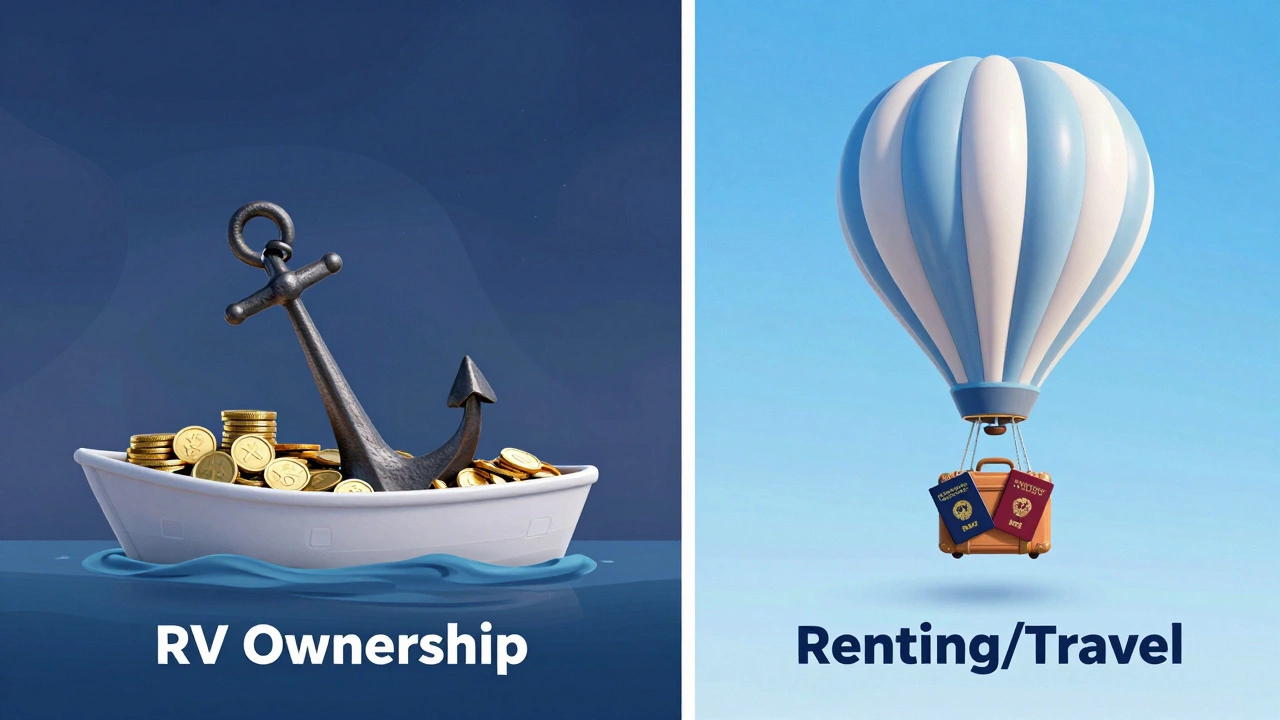
Think about the money tied up in the purchase. If you spend €100,000 on an RV, that money isn’t earning interest in a savings account or growing in the stock market. At a conservative 4% annual return, you’re losing €4,000 per year in potential gains. This is the opportunity cost-the wealth you *could* have built if you hadn’t bought the vehicle.
For many families, this capital could fund multiple international flights, hotel stays, and experiences without the burden of maintenance and storage. By locking your cash into a depreciating asset, you limit your financial flexibility. This is especially risky if you encounter job loss or medical emergencies. An RV cannot pay your bills.
| Cost Category | Owning an RV (Annual Estimate) | Renting Hotels/Airbnbs (Annual Estimate) |
|---|---|---|
| Depreciation | €3,000 - €5,000 | €0 |
| Storage | €2,400 | €0 |
| Insurance | €1,200 | €0 |
| Maintenance & Repairs | €1,500 | €0 |
| Fuel (for 10 trips) | €2,000 | €1,000 (car rental/fuel) |
| Total Fixed Costs | €10,100+ | €1,000+ |
As the table shows, unless you use your RV extensively-say, 200+ days a year-the fixed costs of ownership will likely exceed the cost of renting alternative accommodations. The math only works in your favor if you treat the RV as your primary mode of transport and lodging simultaneously, eliminating all other travel expenses.
Hidden Regulatory and Administrative Fees
In Ireland and the UK, there are administrative burdens that catch people off guard. Vehicle registration tax (VRT) can be high for imported RVs. Annual NCT (National Car Test) fees apply, and failing the test due to minor issues like worn brake pads or light failures can result in repair bills that delay your season.
Additionally, if you plan to travel abroad, you may need additional documentation, such as a Carnet de Passages en Douane for temporary importation into certain countries. Border delays, customs paperwork, and potential duties add layers of complexity and cost that simply don’t exist when flying commercially.
Is it cheaper to rent or buy an RV?
For most people, renting is cheaper. Unless you plan to use your RV for more than 100 days a year, the combined costs of depreciation, storage, insurance, and maintenance will exceed the cost of renting a motorhome or booking hotels. Renting allows you to pay only for the time you use, avoiding the fixed overhead of ownership.
What is the most expensive part of maintaining an RV?
Roof repairs and tire replacements are typically the most costly. Water damage from a leaking roof can lead to extensive structural rot, costing thousands to fix. Tires wear out quickly under heavy loads, and replacing a set can cost over €1,500. Preventative maintenance on these two areas is crucial to avoid huge bills.
Can I store my RV in my driveway in Ireland?
It depends on local council regulations. Many urban areas prohibit storing large vehicles on residential properties due to space constraints and aesthetic concerns. Check with your local authority before assuming you can park it at home. Illegal storage can result in fines or forced removal.
How much does RV insurance cost annually?
RV insurance typically ranges from €800 to €2,500 per year, depending on the vehicle's value, age, and usage. Specialized policies cover both the vehicle and its contents, making them more expensive than standard car insurance. Full-timers may face higher premiums or specific exclusions.
Do RVs hold their value well?
No, RVs depreciate rapidly. New models can lose 30% or more of their value in the first three years. Used models also lose value upon resale. Unlike real estate or stocks, an RV is a consumable asset that loses worth over time due to wear, tear, and changing technology.