Wild Camping Fire Legality Checker
Use this tool to assess your liability and legal status before lighting a ground fire in the UK.
Analysis Pending
Fill out the steps on the left to generate a compliance report based on UK land laws.
You might be packing your gear for a weekend under the stars, but stopping to ask yourself one vital question before you leave: Can I actually light a fire? The short answer is complicated. In most parts of the United Kingdoma country consisting of England, Scotland, Wales, and Northern Ireland, lighting a ground fire while wild camping is generally off-limits unless you are on specific land with explicit permission. While a crackling campfire feels romantic, the risks of wildfire and soil damage mean rules are tight.
Land ownership and local bylaws dictate everything here. Unlike some countries where public land access is broader, the UK operates on a system where rights depend heavily on your location. If you hike into the Peak District in England and decide to build a fire ring on common land without asking, you could face serious consequences. Conversely, Scotland offers more freedom under its Outdoor Access Codeguidelines allowing responsible recreation across most unenclosed land, yet even there, lighting a fire during dry spells remains restricted.
Why Are Ground Fires So Restricted?
The main reason isn't just about protecting trees. It is about the speed at which wildfires spread. UK vegetation dries out quickly during summer months, especially in exposed moors. A small spark can ignite a heather fire that burns hundreds of acres before anyone notices. Land managers often cite recent fire seasons where illegal campfires triggered massive blazes, costing millions to extinguish.
Furthermore, there is the issue of environmental impact. Removing bark to build a fire damages living trees. Digging a pit disturbs peat bogs, which take centuries to regenerate. When authorities assess whether to allow fires, they weigh these ecological costs against recreational needs. In many areas, the cost simply outweighs the benefit. This is why you see signs in popular spots saying 'No Open Fires' near hiking trails.
Regional Differences Across the UK
Rules shift dramatically depending on which part of the island you are visiting. You cannot treat the entire UK as one zone for camping permissions. You need to know exactly where your tent is pitched relative to national boundaries.
| Region | General Rule | Exceptions |
|---|---|---|
| Scotland | Limited freedom under Land Reform Act | Allowed in non-forest areas if no fire ban is active |
| England | Strictly controlled on public land | Only in designated sites or private consent |
| Wales | Similar to England | National Parks may have specific zones |
| Northern Ireland | Tight restrictions on Crown Estate land | Requires direct landlord permission |
In Scotland, the situation is unique. The Land Reform (Scotland) Act 2003 gives the public a right to roam. However, this does not explicitly grant the right to light a fire on someone else's land. While you might find people doing it in the Highlands, they are technically relying on informal tolerance rather than hard law. If a fire ban is issued due to drought, that tolerance vanishes instantly.
Over in England and Wales, the approach is much stricter. Most wild camping happens on footpaths or rough terrain that falls under private ownership or local council jurisdiction. On land managed by Natural Englandthe advisory body for England's natural environment or Forestry Commission sites, open fires are almost always prohibited unless you are using a raised stand in a picnic area designed for it.
Forestry and Moors: High Risk Zones
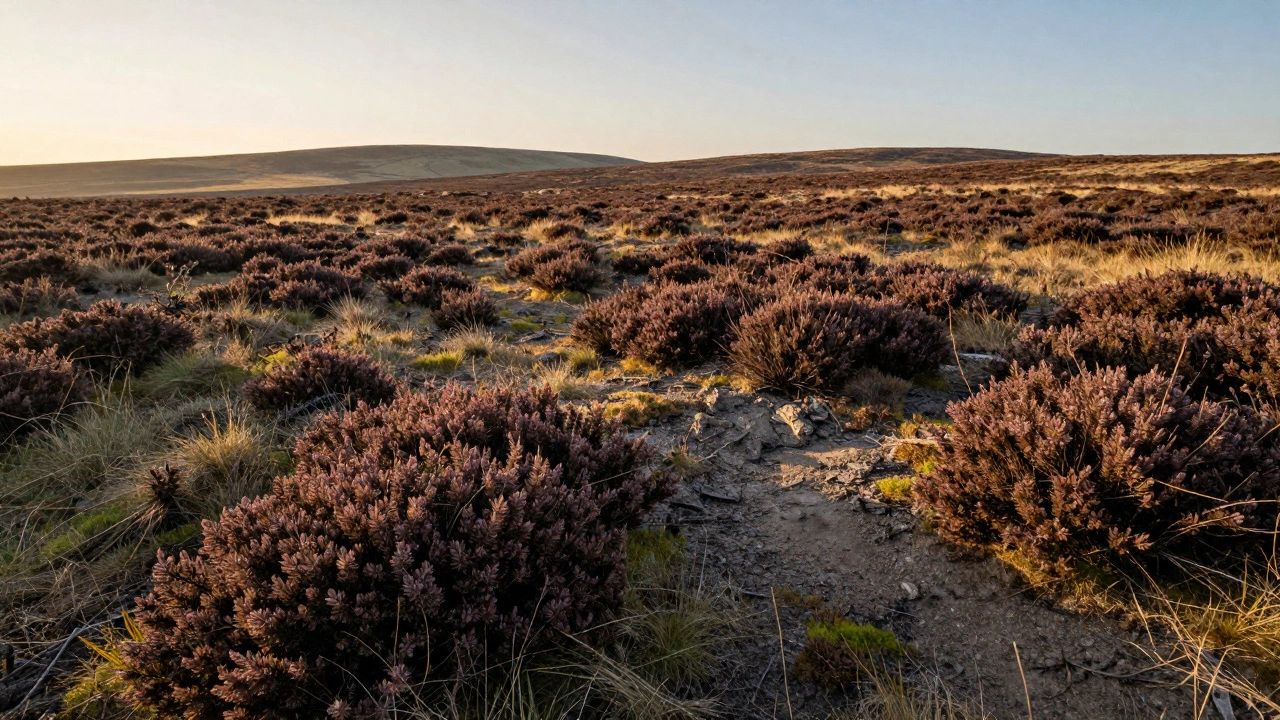
If you plan to camp near pine plantations or heather moorlands, treat fire as forbidden. These environments contain highly flammable material. The resin in pine needles acts like fuel for torches. Many rangers patrol these zones specifically during dry weather to catch people breaking fire rules. Getting caught isn't just a slap on the wrist; it can lead to prosecution under the Criminal Justice Act.
Even if you don't build a big fire, burning leftover food or rubbish is risky. Smoke can attract unwanted attention, and sparks can float away easily. A better strategy is to eat your food cold or cook on a contained device that minimizes risk.
Safe Alternatives to Wood Fires
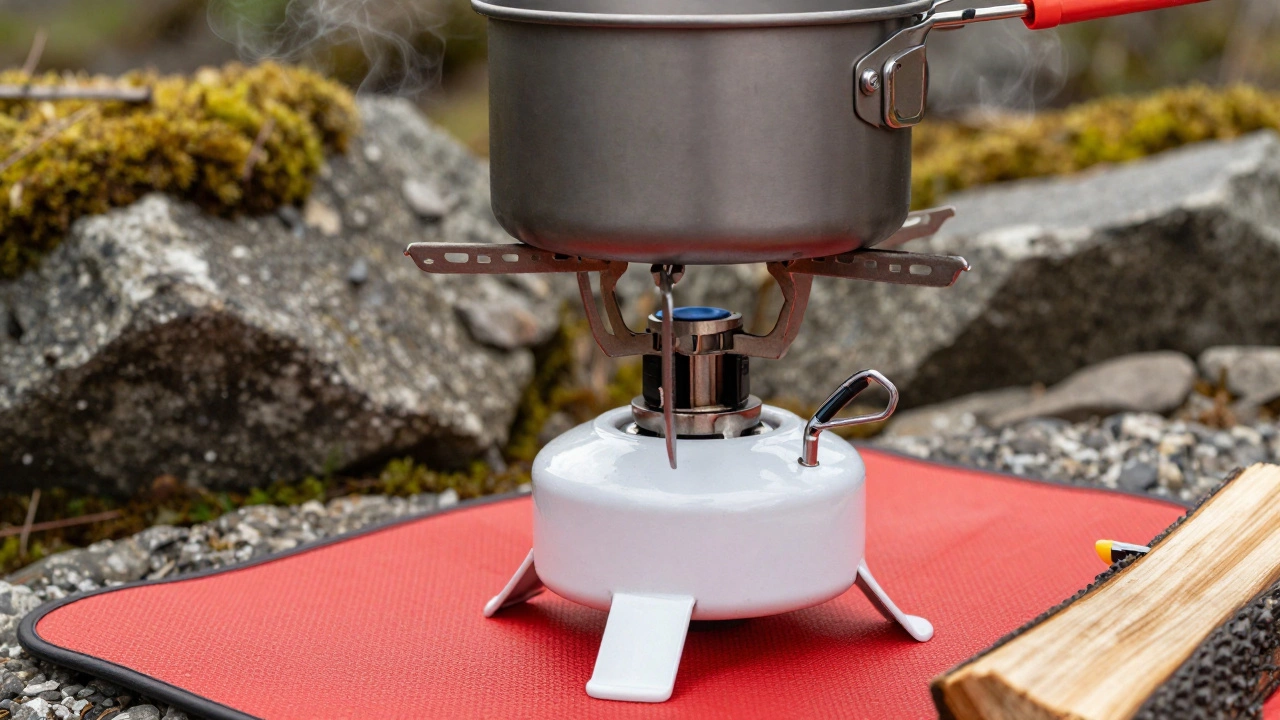
You still want to cook warm meals, and you certainly can. The best substitute is a portable Gas Camp Stovea controlled heating appliance for outdoor cooking. Using white gas or propane allows you to boil water and fry bacon without touching the ground with fire. Many wild campers prefer this method anyway because it is faster and less messy than gathering twigs.
- Alcohol Stoves: Very quiet and lightweight. Great for single meals. They produce a blue flame that is less visible from a distance.
- Multifuel Stoves: Can run on kerosene or diesel. Excellent for cold weather where gas can fail.
- Burner Mats: Placing any stove on a heat-resistant mat protects the ground and prevents scorch marks.
Some manufacturers sell portable chimneys for wood fires, claiming they are eco-friendly. However, carrying enough wood into sensitive areas is logistically difficult and often illegal anyway. Bringing your own fuel is safer for the ecosystem.
Understanding Local Bylaws and Bans
You cannot rely solely on general advice. Conditions change daily. Local councils have the power to declare temporary burning bans when weather conditions turn dry and windy. These bans apply to everyone, even in your own garden sometimes. Before pitching, check the website of the National Park Authoritythe governing body for protected landscape areas you are visiting. For example, the Lake District National Park often issues alerts in July and August.
Look for signage at entry points to car parks. If a sign says 'No Fires', it means no fires, including barbecue grills. Ignoring this leads to confiscation of your equipment by park wardens. Always prioritize compliance over convenience.
What Happens If You Get Caught?
Penalties vary, but they are significant. A fine for littering might be £100, but causing a fire hazard can lead to unlimited fines. If your actions result in property damage or emergency response calls, you become liable for those costs. Beyond money, persistent offenders can lose their right to access certain lands entirely.
This creates a culture of responsibility among experienced campers. We talk to each other about fire discipline. If you see someone building a fire in a risky spot, polite intervention helps protect the area for everyone. It is about keeping the privilege of wild camping alive for future generations.
Practical Tips for Responsible Camping
To stay safe and legal, follow these basic habits. You want to enjoy the outdoors without causing harm.
- Carry a Stove: Bring a reliable burner instead of searching for wood.
- Check the Forecast: Avoid fire even where allowed if wind speeds exceed 20mph.
- Ask Locals: Rangers or shop owners often know if hidden bans are in effect.
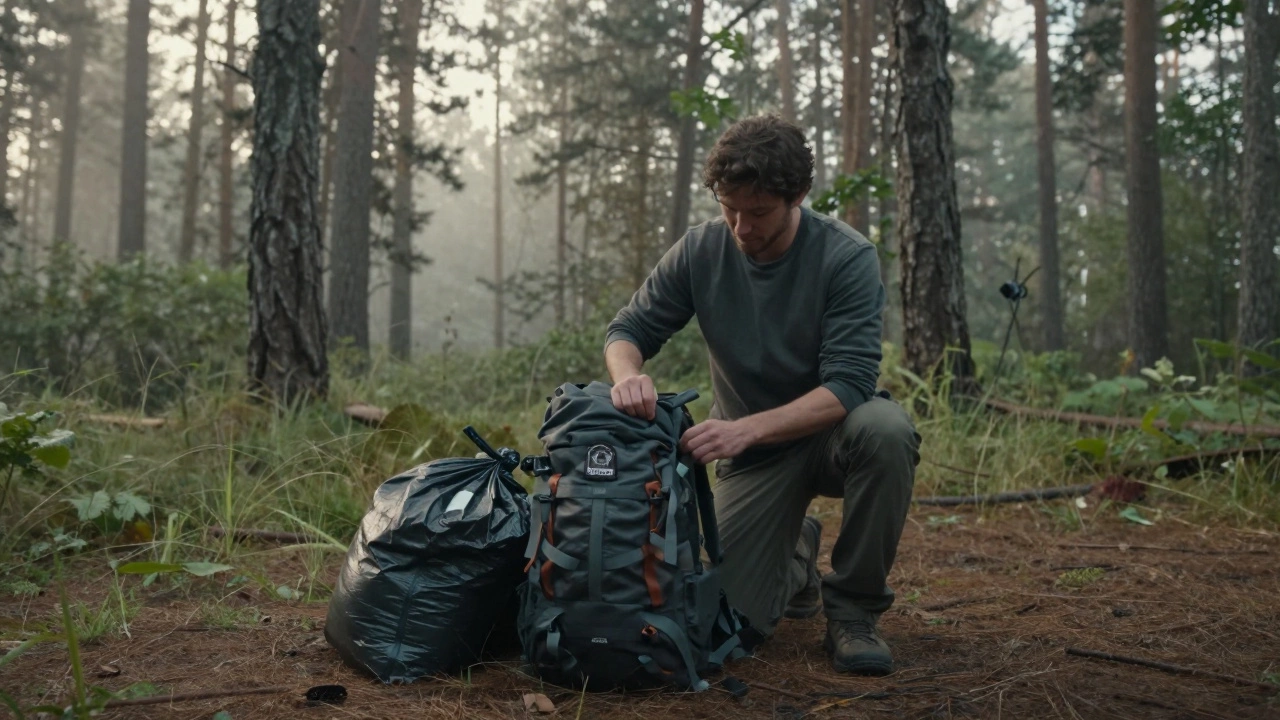
- Leave No Trace: Remove every ash particle and scrap of paper before leaving.
- Respect Peat: Never dig fire pits into boggy ground; the recovery time is too long.
Planning ahead saves trouble on-site. Knowing the rules lets you focus on the views and the company rather than worrying about wardens approaching your tent.
Can I use a barbecue grill while wild camping in the UK?
Generally, no. Most public lands prohibit charcoal or wood grills for the same reasons as open campfires. Portable gas barbecues might be tolerated on grass, but always check local signage first.
Is it illegal to light a fire in Scotland?
Not automatically, but it depends. Under the Outdoor Access Code, you can light a fire responsibly on uncultivated land unless there is a statutory ban in place. You must avoid causing damage or danger.
How do I know if a fire ban is active?
Check the websites of relevant National Park Authorities or Forestry England. Local radio news and road signs near trailheads will also announce active bans during dry periods.
Can I burn food scraps to dispose of waste?
No. Burning food waste attracts pests and leaves residue. Pack out all trash. Composting is only acceptable if done in designated bins, never in the wild.
What is the penalty for starting a wildfire on purpose?
This is arson and a criminal offense. Punishment includes prison sentences and heavy fines, regardless of whether it was accidental negligence or intentional.