Camper Van Bathroom Suitability Calculator
Trip Details
Enter your trip details to see which bathroom solution fits your needs best.
You’ve booked the perfect weekend getaway. You’re imagining waking up to birdsong, brewing coffee on a portable stove, and driving away from it all. Then reality hits: you need to use the bathroom. Do camper vans actually have toilets? It’s the single most common question we get from first-time renters, and the answer isn’t a simple yes or no.
Most standard camper vans do not have built-in flush toilets like you find in larger motorhomes. Instead, they rely on clever space-saving alternatives that keep your trip comfortable without sacrificing living space. Understanding these systems before you book is crucial. Nothing ruins a road trip faster than realizing halfway through that you’ve packed too much gear for the tiny shower area-or worse, forgetting how to empty the waste tank.
Quick Summary
- Standard camper vans rarely have built-in flush toilets; they prioritize space for sleeping and cooking.
- Most rentals include a portable chemical toilet (cassette) or a bucket system with biodegradable bags.
- Larger "Class C" or "Class A" motorhomes are the only ones likely to feature permanent bathrooms with showers.
- You will need to learn how to manage waste tanks, which involves specific chemicals and disposal etiquette.
- Planning ahead for bathroom breaks at service stations or campsites is essential for stress-free travel.
The Reality of Space in a Camper Van
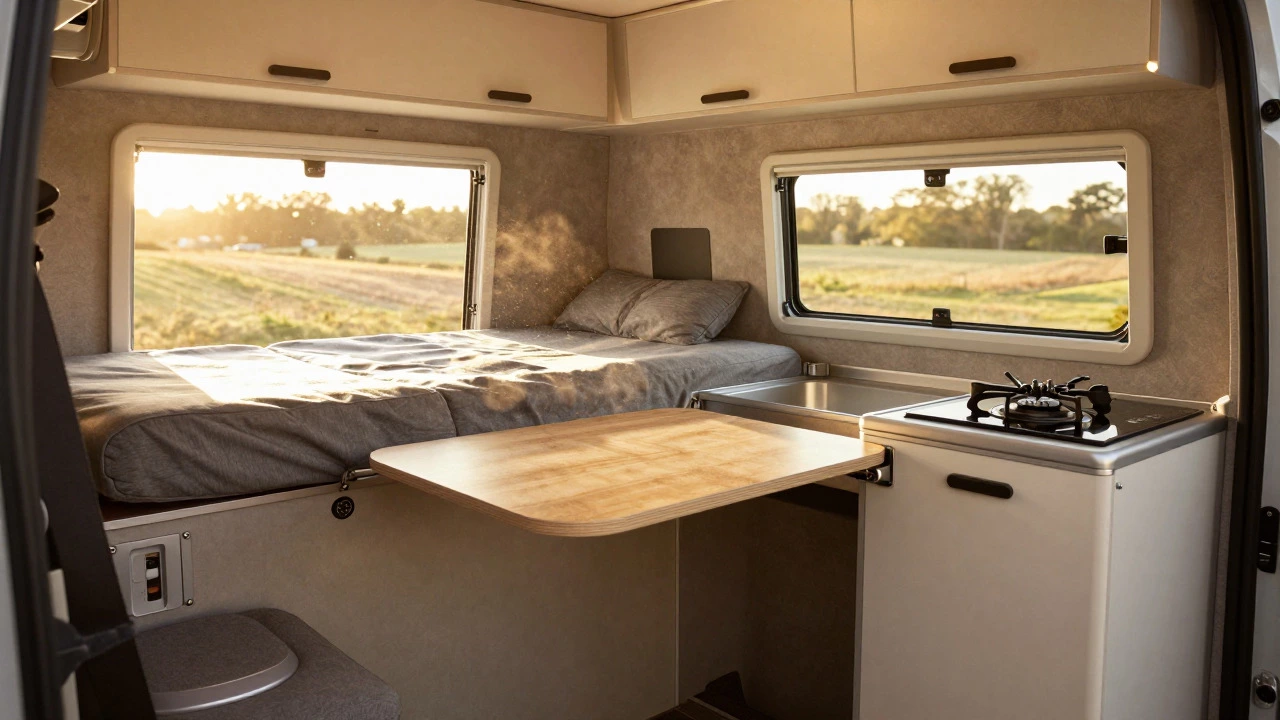
To understand why toilets are scarce in camper vans, you have to look at the vehicle itself. A typical camper van is based on a Mercedes-Benz Sprinter or Ford Transit, which are essentially large delivery trucks converted into living spaces. These vehicles usually measure between 6 and 7 meters in length. Inside, every square inch is fighting for purpose.
When you convert a van, you need space for beds, a kitchen counter, storage cabinets, and seating. Adding a fixed toilet requires plumbing, a water supply, a waste tank, and ventilation. This takes up significant floor space and adds weight, which affects fuel efficiency. For most rental companies, the trade-off is clear: give customers more room to live and sleep, rather than squeezing in a cramped bathroom.
This is different from a full-sized motorhome. If you rent a Class C motorhome (the boxy ones with the cab-over bunk), you will almost always find a dedicated bathroom with a sink, toilet, and sometimes a small shower. But in a sleek, agile camper van, the bathroom is often an afterthought-or entirely absent.
Common Toilet Solutions in Rental Vans
Since built-in toilets are rare, rental companies provide alternatives. Knowing what to expect helps you pack accordingly. Here are the three most common setups you’ll encounter when you pick up your keys.
1. The Portable Cassette Toilet
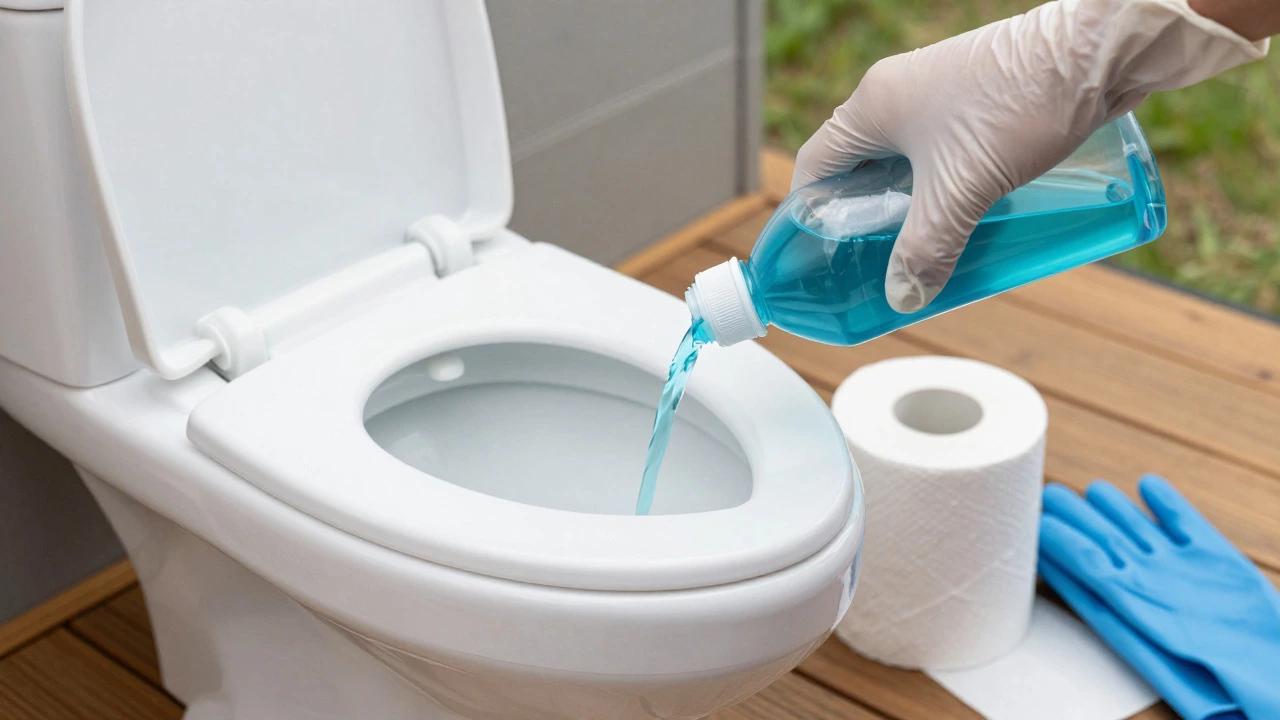
This is the gold standard for camper van rentals. A Cassette Toilet is a self-contained portable toilet with a removable waste tank at the base. It looks like a small plastic throne with a seat. Underneath sits a sealed container called a cassette.
How it works is straightforward. You add fresh water and a special blue chemical fluid to the tank. This fluid breaks down waste and neutralizes odors. When you’re done, you close the lid, which seals the smell inside. At the end of the day, or when the tank is full, you pull the handle to eject the cassette. You then carry this heavy plastic box to a designated disposal point (usually at a campsite or service station) and empty it into a sewer dump site.
Pros: Feels like a real toilet, odor-controlled if used correctly, widely available.
Cons: Requires buying chemicals, needs regular emptying, can be bulky to store.
2. The Bucket System (Biodegradable Bags)
If you’re renting a smaller van or a budget-friendly model, you might get a bucket. Don’t panic. This isn’t just a dirty bucket. Modern bucket systems use specialized Biodegradable Waste Bags lined with sawdust or absorbent powder.
You place the bag inside a sturdy bucket, sit, and go. Afterward, you sprinkle more sawdust to cover the waste and control smells. When you’re finished, you tie the bag tightly and dispose of it in a general waste bin (if local regulations allow) or a composting toilet facility. Some companies provide a "porta-potty" style seat that clips onto the bucket for comfort.
Pros: Extremely lightweight, easy to clean, no complex plumbing.
Cons: Can feel less dignified, requires frequent bag changes, potential for leaks if not tied properly.
3. No Toilet at All
Believe it or not, some minimalist camper vans come with zero bathroom facilities. These are popular among experienced wild campers who prefer freedom over convenience. In this scenario, you rely entirely on public restrooms at gas stations, cafes, and campgrounds. Or, you bring your own portable solution.
Pros: Maximum interior space, lighter vehicle, lower rental cost.
Cons: High stress in emergencies, dependent on external infrastructure, not suitable for families with young children.
What About Showers?
If toilets are rare, showers are even rarer in standard camper vans. Most vans do not have a dedicated shower stall. However, many modern rentals offer a compromise: the Wet Bath is a compact unit where the toilet and shower share the same small space.
In a wet bath, you pull out a shower head from the ceiling or wall, put down a waterproof mat, and shower right next to the toilet. Yes, everything gets wet. Yes, you need to wipe down surfaces afterward. But it allows you to wash up without leaving the van. If your van doesn’t have a wet bath, you might get a handheld shower pump that connects to your fresh water tank. You can stand outside under a tree or in a private spot to rinse off.
| Feature | Cassette Toilet | Bucket System | No Toilet |
|---|---|---|---|
| Space Required | Medium | Low | None |
| Comfort Level | High | Medium | Low |
| Maintenance Effort | High (Emptying/Cleaning) | Medium (Bag Changes) | None |
| Odor Control | Excellent (with chemicals) | Good (with sawdust) | N/A |
| Best For | Families, Long Trips | Solo Travelers, Short Trips | Experienced Wild Campers |
Managing Waste: The Unspoken Rule of Van Life
Having a toilet in your van is only half the battle. The other half is knowing how to deal with the waste. This is where many beginners stumble. You cannot just dump cassette toilets anywhere. It’s illegal and environmentally disastrous.
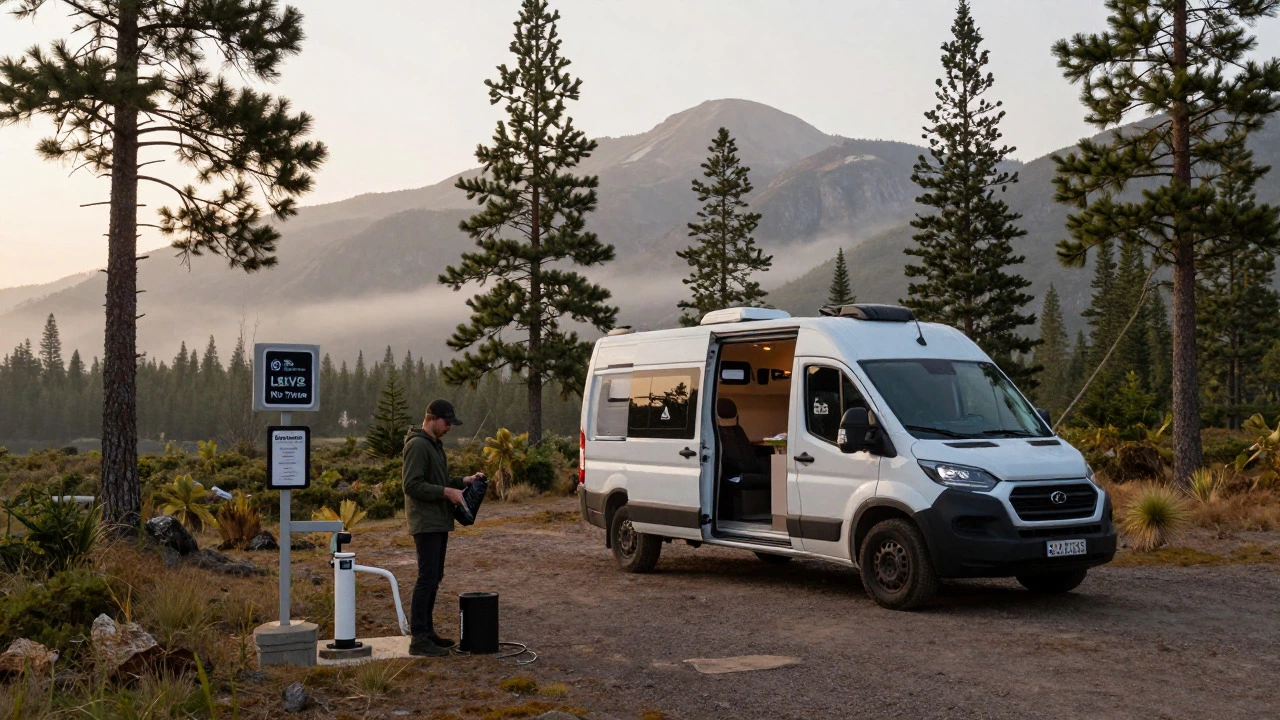
Here’s the golden rule: Always plan your stops around facilities. Before you leave home, map out campsites, RV parks, and truck stops along your route. These locations have "dump stations"-large sewer connections designed for emptying waste tanks. Many service stations in Europe and North America also offer free or low-cost dumping services.
If you’re using a cassette toilet, here’s a quick checklist for success:
- Add Chemicals First: Never use the toilet without adding the recommended amount of blue chemical fluid. It prevents clogs and kills bacteria.
- Don’t Wait Until Full: Empty the cassette when it’s about 75% full. A completely full cassette is heavy, prone to leaking, and harder to maneuver.
- Rinse Thoroughly: After emptying, rinse the cassette with clean water before reinserting it. This prevents residue buildup and bad smells.
- Check Seals: Ensure the rubber gasket on the cassette is clean and seated properly. A misaligned seal is the #1 cause of leaks inside your van.
For bucket users, the rule is simpler but stricter: treat every bag as hazardous waste until it’s securely tied. Use thick, high-quality bags. Double-bag if you’re unsure. And never leave a bucket unattended with a loose lid.
Wild Camping Etiquette: Leave No Trace
One of the biggest draws of camper van hire is the ability to wild camp-to park in remote, beautiful spots away from crowded campsites. But this freedom comes with responsibility. If your van has a toilet, you must practice "Leave No Trace" principles.
Never empty your cassette toilet into a river, lake, or forest. Even treated waste contains nutrients and pathogens that harm ecosystems. Instead, carry your waste back to civilization. If you’re using a bucket system, take your sealed bags with you. Some advanced wild campers use composting toilets, which turn waste into dry, odorless compost over time, but these require expertise and aren’t common in rentals.
If you’re stuck in a remote location with no facilities, dig a cathole at least 6 inches deep and 200 feet away from water sources. Cover it completely. This is a last resort, not a habit. Always prioritize finding proper disposal sites.
Should You Rent a Van With a Built-In Bathroom?
If bathroom access is a top priority for your trip, consider upgrading your rental. While standard camper vans lack toilets, larger motorhomes do not. Here’s how to decide:
Stick with a Camper Van if:
- You’re traveling solo or as a couple.
- You value driving ease and parking flexibility.
- You don’t mind visiting public restrooms or campsites daily.
- You want a lower rental price and better fuel economy.
Upgrade to a Motorhome if:
- You’re traveling with young children or elderly relatives.
- You plan to stay in one remote location for several days.
- You want the privacy of a shower and toilet inside the vehicle.
- You’re comfortable handling a larger, heavier vehicle.
Many rental companies offer "hybrid" options-larger vans with slide-out sections that create a dedicated bathroom space. These are worth exploring if you want a middle ground.
Packing Tips for Bathroom Needs
Regardless of your van’s setup, packing smart makes all the difference. Here’s what to bring:
- Hand Sanitizer: Essential if you’re relying on public restrooms.
- Wet Wipes: More hygienic than toilet paper, especially in cold weather. Note: Flushable wipes can cassettes clog! Check with your rental company first.
- Air Freshener: Small bottles of spray or plug-ins help keep the van smelling fresh.
- Gloves: Disposable gloves make emptying cassettes or changing bags much easier.
- Towels: Quick-dry microfiber towels are lightweight and efficient.
Final Thoughts: Embrace the Adventure
Do camper vans have toilets? Technically, no-not in the traditional sense. But they offer practical, manageable solutions that thousands of travelers use every year. The key is preparation. Learn how your specific van’s system works during the handover. Ask questions. Test the toilet. Practice emptying the cassette if possible.
Once you master the routine, the lack of a built-in bathroom becomes irrelevant. You’ll be too busy enjoying the sunrise from your window, cooking dinner on your portable stove, and exploring hidden gems that only accessible by van. The bathroom situation is just a small part of the adventure-and one you can easily handle with the right mindset and tools.
Can I flush my camper van toilet anywhere?
No. You should only empty cassette toilets at designated dump stations found at campsites, RV parks, or some service stations. Dumping waste in nature is illegal and harmful to the environment.
Is a portable toilet smelly?
Not if used correctly. Adding the recommended chemical fluid breaks down waste and neutralizes odors. Regular rinsing and checking seals also prevent smells. Bucket systems with sawdust are also effective at controlling odor.
Do camper vans have showers?
Most standard camper vans do not have dedicated showers. Some may have a "wet bath" where you shower in the same space as the toilet, or a handheld shower pump for outdoor use. Larger motorhomes are more likely to have enclosed shower stalls.
What should I do if my van has no toilet?
Plan your route around public restrooms at gas stations, cafes, and campsites. Consider bringing your own portable toilet or bucket system for emergencies. Map out facilities before you leave each day.
Are there extra costs for toilet chemicals?
Yes, most rental companies do not include toilet chemicals in the base price. You’ll need to buy them separately at supermarkets or camping stores. Budget approximately $10-$15 per bottle, which lasts for several uses.
Can I use regular toilet paper in a cassette toilet?
Generally, yes, but use sparingly. Standard toilet paper dissolves slowly in the small amount of water in a cassette tank, which can lead to clogs. Biodegradable toilet paper is preferred. Avoid flushable wipes unless explicitly approved by the rental company.