No-Tent Camping Safety Calculator
Environmental Factors
Your Preparation
Critical Risks Identified
Required Gear Checklist
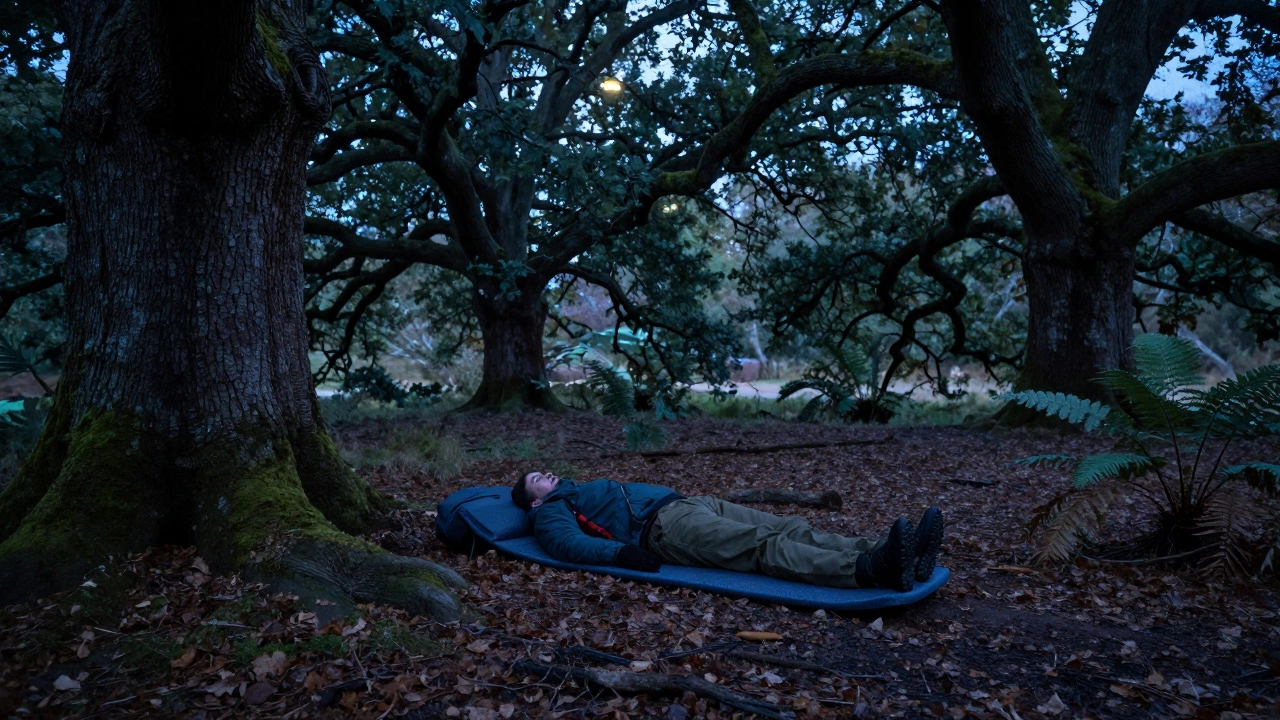
Imagine lying under the canopy of ancient oaks, the air cool and smelling of damp earth, with nothing between you and the stars but your sleeping bag. It sounds like freedom. It feels like rebellion against the clunky poles and heavy fabric of traditional camping gear. But before you ditch your tent for a night under the trees, you need to know the truth: sleeping without a tent in a forest is rarely about comfort-it’s about survival management.
You can do it. Many experienced bushcrafters and ultralight hikers do. But "safe" is a relative term here. Safety depends entirely on where you are, what season it is, and how prepared you are to handle the elements and the creatures that share the woods with you. This isn't just about swapping gear; it's about understanding the environment enough to mitigate real dangers.
The Ground Will Steal Your Heat
The biggest threat to your safety when sleeping without a tent isn't usually a bear or a wolf. It's thermodynamics. The ground is a massive heat sink. If you lay a sleeping bag directly on dirt, leaves, or pine needles, the earth will pull body heat away from you faster than the cold air ever could. You might have a bag rated for -10°C, but if you're lying on uninsulated ground, you'll freeze solid because your core temperature drops rapidly through conduction.
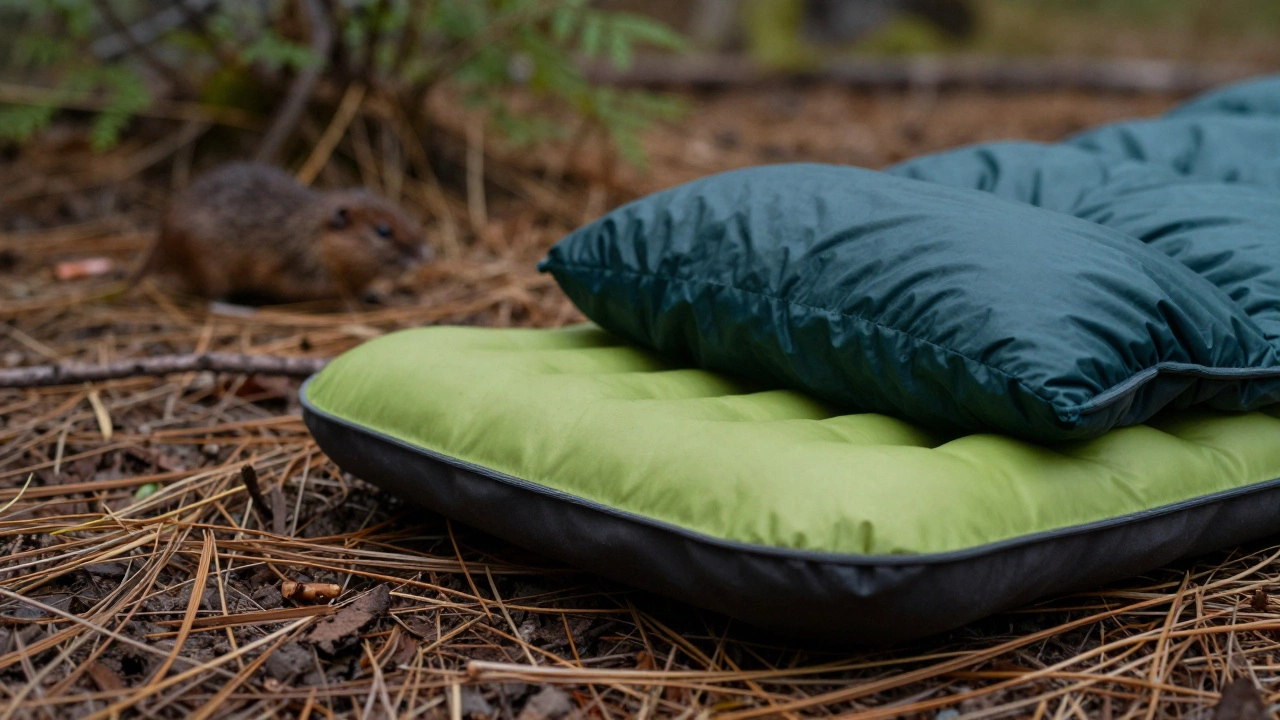
To sleep safely without walls, you must prioritize ground insulation materials placed between your body and the earth to prevent heat loss. A standard foam pad (closed-cell foam) is essential. For serious cold weather, you need an inflatable R-value rated pad (R-5 or higher). Think of it as wearing boots in winter; even if your socks are warm, wet or cold ground makes them useless. Without this layer, hypothermia is not a risk-it's a certainty in temperatures below 10°C.
- Closed-cell foam mats: Cheap, durable, and reliable. They provide basic insulation and don't puncture easily.
- Inflatable pads: Offer better comfort and higher R-values but require careful handling to avoid leaks.
- Natural insulation: In emergency situations, thick layers of dry pine boughs or dead leaves can work, but they are bulky and less effective than synthetic materials.
Wildlife: Respect the Neighbors
Sleeping exposed changes your relationship with local fauna. A tent acts as a physical barrier and a scent container. Without it, you are more visible and your scent disperses differently. In most temperate forests, large predators are not the primary concern-smaller scavengers are.
Rodents, raccoons, and foxes are attracted to food smells. If you cook near your sleeping spot and then lie down there without a tent, you become a beacon. Even trace amounts of grease on your clothes or crumbs in your pockets can invite unwanted guests. Bites from infected animals carry rabies and other diseases, making this a genuine health hazard.
| Animal Type | Risk Level | Mitigation Strategy |
|---|---|---|
| Small Rodents/Raccoons | High | Hang food 200 feet away; never eat in sleeping area. |
| Insects (Mosquitoes/Ticks) | Very High | Use permethrin-treated clothing and DEET repellent. |
| Large Predators (Bears/Cougars) | Low (but severe) | Make noise while moving; store food in bear canisters. |
| Snakes | Moderate | Check bedding area before lying down; shake out shoes. |
In regions with bears, such as parts of North America or Europe, the lack of a tent means you cannot secure yourself inside at night. While bears rarely attack humans who make noise and store food properly, the psychological stress of sleeping unprotected can disrupt rest, leading to poor decision-making the next day. Always check local regulations regarding bear spray requirements and food storage laws.
The Weather Factor: Wind and Rain
A tent provides a microclimate. Without one, you are fully exposed to wind chill and precipitation. Wind doesn't just feel cold; it strips away the thin layer of warm air your body generates around your skin. This accelerates heat loss significantly. If you plan to sleep without a tent, you must choose a sheltered location. Look for natural windbreaks like rock formations, dense thickets, or the leeward side of a hill.
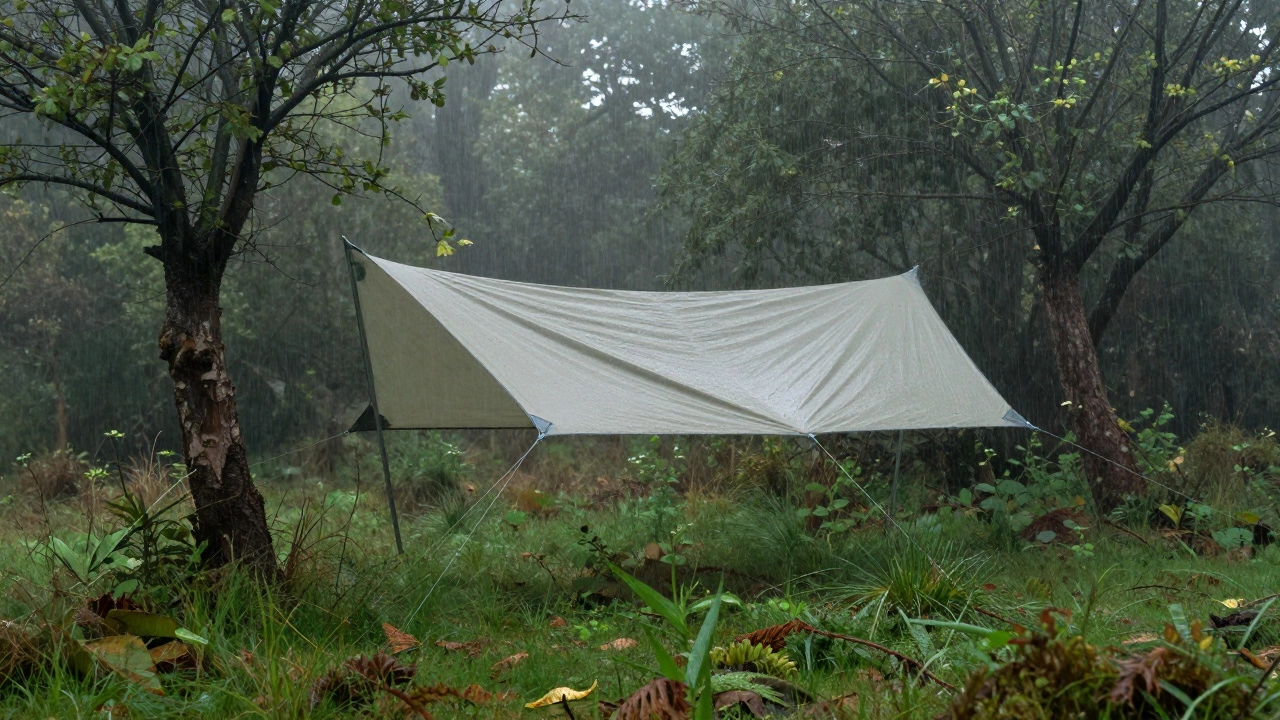
Rain is another dealbreaker for comfort and safety. Wet sleeping bags lose their insulating properties immediately. Down feathers clump together, and synthetic fibers compress. Once wet, they are nearly impossible to dry out in the field. Hypothermia sets in quickly when you are wet and cold. If rain is forecast, sleeping without a tent is unsafe unless you have a lightweight tarp or bivy sack (a waterproof shell for your sleeping bag) as a backup. Never underestimate the speed at which weather conditions can change in a forest.
Legal Considerations: Where Can You Actually Do This?
Just because you *can* sleep without a tent doesn't mean you *may*. Land ownership laws vary drastically by region. In many countries, including the UK, wild camping is technically trespassing on private land and some public lands unless specific permissions are granted. Scotland has the Right to Roam, which allows responsible wild camping, but even there, guidelines exist to protect the environment.
In the United States, dispersed camping (camping outside designated sites) is often allowed on Bureau of Land Management (BLM) and National Forest lands, but rules differ by district. Some areas prohibit fires, others restrict group sizes, and some ban overnight stays entirely during fire season. Ignoring these rules can result in hefty fines or being banned from future access. Always check with local forestry services or park authorities before heading into the woods.
How to Set Up a Safe No-Tent Camp
If you've decided the risks are manageable and the location is legal, follow these steps to maximize your safety and comfort.
- Scout Early: Arrive before dusk. Choose flat ground away from dead branches (widow-makers) that could fall on you. Avoid low-lying areas where water collects during rain.
- Create a Bedding Platform: Lay down your groundsheet first, then your insulated pad. Add extra padding if needed. Ensure no sharp rocks or sticks are underneath.
- Secure Your Food: Use a bear hang method or a bear-proof container. Store all scented items (toothpaste, sunscreen, snacks) at least 200 feet from your sleeping spot.
- Dress for Success: Wear clean, dry base layers to bed. Keep a spare pair of socks and underwear in a dry bag. Change into them before sleeping to retain warmth.
- Lighting: Bring a headlamp with red light mode to preserve night vision and avoid attracting insects. Keep it within reach but not under your pillow.
When Not to Try It
There are clear scenarios where sleeping without a tent is a bad idea. If you are alone, inexperienced, or unfamiliar with the local terrain and wildlife, stick to a tent. During extreme weather events-storms, freezing temperatures, or high winds-a tent provides critical protection. Additionally, if you have allergies to insect bites or pollen, exposure increases your risk of severe reactions. Listen to your instincts; if something feels off, set up the tent.
Can I sleep in a forest without a tent in the UK?
In England and Wales, wild camping is generally considered trespassing on private land and is discouraged by most National Parks, though tolerated in some remote areas like Dartmoor if done responsibly (leave no trace, stay one night). In Scotland, the Right to Roam allows wild camping anywhere except enclosed gardens, provided you follow strict guidelines: camp discreetly, avoid damaging vegetation, and burn no wood fires. Always check local authority rules before going.
What is the best sleeping bag for no-tent camping?
You need a sleeping bag rated at least 10-15 degrees colder than the expected nighttime temperature. Synthetic fill is preferred for no-tent camping because it retains some insulation when damp, whereas down loses almost all warmth if wet. Look for a mummy-style bag for maximum heat retention and ensure it fits your height comfortably to avoid cold spots at the feet.
Are ticks a bigger risk without a tent?
Yes. Ticks thrive in tall grass and leaf litter. Without a tent floor to keep them out, you are more likely to encounter them while settling in or during the night. Perform thorough tick checks on your body and clothing every few hours. Use permethrin-treated clothing and apply DEET-based repellent to exposed skin. Shower as soon as possible after returning home.
Is it safe to sleep under trees?
Sleeping directly under large trees can be dangerous due to falling branches, especially in windy conditions. These are known as "widow-makers." Instead, look for open clearings surrounded by trees for wind protection but free from overhead hazards. Also, avoid sleeping near dead standing trees, which can topple unexpectedly.
Do I need a tarp if I don't use a tent?
A tarp is highly recommended. It provides protection from rain, morning dew, and sun glare. A simple ridgeline setup with a lightweight nylon tarp can weigh less than a full tent but offer significant weather protection. It also helps keep bugs away if you attach bug netting to the edges. This hybrid approach offers the best balance of weight savings and safety.