UK Car Camping Eligibility & Cost Checker
Not sure if you can sleep in your car at a specific site? Use this tool to check general policies by campsite type and estimate potential costs.
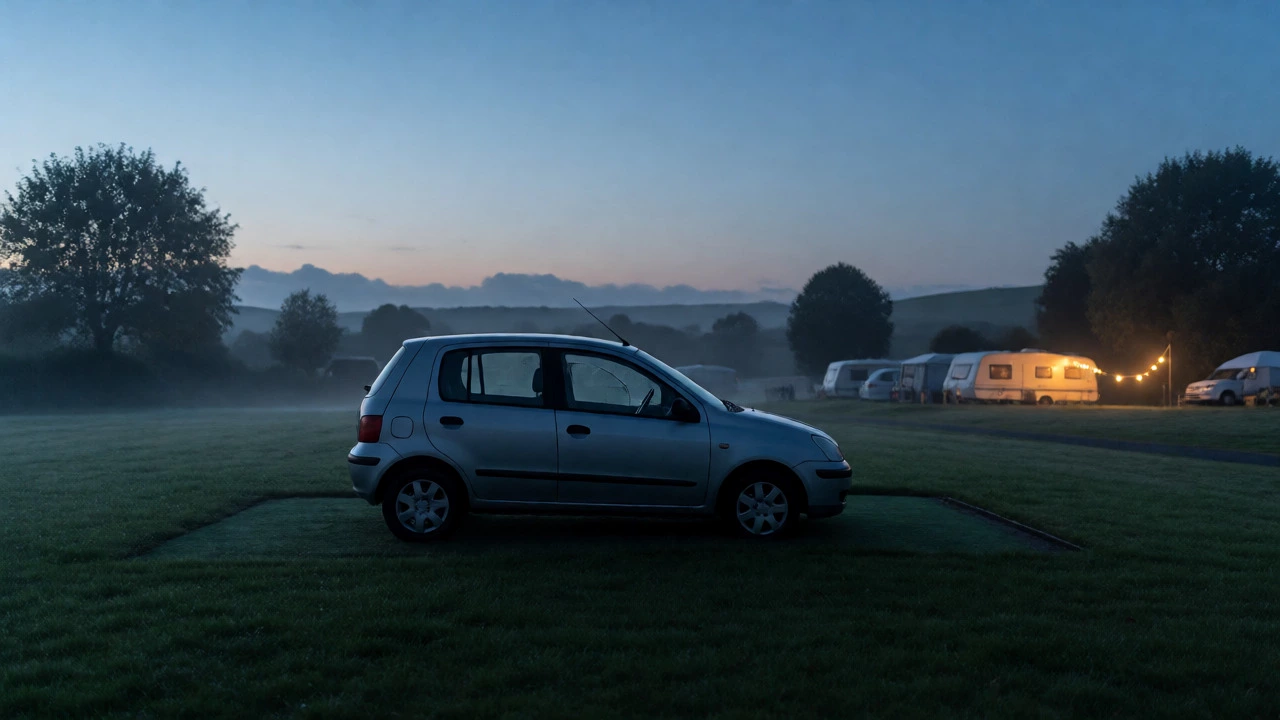
You pull into a campsite designated area for camping with facilities like toilets and showers, engine off, tired eyes. The question hits you: can I just sleep here? The short answer is yes, but the long answer involves local council bylaws, private landowner policies, and the difference between "overnight parking" and "camping." If you show up expecting to pitch a tent next to your hatchback without paying, you might get an awkward knock on the window at 6 AM.
The Legal Landscape: Camping vs. Parking
UK law doesn't explicitly ban sleeping in your car. It’s not illegal to be unconscious inside a vehicle. However, if you are on a campsite, you are likely on private land or managed public land. This changes everything. Most campsites define "camping" as pitching a tent, setting up a caravan, or using a motorhome. A standard car often falls into a grey area called "overnight parking" or "car camping."
If you arrive at a site that strictly lists pitches for tents and caravans, they may refuse entry because you don’t fit their infrastructure model. They expect you to use hook-ups, specific ground anchors, or designated zones. Sleeping in your car is technically different from pitching a tent. Some sites welcome it; others treat it as a violation of their terms of service. Always check the site's specific "car camping" policy before arriving.
| Campsite Type | Car Sleeping Allowed? | Typical Cost | Key Constraint |
|---|---|---|---|
| Commercial Holiday Parks | Usually No (unless specified) | £15-£30 per night | Pitch fees apply even for cars |
| Independent Smallholdings | Frequently Yes | £5-£15 per night | Landowner discretion varies |
| National Trust / Forestry England | Specific Sites Only | £10-£20 per night | Must book via official app/site |
| Pub Gardens | Often Yes | Free to £5 (drink purchase) | No toilets/shower access usually |
Where You Can Actually Sleep
Not all campsites are created equal. When looking for a spot where sleeping in a car is acceptable, look for three specific indicators. First, check if the site advertises "car camping" specifically. This term means they have flat, hard-standing areas suitable for vehicles, not just grass pitches. Second, look for "self-contained" options. Many rural farms offer a field corner for £5-£10 where you can park and sleep without needing a full pitch. Third, consider pub gardens public houses with outdoor space allowing overnight stays. In the UK, many pubs allow free overnight parking in exchange for buying dinner or breakfast. It’s a handshake deal, not a legal right, so ask the bar staff first.
Beware of "wild camping" confusion. Wild camping is generally tolerated in Scotland under the Land Reform (Scotland) Act 2003, but it applies primarily to tents and bivvy bags, not cars. In England and Wales, wild camping is much stricter. Sleeping in your car on a layby is often considered "roadside camping," which councils actively crack down on in tourist hotspots like the Lake District or Snowdonia. Fines can reach £80 or more if you’re caught leaving waste or setting up chairs outside your vehicle.
Booking and Etiquette: How to Avoid Getting Kicked Out
Here is the golden rule: never assume. If you haven't booked, do not drive onto a commercial site expecting to pay cash and sleep. Call ahead. Ask this exact question: "Do you allow sleeping in a standard car, or do you require a tent/motorhome?"
Many site owners prefer motorhomes because they generate more revenue and use fewer pitches. A car takes up the same space as a large van but pays less. To increase your chances of acceptance, follow these etiquette tips:
- Arrive late, leave early: Show up after 7 PM and leave by 9 AM. This signals you are passing through, not setting up a base camp.
- Keep it low profile: Don’t open the boot fully. Don’t set up a table and chairs. Don’t cook outside. Just sleep.
- Leave no trace: Take all rubbish with you. If you used a chemical toilet, dispose of it properly at the station, not on the grass.
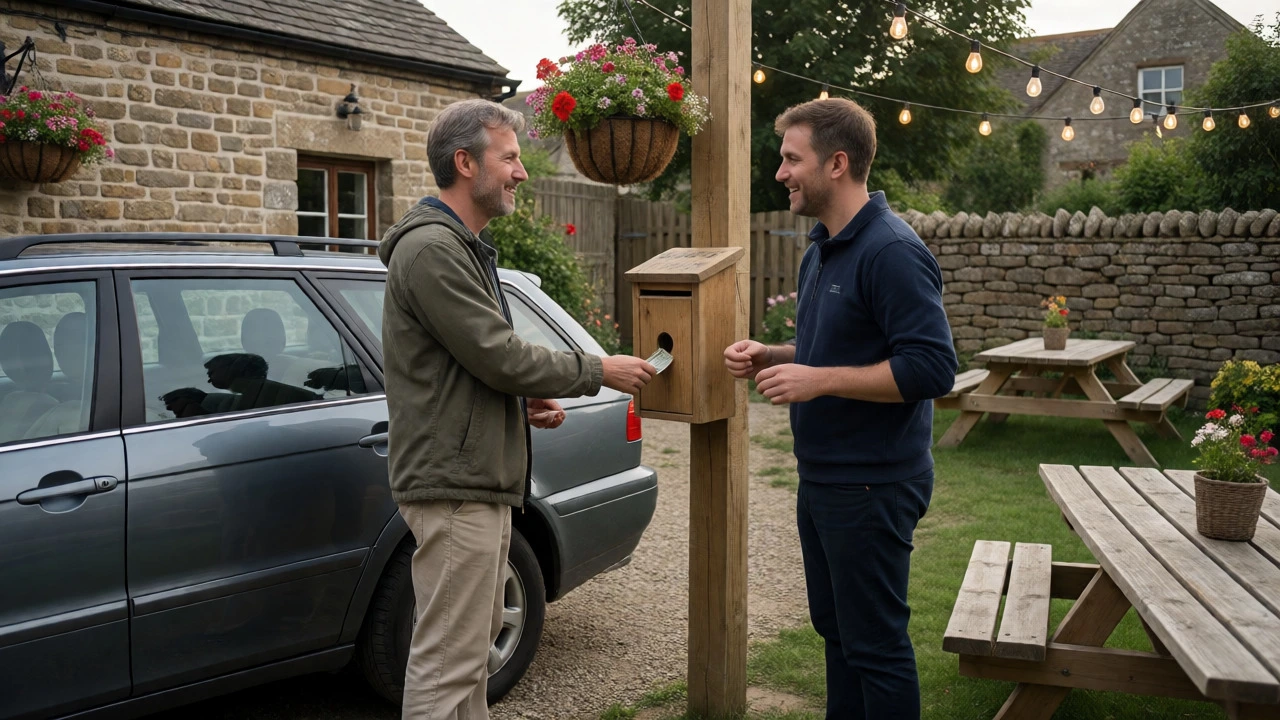
- Pay fairly: If there is a honesty box, put in what you think is fair for the usage. If it’s a paid site, pay the lowest applicable fee, not the premium motorhome rate.
The Cost Factor: Is It Worth It?
Let’s talk money. A basic pitch at a budget campsite in Wales might cost £12. A similar spot in the Cotswolds could hit £25. Does sleeping in your car save you money? Not always. Many sites charge per person or per unit. If you are one person in a car, you might still pay £10-£15 for access to toilets and showers. Compare this to a £40 hotel room in London versus a £15 car spot in rural Devon. In remote areas, the value proposition is strong. In cities, it’s poor.
Also, factor in hidden costs. Do you need a shower? Some sites charge extra for hot water (£1 per minute). Do you need electricity? Cars don’t plug in unless you bring a portable power bank. If you rely on heated blankets, you’ll drain your battery. A decent dual-battery system or a high-capacity power station (like Anker or Jackery) adds upfront cost but saves fuel running the engine for heat.
Regional Differences: Scotland vs. England/Wales
Geography matters. In Scotland part of the UK with liberal wild camping laws, the "Right to Roam" is powerful. You can often sleep in your car on uncultivated land, provided you stay away from buildings and roads. However, popular spots like Torridon now have strict restrictions due to overtourism. Check local signage.
In England country with stricter roadside camping regulations and Wales country with mixed local bylaw enforcement, you are safer sticking to designated campsites. Local councils in Cornwall and Cumbria have introduced "no overnight parking" signs in laybys. Ignoring these leads to tickets. Always read the white signs on poles, not just the green ones.
Practical Gear Checklist for Car Sleepers
Sleeping in a car is cramped. You need gear that maximizes comfort without taking up space. Here is what actually works based on thousands of miles of testing:
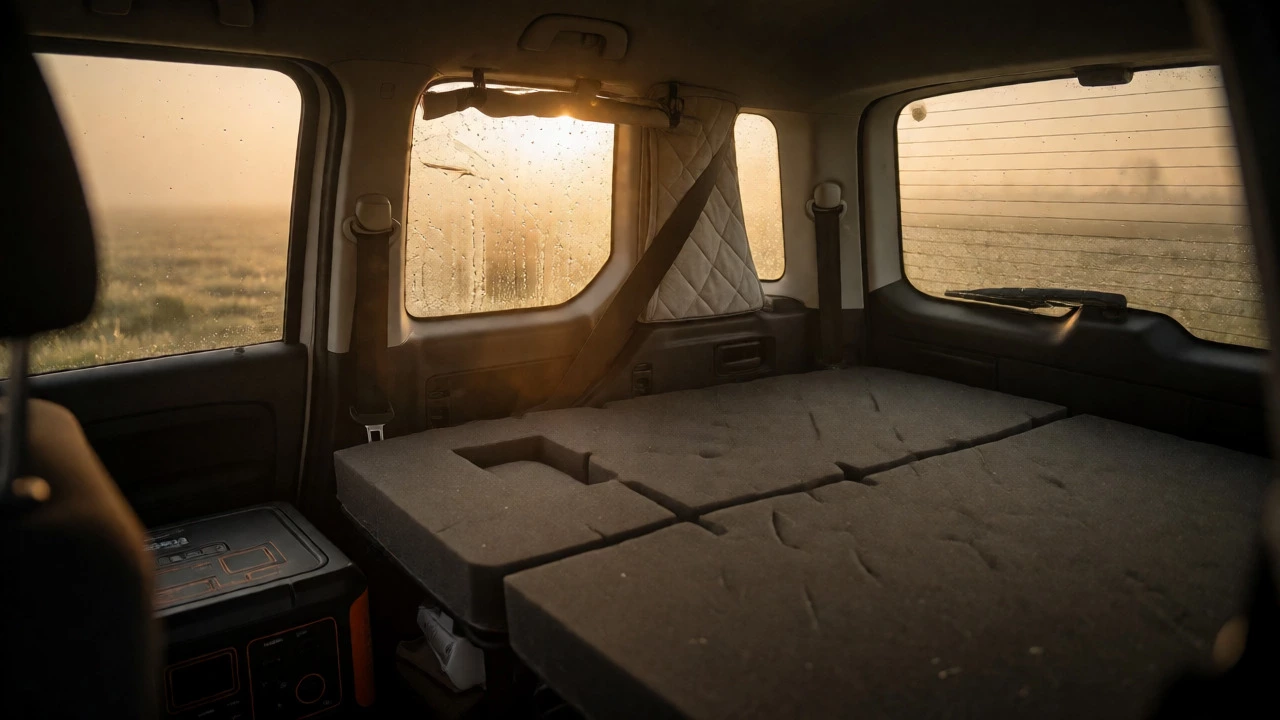
- Insulated Window Covers: Reflective sunshades aren’t enough. Use custom-fit foam or quilted covers for total privacy and warmth. Condensation builds up fast in small spaces.
- Leveling Blocks: UK fields are rarely flat. Two plastic leveling blocks prevent you from sliding into the driver’s seat at 3 AM.
- Ventilation: Crack windows slightly or install mesh vents. Carbon monoxide risk is low if the engine is off, but stuffiness ruins sleep quality.
- Privacy Curtains: Magnetic curtains attach to door frames. They block light better than foil and look less "suspicious" to passersby.
What to Do If You Get Asked to Leave
It happens. A warden knocks on your window at dawn. Stay calm. Be polite. Have your booking confirmation ready if you paid. If you didn’t book, apologize and explain you thought it was permitted. Move along immediately. Arguing gets you fined. Leaving quietly keeps you safe. Most wardens are reasonable people who hate conflict. If you see other cars there, ask them how they got permission. Often, locals know the "unofficial" spots that aren’t on maps.
Is it illegal to sleep in my car on a public road in the UK?
No, it is not illegal to sleep in your car while parked on a public road, provided you are not obstructing traffic or violating specific local bylaws (like yellow lines or resident-only zones). However, if you set up camping equipment outside (chairs, tables), you may be classified as camping, which is restricted in many areas.
Do all UK campsites allow sleeping in cars?
No. Many commercial holiday parks only accept tents, caravans, and motorhomes. Independent sites and farms are more flexible. Always check the "car camping" filter on booking platforms or call the site directly before arrival.
How much does it cost to sleep in a car at a UK campsite?
Costs vary widely. Free options exist at pub gardens (often requiring a meal purchase). Budget independent sites charge £5-£15. Commercial sites may charge £15-£30, similar to a tent pitch. Prices depend on location, season, and amenities.
Can I use a campfire if I sleep in my car?
Most campsites prohibit open fires, especially on grass pitches, to protect the turf. Gas stoves are usually allowed. In dry summer months, fire bans are common across England and Wales. Check the site’s specific fire policy before lighting anything.
Is it safe to sleep in my car at a campsite?
Generally, yes. Campsites are secure environments compared to roadside laybys. Lock your doors and keep valuables out of sight. Using a steering wheel lock adds security. Noise from neighbors is the main disturbance, not theft.