Campsite Dog Safety Checker
Enter your scenario details below to determine if it's safe to leave your dog at the campsite.
Recommendation
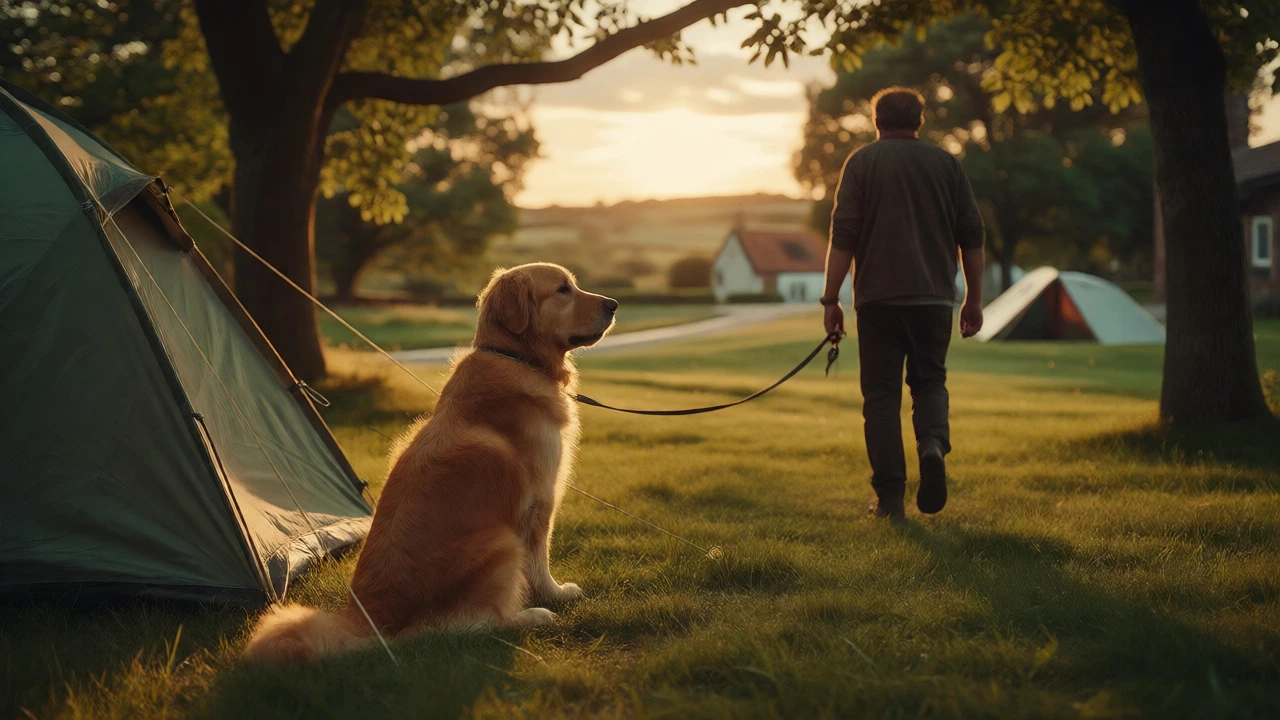
You’ve just pitched your tent, cracked open a cold drink, and the sun is setting over the hills. It’s the perfect moment to head into town for dinner or go for a hike. But then it hits you: can you leave a dog at a campsite alone? It’s a question that keeps many first-time pet owners up at night, not just because of the potential fines, but because of the sheer anxiety of leaving your best friend behind in an unfamiliar environment.
The short answer isn’t a simple yes or no. It depends entirely on where you are, who runs the site, and how well-trained your dog is. While some wild camping spots in Ireland might turn a blind eye to a tethered dog for an hour, a busy holiday park in County Kerry will likely have strict rules against it. Let’s break down exactly what you need to know before you zip up that tent and walk away.
Understanding Campsite Policies
Most commercial campsites operate under specific insurance policies that dictate how pets must be handled. If you look closely at the terms and conditions of major chains like Glamping Hub or local Irish operators like Killarney Camping, you’ll often find a clause stating that dogs must be supervised at all times. This isn’t just about noise; it’s about liability. If your dog escapes its lead and bites another camper’s child, the campsite owner could be held partially responsible if they allowed unsupervised animals on the pitch.
In contrast, Wild Camping regulations differ significantly. In many parts of Europe, including the UK and Ireland, there are fewer formal rules when you’re out in nature without a designated facility. However, this doesn’t mean you can abandon your dog. The general rule of thumb in wild camping is that you should never leave your dog alone for more than a few minutes, and even then, only if it is securely tethered and within sight. Leaving a dog alone overnight in the wild is risky due to wildlife interactions and weather changes.
The Risks of Leaving Your Dog Unattended
Even if the rules allow it, is it safe? Think about the environment. A campsite is full of smells-food cooking nearby, other dogs, strange people walking past. For a reactive or anxious dog, this sensory overload can trigger barking fits or destructive behavior. I once saw a Labrador chew through a canvas tent pole because its owner left it alone for two hours while they went shopping. The repair cost more than the campsite fee.
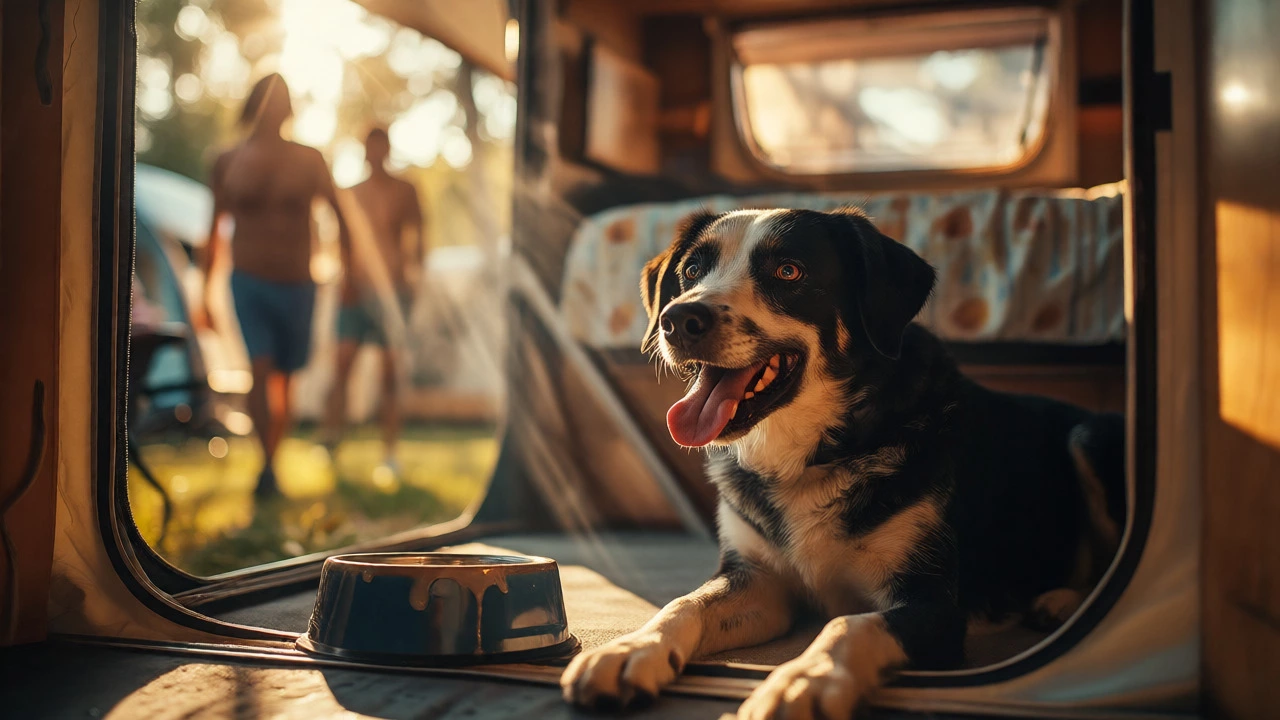
- Heatstroke: Even on mild days, direct sunlight inside a small tent or caravan can raise temperatures dangerously fast. Dogs cannot sweat like humans do; they pant. If they can’t get airflow, they overheat quickly.
- Escape Artists: Most campsite pitches aren’t fenced. A curious nose or a sudden loud noise can send a dog sprinting into traffic or deep into the woods, making recovery difficult.
- Separation Anxiety: Being tied up in a strange place without your scent can cause panic. This leads to excessive barking, which annoys neighbors and can result in complaints to the site manager.
Legal and Insurance Implications
From a legal standpoint, leaving a dog unattended can void your pet insurance policy. Many insurers require that pets be under the control of the owner at all times. If your dog causes damage to another camper’s property-say, knocking over a barbecue or digging up a neighbor’s garden-and you weren’t there to stop it, you might find yourself paying out of pocket.
Furthermore, local bylaws vary. In some council-run campsites in Dublin or Cork, leaving a dog unattended is explicitly prohibited and can result in immediate eviction from the site. Always check the posted signs upon arrival. If the sign says "Dogs must be on lead," it usually implies active supervision, not just being on a long rope while you sleep in the car.
| Campsite Type | Typical Rule | Risk Level | Best Practice |
|---|---|---|---|
| Holiday Parks | Strictly supervised; no unattended dogs | High (Fines/Eviction) | Use a crate or take them with you |
| Farm Sites | Flexible if quiet; often tolerant | Medium (Livestock risk) | Tether securely; avoid livestock areas |
| Wild Camping | No formal rules; common sense applies | Medium (Weather/Wildlife) | Never leave overnight; keep visible |
| National Parks | On lead always; strict zones | High (Conservation rules) | Check zone maps before pitching |
Practical Solutions for Short Absences
If you absolutely must leave your dog for a short period-perhaps to use the shower block or fetch firewood-you need to set up a safe micro-environment. First, ensure your dog is tired. A pre-campsite walk helps burn off energy so they are more likely to rest. Second, provide comfort items. Bring their favorite blanket or a toy that smells like home. This reduces stress.
Consider using a portable playpen or a sturdy crate secured to the ground. This prevents them from wandering off and provides a den-like feeling. Make sure they have access to fresh water, but remove food bowls if they tend to spill them, as wet ground attracts insects and creates a mess. Also, leave a note with your phone number attached to the lead or tent stake. If a neighbor hears whining, they can contact you immediately rather than calling site management.
When to Take Your Dog With You
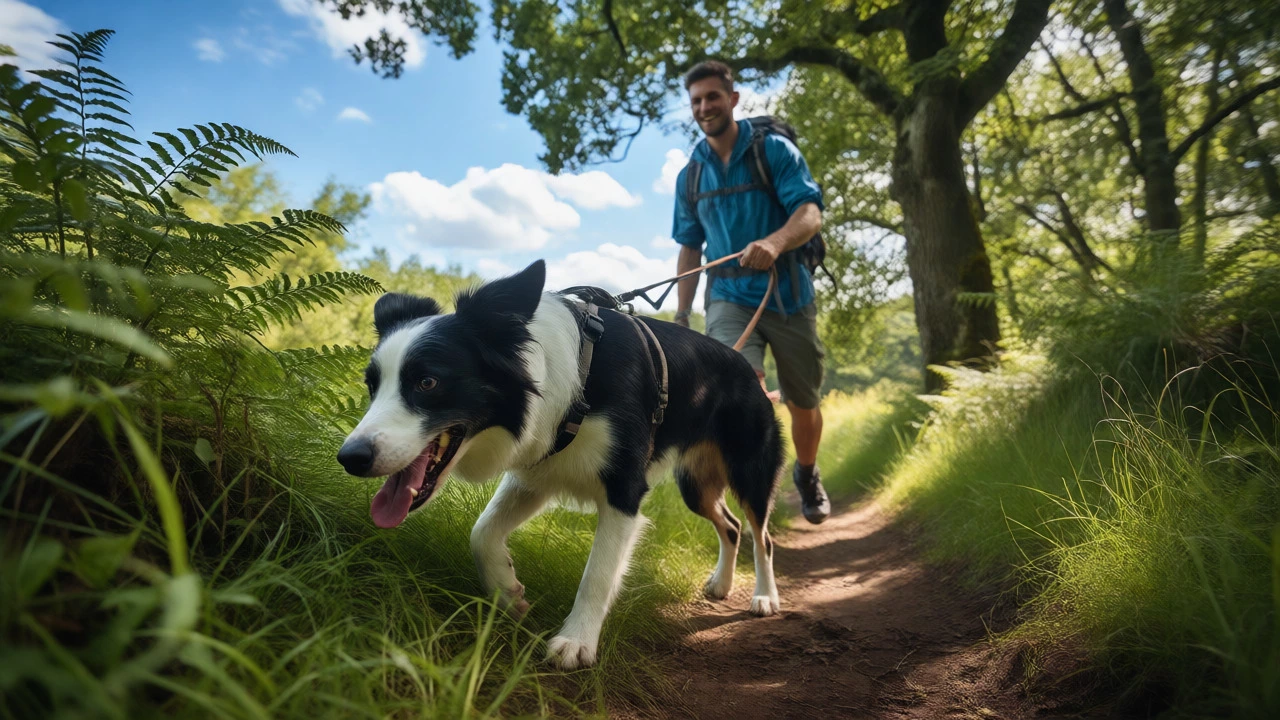
Sometimes, the easiest solution is to bring the dog along. Many campsites are located near trails that welcome dogs. Instead of viewing a hike as a chore, see it as bonding time. If you’re planning a day trip to a city center, research dog-friendly cafes beforehand. In Dublin, for example, places like Lady Gregory’s Yard are known for being pet-tolerant, though you should always call ahead during peak seasons.
If taking the dog isn’t an option, consider hiring a local dog walker or sitter. Services like Rover or local equivalents can connect you with vetted sitters who can visit your campsite. This costs money, but it saves you the guilt and potential trouble of breaking site rules.
Preparing Your Dog for Camping Life
Not every dog is cut out for camping. If yours has never slept outside or been around other dogs, a campsite might be overwhelming. Start with "practice nights" in your back garden. Pitch the tent, let them explore it, and spend a night inside. Observe how they react to noises and confinement.
Training commands like "stay" and "quiet" are crucial. A dog that barks at every passing car will annoy your neighbors and potentially get you asked to leave. Desensitization training before the trip makes the actual experience much smoother. Remember, a calm dog makes for a happy camper and happy neighbors.
Can I leave my dog alone in a caravan at a campsite?
It depends on the campsite's specific rules and the weather. Generally, most sites prefer dogs to be supervised. If allowed, ensure the caravan is well-ventilated and cool. Never leave a dog in a sealed caravan in warm weather, as temperatures can rise rapidly, leading to heatstroke. Always check with site management first.
What happens if my dog barks excessively while I am away?
Excessive barking is one of the top reasons campers are asked to leave early. Neighbors may complain to the site manager, who might issue a warning or ask you to remove the dog from the site. To prevent this, ensure your dog is exercised before you leave and consider using calming aids like pheromone sprays.
Are there any legal penalties for leaving a dog unattended at a campsite?
While there are rarely criminal penalties, you can face civil consequences. These include fines from the campsite operator, loss of deposit, or being banned from the site. Additionally, if your dog causes an accident or injury while unattended, you could be liable for damages and medical costs.
How long is too long to leave a dog at a campsite?
For most dogs, anything longer than 15-30 minutes increases the risk of anxiety and escape. If you plan to be gone for more than an hour, it is generally better to take the dog with you or arrange for a sitter. Overnight stays alone are discouraged unless the dog is extremely accustomed to it and the site permits it.
Do wild camping rules regarding dogs differ from commercial campsites?
Yes. Wild camping lacks formal enforcement, so rules rely on common sense and environmental protection laws. You must clean up after your dog and ensure they don't disturb wildlife or livestock. Commercial campsites have contractual obligations and insurance requirements that often mandate constant supervision.