
Motorhome Price Savings Calculator
Find Your Savings
Based on article: October-January offer the best prices with 15-30% discounts off MSRP
Potential Savings
Pro Tip
According to the article, you can save 15-30% when buying between October and January. The calculator shows estimated savings based on seasonal pricing patterns.
Buying in peak season (June-August) often results in full MSRP pricing with little negotiation room.
Buying a motorhome is a big decision, and if you’re looking to save money, timing matters more than you think. Most people assume spring or summer is the best time to shop-after all, that’s when everyone’s dreaming of road trips. But the truth? The cheapest months to buy a motorhome are right after the peak season ends, and the deepest discounts happen when dealers are trying to clear out inventory before the next model year hits.
October to January Is the Sweet Spot
If you want the lowest prices, start looking in October and keep your eyes open through January. This is when dealers are clearing out last year’s models to make room for new ones. Sales drop off after Labor Day, and by November, most buyers have already taken their summer trips. That means dealers are desperate to move stock. You’ll see discounts of 15% to 30% off MSRP, sometimes even more on older inventory or models with minor cosmetic issues.
Dealerships don’t want to hold onto units over winter. Storage costs add up, and insurance premiums go up. They’d rather sell a 2025 model at $25,000 than keep it sitting for six months and risk damage or depreciation. That’s why you’ll find better deals in late fall and early winter than you will in June.
Why Summer Is the Worst Time to Buy
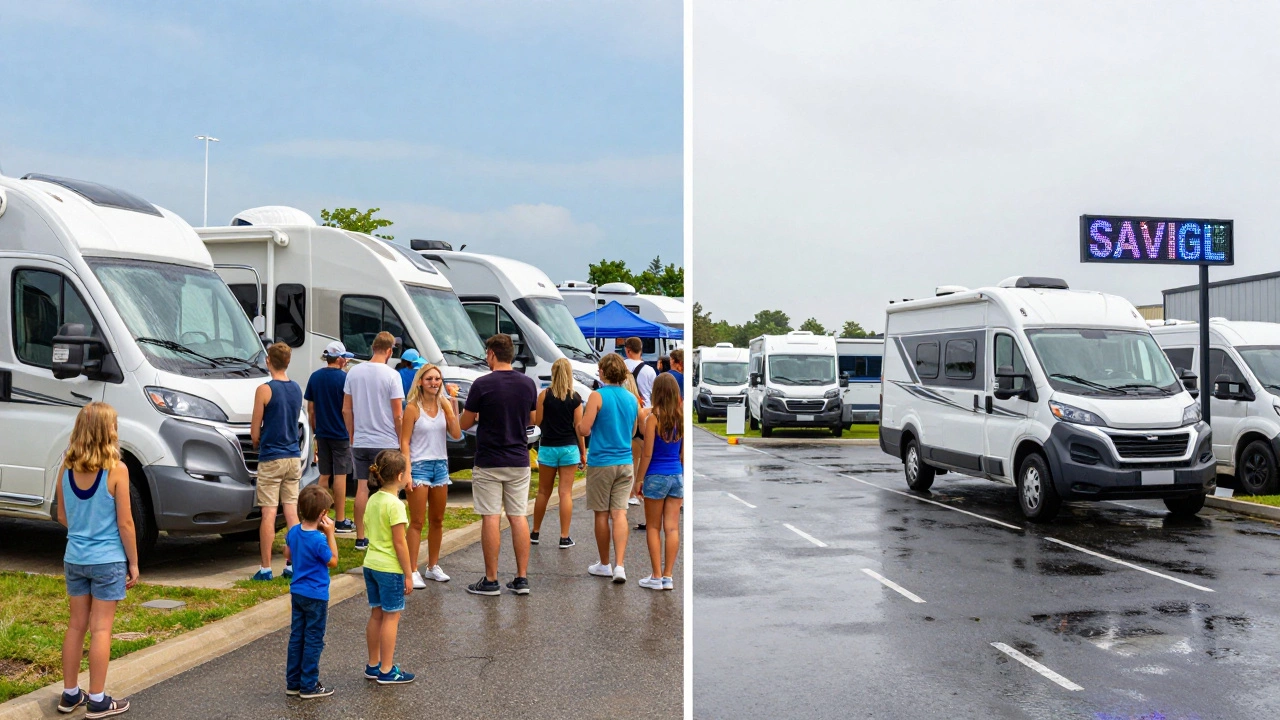
June through August is the most expensive time to buy. Demand is high, inventory is low, and sellers know you’re ready to hit the road. If you’re shopping in July, you’re competing with families planning vacations, retirees escaping the heat, and weekend warriors who’ve been saving all year. Prices stay firm, and negotiation room is tight. You might even pay full MSRP-or more if the model is in high demand.
Even if you see a “summer sale,” it’s usually just a marketing trick. The discount is often already baked into the sticker price. Real savings come when there’s no urgency on the buyer’s side-and that’s not during peak season.
What About Holiday Sales? Black Friday and New Year’s
Black Friday and New Year’s Eve sales are real, but they’re not the biggest deals you’ll find. Many dealers run promotions during these times, but they’re often limited to specific models or require financing through their in-house lenders. The real bargains come from dealers trying to hit year-end sales targets-not from flashy ads.
Instead of waiting for a holiday sale, focus on dealers who are trying to clear out inventory before March. That’s when manufacturers start shipping the new model year. If you can close a deal in February, you’ll beat the rush and lock in a lower price before the new models arrive.
How to Find the Best Deals
Don’t just walk into a dealership and ask for a discount. Be strategic:
- Check inventory online first. Look for models that have been listed for over 60 days. Those are the ones dealers are eager to move.
- Call ahead. Ask, “Do you have any 2024 models left? Are you offering any end-of-year clearance?”
- Visit during the week. Weekends are busy. Weekdays, especially Tuesday and Wednesday, are slow. Salespeople have more time to negotiate.
- Be ready to walk away. If they won’t budge, say you’re looking at another brand. You’ll be surprised how fast they come back with a better offer.
- Consider off-brand or lesser-known manufacturers. Brands like Winnebago or Thor get all the attention, but smaller companies like Jayco or Fleetwood often have deeper discounts to compete.
What About Weather and Inspection?
You might worry about buying in winter. What if the heater doesn’t work? Or the water system freezes? These are valid concerns-but they’re easy to solve.
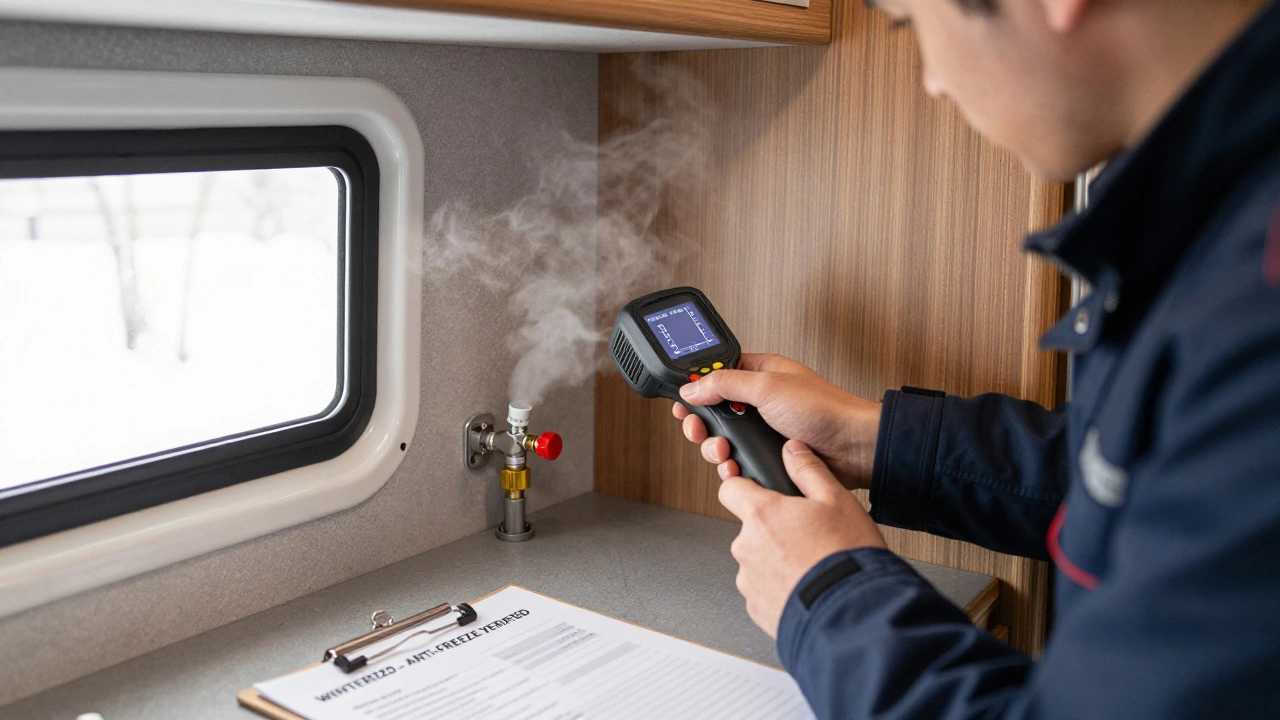
Always ask for a pre-delivery inspection. A reputable dealer will let you bring in a mechanic or RV technician to check the plumbing, electrical, and HVAC systems. If they refuse, walk away. A good deal isn’t worth a money pit.
Also, make sure the motorhome has been winterized properly. Ask for documentation showing the antifreeze was added, the tanks were drained, and the battery was maintained. If they can’t prove it, assume it wasn’t done-and factor in the cost of repairs.
Why New Models Aren’t Always Better
Many buyers think the latest model year is the safest bet. But in motorhomes, that’s not always true. New models often come with untested features. The 2025 model might have a new water pump or touchscreen system that’s still buggy. The 2024 model? It’s been on the road for a year. If something broke, the manufacturer already fixed it in the next production run.
Plus, dealers are more likely to throw in extras-like free camping gear, extended warranties, or free delivery-on older models. You’ll get more value for your money.
When to Avoid Buying Altogether
Don’t buy in March or April. That’s when dealers get their new inventory. Prices jump fast. You’ll pay premium rates, and you’ll have less leverage to negotiate.
Also avoid buying right before holidays. If you’re planning to use it for Memorial Day or Fourth of July, don’t buy in May. You’ll be stuck with a used vehicle that hasn’t been tested, and you’ll have no time to fix issues before your trip.
Real Numbers: How Much Can You Save?
A 2024 Class C motorhome with 15,000 miles and a full service history might list for $78,000 in June. By December, that same unit could be priced at $58,000-with the same features, same condition, and same warranty.
That’s a $20,000 difference. Even if you pay $1,000 for a pre-purchase inspection and $500 for winterization services, you’re still saving over $18,000. That’s enough to cover a year of campsite fees, a new awning, or a second set of tires.
Final Tip: Plan Ahead
Don’t wait until December to start looking. Start researching in September. Know what models you like. Check resale values on sites like NADA Guides or RV Trader. Get pre-approved for financing. The more prepared you are, the faster you can act when a good deal drops.
The cheapest time to buy isn’t when the weather’s nice. It’s when everyone else is too cold to care. Be the one who shows up in January with cash in hand-and you’ll drive away with the best deal of the year.
Is it cheaper to buy a motorhome at the end of the year?
Yes, the end of the year-specifically November through January-is typically the cheapest time to buy. Dealers are clearing out last year’s models to make room for new inventory, and they’re more willing to negotiate. Discounts of 15% to 30% are common during this period.
Should I wait for Black Friday to buy a motorhome?
Black Friday deals exist, but they’re not always the best. Many are tied to financing offers or limited to specific models. The real savings come from dealers clearing inventory in late fall and early winter-not from holiday promotions. If you find a good deal on Black Friday, take it. But don’t wait for it.
Can I negotiate the price of a motorhome?
Absolutely. Motorhome pricing is rarely fixed. Dealers expect negotiation, especially on older models or those sitting on the lot for over 60 days. Always ask if they can match a lower price from another dealer. Bring a pre-inspection report if you have one-it gives you leverage.
Are used motorhomes a better deal than new ones?
Used motorhomes often offer better value. A one-year-old model with low mileage can save you 20-30% compared to a brand-new one. Plus, the first owner has already worked out any bugs. Look for vehicles that are 6 to 18 months old with full service records.
What should I check before buying a motorhome in winter?
Have a professional inspect the plumbing, heating, and electrical systems. Ask for proof the unit was winterized properly-this includes antifreeze in the lines, drained tanks, and battery maintenance. Test the furnace and water pump on-site if possible. Don’t skip this step, even if the price is great.