Camping Sleep Comfort Calculator
Use this tool to decide whether the effort of changing into dry base layers is worth it for tonight's camp.
Recommendation
...
Why?
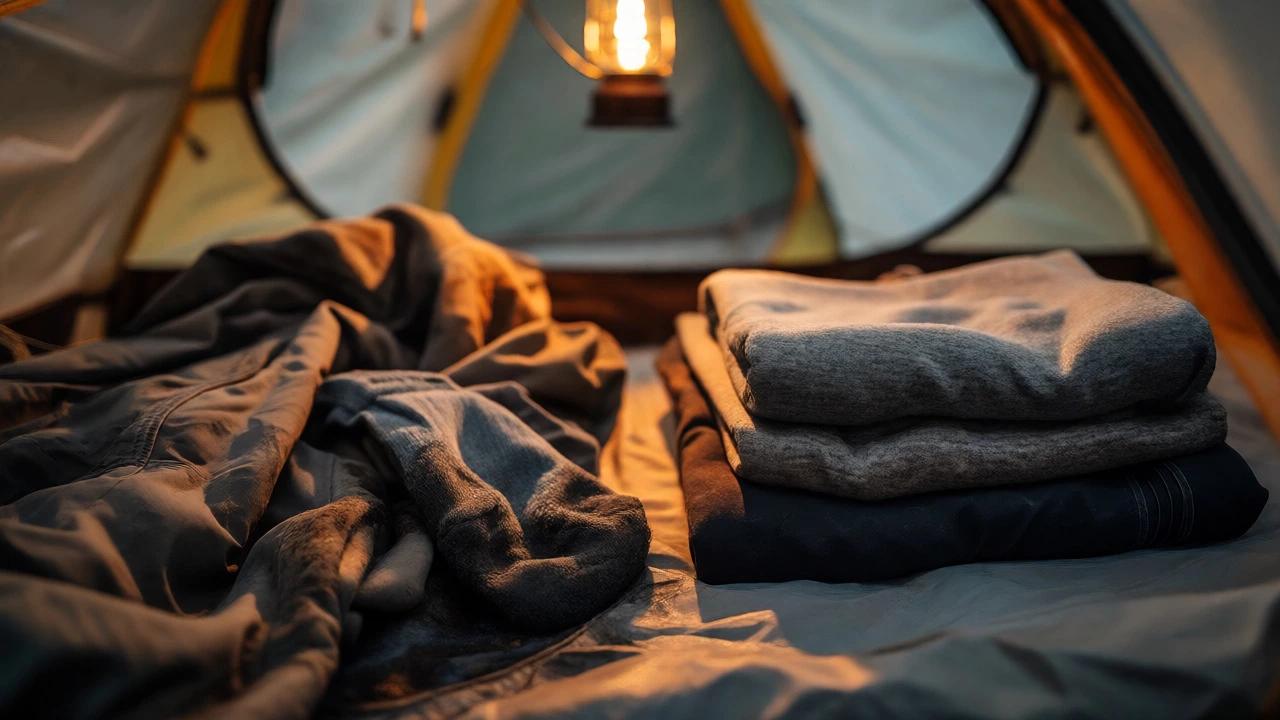
You’ve just pitched your tent after a long hike across the Brecon Beacons. It’s damp, it’s cold, and you’re exhausted. Do you really want to strip off your sweaty hiking trousers and put on dry base layers? Or do you just collapse into your day clothes because taking them off feels like too much effort?
This is one of those camping debates that splits people into two camps: the "change for bed" purists and the "sleep in everything" pragmatists. There isn’t a single right answer, but there are definitely wrong ways to handle it depending on your gear, the weather, and how much you value your skin.
Why Changing Out of Day Clothes Matters
The main reason guides and experienced campers tell you to change out of your day clothes before sleeping isn’t about looking nice. It’s about moisture management. Throughout the day, your body produces sweat, even if you don’t feel hot. That moisture gets trapped in your fabrics. If you sleep in those same damp layers, that moisture sits against your skin all night. In the UK, where humidity is high and nights can get chilly, this is a recipe for feeling cold and clammy rather than warm and rested.
Furthermore, dirt, pollen, and grit from the trail end up in your fabric weave. Sleeping in dirty clothes means rubbing that grit into your skin and, more importantly, into your sleeping bag liner. Over a multi-day trip, this grime builds up, making your bedding uncomfortable and harder to clean later.
The Case for Sleeping in Your Day Clothes
Let’s be honest: sometimes changing is just annoying. If you’re doing a quick overnighter at a car campsite in summer, or if you’re exhausted after setting up camp in the rain, the hassle of digging out dry clothes might not seem worth it. Some modern technical fabrics are designed to wick moisture so efficiently that they stay relatively dry, reducing the penalty for skipping the change.
There’s also the temperature factor. On very cold nights, some campers prefer to sleep in their baselayers (which they wore during the day) simply because they know exactly how those layers fit and feel. Adding another layer of clothing inside a sleeping bag can sometimes compress the insulation, actually making you colder. If your day clothes are already your best thermal layers, keeping them on might make sense.
The Hygiene Factor: Skin Health and Comfort
Ignoring hygiene while camping can lead to real problems. Sweat and bacteria trapped in fabric create an environment for fungal infections, particularly around the feet and groin. This is especially relevant if you’ve been wearing socks and boots all day. Sleeping in damp socks is a fast track to athlete’s foot or blisters getting irritated.
Also, consider your sleeping bag. Synthetic bags can be washed, but down bags are a nightmare to clean properly. If you consistently sleep in dirty day clothes, you’ll shorten the lifespan of your expensive sleeping bag. A dedicated set of "sleep clothes" acts as a barrier between your body oils/dirt and your insulation.
What to Wear: The Ideal Sleep Setup
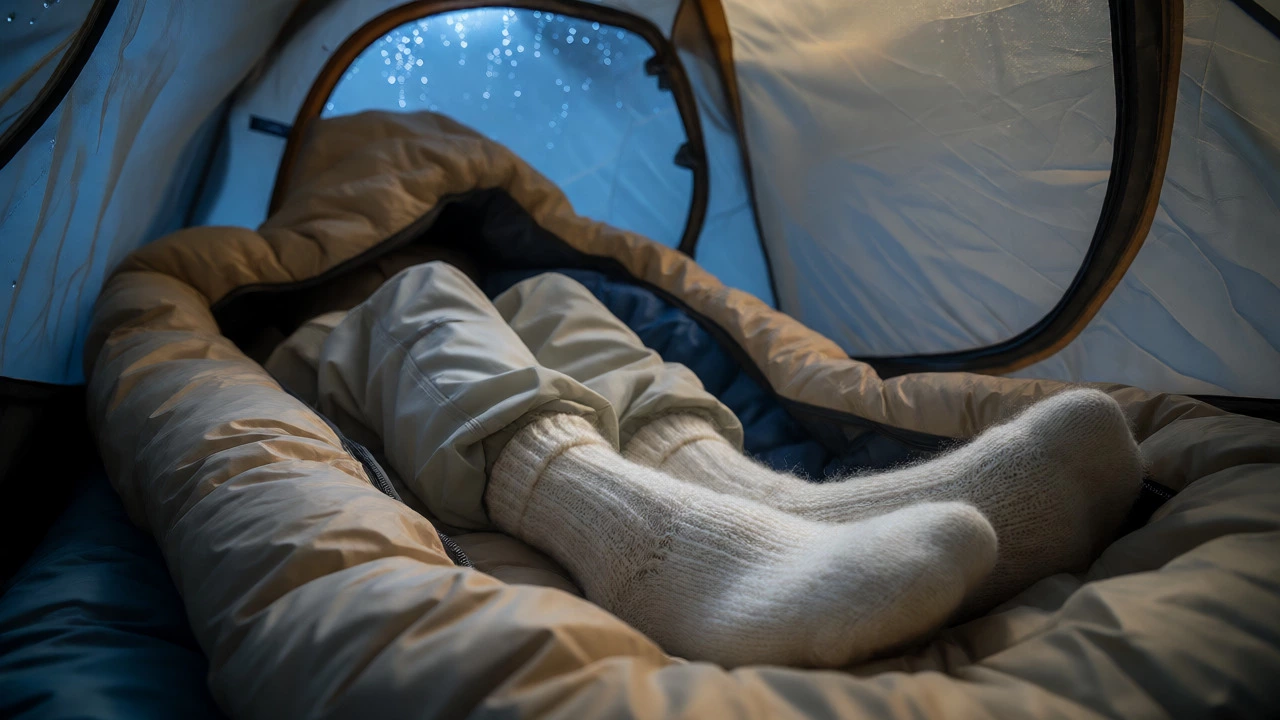
If you decide to change, what should you wear? The goal is dry, loose, and breathable. Avoid cotton, which holds moisture and takes forever to dry. Instead, look for merino wool or synthetic blends.
| Material | Moisture Wicking | Warmth When Wet | Comfort Level | Best For |
|---|---|---|---|---|
| Merino Wool | High | Good | Very High | Cold nights, multi-day trips |
| Synthetic Fleece | Medium | Poor | High | Mild weather, quick drying |
| Cotton | Low | Terrible | Medium | Hot, dry climates only |
| Technical Baselayer | High | Variable | High | Active days, high sweat |
Loose-fitting long johns or leggings made of merino wool are the gold standard. They allow blood flow (tight clothes restrict circulation, making you colder) and manage moisture effectively. If you’re prone to getting cold feet, keep a separate pair of thick, dry wool socks strictly for sleeping. Never wear your hiking socks to bed.
UK-Specific Considerations
Camping in the UK brings unique challenges. Our weather is unpredictable, and condensation inside tents is common, even in summer. If you wake up with damp clothes from condensation touching the inner tent wall, changing into dry sleep clothes becomes critical. In autumn and winter, temperatures drop significantly at night. The difference between a wet day shirt and a dry wool base layer can be the difference between shivering until dawn and sleeping soundly.
Also, many UK campsites have limited washing facilities. You can’t rely on laundry services like you might at a hotel. Having a small kit of dedicated sleep clothes ensures you always have something fresh to put on, regardless of how muddy your day was.
Practical Tips for Packing Sleep Clothes
You don’t need a whole wardrobe. Just pack smart:
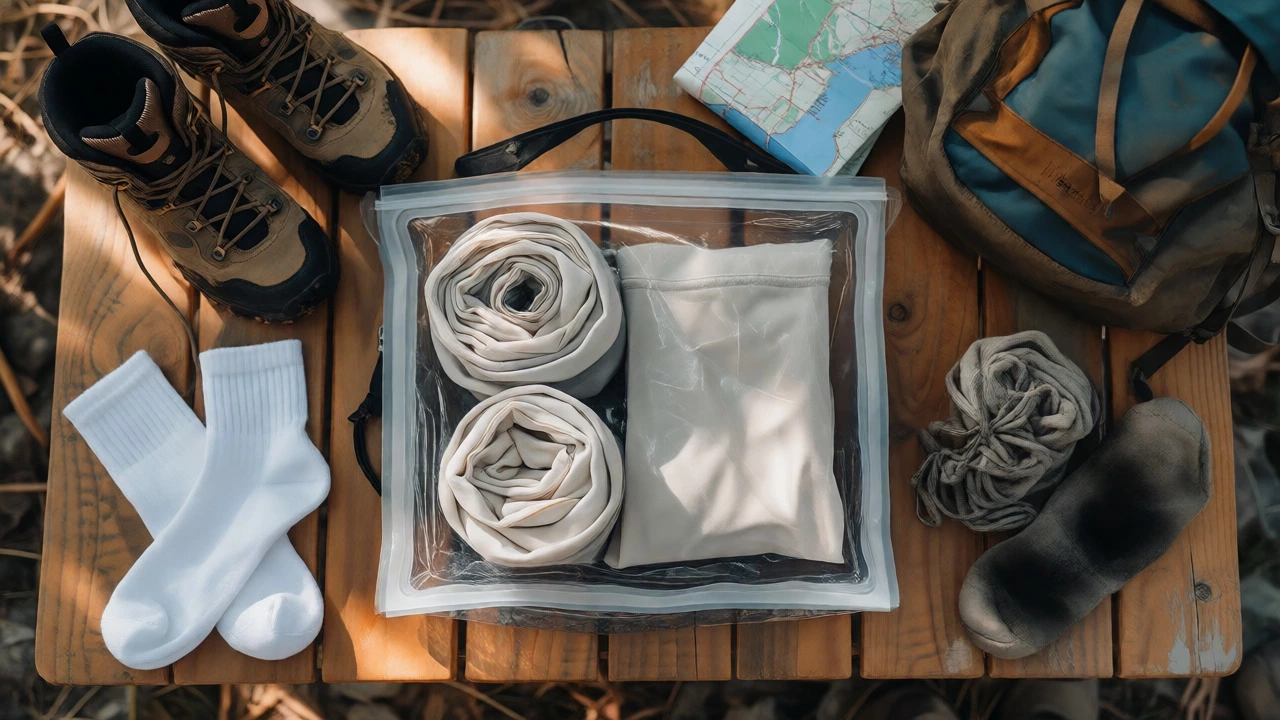
- Keep it sealed: Store your sleep clothes in a dry bag or ziplock bag inside your rucksack. This guarantees they stay dry even if your other gear gets soaked.
- Separate socks: Always carry a dedicated pair of sleeping socks. Label them or keep them in a specific pocket so you never accidentally wear them during the day.
- Base layers only: Unless it’s freezing, you rarely need more than a top and bottom for sleeping. Extra bulk compresses your sleeping bag’s loft.
- Check the forecast: If you’re expecting heavy rain, bring extra base layers. If it’s a hot summer night, lightweight synthetics might suffice.
When It’s Okay to Skip the Change
There are scenarios where sleeping in day clothes is perfectly fine. If you’re staying in a cabin or a yurt with proper heating and bedding, you’re essentially indoors. The rules of hygiene apply less strictly when you have a duvet and pillow cases acting as barriers. Similarly, if you’re doing a solo bivvy sack setup in mild weather and prioritizing weight savings, you might accept the discomfort for the sake of a lighter pack. But for most traditional tent camping in the UK, the comfort boost from changing is worth the minor effort.
Frequently Asked Questions
Is it bad to sleep in my hiking clothes?
It’s not necessarily "bad," but it’s suboptimal. Hiking clothes accumulate sweat, dirt, and bacteria. Sleeping in them can make you feel cold due to retained moisture and can degrade your sleeping bag faster. For hygiene and warmth, it’s better to change into dry, dedicated sleep clothes.
What is the best material for camping sleep clothes?
Merino wool is widely considered the best option because it regulates temperature well, resists odors, and stays warm even if slightly damp. Synthetic technical fabrics are a good alternative if you prefer faster drying times and lower cost. Avoid cotton, as it retains moisture and makes you cold.
Do I need to wear socks to bed while camping?
Yes, especially in cooler climates like the UK. Cold feet prevent sleep. However, ensure these are clean, dry socks reserved solely for sleeping. Wearing sweaty hiking socks to bed can cause fungal issues and won’t provide effective insulation.
How many sets of sleep clothes should I pack?
For weekend trips, one set is usually enough if you air them out during the day. For longer expeditions, consider packing two sets to rotate if one gets damp from condensation or sweat. Keep them in a waterproof bag to ensure they remain dry.
Can sleeping in day clothes damage my sleeping bag?
Yes, over time. Dirt, oils, and sweat from day clothes transfer to the interior lining of your sleeping bag. This reduces the insulation efficiency of down or synthetic fill and requires more frequent, difficult washings. Using a sleeping bag liner or changing clothes helps preserve your gear.