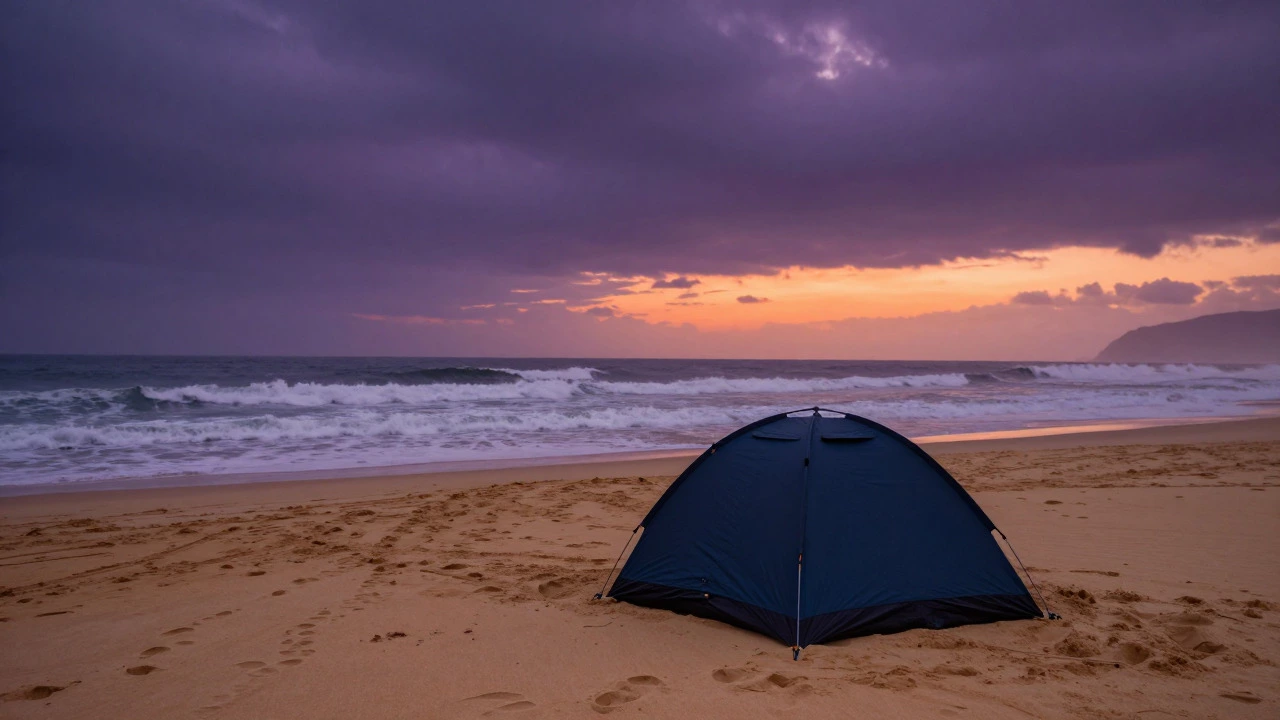
UK Beach Camping Legal Checker
Result
Picture this: you’ve driven for hours, your car is packed with gear, and you finally reach a stunning stretch of coastline. The sun is setting, the waves are crashing, and there’s not a single tent in sight. You pitch up, ready for a night under the stars. But then it hits you-is this actually legal? In the United Kingdom, the answer isn’t a simple yes or no. It depends entirely on where that beach is located.
If you’re planning a trip to the British coast in 2026, understanding the difference between a public right of way and private land ownership is crucial. One wrong move could mean a fine, an eviction, or worse, damaging the very environment you came to enjoy. This guide breaks down the complex web of laws regarding beach camping across England, Scotland, Wales, and Northern Ireland, so you can camp with confidence.
The Golden Rule: Who Owns the Sand?
Before we dive into specific regions, we need to address the biggest misconception about beach camping in the UK. Most people assume that because they can walk on the beach, they can also sleep on it. That is rarely true.
In the vast majority of cases, the sand below the high-water mark is owned by the Crown Estate. Above the high-water mark, the land is typically privately owned by local councils, landowners, or conservation groups like the National Trust. While you may have a legal right to access the foreshore (the area between low and high tide) for walking or swimming, that right does not automatically extend to overnight stays.
Camping implies a degree of permanence-pitching a tent, building a fire, leaving waste-that goes beyond mere passage. Without explicit permission from the landowner or a designated permit, sleeping on most UK beaches is technically trespassing. Trespass itself is usually a civil matter, meaning you won’t go to jail, but if you refuse to leave when asked by police or landowners, you can be charged under the Police Reform Act 2002.
Scotland: The Right to Roam Exception
Scotland is the outlier here, and for good reason. Thanks to the Land Reform (Scotland) Act 2003, Scotland has one of the most progressive access codes in the world. The Scottish Outdoor Access Code grants everyone the right to roam on almost all land and inland water, including many coastal areas.
Does this mean you can camp anywhere on a Scottish beach? Not exactly. The code allows for responsible wild camping, but it comes with strict conditions:
- No Motor Vehicles: You must arrive on foot, by bicycle, or by horse. Driving a car onto a beach to set up camp is generally prohibited unless it’s a designated site.
- Stay Discreet: Pitch your tent away from houses, farms, and other campsites. On a beach, this means staying out of sight from residential properties.
- Small Groups Only: Keep your group size small (usually fewer than six people). Large gatherings require permission.
- Leave No Trace: Take all rubbish with you. Do not light large fires; use a gas stove instead. Fires on sandy beaches are often banned due to safety and environmental concerns.
Even in Scotland, some beaches are managed by local authorities who may impose restrictions during peak seasons or in protected nature reserves. Always check local signage before settling in for the night.
England and Wales: Strictly Private Property
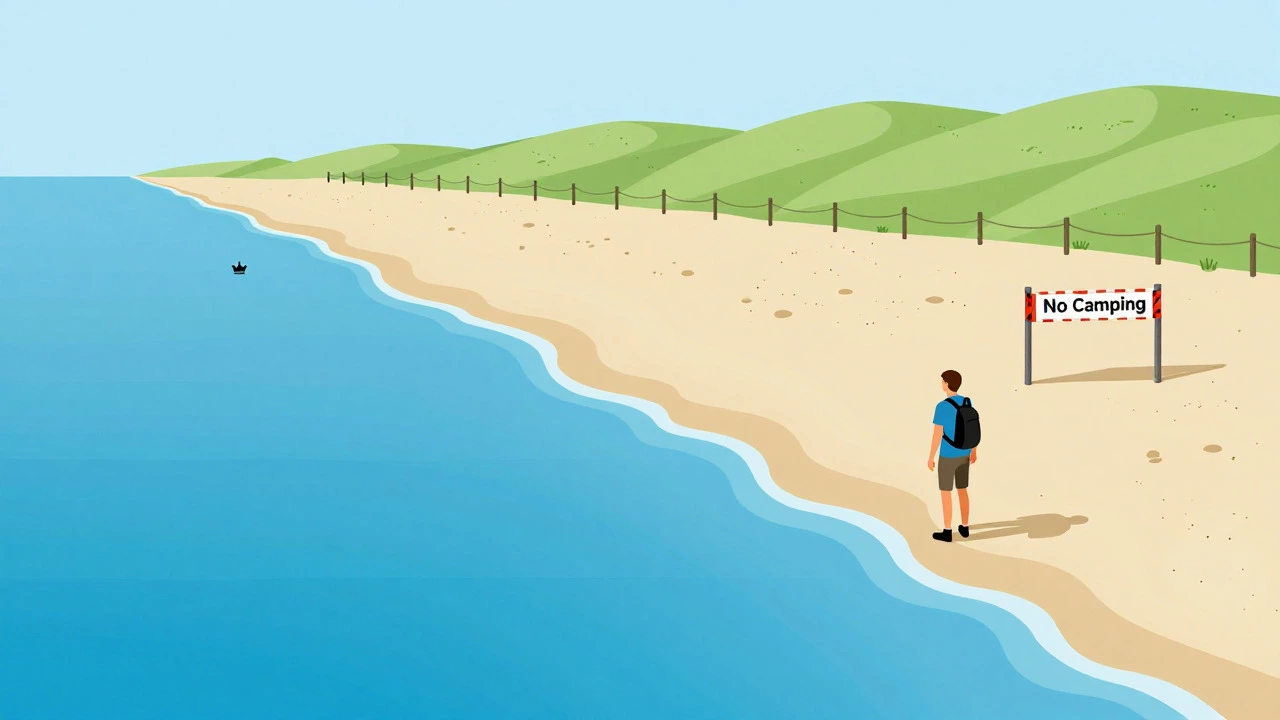
Move south of the border, and the rules tighten significantly. In England and Wales, there is no general right to roam on coastal land. Almost all beaches are either privately owned or managed by local councils that enforce strict bylaws.
Many popular beaches in England, such as those in Cornwall, Devon, and Dorset, have seasonal bans on wild camping. These bans are often enforced through Byelaws that prohibit sleeping in tents or vehicles on open land between certain dates (typically April to September). Violating these bylaws can result in fixed penalty notices ranging from £50 to £100.
Why are the rules so strict? Two main reasons: environmental protection and community impact. Coastal ecosystems are fragile. Trampling dunes destroys vegetation that holds the sand together, leading to erosion. Additionally, locals often complain about noise, litter, and anti-social behavior associated with unauthorized camping groups.
If you want to camp on a beach in England or Wales, your best bet is to book a spot at a designated beachside campsite. Organizations like the Caravan and Motorhome Club or local independent sites offer legal, safe, and well-equipped options right on the sand.
Northern Ireland: Limited Access
Northern Ireland follows a similar model to England and Wales. There is no statutory right to roam, and most coastal land is privately owned or managed by the Department of Agriculture, Environment and Rural Affairs (DAERA). Wild camping on beaches is generally discouraged and can be considered trespassing.
Some areas may tolerate small, quiet groups for a single night if they stay out of sight and leave no trace, but this is at the discretion of local wardens and landowners. Relying on this tolerance is risky. For a guaranteed legal stay, stick to registered campsites or ask for explicit permission from landowners.
Environmental Concerns: Why Rules Exist
It’s easy to view camping restrictions as bureaucratic red tape, but they serve a vital purpose. Coastal environments are among the most sensitive habitats in the UK. Here’s why unrestricted camping is problematic:
- Dune Erosion: Walking over dunes kills the marram grass that stabilizes the sand. Once the grass dies, the wind blows the sand away, threatening homes and infrastructure inland.
- Wildlife Disturbance: Many beaches are nesting grounds for birds like terns and puffins, or breeding sites for reptiles. Human presence, especially at night with lights and noise, can cause animals to abandon their nests.
- Pollution: Litter left behind washes into the ocean, harming marine life. Chemicals from soaps and detergents used by campers can contaminate local water sources.
By respecting these rules, you help preserve these landscapes for future generations. Responsible camping isn’t just about legality; it’s about stewardship.
Legal Alternatives to Wild Beach Camping
If the idea of wild camping feels too risky or restricted, don’t worry. The UK offers incredible alternatives that let you experience the coast legally and comfortably.
| Option | Cost | Facilities | Best For |
|---|---|---|---|
| Wild Camping (Scotland) | Free | None | Budget travelers, experienced campers |
| Designated Beach Campsites | £15-£30 per night | Toilets, showers, electricity | Families, comfort seekers |
| Motorhome Stopovers | £10-£20 per night | Waste disposal, water refill | Van lifers, long-term travelers |
| Glamping Pods | £80-£200+ per night | Fully furnished, heating, Wi-Fi | Luxury seekers, couples |
Designated beach campsites are plentiful along the UK coast. They offer peace of mind, knowing you’re not breaking any laws. Many provide essential amenities like toilets, showers, and even food outlets. If you’re traveling in a motorhome, look for official stopover points authorized by local councils. These spots allow you to park overnight without needing a full campsite booking.
Tips for Responsible Coastal Camping
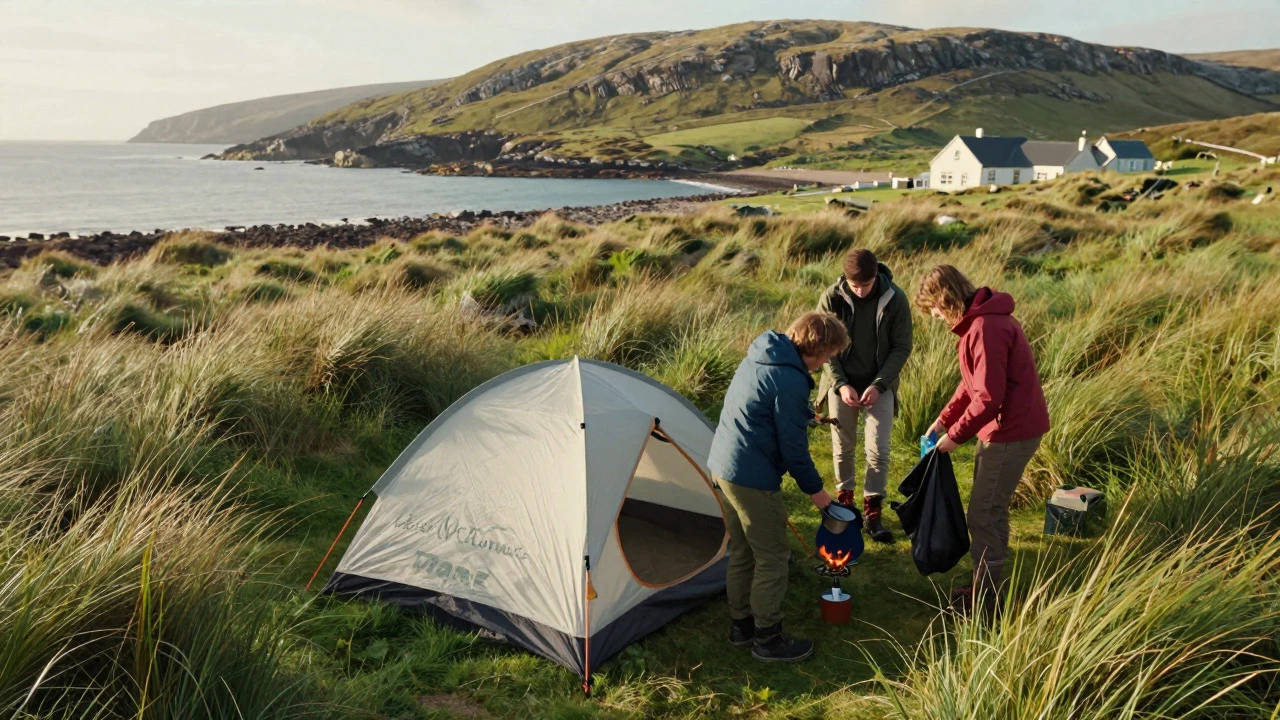
Whether you’re wild camping in Scotland or staying at a paid site, following these tips will ensure you have a great time and keep the coast beautiful:
- Check Local Regulations: Before you go, visit the local council website or contact the landowner. Look for signs posted on the beach indicating restrictions.
- Arrive Late, Leave Early: If you’re wild camping, arrive after dusk and leave before dawn. This minimizes your visibility and impact on others.
- Use a Gas Stove: Avoid open fires. They’re dangerous, hard to control, and leave scars on the sand. A compact gas stove is safer and cleaner.
- Take Everything Back: Pack out all your trash, including biodegradable items like apple cores. Nothing should be left behind.
- Respect Wildlife: Keep dogs on leads near nesting birds. Observe animals from a distance.
What Happens If You Get Caught?
If you’re camping illegally and approached by authorities, stay calm and polite. In most cases, they’ll simply ask you to move. Refusing to leave can escalate the situation. Under the Police Reform Act 2002, police can direct groups of two or more people to leave land if they believe they’re causing nuisance, annoyance, or alarm. Failure to comply can lead to arrest and prosecution.
In addition to potential fines, you might face social backlash. Locals and other visitors appreciate respectful behavior. Being rude or defensive only makes things worse. Apologize, pack up, and find a legal spot nearby.
Conclusion: Plan Ahead for Peace of Mind
So, is it illegal to camp on the beach in the UK? Mostly, yes-unless you’re in Scotland and following the strict guidelines of the Outdoor Access Code. For the rest of the country, stick to designated campsites or seek explicit permission from landowners. The rewards of coastal camping are immense, but they come with responsibilities. By planning ahead and respecting local laws, you can enjoy the beauty of the UK’s coastline without the stress of legal trouble.
Can I wild camp on any beach in Scotland?
You can wild camp on most beaches in Scotland under the Land Reform (Scotland) Act 2003, provided you follow the Scottish Outdoor Access Code. This means arriving on foot, keeping groups small, staying discreet, and leaving no trace. However, some beaches may have local bylaws restricting camping during peak seasons.
Is it illegal to sleep in my car on a UK beach?
Yes, in most cases. Sleeping in a vehicle on a beach in England, Wales, or Northern Ireland is likely to be considered trespassing or a violation of local bylaws. In Scotland, while wild camping is allowed, driving a car onto a beach to camp is generally prohibited unless it’s a designated site.
Are there free campsites on UK beaches?
True "free" campsites on beaches are rare outside of Scotland’s wild camping areas. Most beachside campsites charge a fee to maintain facilities and manage environmental impact. Some local councils offer low-cost stopover points for motorhomes, but these still require payment.
What is the penalty for illegal beach camping?
Penalties vary by location. In England and Wales, you may receive a fixed penalty notice ranging from £50 to £100 for violating local bylaws. If you refuse to leave when directed by police, you could face arrest and prosecution under the Police Reform Act 2002.
Do I need permission to camp on National Trust beaches?
The National Trust owns much of the UK’s coastline. While they encourage outdoor recreation, wild camping is generally not permitted on their beaches without prior permission. They often have designated campsites or partner with local providers for legal overnight stays.