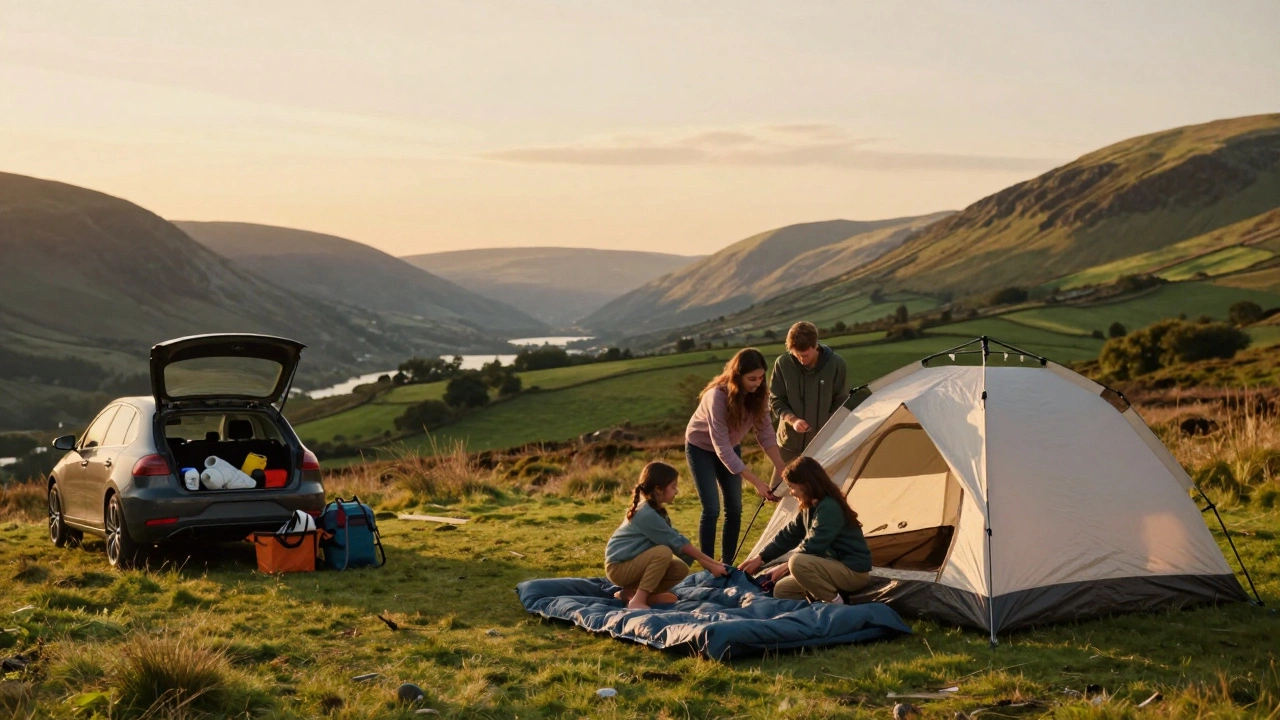
Camping vs. Hotel Cost Calculator
Enter your trip details to see the comparison.
- Book early for up to 20% off
- Try wild camping in Scotland
- Join Caravan Club for discounts
- Go shoulder season for 30-50% off
For many families in the UK, the big question before a summer trip isn’t just where to go - it’s whether to sleep under the stars or in a hotel room. With inflation still biting and holidays feeling more expensive every year, the cost difference between camping and hotels can make or break a trip. So, is camping really cheaper than hotels? The answer isn’t simple, but the numbers tell a clear story.
What you actually pay for a night of camping
In the UK, a standard pitch at a mid-range campsite costs between £15 and £30 a night for a tent. That’s for two adults and a small family tent. Sites with basic facilities - toilets, showers, and a small shop - usually fall in the £20-£25 range. Popular spots in Cornwall, the Lake District, or the Scottish Highlands might charge closer to £30, especially in July and August.
But here’s the catch: that price doesn’t include your gear. If you already own a tent, sleeping bags, a stove, and a cooler, then you’re ahead. But if you need to buy or rent equipment, that adds up fast. A decent two-person tent costs £100-£200. Sleeping bags? £40-£80 each. A portable stove and fuel? Another £50-£100. If you’re new to camping, you could spend £300-£500 upfront just to get started.
Still, once you’ve got the gear, each night after that is almost pure savings. A family of four camping for a week at £25 a night spends £175 total on accommodation. Add £50 for fuel and £100 for food, and you’re at £325 for the whole trip.
What a hotel night actually costs
Now compare that to a hotel. A basic double room in a budget chain like Travelodge or Ibis costs £60-£90 a night in most UK towns. In tourist areas - think Bournemouth, York, or Snowdonia - prices jump to £120-£180. For a family of four, you’d need either two rooms or a family room. Family rooms at chain hotels start at £110 a night. At independent B&Bs or guesthouses, expect £140-£200.
For a week-long stay, that’s £770 to £1,400 just for lodging. Add breakfast (usually £10-£15 per person), parking (£5-£15 a night), and maybe a minibar or late checkout fee, and you’re easily over £1,000. Even the cheapest hotel option is nearly triple the cost of camping for the same duration.
Hidden costs that make camping look better
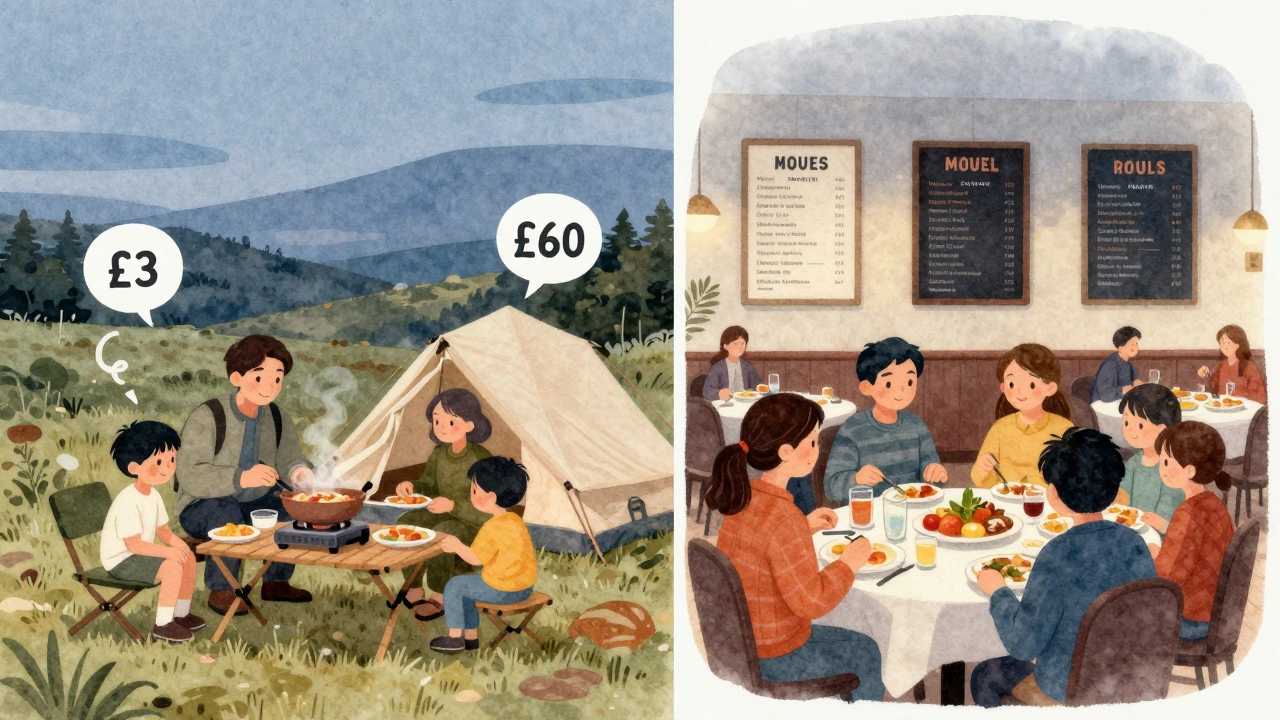
Camping isn’t free, and it’s not always easy. But the hidden savings add up. You cook your own meals. That means no restaurant bills. A £10 pasta dinner at a pub becomes £3 in groceries. A £6 ice cream becomes £1.50 from a local shop. A family of four can save £50-£80 a day just by cooking their own food.
And there’s no parking fee. No resort charges. No extra cost for kids. Most campsites let you bring as many children as you want - often for free. Hotels charge extra for every child over five. Some even charge for cribs or extra beds.
Even the cost of getting there can be lower. Camping sites are often on the edge of towns or near natural areas, meaning you can avoid city centre parking fees and congestion charges. Many sites are within walking distance of shops and trails. Hotels? You’re often stuck paying for parking or Uber rides just to get dinner.
When hotels win - and why
There are times when a hotel is the smarter choice. Rainy weekends in the Peak District? Sleeping in a damp tent isn’t fun. If you’ve got a toddler who won’t sleep without a white noise machine or a baby who needs a crib, hotels win. So do families with mobility issues - carrying gear, climbing into a tent, and walking to shared showers isn’t easy for everyone.
Also, if you’re only staying one or two nights, camping doesn’t save you much. The upfront cost of gear isn’t worth it for a short trip. And if you’re flying into the UK and renting a car, you might end up paying more to transport bulky camping equipment than you’d save on accommodation.
For solo travelers or couples on a tight schedule, hotels offer convenience. No setup. No packing. No worrying about weather. Just walk in, drop your bag, and go. That time savings has value - especially if you’re on a short break.
Real numbers: A side-by-side comparison
| Item | Camping | Hotel |
|---|---|---|
| Accommodation (7 nights) | £175 (£25/night) | £1,050 (£150/night) |
| Food (cooking your own) | £100 | £420 (£60/day eating out) |
| Travel and fuel | £80 | £80 |
| Equipment (one-time cost) | £350 (amortized over 5 trips) | £0 |
| Parking and extras | £20 | £105 (£15/night parking + fees) |
| Total for 7 nights | £725 | £1,655 |
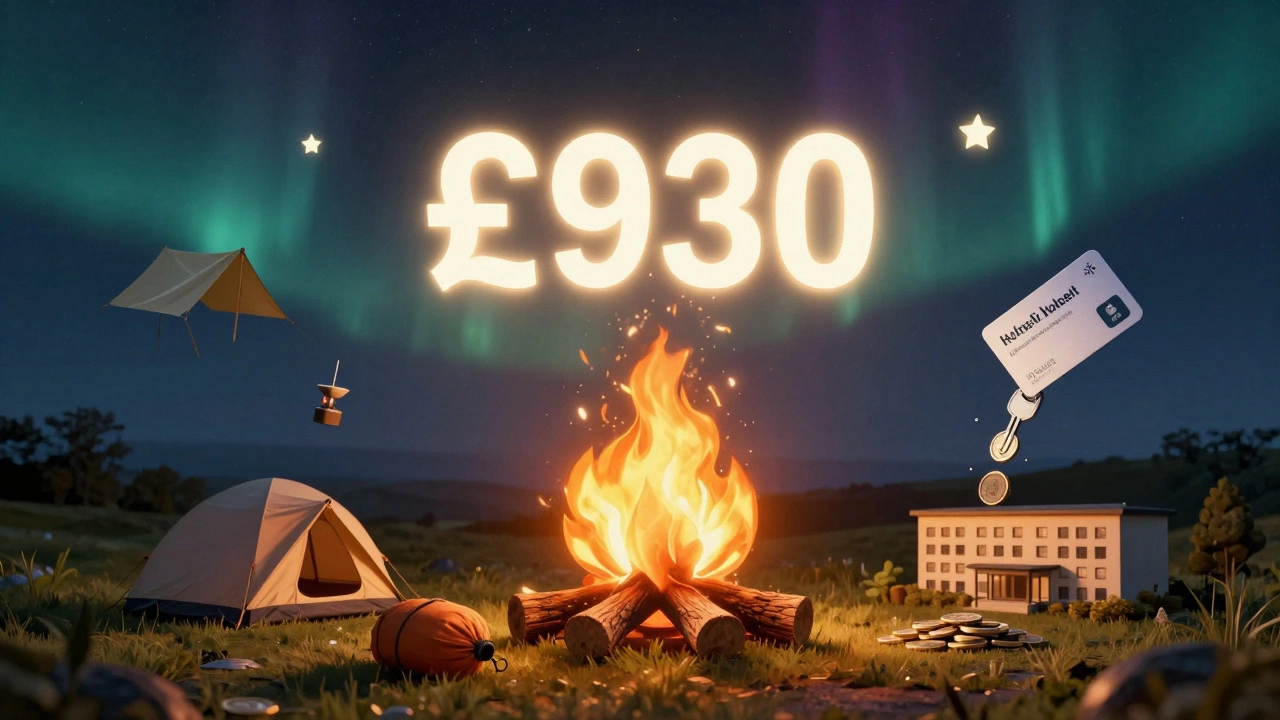
That’s a difference of £930 - almost 60% cheaper. And that’s with amortizing the tent over five trips. If you’ve already got gear, the savings jump to over £1,100.
How to make camping even cheaper
If you want to slash your camping costs even further, here’s how:
- Use free wild camping in Scotland (legal under the Scottish Outdoor Access Code) or in parts of Wales and Northern Ireland where enforcement is light. Always follow Leave No Trace rules.
- Book early. Sites like Pitchup.com and Campsite.co.uk offer discounts for early bookings - sometimes up to 20% off.
- Join Campsite Club or Caravan Club. Membership costs £30-£40 a year and gives you access to discounted sites and free nights.
- Go shoulder season. May and September are quieter. Sites drop prices by 30-50%. Weather is still decent, and you’ll have the showers to yourself.
- Share a pitch with another family. Splitting the site cost halves your accommodation expense.
What you’re really paying for
When you choose a hotel, you’re paying for comfort, convenience, and predictability. You’re paying to avoid the hassle of setting up, packing up, and dealing with weather. You’re paying for a warm bed, hot water, and a TV.
When you choose camping, you’re paying for freedom. You’re paying for quiet mornings with birdsong, for cooking dinner under a tree, for the smell of woodsmoke, for the feeling of being outside - not just visiting it.
One isn’t better than the other. But if your goal is to stretch your holiday budget as far as possible, camping wins - by a wide margin. For families, couples, or solo travelers who don’t mind a little extra work, it’s the smartest way to travel in the UK.
When to skip camping - and what to do instead
Don’t force yourself into camping if it’s not your thing. If you’re not into sleeping on the ground, if you’re traveling with a baby or elderly relative, or if you’re just too tired to deal with gear, then book the hotel. There’s no shame in it.
But don’t assume camping is too hard or too expensive. Try a short trip first. Rent a tent from a local outdoor shop for £20 a weekend. Borrow sleeping bags. Go for two nights. See how it feels. Most people who try it once end up coming back.
The UK has over 10,000 campsites. You don’t need to rough it. Many sites now offer glamping pods, static caravans, or even yurts with real beds and heating. You can still save money - and keep the outdoorsy vibe - without sleeping on a foam mat.
Is camping really cheaper than hotels in the UK?
Yes, for stays longer than three nights, camping is almost always cheaper - especially for families. A week at a campsite costs around £175 for accommodation, while a hotel for the same period can cost over £1,000. When you add in food and parking, the gap widens even more.
What’s the cheapest way to camp in the UK?
The cheapest option is wild camping in Scotland, where it’s legal with responsible use. In England and Wales, look for low-cost sites on Pitchup.com or join the Caravan Club for discounted rates. Booking in May or September can cut prices by half. Sharing a pitch with another family also cuts your cost in half.
Do I need to buy expensive gear to camp cheaply?
No. You can rent a tent, sleeping bag, and stove from local outdoor shops for under £30 for a weekend. Borrow gear from friends. Start with what you already have - a sleeping bag, a tarp, and a camping stove from your garage. You don’t need a £500 tent to save money.
Are campsites clean and safe?
Most UK campsites are clean, well-maintained, and secure. Sites with the AA or CTS (Camping and Caravanning Club) quality mark have regular inspections. Showers and toilets are usually spotless. Theft is rare - most sites are gated and monitored. Just lock your valuables in your car and don’t leave food out overnight.
Can I camp with kids and still save money?
Absolutely. Most campsites charge the same price whether you have one child or four. Hotels charge per extra person. Cooking your own meals saves hundreds over a week. Kids love camping - it’s cheaper, more fun, and gives them space to run around. Bring a cheap inflatable mattress for them - it’s still cheaper than a hotel family room.
What if it rains? Is camping still worth it?
Rain happens. But most campsites have covered areas, indoor play zones, or nearby pubs. Many families bring a tarp, waterproof gear, and a portable heater. A rainy weekend in a tent is still cheaper than a hotel. And if you hate it, you can always switch to a hotel for the next trip. The point isn’t to suffer - it’s to save.
Final thought: It’s not about sacrifice - it’s about choice
You don’t have to give up comfort to save money. You just have to choose what matters more. For many, the freedom of waking up to a forest, the smell of coffee brewing on a stove, and the quiet of a star-filled sky is worth the extra effort. And it’s a lot cheaper than booking a hotel every time.
If you’ve never tried it, give it one weekend. You might find you don’t just save money - you find a better way to travel.