Florida Beach Camping Legality Quiz
Planning a trip to the Sunshine State? Before you pitch your tent, make sure you know the rules. Answer these questions to see if you're ready for legal beach camping in Florida.
Can you legally set up a tent on any random stretch of empty Florida beach sand?
You want to build a fire on the beach. What is the general rule?
What are the typical rules regarding alcohol and noise at Florida beach campsites?
Which of the following is a known location for legal beach camping in Florida?
Why should you avoid setting up your tent right at the water's edge or high tide line?
Your Score: 0 / 5
Answer the questions above to check your knowledge.
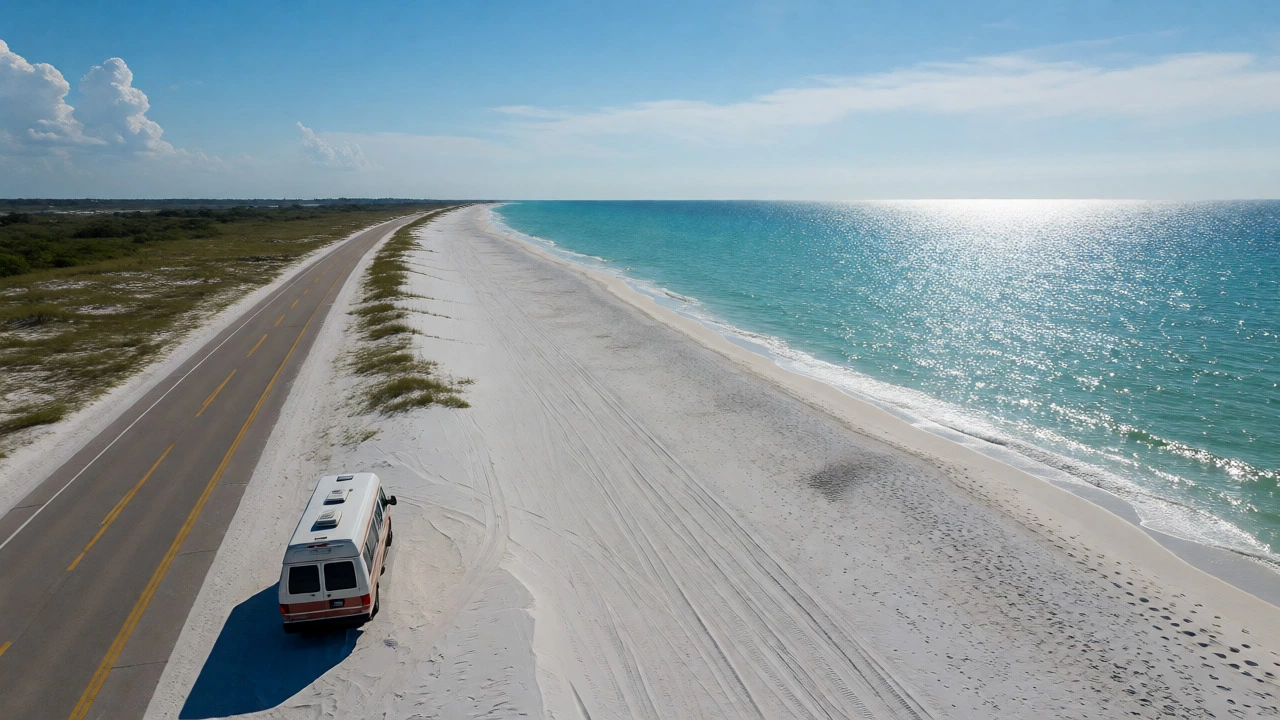
You’re driving down A1A, the ocean glittering on your right, and you spot a perfect, empty stretch of sand. Your instinct screams "pitch the tent," but a nagging thought whispers, "Is this even legal?" In Florida, the answer isn't a simple yes or no-it’s a complicated maze of state laws, county ordinances, and specific park rules that can get your gear confiscated if you get it wrong.
The Short Answer: Designated Zones Only
Here is the hard truth: you cannot just walk onto any random patch of Florida sand and sleep there. If you do, you are technically trespassing on state-owned submerged lands or violating local municipal codes. The vast majority of "legal" beach camping happens inside State Parks or specific County Parks that have built infrastructure for it. Think of it less like "wild camping" and more like "backcountry camping with an ocean view."
Why the strictness? Florida’s coastline is fragile. Sea turtles nest here. Shorebirds breed here. And let’s be honest, tourists leave trash everywhere. To protect these ecosystems and maintain public access, the state restricts where you can set up camp. If you see a sign saying "No Overnight Parking," believe it. That’s not a suggestion; it’s a ticket waiting to happen.
Where You Can Legally Pitch a Tent
If you want to sleep to the sound of waves without worrying about rangers knocking on your zipper at 6 AM, you need to target specific locations. Florida has a robust network of parks that allow beach camping, though availability varies wildly by season.
- Grayton Beach State Park: Located in the Panhandle near Destin, this is arguably the most famous spot for beach camping. It offers primitive sites directly behind the dunes. You don’t pitch on the wet sand, but you are close enough to feel the spray. Note: Reservations here fill up months in advance.
- Bud Taylor Wildlife Management Area: Also in the Panhandle, this area allows dispersed camping in certain zones, including some coastal areas, but you must check current FWC (Fish and Wildlife Conservation Commission) maps before going.
- Salt Springs Riverwalk: While not strictly "beach" camping, this area allows camping near the water in designated spots, offering a similar vibe with fewer crowds.
- Fort Clinco State Recreation Area: On Miami Beach, this is one of the few places in South Florida where you can camp very close to the Atlantic Ocean. It’s urban, noisy, and expensive, but it’s legal.
The "Wild" Camping Myth in Florida
Many people confuse "dispersed camping" with "beach camping." Dispersed camping means you can camp outside of developed campgrounds, usually on National Forest land. But Florida doesn’t have many National Forests along the coast. Instead, we have National Seashores, like the Gulf Islands National Seashore.
At Gulf Islands National Seashore, camping is allowed, but only in designated campgrounds. You cannot hike three miles down the beach from the campground and set up a bivouac sack. Rangers patrol these areas regularly. The penalty for illegal camping here isn’t just a fine; they may remove your equipment. This distinction matters because national seashore rules differ from state park rules. Always check the specific agency managing the land.
| Camping Type | Legality | Typical Cost | Amenities | Risk Factor |
|---|---|---|---|---|
| State Park Campground | Fully Legal | $20 - $50 / night | Toilets, Showers, Water | Low |
| County Park Site | Fully Legal | $10 - $30 / night | Basic Facilities | Low |
| National Seashore Campground | Fully Legal | $15 - $40 / night | Pit Toilets, Picnic Tables | Low |
| Undeveloped Beach Sand | Generally Illegal | Free | None | High (Fines/Towing) |
| Private Land (with permission) | Legal | Varies | Varies | Medium (Liability) |
Understanding the "Tide Line" Rule
Even in designated areas, you might wonder, "Can I put my tent right at the water's edge?" Generally, no. Most parks prohibit setting up tents above the high tide line or within the dry sand zone that belongs to the state. Why? Because tides change, and so does ownership. More importantly, the dry sand is often part of the habitat for ghost crabs and piping plovers.
In places like St. Augustine or Jacksonville, city ordinances explicitly ban sleeping on the beach between sunset and sunrise. This applies even if you aren’t technically "camping"-just sleeping in a hammock strung between two palms can get you moved along. The logic is simple: keep the beach clear for daytime users and prevent long-term squatters from claiming prime real estate.
Fire Regulations: The Biggest Pitfall
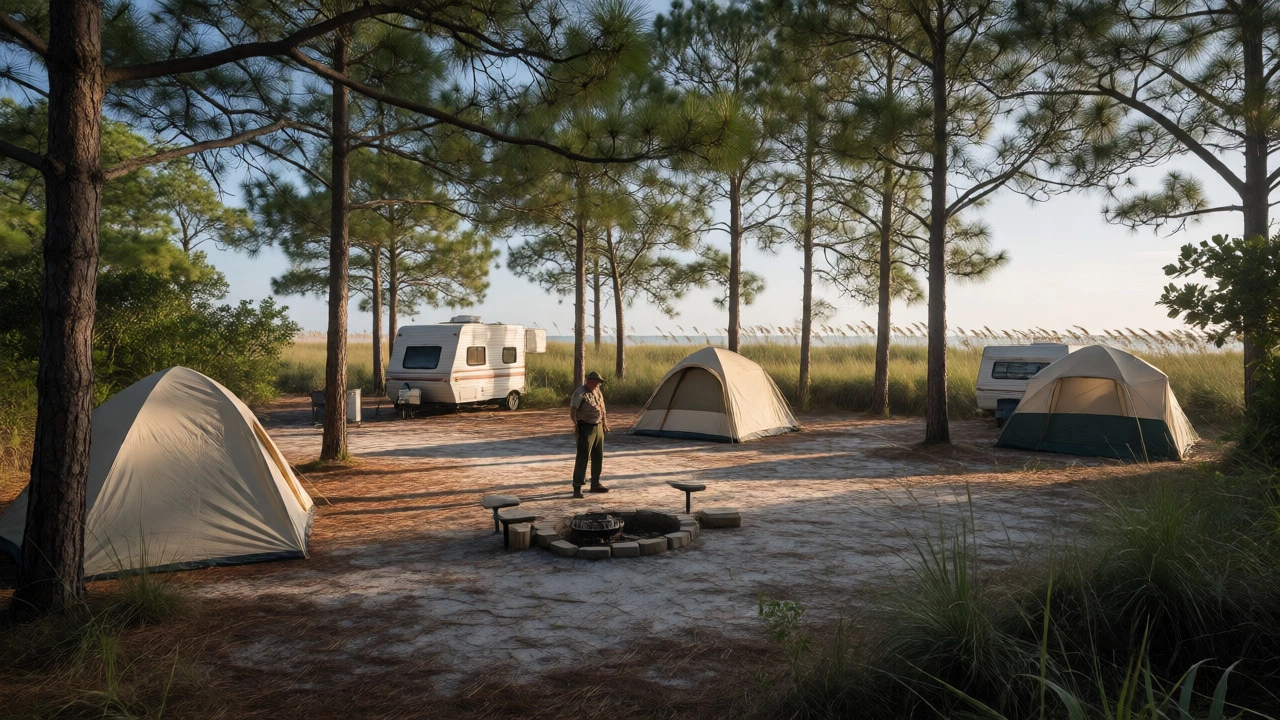
You’ve found a legal spot. You’ve pitched your tent. Now you want a fire. This is where many campers get burned-literally and financially. Florida bans open fires on beaches unless you are in a designated fire ring. And even then, restrictions apply.
During drought conditions, which are common in Florida winters, all open fires may be banned statewide. You’ll need to use a propane stove instead. Never bring charcoal grills to a beach unless the park specifically provides a grill station. Ashes blow everywhere, ruin the sand quality, and pose a burn risk to barefoot kids. Check the local county fire marshal’s website before you pack your wood.
Alcohol and Noise: The Social Contract
Florida beaches are family-friendly zones. Drinking alcohol on the beach is illegal in most municipalities, including Miami-Dade, Broward, and Palm Beach counties. You can drink at a restaurant next door, but once you step onto the sand, that beer needs to disappear. Violating this can lead to fines under "public intoxication" or "open container" laws.
Noise is another major factor. Many beach campsites have quiet hours starting at 10 PM. Blasting music from a Bluetooth speaker while trying to enjoy nature defeats the purpose. Plus, neighbors will complain, and rangers take noise complaints seriously. If you’re car camping in a crowded lot, respect the thin walls of other people’s tents.
How to Find Current Rules
Laws change. A county might ban camping in one year and allow it in the next after a new ordinance passes. Don’t rely on blogs from 2020. Use these primary sources:
- Florida State Parks Website: Look for the "Reserve a Campsite" tool. If it lets you book a site near the beach, it’s legal.
- County Government Websites: Search for "[County Name] Beach Ordinance." For example, search "Volusia County Beach Ordinance" to find rules for Daytona Beach.
- Ranger Stations: When in doubt, stop at the first ranger station or visitor center you see. Ask them directly. They appreciate people who ask before breaking rules.
What Happens If You Get Caught?
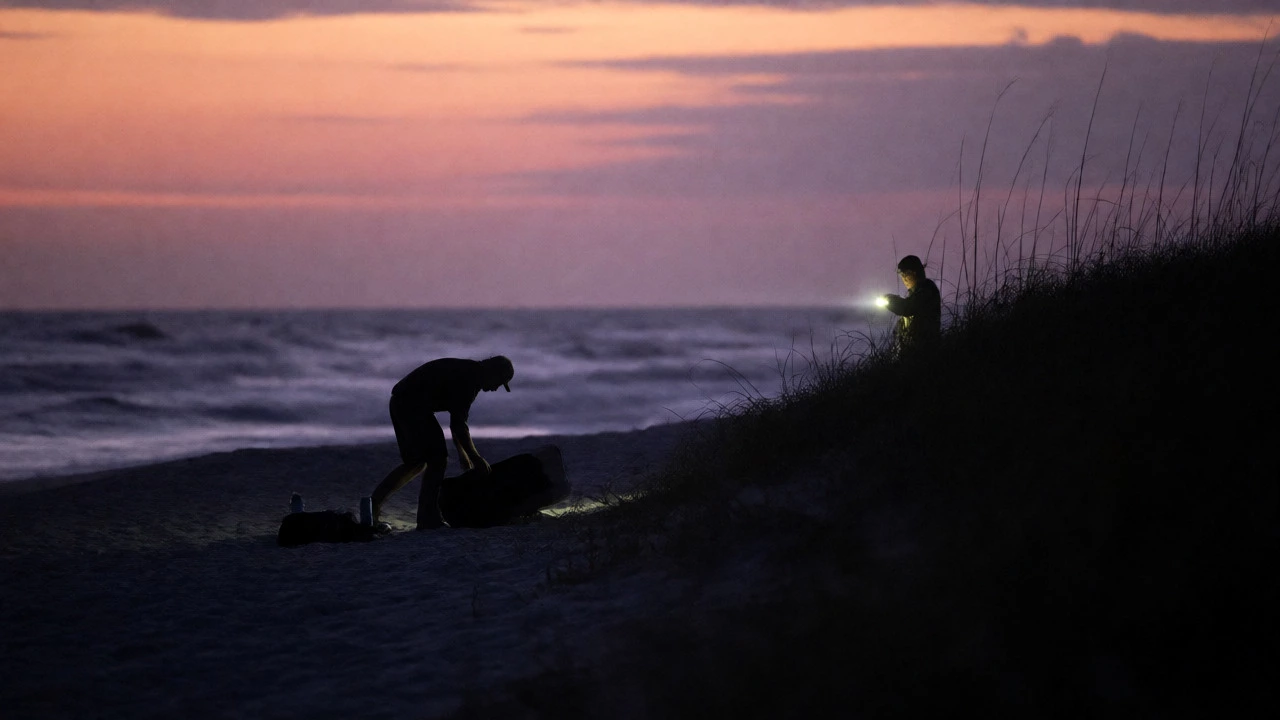
If you’re caught illegally camping on a closed beach, the consequences vary. In some cases, it’s a verbal warning. In others, it’s a misdemeanor citation carrying a fine of $50 to $500. Repeat offenders might face higher penalties. The bigger hassle, however, is having to pack up in the dark, drive to a hotel, and lose your spot. Is saving $30 worth the stress? Probably not.
Pro Tips for Legal Beach Camping
- Book Early: Popular spots like Grayton Beach sell out 6-12 months ahead for winter season.
- Bring Sand Pegs: Standard tent stakes pull out of loose sand instantly. Buy wide, spiral sand anchors.
- Check Tide Charts: Even in designated areas, king tides can flood low-lying sites. Set up high and dry.
- Leave No Trace: Pack out everything. Florida beaches are cleaned by volunteers and staff, not magic. If you leave trash, you hurt the ecosystem.
Frequently Asked Questions
Can I sleep in my car on the beach in Florida?
Generally, no. Most Florida beaches prohibit overnight parking. You can park during the day, but you must leave before closing time (often sunset). Sleeping in your vehicle is considered camping and is subject to the same restrictions. Exceptions exist in designated RV parks or private lots.
Are there free beach campsites in Florida?
Truly free beach camping is rare. Most legal sites charge a fee ($10-$50 per night) to cover maintenance and trash removal. Some county parks offer lower rates, but completely free, legal beach camping is almost non-existent due to high demand and management costs.
Can I build a fire on the beach in Florida?
Only in designated fire rings provided by the park. Open ground fires are usually prohibited. During drought seasons, all fires may be banned entirely. Always check local fire restrictions before lighting a match.
Do I need a permit to camp on the beach?
Yes, if you are staying in a designated campground, you need a reservation or permit. This serves as your proof of legality. If you are attempting to camp in an undeveloped area, you likely need a special backcountry permit, which is rarely issued for standard beach camping.
What is the best time of year for beach camping in Florida?
Winter (December to February) is popular for escaping northern cold, but prices are highest. Spring (March-May) offers warm weather and fewer bugs. Summer is hot, humid, and prone to hurricanes, but offers lower rates and fewer crowds if you can handle the heat.