Beach Camping Gear Checklist Generator
Configure Your Trip
Who is coming?
Planned Activities:
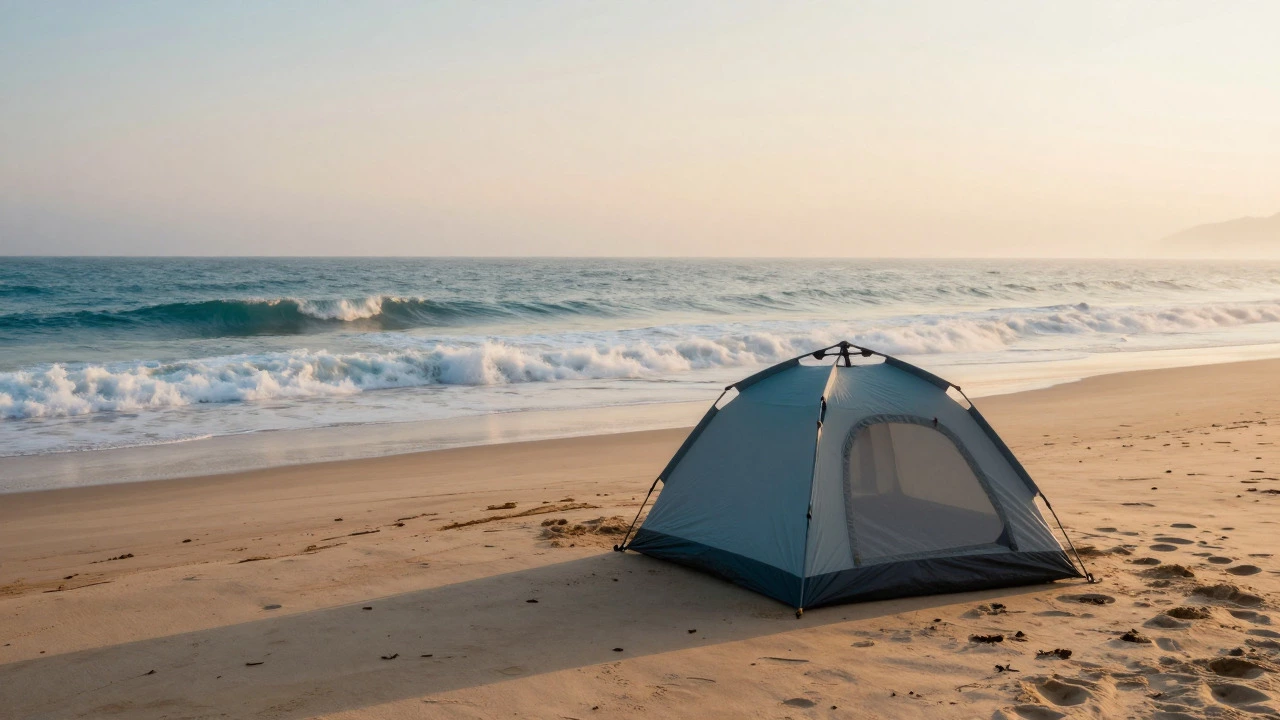
There is a specific kind of magic that happens when you wake up to the sound of waves crashing against the shore instead of birds chirping in a forest. For many, the idea of beach camping sounds like a dream come true. But for others, it raises immediate questions: Is it comfortable? Is it safe? Why would anyone choose sand over grass?
The truth is, people don't just camp at the beach because they love saltwater. They do it because the coastal environment offers a unique blend of relaxation, adventure, and sensory experiences that inland campsites simply cannot match. From the therapeutic rhythm of the tides to the endless horizon, there are compelling reasons why the coast is becoming one of the most sought-after destinations for campers in 2026.
The Sensory Appeal of Coastal Camping
Let’s start with the obvious: the atmosphere. When you pitch your tent on a sandy beach, you are immersed in a sensory experience that is distinct from any other outdoor setting. The air smells different-salty, fresh, and clean. This isn’t just poetic license; the negative ions present in sea air are often cited as mood boosters, helping to reduce stress and anxiety.
Then there is the sound. The rhythmic crashing of waves acts as natural white noise. If you’ve ever struggled to sleep due to traffic or neighborhood noise, the ocean provides a consistent, soothing backdrop that helps many people fall asleep faster. Waking up to this sound, rather than an alarm clock, sets a calm tone for the entire day.
- Visual Calm: The vastness of the ocean and sky can provide a sense of perspective, making daily worries feel smaller.
- Auditory Therapy: Wave patterns are naturally hypnotic, aiding relaxation and sleep quality.
- Olfactory Refreshment: The scent of brine and seaweed is invigorating compared to the stagnant air of urban environments.
Accessibility and Ease of Setup
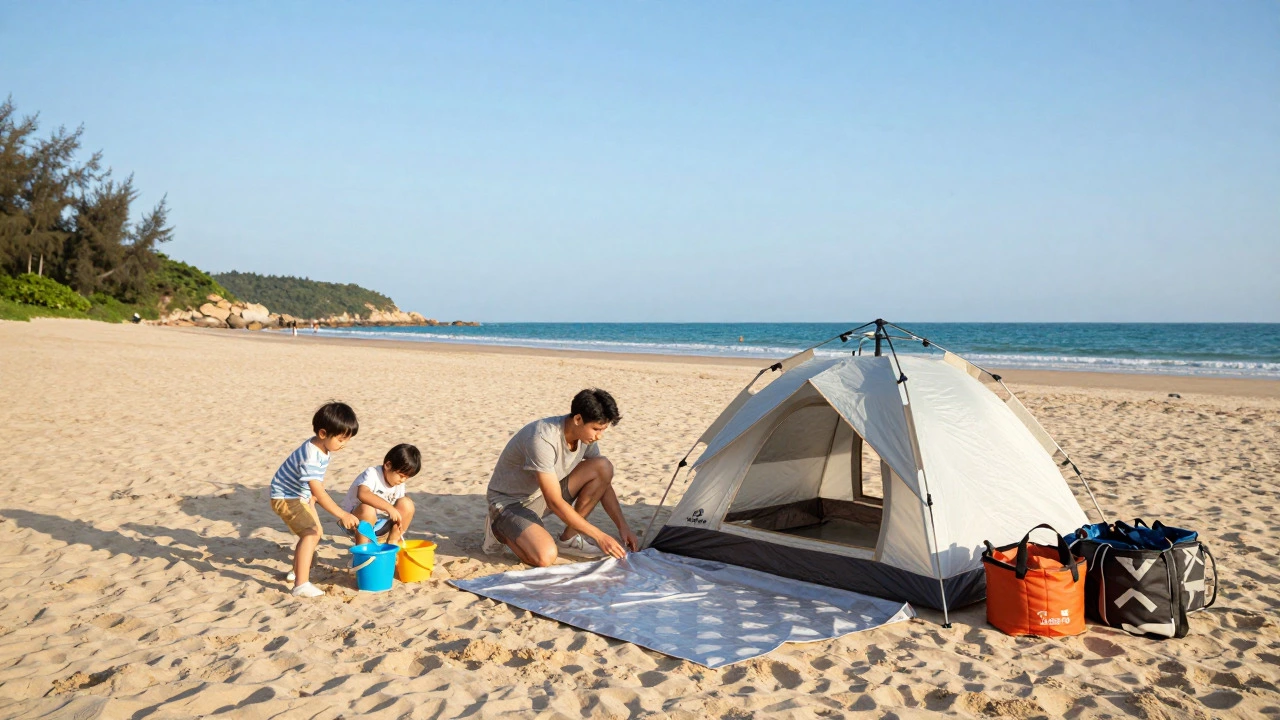
One practical reason people choose beach campsites is the terrain. While forests can be rocky, muddy, or uneven, a sandy beach is generally flat and level. This makes pitching a tent significantly easier, especially for beginners or families with young children. You don’t need to hunt for a flat spot or worry about hidden roots tripping you up.
However, this comes with a caveat. Sand shifts. A tent peg that holds firm in the morning might loosen by evening if the tide changes or the wind picks up. Experienced beach campers use specialized stakes or bury rocks under the guylines to secure their shelters. Despite this minor learning curve, the initial setup is often less physically demanding than clearing brush or navigating dense woodland.
Furthermore, many designated coastal campsites offer direct access to amenities. Showers, toilets, and water points are often located within walking distance of the beach area. In contrast, remote wild camping spots may require hiking miles to find basic facilities. For those who want the outdoors without sacrificing hygiene, beach campsites strike a perfect balance.
Adventure and Water Activities
If you are an active camper, the beach is your playground. Unlike forest campsites where activities are limited to hiking or fishing, the coast opens up a world of water-based adventures. You can go swimming, surfing, kayaking, paddleboarding, or snorkeling right from your doorstep.
This proximity to water activities is a major draw. Imagine finishing a hike, returning to your tent, rinsing off in the ocean, and then grilling dinner on a portable stove while watching the sunset. The variety of things to do keeps boredom at bay. Even if you aren’t a swimmer, beachcombing, building sandcastles, or simply walking along the shoreline provides ample entertainment.
| Activity Type | Beach Camping | Forest Camping |
|---|---|---|
| Swimming | Yes (Ocean/Lake) | Rarely |
| Hiking | Moderate (Coastal paths) | High (Trail networks) |
| Water Sports | Surfing, Kayaking, Paddleboarding | Fishing, Canoeing |
| Night Sky Viewing | Limited (Horizon view only) | Excellent (Open canopy) |
| Wildlife Spotting | Birds, Seals, Marine Life | Deer, Bears, Insects |
The Challenge of Comfort and Preparation
It’s not all sunsets and smooth sailing. Beach camping has its challenges, which is why some people hesitate. The biggest issue is comfort. Sleeping on sand can be lumpy and cold. Sand also gets everywhere-into your food, your clothes, and unfortunately, your sleeping bag. To combat this, successful beach campers bring thick ground tarps, foam pads, or inflatable mattresses. These create a barrier between you and the shifting grains below.
Weather is another factor. Coastal areas are often windier than inland regions. Your tent needs to be sturdy enough to withstand gusts that can roll in unexpectedly. Additionally, the sun reflects off the sand, increasing UV exposure. Sunscreen and hats are non-negotiable items in your packing list.
Then there is the tide. If you’re wild camping on a public beach, you must know the tide tables. Pitching your tent too close to the waterline can result in a wet wakeup call. Designated campsites usually account for this, but independent campers need to research high-tide marks carefully.
Legalities and Environmental Responsibility
In 2026, environmental awareness is higher than ever. Many beaches are protected habitats for nesting birds, seals, or marine ecosystems. This means wild camping on beaches is often restricted or prohibited during certain seasons. It’s crucial to check local regulations before heading out.
In the UK, for example, wild camping is generally tolerated in the Highlands but strictly regulated on popular southern beaches. In the US, national parks have specific zones where beach camping is allowed, often requiring permits. Always follow the "Leave No Trace" principles. Pack out all trash, avoid disturbing wildlife, and stay on established paths to protect dune vegetation.
Choosing a designated beach campsite often mitigates these legal risks. These sites are managed to minimize environmental impact while providing infrastructure like waste disposal and fire pits. They ensure that your enjoyment doesn’t come at the cost of the ecosystem.
Who Should Try Beach Camping?
Beach camping isn’t for everyone, but it appeals to a wide range of travelers. Families love the safety and space of the beach for kids to play. Couples appreciate the romantic sunsets and quiet evenings. Solo travelers enjoy the meditative aspect of listening to the waves.
It’s particularly ideal for those who want a mix of relaxation and activity. If you crave total silence and darkness, a forest might be better. But if you want energy, beauty, and adventure, the beach delivers. Just remember to prepare for the elements-wind, sand, and sun-and you’ll find that the rewards far outweigh the inconveniences.
Is it safe to camp on the beach alone?
Camping alone on the beach can be safe if you take precautions. Choose well-lit, populated areas or designated campsites. Inform someone of your location and expected return time. Be aware of tide schedules to avoid being cut off by rising water. Avoid isolated stretches of beach after dark unless you are experienced and prepared.
What gear do I need specifically for beach camping?
You’ll need extra ground protection like heavy-duty tarps and thick sleeping pads to block moisture and sand. Use long, sturdy tent stakes designed for soft ground. Bring a brush for cleaning sand off your gear. Waterproof bags are essential for keeping electronics and clothes dry. Don’t forget plenty of sunscreen and sunglasses due to sand reflection.
Can I build a fire on the beach?
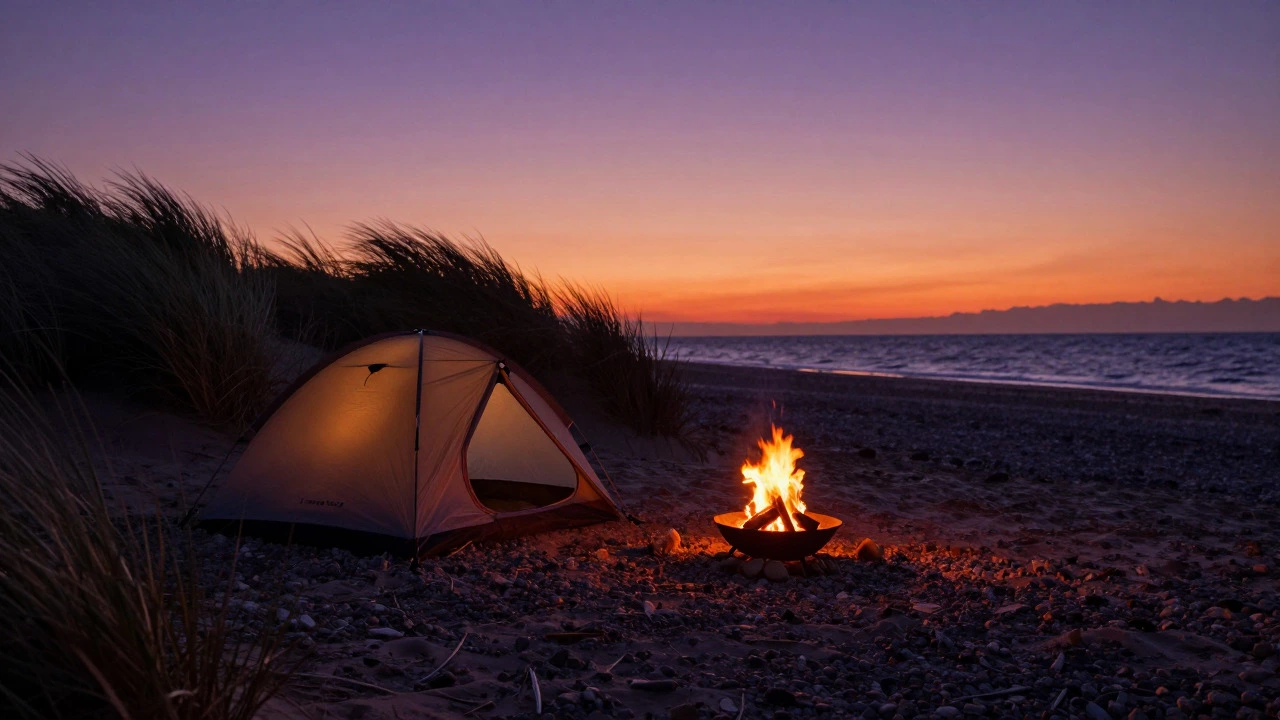
Fire rules vary by location. Many public beaches prohibit open fires to prevent wildfires and protect wildlife. Some designated campsites provide fire pits. Always check local regulations before bringing wood or lighting a fire. If allowed, use driftwood sparingly and never leave a fire unattended. Extinguish it completely with water before leaving.
How do I keep sand out of my tent?
Use a footprint or tarp under your tent to create a barrier. Keep the tent door closed as much as possible. Place a mat outside the entrance for brushing off shoes. Store gear in sealed containers or zip-lock bags. Consider using a vestibule area for dirty shoes and jackets to keep the main sleeping area clean.
Are there bugs on the beach like in the forest?
Generally, yes, but different types. You may encounter fewer mosquitoes than in wooded areas, especially with wind blowing across the water. However, sand fleas (sea lice) can be a nuisance near the waterline at dusk. Wear long pants and sleeves in the evening, and consider insect repellent. Ticks are rare on open sandy beaches but possible in dune grasses.