Wild Camping Legality Checker
Determine if your stealth camping plans comply with UK regulations. Input your location and conditions for immediate legal guidance.
Stealth camping in the UK isn’t illegal everywhere-but it’s not always legal either. And that confusion is why so many people get fined, asked to leave, or worse-end up in trouble with the police. If you’re planning to sleep in your car, van, or tent out in the open without permission, you need to know exactly where you can and can’t do it. This isn’t about breaking rules. It’s about understanding them so you can camp safely, legally, and respectfully.
What Exactly Is Stealth Camping?
Stealth camping means setting up camp without permission, often in places not designated for camping. Think pulling over on a quiet roadside, parking near a forest edge, or tucking your van into a layby after dark. You’re not booking a pitch. You’re not paying a fee. You’re just trying to sleep somewhere quiet, cheap, and off the grid. It’s popular among van lifers, budget travelers, and people who want to wake up to birds instead of traffic. But the law doesn’t care how peaceful your intentions are. What matters is where you are and what you’re doing.Scotland: The Only Place Where Wild Camping Is Legal
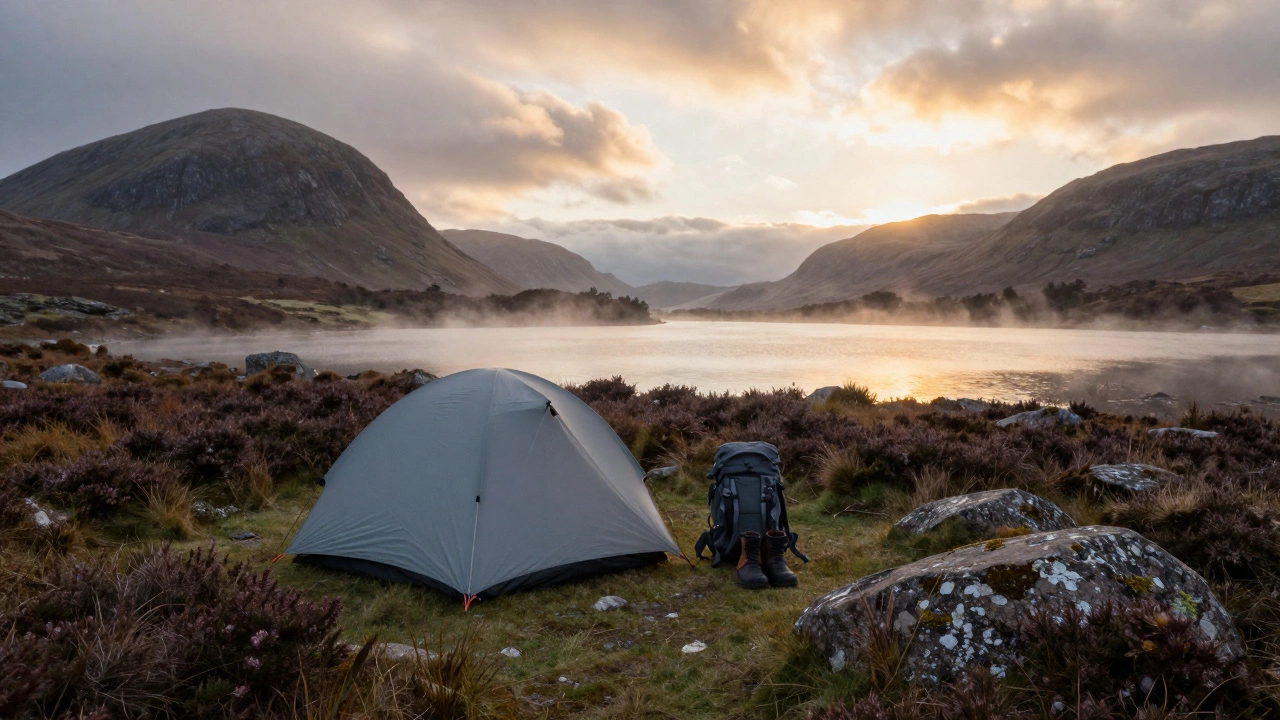
Scotland is the only part of the UK where wild camping is clearly legal under the Land Reform (Scotland) Act 2003. As long as you follow the Scottish Outdoor Access Code, you’re fine. That means:- Camp in small groups (no more than 4-5 people)
- Stay no longer than 2-3 nights in one spot
- Avoid farmland, gardens, and near buildings
- Take all your rubbish with you
- Don’t light fires unless you’re sure it’s safe and allowed
England and Wales: Wild Camping Is Mostly Illegal
In England and Wales, wild camping without permission is trespassing. That’s a civil offense, not a criminal one. But that doesn’t mean you won’t get into trouble. Landowners can ask you to leave. If you refuse, they can call the police. Officers might not arrest you, but they can order you to move on. And if you’re camping in a national park, on protected land, or near a popular tourist spot, you’re more likely to be chased off. There are a few exceptions:- Some parts of the Lake District and Dartmoor allow limited wild camping under specific conditions
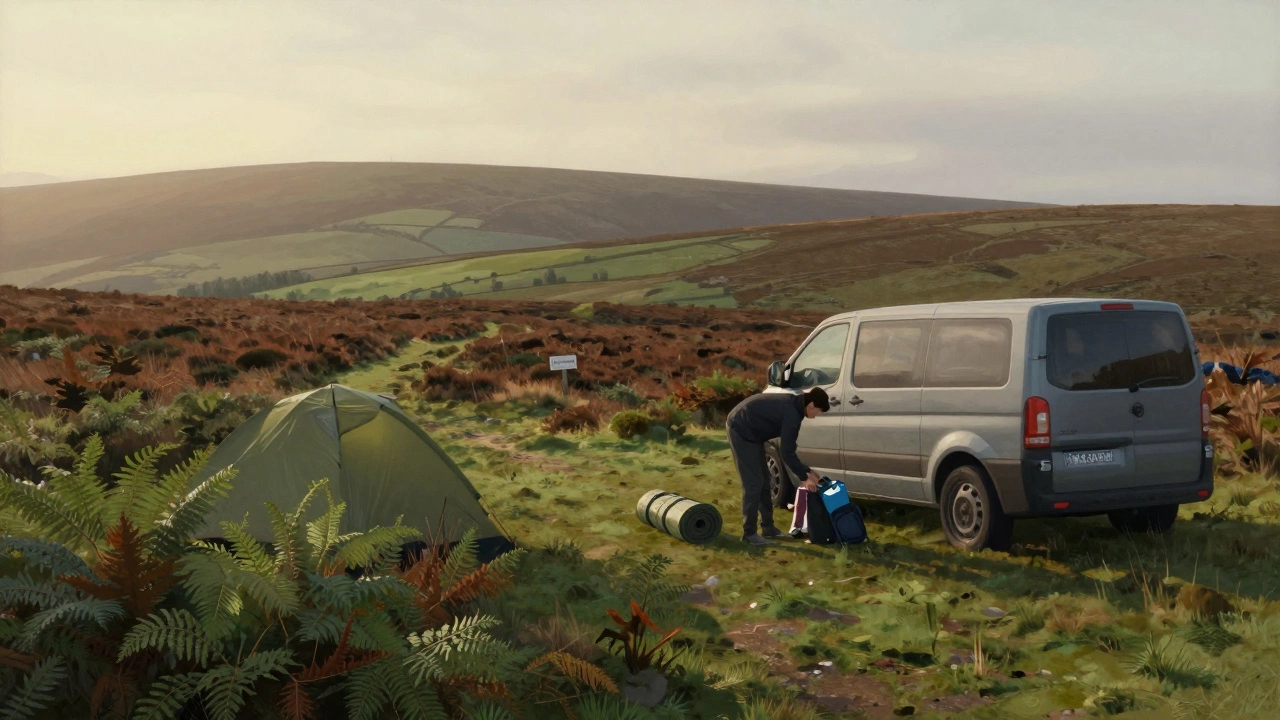
- Dartmoor National Park permits camping on common land if you’re more than 100 meters from a road and not in a designated area
- Some farmers let people camp for free if you ask politely and leave no trace
Can You Sleep in Your Car in the UK?
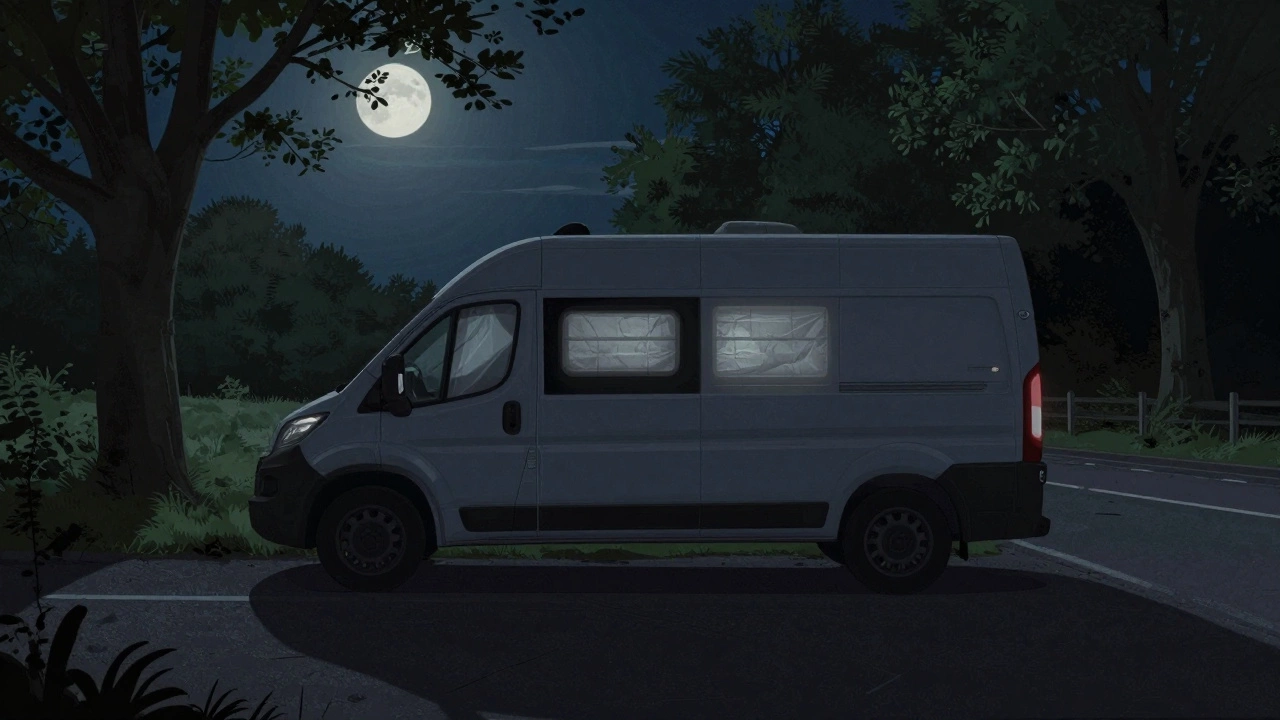
Sleeping in your car is a gray area. Technically, it’s not illegal to sleep in your vehicle on a public road. But local councils can enforce bylaws that ban overnight parking, especially in towns, near schools, or in residential areas. You’ll often see signs that say: No Overnight Parking or No Camping. Ignore them at your risk. In places like Brighton, London suburbs, or coastal towns, police regularly ticket or tow cars found sleeping overnight. If you’re going to sleep in your car:- Pick a quiet, well-lit layby-not a busy street
- Don’t set up chairs, tables, or awnings-it looks like camping
- Keep curtains closed and lights off
- Don’t cook inside or leave food wrappers
- Leave before sunrise
What Happens If You Get Caught?
Most of the time, you’ll just be asked to move on. But if you’re in a protected area, near a nature reserve, or have caused damage, you could face a fine. In rare cases, especially if you’ve been warned before, you might be charged under the Public Order Act or Trespass Act. In 2023, a group of 12 van dwellers in the Peak District were fined £150 each after refusing to leave a popular camping spot. The council cited littering, noise, and blocked access roads. That’s not common-but it’s becoming more frequent as tourism grows.Where to Camp Legally Without Paying
You don’t have to break the law to camp for free. Here are legal alternatives:- Dispersed camping on public land-some Forestry England sites allow free overnight stays if you’re in a vehicle and not pitching a tent
- Farmer’s permission-many rural landowners let travelers camp for free if you ask nicely, pay a small donation, or help with chores
- Service stations-some motorway service areas (like those on the M6 or M1) allow overnight parking for vans, though not tents
- Wild camping in Scotland-still your best legal bet
Why Respect Matters More Than Rules
Even if you think you can get away with it, ask yourself: are you making it harder for others to camp next year? Every time someone leaves trash, lights a fire in a dry field, or parks on a narrow lane blocking traffic, it gives wild camping a bad name. And that means more restrictions. More signs. More police patrols. The best stealth campers are the ones who leave no trace, arrive quietly, and leave before anyone notices they were there. They don’t need permission because they don’t cause problems.What to Pack for Stealth Camping
If you’re going to do it, do it right. Here’s what works:- Insulated window covers (for privacy and warmth)
- Portable power bank or solar panel (no need to run your engine)
- Biodegradable soap and a small bucket (no dumping grey water)
- Reusable containers (no single-use plastic)
- A small tarp (for rain, not for setting up a tent)
- Earplugs and eye mask (you’ll need them if you’re near traffic)
Final Rule: When in Doubt, Don’t
If you’re unsure whether you can camp somewhere, don’t. There are hundreds of cheap, legal campsites across the UK. Many cost under £10 a night. You can find them on Pitchup.com, The Camping and Caravanning Club, or even Facebook groups like UK Wild Camping. Stealth camping isn’t worth risking a fine, a tow, or being banned from a place you love. The freedom you’re chasing doesn’t come from breaking rules-it comes from knowing them well enough to stay out of trouble.Is stealth camping legal in England?
No, stealth camping is not legal in England. It’s considered trespassing unless you have the landowner’s permission. While you won’t always be arrested, you can be asked to leave, fined, or have your vehicle towed, especially in national parks or near residential areas.
Can you sleep in your car in the UK?
Yes, you can legally sleep in your car on public roads in the UK, but local councils can ban overnight parking. Avoid residential streets, near schools, or areas with "No Overnight Parking" signs. Keep it low-key-no awnings, no cooking, no visible gear.
Where is wild camping allowed in the UK?
Wild camping is legally allowed in Scotland under the Land Reform Act 2003, as long as you follow the Scottish Outdoor Access Code. In England and Wales, it’s only permitted in limited areas like Dartmoor National Park and parts of the Lake District, and even then, only under strict conditions.
What’s the penalty for illegal wild camping?
There’s no automatic fine, but you can be issued a fixed penalty notice (usually £100-£150) for trespassing or violating local bylaws. In extreme cases, especially if you’ve been warned before, you could face prosecution under the Public Order Act or be banned from the area.
Is wild camping safe in the UK?
It can be, if you’re prepared. The biggest risks aren’t from police-they’re from weather, wildlife, or getting stuck in remote areas. Always check the forecast, carry a map, tell someone your plans, and avoid areas with known crime or flooding risks. Scotland is generally the safest for wild camping.
If you’re looking for a legal way to experience the UK’s wild places without the risk, try one of the many low-cost campsites that offer basic facilities. You’ll sleep better, avoid stress, and help keep wild camping alive for everyone else.