RV Depreciation & Value Retention Calculator
Select an RV type and enter your purchase price to see projected value.
Travel Trailer
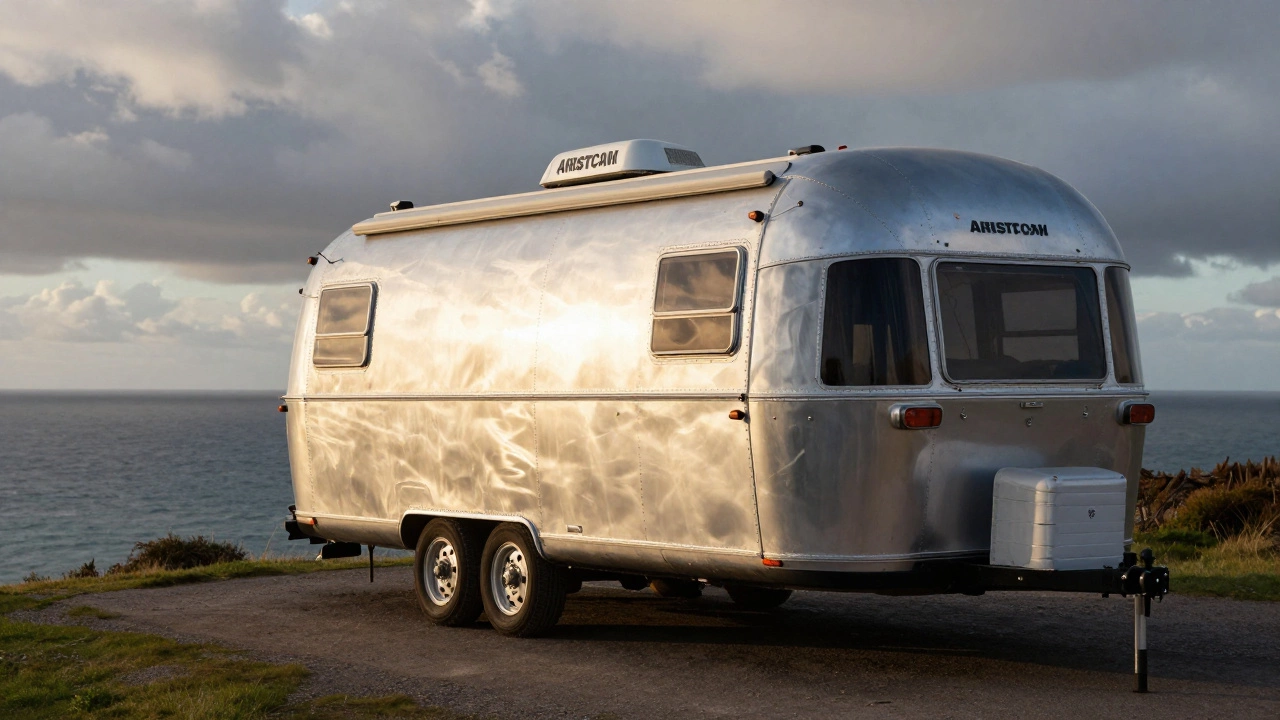
Best ValueAluminum bodies (e.g., Airstream). Low depreciation due to durability.
Class C Motorhome
Sweet SpotCab-over design. Good balance of utility and resale stability.
Fifth Wheel
High RiskLarge luxury towables. High initial drop in value.
Pop-up Camper
Budget FriendlyLightweight canvas trailers. Moderate depreciation.
Projected Resale Value
Select an RV type to see specific market analysis.
| Timeframe | Est. Value | Cumulative Drop |
|---|
Buying a recreational vehicle is expensive. Selling one is often heartbreaking. You hand over thousands of dollars at the dealership, drive off the lot feeling like royalty, and then watch that value plummet the moment you turn the key. It’s the harsh reality of the RV world. But here is the good news: not all rigs depreciate at the same rate. Some types of RVs actually hold their value surprisingly well, while others become financial black holes within three years.
If you are looking to buy your first rig or upgrade your current setup, understanding which vehicles retain equity can save you tens of thousands of pounds or dollars over time. This isn't just about picking a pretty face; it's about brand reputation, mechanical reliability, and market demand. Let’s break down exactly what makes an RV hold its value and which specific types you should look for if you want to protect your wallet.
The Brand Factor: Reputation Is Everything
In the used RV market, the badge on the front matters more than almost anything else. Just like in the car world, certain manufacturers have built a reputation for quality that translates directly into higher resale prices. When you browse classified ads or dealership lots, you will notice a pattern. A five-year-old unit from a top-tier brand will often cost significantly more than a newer unit from a budget manufacturer.
Brands like Airstream, an iconic aluminum travel trailer known for durability and classic design sit at the top of this hierarchy. Their all-aluminum construction resists rot and water damage-the two biggest killers of RV value. Because they last decades, buyers are willing to pay a premium for them. Similarly, brands like Winnebago, Thor, and Forest River dominate the volume market. Within these giants, specific sub-brands carry more weight. For example, a Winnebago Travato tends to hold value better than a generic entry-level model because of its compact size and European chassis engineering.
Conversely, lesser-known brands or those with histories of poor customer service and frequent warranty claims suffer steep depreciation. If a brand has a reputation for delamination issues (where the walls separate from the frame), buyers will run away, forcing sellers to slash prices. Always check online forums and owner groups before buying. If owners are complaining about unresolved defects, that rig will not hold its value.
Class C Motorhomes: The Sweet Spot
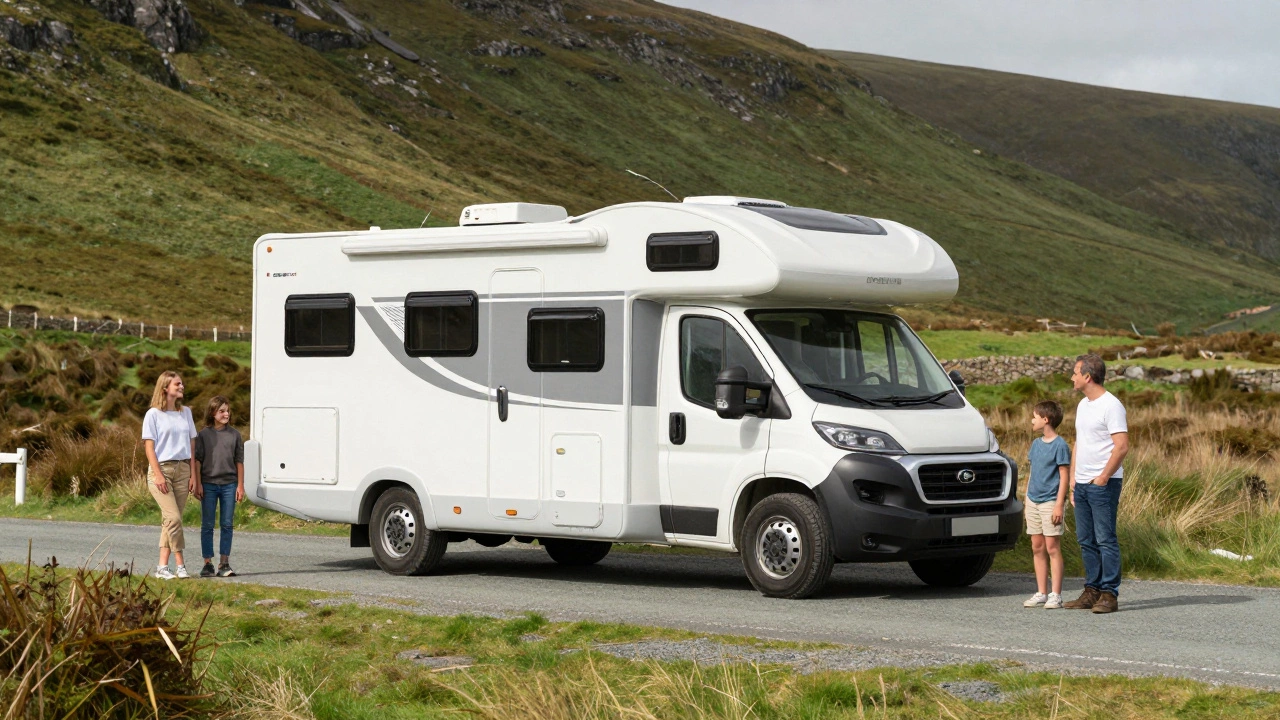
When we talk about motorhomes, Class C units generally offer the best balance of affordability and resale stability. These vehicles, recognizable by the cab-over bunk area, are built on truck or van chassis-usually Ford, Chevrolet, or Mercedes-Benz Sprinter. This is crucial because the underlying mechanics are common and easy to repair.
Why do Class Cs hold value? First, they are popular. They appeal to families who need extra sleeping space but don’t want the complexity of a fifth wheel. Second, they are easier to drive than large Class A coaches, making them attractive to older buyers or those new to RVing. Third, the chassis parts are widely available. A buyer knows that if the engine needs work, any local mechanic can handle it. This reduces the perceived risk of ownership, keeping demand high for used models.
However, not all Class Cs are equal. Those built on the Mercedes-Benz Sprinter chassis typically command higher resale prices due to the vehicle's reputation for reliability and fuel efficiency. Models based on heavy-duty pickup trucks (like the Ford F-53) also hold value well because the chassis itself has utility beyond the RV life-if the living area fails, the truck part still has value.
Travel Trailers vs. Fifth Wheels
Towable RVs present a different set of dynamics. Here, simplicity often wins. Lightweight travel trailers, especially those made by brands like Airstream or Jayco, tend to retain value better than massive, heavy fifth wheels. Why? Because fifth wheels require a specific type of truck-a dually or a heavy-duty single-rear-wheel pickup-to tow safely. This limits the pool of potential buyers significantly.
A standard half-ton pickup truck can tow many mid-sized travel trailers. This means millions of people already own a vehicle capable of pulling the RV. The lower barrier to entry keeps demand steady. Additionally, modern lightweight materials like fiberglass roofs and aluminum frames have reduced the weight of travel trailers without sacrificing luxury, making them even more appealing to secondhand buyers.
Fifth wheels, while offering incredible living space and home-like features, suffer from rapid initial depreciation. They are complex, expensive to maintain, and difficult to store. Unless you are buying a high-end luxury model from a niche manufacturer with a cult following, expect a significant drop in value during the first three years of ownership.
The Impact of Age and Mileage
No matter how great the brand, age and mileage are the ultimate arbiters of RV value. The steepest drop occurs in the first year-often 10% to 15%. This is why buying a gently used RV from a private seller or a certified pre-owned program can be smarter than buying new. You let someone else take that initial hit.
For motorhomes, mileage matters, but condition matters more. An RV with 50,000 miles that has been stored indoors and meticulously maintained will sell for more than one with 20,000 miles that sat in the sun and suffered water intrusion. For towables, mileage is irrelevant; instead, focus on the number of trips and the age of the rubber components (tires, seals, hoses). Rubber degrades over time regardless of use, so a ten-year-old trailer with low mileage may still need costly tire replacements, affecting its value.
Features That Boost Resale Value
Certain features make an RV easier to sell later. Solar panels are a big one. Buyers increasingly want off-grid capability, and having a functional solar system installed adds tangible value. Similarly, upgraded appliances-like residential refrigerators or convection microwaves-can differentiate your unit from basic models.
But beware of over-customization. Installing custom wood cabinets, unique paint jobs, or specialized entertainment systems rarely pays off. Most buyers prefer factory-standard finishes because they are easier to repair and match. Stick to neutral colors and standard layouts when possible. A queen bed in the rear is more desirable than twin beds for most couples, while a bunkhouse layout appeals strongly to families. Knowing your target demographic helps you choose features that will resonate when it’s time to sell.
| RV Type | Initial Cost | Depreciation Rate (First 3 Years) | Key Value Drivers |
|---|---|---|---|
| Airstream Travel Trailer | High | Low (15-20%) | Durability, Brand Prestige, Aluminum Body |
| Class C Motorhome | Medium-High | Medium (25-30%) | Chassis Reliability, Ease of Driving |
| Fifth Wheel | Very High | High (35-40%) | Living Space, Luxury Features |
| Pop-up Camper | Low | Medium (20-25%) | Affordability, Easy Towing |
Maintenance Records Are Gold
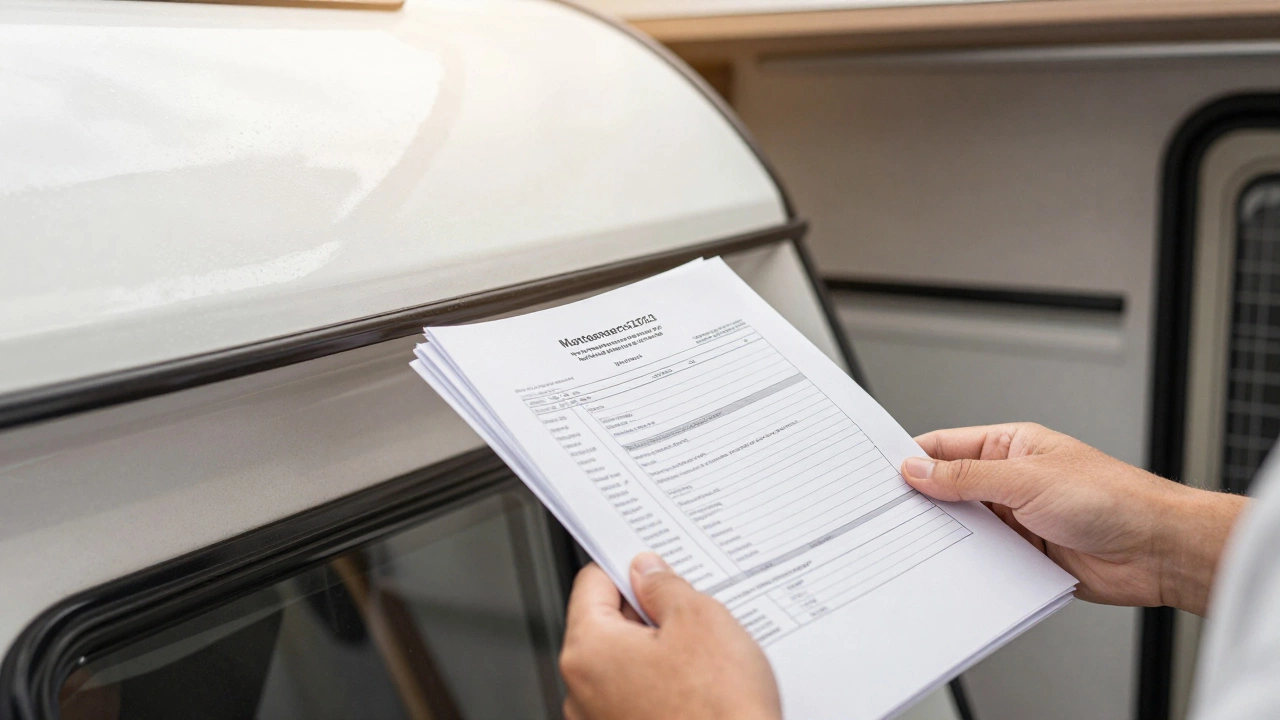
This might sound obvious, but it cannot be overstated: documentation sells. When you go to sell your RV, having a folder full of receipts for roof resealing, tire rotations, and appliance servicing proves that the vehicle was cared for. In a market flooded with neglected units, a well-documented history allows you to justify a higher asking price. It builds trust with the buyer, reducing their fear of hidden problems.
Specifically, keep records of roof maintenance. Water damage is the #1 reason RVs lose value. If you can show annual photos of your roof inspection and resealing, you prove that the structural integrity is intact. This simple habit can add thousands to your resale value compared to a similar unit with no proof of care.
Market Trends and Timing
The RV market is cyclical. During periods of economic uncertainty, sales slow down, and values dip. Conversely, during boom times, demand outstrips supply, pushing prices up. Currently, there is a strong trend toward smaller, more efficient RVs. Buyers are moving away from massive land yachts toward compact campervans and lightweight travel trailers. If you buy a trendy, small-footprint RV now, you may find it holds value better in the coming years as urbanization and fuel costs continue to rise.
Seasonality also plays a role. Listing your RV for sale in late winter or early spring, just before the camping season begins, maximizes visibility and competition among buyers. Waiting until autumn often results in longer listing times and lower offers.
Which RV brand holds value the best?
Airstream is widely considered the best brand for holding value due to its durable aluminum construction and iconic status. Among motorhomes, Winnebago and Thor models, particularly those on Mercedes-Benz Sprinter chassis, also retain value well.
Do Class A or Class B motorhomes hold value better?
Class B camper vans often hold value slightly better than Class A coaches because they are more versatile, easier to drive, and have a broader appeal. However, high-end luxury Class A models from reputable builders can also retain significant value if well-maintained.
How much does an RV depreciate in the first year?
Most new RVs depreciate between 10% and 15% in the first year alone. This is why buying a used RV that is 1-3 years old can be a financially savvy choice, as the original owner has already absorbed the steepest part of the depreciation curve.
Does mileage affect the value of a travel trailer?
No, mileage does not directly affect the value of a travel trailer since it has no engine. Instead, value is determined by the age of the tires, the condition of the roof and seals, and the overall interior wear and tear.
Is it better to buy new or used to protect my investment?
Buying used is generally better for protecting your investment. By purchasing a 2-4 year old model from a reliable brand, you avoid the initial steep depreciation. Ensure the unit has a clean title, no water damage, and recent maintenance records.