UK Campsite Stay Limit Calculator
Find out how long you can legally stay at different types of campsites across the UK based on your vehicle type, location, and the specific type of site.
Enter Your Details
Most people assume you can just show up at a campsite in the UK and stay as long as you like. That’s not true. In fact, the length of time you can stay on a campsite depends on the type of site, the season, local bylaws, and even the time of year. Some places let you stay for weeks. Others kick you out after seven days. If you’re planning a long trip, a seasonal stay, or even just a quiet getaway, knowing the rules upfront saves you from being turned away or fined.
Short Stays: The Default Rule
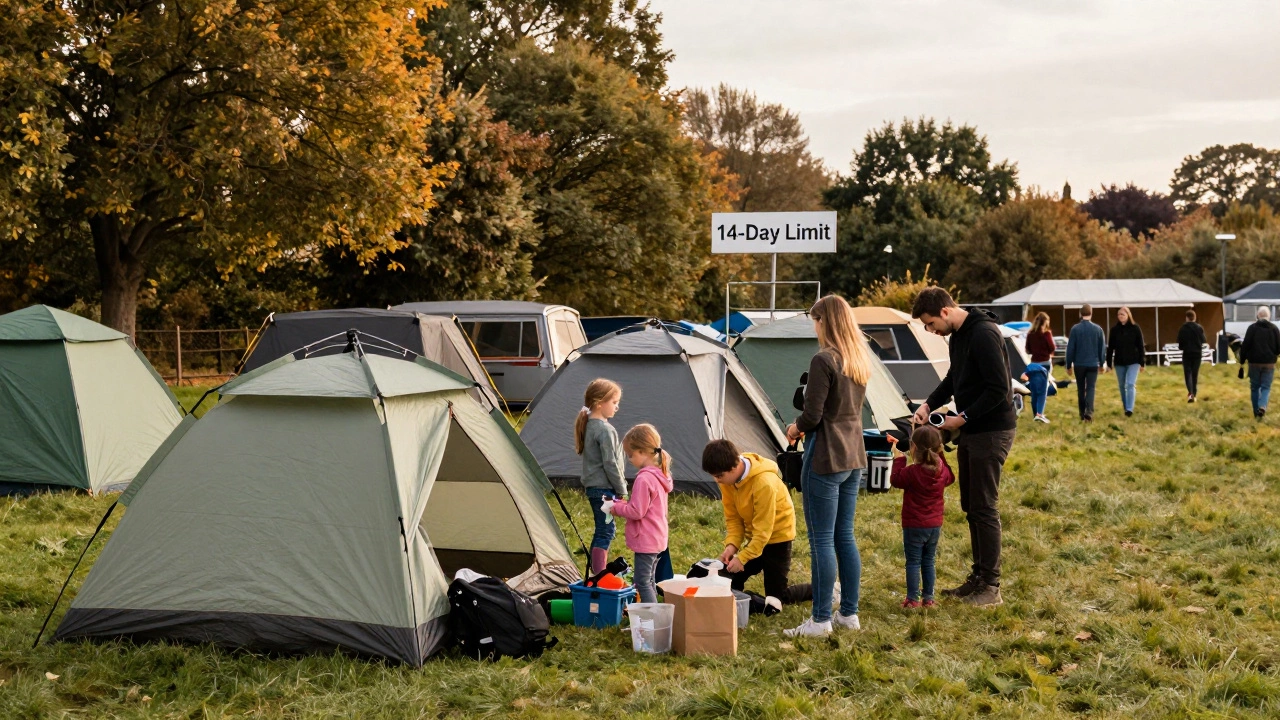
The most common stay limit on UK campsites is 14 days. This applies to the majority of private and commercial sites run by companies like Pitchup, Haven, and Parkdean. It’s not a national law - it’s the standard policy most sites adopt to keep turnover high and make space for other visitors. Even if you’re the nicest guest who ever pitched a tent, you’ll usually be asked to leave after two weeks. Some sites enforce this strictly with automated booking systems that won’t let you book beyond 14 days in a single reservation.
Why 14 days? It’s a balance. Sites need to manage waste, water, and facilities. Long-term stays can strain septic tanks, cause noise complaints, and make it harder to clean and rotate pitches. It also keeps the site feeling fresh and welcoming to new guests.
Extended Stays: What’s Possible?
If you want to stay longer than two weeks, you’ve got options - but they’re not always obvious. Some campsites, especially in rural areas or near national parks, offer monthly or seasonal pitches. These are often called “long stay” or “seasonal” pitches. They’re usually marked as such on booking sites. You’ll pay a flat monthly rate instead of nightly fees, and you might get perks like dedicated bins, priority access to showers, or even a reserved pitch all season.
These long stay options are most common in:
- South West England (Devon, Cornwall)
- Wales (especially Pembrokeshire and the Brecon Beacons)
- North Yorkshire and the Lake District
Don’t expect them to be cheap. A seasonal pitch can cost between £1,200 and £3,500 for six months, depending on location and facilities. But if you’re living in a motorhome or van, it’s often cheaper than renting a static caravan or paying for monthly storage.
Wild Camping: The Gray Area
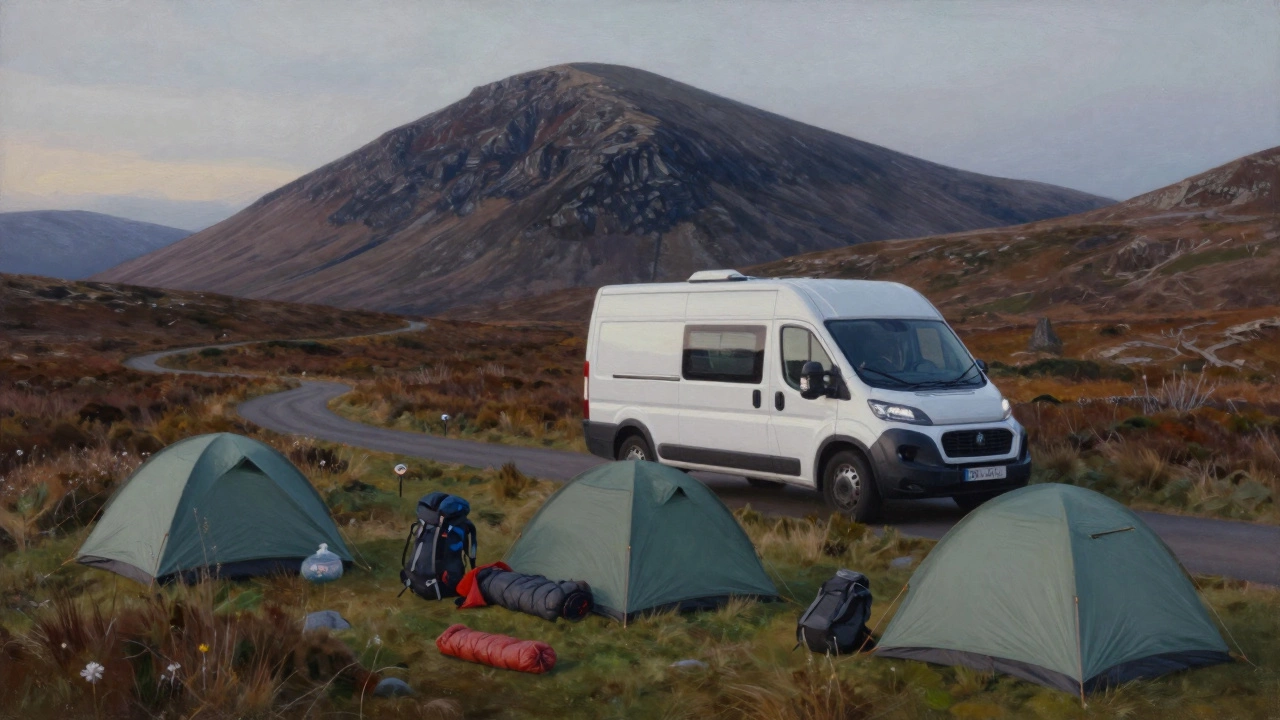
Wild camping - pitching your tent outside official sites - is a different story. In England and Wales, it’s technically illegal without landowner permission. That doesn’t mean no one does it. In practice, many people wild camp in remote areas like the Lake District, Dartmoor, or the Scottish Highlands - as long as they’re discreet, leave no trace, and move on after one or two nights.
Scotland is the exception. The Land Reform (Scotland) Act 2003 gives you the legal right to camp wild, as long as you follow the Scottish Outdoor Access Code. That means: no fires in sensitive areas, no camping near buildings or roads, and definitely no staying more than two or three nights in one spot. Rangers and local councils will warn you if you overstay, and in busy areas like Glencoe or Loch Lomond, you’ll be asked to move on.
So while you can’t legally camp for weeks on end in a tent on Dartmoor, you can legally move every few days across Scotland - and many full-time van dwellers do exactly that.
Caravan and Motorhome Sites: Different Rules
If you’re in a motorhome or caravan, you’re not always bound by the same rules as tent campers. Many sites offer dedicated motorhome pitches with hookups for water, electricity, and waste disposal. These pitches often allow longer stays - sometimes up to 28 days in a row - because motorhomes are self-contained and cause less strain on site infrastructure.
Some sites even market themselves as “live-in friendly.” These are popular with digital nomads, retirees, and people taking extended road trips. Sites like St. Mary’s Caravan Park in Cornwall or Wentworth Park in Yorkshire offer monthly rates and even Wi-Fi packages for remote workers. You can often book these directly through the site’s website, not just third-party platforms.
Just be aware: even on motorhome sites, you can’t just show up and claim a pitch for six months. Most require a formal application, proof of insurance, and sometimes a reference. They also have rules about what you can do on site - no building extensions, no running a business from your van, and no hosting large parties.
Public Land and Council Sites
Don’t assume public land is fair game. National parks, forest service land, and even some beaches are managed by local councils or the National Trust. Most of these places have strict rules. For example:
- Beach campsites in Norfolk are limited to 7 nights per visit.
- Many National Trust car parks ban overnight stays, even for motorhomes.
- Some coastal towns like Bournemouth and Hastings have signs that say “No Overnight Parking” - and they mean it.
There are exceptions. A few councils allow short-term camping on designated areas. For instance, in the Lake District, some rural parishes run small, low-cost campsites that allow stays of up to 21 days. These are usually signposted, and you pay at an honesty box. They’re not advertised on big booking sites - you have to ask locals or check town council websites.
Seasonal and Winter Camping
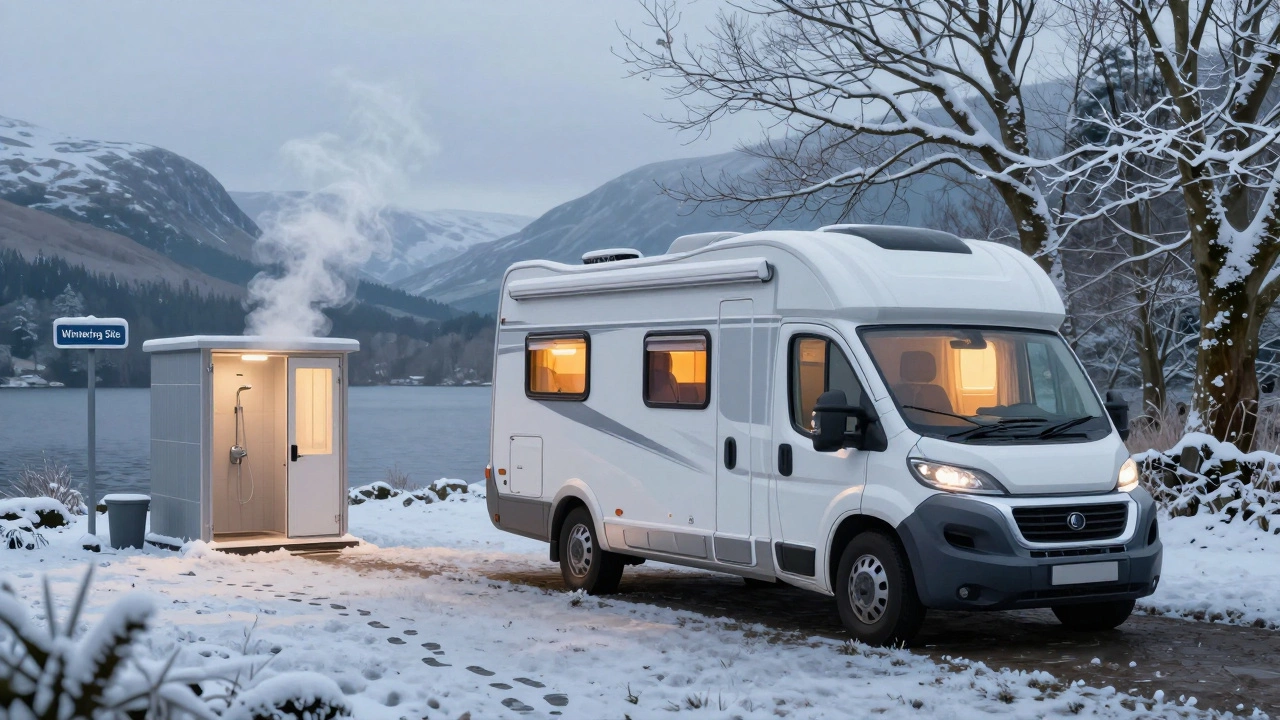
Winter camping is growing in popularity. More people are choosing to spend the colder months on sites that stay open year-round. These are often called “wintering sites.” They’re usually quieter, cheaper, and have better facilities - like heated showers and drying rooms.
Some sites allow stays of up to 6 months if you book in advance. The key is planning. Sites like Waterside Holiday Park in Lincolnshire or St. Ives Caravan Park in Cornwall take winter bookings as early as September. You’ll need to confirm if the site has heating, if water pipes are insulated, and if waste disposal is still available in freezing weather.
Don’t assume all sites stay open. Many close between November and February. Always call ahead.
What Happens If You Overstay?
Breaking the stay limit isn’t a criminal offense - but it can get messy. Most sites will first send you a polite reminder. If you ignore it, they may cut off your utilities, tow your vehicle, or charge you extra fees. In extreme cases, they can call the police for trespassing, especially if you’re on private land without permission.
There’s also the social cost. Campsites are small communities. If you’re known as the person who overstayed, you might get blacklisted from that site - and sometimes from others through word of mouth. Many site managers share lists of problematic guests.
The best advice? Don’t test it. If you want to stay longer, ask before you arrive. Many sites will bend the rules if you’re polite, clean, and respectful - especially if you’re willing to pay extra.
How to Plan a Long Stay
If you’re planning to stay more than two weeks, here’s what to do:
- Check the site’s website - not just booking platforms. Look for “long stay,” “seasonal,” or “monthly rates.”
- Call the site directly. Ask: “Do you allow stays longer than 14 days? Is there a limit?”
- Ask about utilities, waste disposal, and any extra fees for extended stays.
- Confirm if you need to re-register or renew your booking after a certain period.
- Get everything in writing. Email confirmation is better than a verbal promise.
And if you’re thinking of full-time van life? Make sure you understand the difference between camping and living. Most campsites are for recreation - not permanent residence. If you’re planning to live somewhere for months, you may need to look into licensed caravan parks or residential sites - which have different rules and often require planning permission.
Final Tip: Know Your Rights
You don’t need to be a legal expert, but knowing a few basics helps. The Caravan Sites and Control of Development Act 1960 governs caravan and camping sites in England and Wales. It doesn’t give you the right to stay long-term - but it does say that sites must follow their own published rules. If a site says “max 14 days,” they can’t suddenly change it halfway through your stay without notice.
Scotland’s rules are more flexible. Northern Ireland and the Isle of Man have their own regulations. Always check local laws - they vary by region.