Glamping Authenticity Checker
Not every fancy tent is true glamping. Use this tool to check if your potential stay meets the criteria for high-end camping.
Verdict
Select the amenities available at the site to see if it qualifies as true glamping.
You’ve probably heard the term glamping, but do you actually know what it means? It’s not just a buzzword marketers invented to sell overpriced tents. The answer to "what is high-end camping called" is straightforward: it is called glamping. This portmanteau of "glamorous" and "camping" describes an experience that blends the rugged appeal of being outdoors with the comfort of a five-star hotel.
If you are tired of sleeping on thin foam mats or wrestling with tent poles in the rain, this style of travel might be your next big adventure. But before you book, you need to understand what separates true glamping from a standard campsite with nicer amenities. Let’s break down exactly what high-end camping entails, where it came from, and how to spot the real deal versus a marketing gimmick.
The Origin and Definition of Glamping
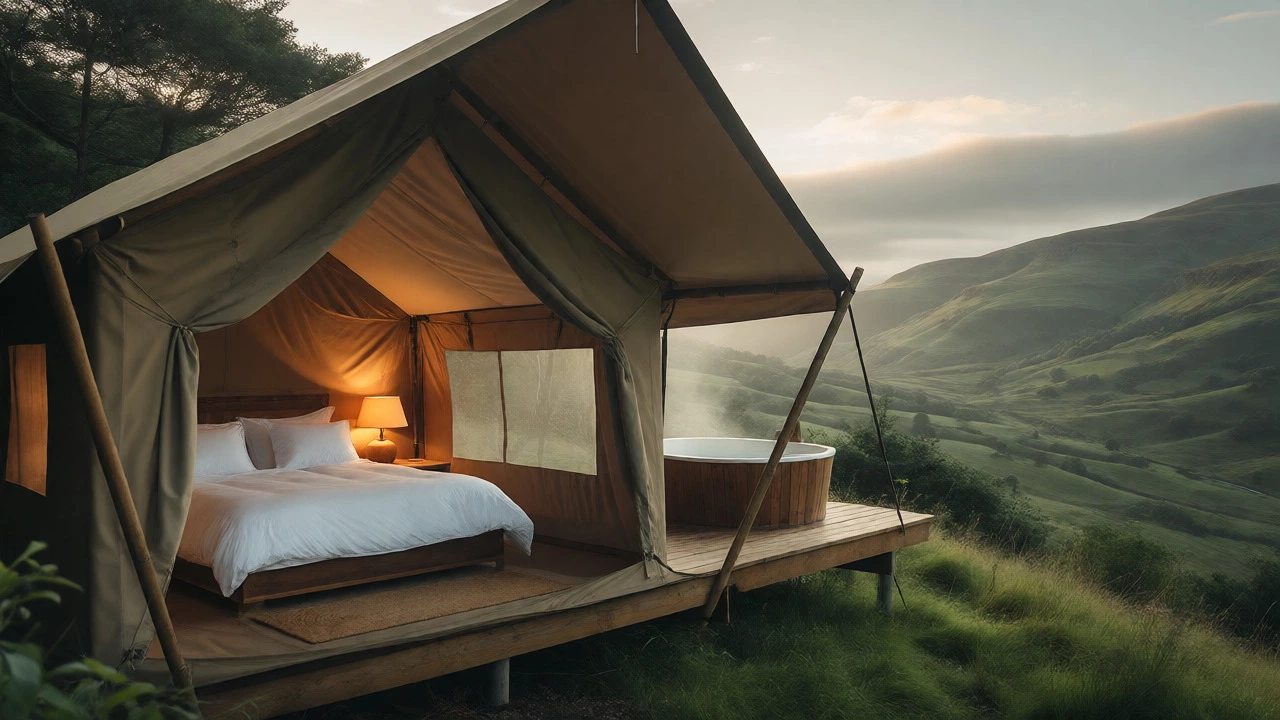
Glamping is defined as an alternative form of camping involving accommodation and facilities more luxurious than those associated with traditional camping. Unlike wild camping, where you bring everything you need, glamping provides ready-made structures like yurts, safari tents, bell tents, or even treehouses.
The concept isn’t new. In fact, it dates back centuries. Wealthy travelers in the early 1900s traveled across Africa and Asia with portable cabins and fine china. They wanted to see the wildlife without sacrificing their comfort. Today, that same desire drives the industry. According to data from the Outdoor Industry Association, the global glamping market was valued at approximately $2 billion in 2023 and is projected to grow significantly by 2030. People want nature, but they don’t want to suffer for it.
So, when someone asks, "Is glamping just camping with better beds?", the answer is no. It is a distinct category. Traditional camping requires you to set up shelter, cook over a fire, and manage waste. Glamping removes the labor. You arrive, unpack your bag, and live. The infrastructure handles the rest.
Key Features That Define Luxury Camping
Not every fancy tent qualifies as high-end camping. To distinguish genuine glamping sites from basic campsites with electricity hookups, look for these specific attributes. If a site lacks most of these, it’s likely just "comfort camping," not true glamping.
- Real Bedding: No air mattresses or cots. We’re talking proper memory foam mattresses, high-thread-count sheets, and duvets. Some sites offer king-sized beds with premium linens.
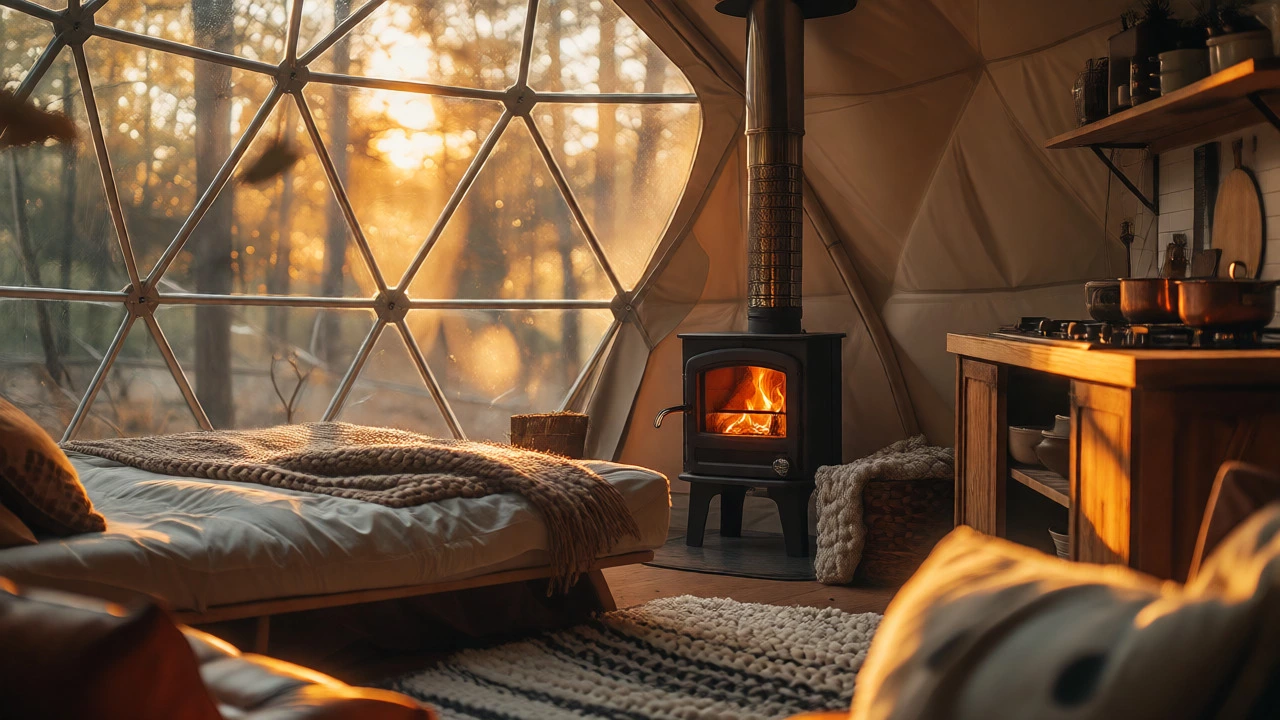
- Climate Control: Heating is mandatory for year-round glamping. Many high-end units include wood-burning stoves, underfloor heating, or efficient electric heaters. Air conditioning is becoming common in warmer climates.
- Private Bathrooms: While some rustic glamping spots use shared blocks, true luxury offers en-suite bathrooms. Think hot showers, flush toilets, and sometimes even outdoor bathtubs with views.
- Power and Connectivity: Reliable Wi-Fi and multiple USB charging ports are standard. You can work remotely from a yurt if you choose.
- Catering Options: Many sites offer meal delivery, private chefs, or fully equipped kitchens with gas hobs and refrigerators, eliminating the need for a portable stove.
Types of Accommodations in High-End Camping
One reason glamping has exploded in popularity is the variety of structures available. You aren’t limited to a canvas tent. Here are the most common types you’ll encounter when searching for luxury campsites.
| Structure Type | Comfort Level | Best For | Typical Cost Range (Night) |
|---|---|---|---|
| Bell Tent | Medium-High | Groups, families, aesthetic photos | $150 - $400 |
| Yurt | High | Couples, cold weather, durability | $200 - $500 |
| Safari Tent | Very High | Safaris, large groups, luxury seekers | $300 - $800+ |
| Treehouse | High | Romantic getaways, unique experiences | $250 - $600 |
| Geodesic Dome | Medium-High | Stargazing, modern design lovers | $180 - $450 |
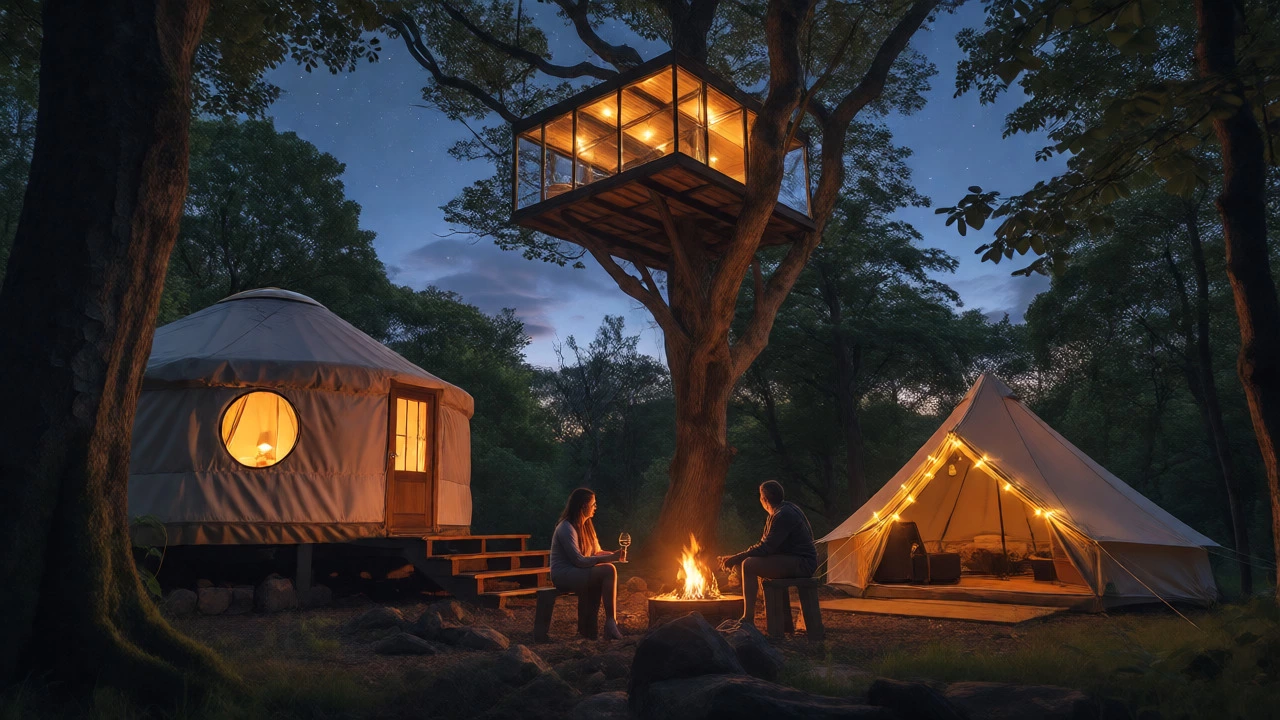
Bell tents are popular because they are spacious and easy to assemble. Yurts, originally from Central Asia, offer superior insulation, making them ideal for winter glamping in places like Ireland or Canada. Safari tents often mimic permanent lodges, featuring wooden floors and full-size furniture. Treehouses provide privacy and a unique vantage point, while domes offer panoramic views through transparent panels.
Why Choose Glamping Over Hotels or Hostels?
You might wonder why anyone would pay hotel prices for a tent. The value proposition lies in the connection to nature. Hotels isolate you from the environment; you hear traffic instead of birdsong. Glamping puts you inside the ecosystem. You wake up to mist rolling off the hills or stars visible directly from your bed.
Consider the environmental impact too. Many glamping sites operate with strict sustainability practices. They use solar power, composting toilets, and locally sourced materials. This appeals to eco-conscious travelers who feel guilty about the carbon footprint of large resort complexes. Additionally, the exclusivity factor plays a role. A remote glamping pod on a cliff edge in County Kerry offers solitude that a crowded city center hotel cannot match.
There is also the social aspect. Glamping communities often organize events like yoga sessions, guided hikes, or local food tastings. These curated experiences add value beyond just the accommodation. You aren’t just renting a space; you’re buying into a lifestyle moment.
How to Spot a Genuine High-End Campsite
With the rise in popularity, many operators slap the label "glamping" on anything with a zippered door. Don’t fall for the trap. Use this checklist before booking.
- Read Recent Reviews: Look for comments about cleanliness and maintenance. A dirty bathroom ruins the luxury vibe instantly.
- Check Photos Carefully: Are the photos staged? Look for user-uploaded images on platforms like Airbnb or Hipcamp. Real guests show the wear and tear.
- Verify Amenities: Does the listing explicitly mention hot water availability? Is there a backup generator for power outages? Ask the host directly if unsure.
- Assess Location Accessibility: True luxury doesn’t mean inaccessible. Ensure the site is reachable by car unless you are prepared for a hike. Also, check parking arrangements.
- Look for Extras: High-end sites often include welcome baskets, firewood bundles, or concierge services. These small touches indicate professional management.
If a site promises "rustic charm" but shows a muddy path and a bucket shower, it’s likely not what you expect from high-end camping. Conversely, if it lists "heated floors" and "private deck," you’re on the right track.
Cost Expectations and Budgeting Tips
Let’s talk money. Glamping is expensive. In Europe, a night in a well-appointed yurt ranges from €150 to €400. In North America, prices vary wildly based on location, with national park adjacent sites commanding premiums. Compare this to a standard hotel room costing €100-€200, and the difference seems stark. However, remember that glamping rates often include utilities, cleaning fees, and sometimes meals, which hotels charge separately.
To save money, consider traveling during shoulder seasons. Spring and autumn offer fewer crowds and lower rates, though you must ensure the accommodation is heated adequately. Booking mid-week instead of weekends can also drop prices by 20-30%. Another tip: look for longer stay discounts. Many hosts offer weekly rates that reduce the nightly cost significantly.
Top Destinations for Luxury Camping
Where should you go? The best glamping locations combine stunning scenery with high-quality infrastructure. In Ireland, the Wild Atlantic Way offers dramatic coastal pods and shepherd’s huts. Scotland provides rugged mountain retreats with cozy interiors. In the USA, Joshua Tree National Park features iconic glass houses, while Hawaii offers beachfront bungalows.
For those seeking international flair, Morocco’s desert camps blend Berber hospitality with modern comforts. New Zealand’s South Island showcases eco-lodges integrated into alpine landscapes. Each destination offers a unique flavor of high-end camping, tailored to its local environment and culture.
Is glamping suitable for families with young children?
Yes, absolutely. Many glamping sites are family-friendly, offering larger tents or yurts with separate sleeping areas. The lack of setup duties makes it easier for parents to relax. However, always check for safety features like secure fencing around water bodies or steep drops, especially if your children are toddlers.
Do I need to bring my own equipment for glamping?
Generally, no. Glamping accommodations come fully furnished with bedding, towels, kitchenware, and heating. You only need to bring personal items like toiletries, clothing, and food if you plan to cook yourself. Some sites even provide welcome packs with tea, coffee, and snacks.
Can I work remotely from a glamping site?
Many modern glamping sites offer reliable Wi-Fi, but signal strength varies depending on location. Remote areas may have slower connections. Always ask the host specifically about internet speed and reliability before booking if you have critical meetings. Some sites now include dedicated workspace desks inside the units.
What is the difference between glamping and eco-camping?
While they overlap, they aren't identical. Eco-camping focuses primarily on minimal environmental impact, which can sometimes mean simpler amenities. Glamping prioritizes comfort and luxury. However, many high-end glamping sites are also eco-friendly, using sustainable building materials and renewable energy sources, blending both concepts.
Are pets allowed in glamping accommodations?
This depends entirely on the specific site. Some luxury campsites are pet-friendly and even offer dog beds or treats, while others maintain strict no-pet policies to preserve hygiene standards for high-end guests. Always verify the pet policy before booking, as bringing an unallowed animal can result in hefty fines.