Cowboy Camping Gear & Readiness Checker
Select the gear you plan to bring and your intended destination to see if your setup matches the Cowboy Camping philosophy of minimalism and stealth.
1. Select Your Gear
2. Destination
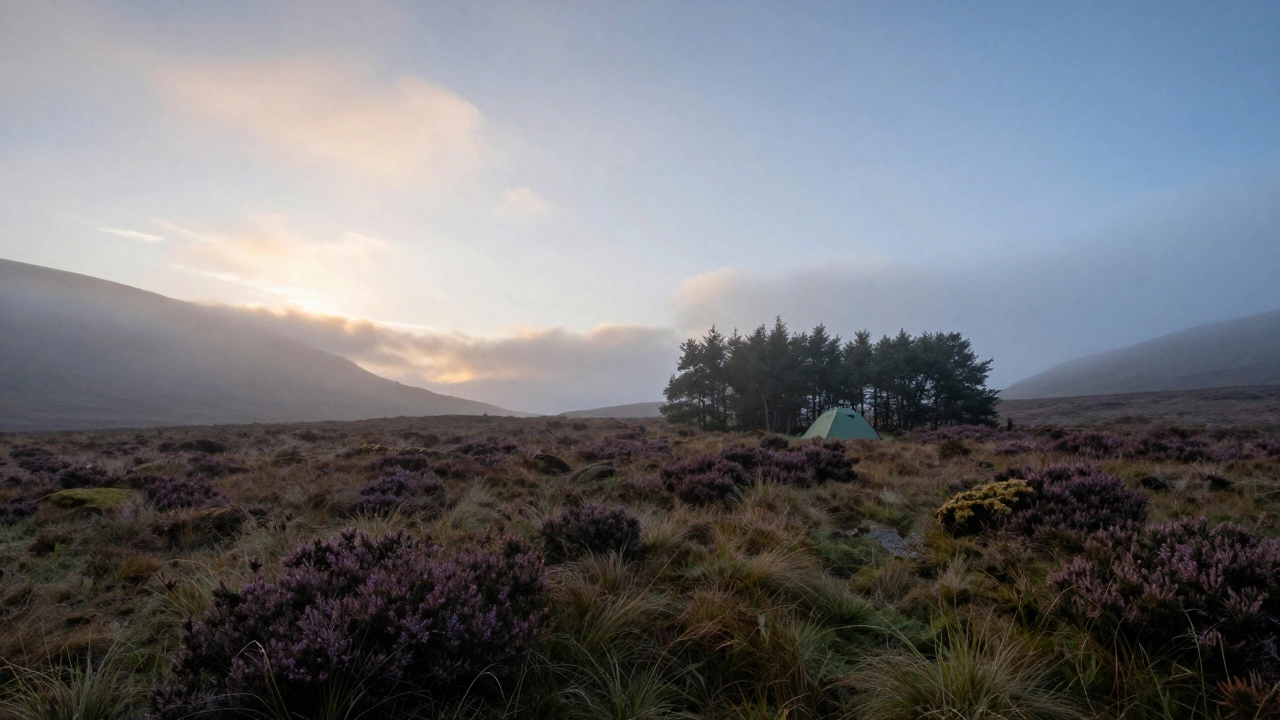
To put it simply, a cowboy camp is a form of minimal, off-grid camping where the camper avoids formal campsites in favor of temporary, often unplanned locations in the wild. It is a style of wild camping that prioritizes freedom and spontaneity over luxury. Instead of booking a pitch three months in advance, you find a secluded spot, set up your gear, and disappear by dawn.
The Core Philosophy of Cowboy Camping
Cowboy camping isn't just about where you sleep; it's about how you behave. It's rooted in the idea of autonomy. You aren't looking for a manicured lawn or a shower block; you're looking for a slice of nature that feels untouched. For many, this is a reaction against the 'commercialization' of the outdoors. Why pay £25 a night for a patch of grass when the hills of Scotland or the forests of Wales are right there?
The goal is to leave the environment exactly as you found it. This means adhering to the Leave No Trace a set of outdoor ethics that promotes maximum conservation of the outdoors principles. If a hiker walking by ten minutes after you've left can't tell you were ever there, you've done it right. It's a quiet, respectful dance with nature that requires a bit of grit and a lot of planning.
How it Differs from Traditional Wild Camping
You might be wondering if this is just a fancy name for wild camping. While they overlap, a cowboy camp usually implies a more nomadic or 'stealth' approach. Traditional wild camping often happens in designated areas where it's legally permitted, like the Highlands. Cowboy camping is often more about the 'hunt' for the perfect, hidden spot-sometimes in places where the rules are a bit more grey.
| Feature | Cowboy Camp | Traditional Campsite |
|---|---|---|
| Location | Remote, unplanned, off-grid | Designated pitches, managed land |
| Facilities | None (carry your own water/waste) | Toilets, showers, electricity |
| Cost | Free (or very low cost) | Daily fee per person/vehicle |
| Impact | Minimal (Leave No Trace) | High (infrastructure, crowds) |
The Gear You Actually Need
You can't bring a 6-person tent and a portable BBQ if you want to keep a low profile. The gear for a cowboy camp needs to be lightweight, durable, and fast to deploy. Efficiency is everything. If you spend two hours pitching a tent, you're more likely to be spotted by a curious landowner or a park ranger.
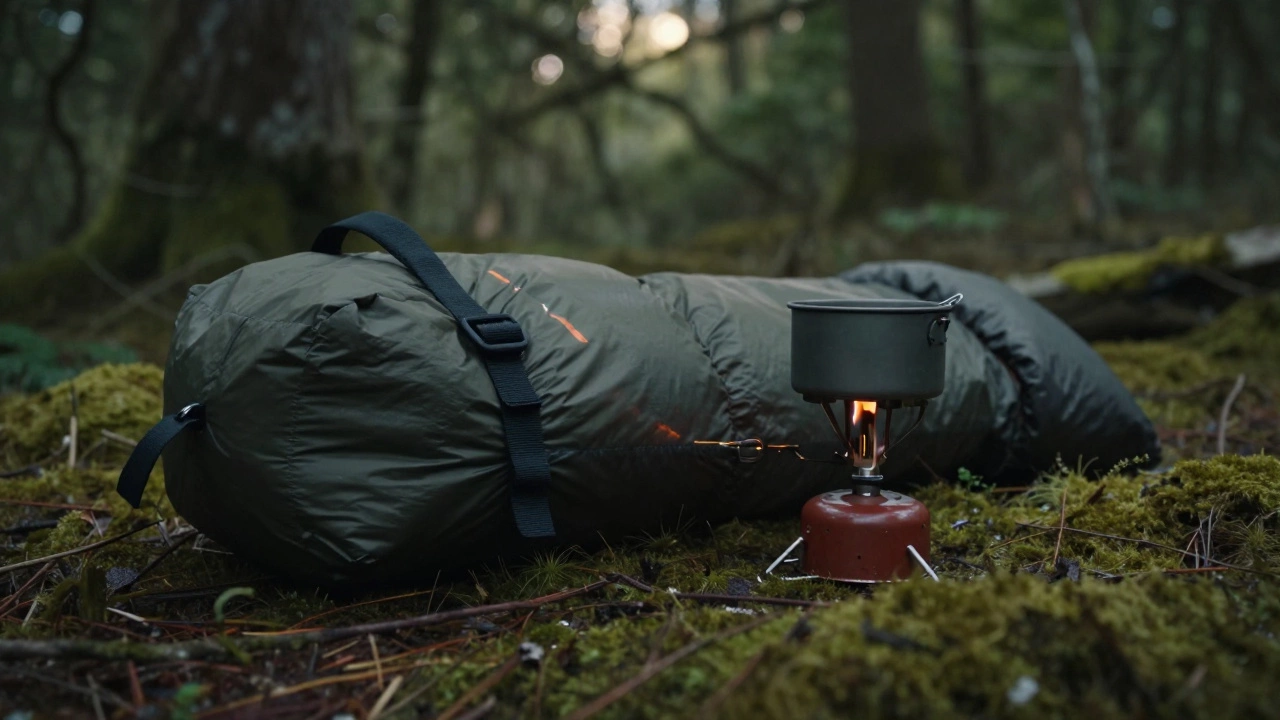
- Shelter: A Bivy Bag a small, waterproof, and breathable shelter that fits around a sleeping bag or a lightweight one-person trekking tent. The smaller the silhouette, the better.
- Sleep System: A compact sleeping mat and a high-performance sleeping bag rated for the specific region. Remember, the ground in the UK is rarely truly flat and often damp.
- Cooking: A small Camping Stove a portable device used for heating and cooking food outdoors . Avoid open fires at all costs; they leave scars on the land and are a massive giveaway of your position.
- Water: A filtration system or tablets. Relying on a 10-litre jug is heavy and impractical for a nomadic style of camping.
Navigating the Legal Maze in the UK
Here is where things get tricky. The UK doesn't have a single, unified law on wild camping. If you're in Scotland, you're in luck. The Scottish Outdoor Access Code a statutory guidance document that defines the rights and responsibilities of people accessing the countryside in Scotland generally allows wild camping on most unenclosed land, provided you do it responsibly. It's a paradise for cowboy campers.
However, once you cross the border into England or Wales, the rules change. Generally, wild camping is not legal without the landowner's permission. This doesn't mean people don't do it, but it means you have to be smarter. This is where "stealth camping" comes into play. You arrive late, set up under the cover of darkness, and leave before the sun is fully up. It's less about breaking laws and more about not causing any disturbance.
Tips for Finding the Perfect Spot
Finding a spot isn't just about looking for a pretty view. You need to think about safety and visibility. A common mistake beginners make is camping right on a ridge or peak. While the view is great, you're visible from miles away and exposed to the wind. Instead, look for "the edge of the edge." Find a spot just inside a treeline or tucked behind a natural fold in the land.
Use tools like OS Maps Ordnance Survey maps providing highly detailed topographical data of the UK landscape to identify areas with low foot traffic. Look for contours that suggest a flat shelf of land. Also, pay attention to the wind direction. You don't want your tent acting like a sail in a midnight gale.
Common Pitfalls and How to Avoid Them
The biggest mistake is underestimating the weather. In the UK, a clear sky at 6 PM can turn into a torrential downpour by 9 PM. Always have a "bail-out" plan. Know where the nearest road is and have a way to get off the land quickly if the conditions turn dangerous.
Another issue is waste management. A real cowboy camper doesn't leave a bag of rubbish because they "promise to come back for it." You carry everything out. For human waste, the rule is simple: dig a hole at least 15cm deep, at least 200 feet away from any water source, and cover it completely. It sounds tedious, but it's the only way to keep these wild spaces wild.
Is Cowboy Camping Right for You?
This isn't for everyone. If you enjoy the social aspect of a campfire with twenty other families, you'll hate this. It's a solitary experience. It requires a level of comfort with silence and a willingness to be slightly uncomfortable. You'll probably deal with damp socks, cold mornings, and the occasional nervous feeling that someone is walking toward your tent.
But for those who crave actual solitude, it's addictive. There is a profound sense of satisfaction in knowing that you've navigated your way into a hidden corner of the world and created a home for a few hours using nothing but what you can carry on your back.
Is cowboy camping legal in England?
Technically, no. In England and Wales, you need the landowner's permission to camp. However, many people practice 'stealth camping'-setting up late and leaving early-to avoid disturbing others. Always check local bylaws, especially in National Parks, where rules are strictly enforced.
What is the best time of year for this style of camping?
Late spring (May to June) and early autumn (September to October) are usually ideal. The weather is more moderate than in mid-winter, and the crowds of peak summer are gone, making it much easier to find secluded spots without being spotted.
Can I use a car for cowboy camping?
Yes, this is often called 'wild parking' or 'stealthing'. The key is to park in a way that doesn't block access roads or gates. A small, inconspicuous car is better than a massive RV. Many people sleep in the back of a hatchback or a small van to stay warmer and more hidden.
How do I handle wildlife?
In the UK, you aren't dealing with bears, but foxes and badgers are opportunistic. Keep all food sealed in airtight containers and store them away from where you sleep. Never leave food scraps outside your tent, as this attracts animals and ruins the spot for the next person.
What's the best way to stay warm without a fire?
Layering is key. Use a base layer of merino wool, a fleece mid-layer, and a waterproof outer shell. A hot water bottle (filled using your stove) tucked into the bottom of your sleeping bag is a game-changer for cold nights.
Next Steps for Beginners
If you've never tried this, don't head straight into the deep Highlands or a remote Welsh valley. Start with a 'backyard' test-camp in your own garden or a familiar local park (where legal) to see how your gear holds up. Once you're comfortable, try a weekend trip in Scotland where the laws are more forgiving.
For those moving up from basic wild camping, start experimenting with smaller gear. Swap your tent for a bivy bag or try a hammock setup. The less you rely on heavy infrastructure, the more locations open up to you. Just remember: the goal isn't to conquer nature, but to exist within it without leaving a footprint.