Family Camping Readiness Calculator
Answer these questions to assess your child's readiness for the great outdoors.
Pro-Tips for This Stage:
Picture this: It’s 10 PM. The fire has died down to glowing embers. You’re tucked into a sleeping bag that smells faintly of damp grass and woodsmoke. Your partner is snoring softly beside you. And then, from the corner of the tent, comes a whimper. Your three-year-old wants water. Again. This isn’t the serene nature retreat you imagined on Pinterest. It’s real life.
The question "what age should kids go to camp" doesn’t have a single answer because every child develops differently. However, most experienced parents find that the sweet spot for a successful first trip lies between ages four and six. Before that, it’s less about exploring nature and more about managing logistics, sleep schedules, and emotional regulation in an unfamiliar environment. After that, children begin to gain independence, curiosity, and the physical stamina needed to enjoy the outdoors without constant hand-holding.
Is it too early to take a baby camping?
Taking an infant under one year old camping is possible but challenging. Babies need strict temperature control, frequent feeding, and clean diaper-changing facilities. Most standard campsites lack private bathrooms or heating, making overnight stays stressful for both parent and child. If you must go, choose a glamping site with en-suite facilities or limit your stay to day trips where you can return home quickly if things go wrong.
Why Age Matters More Than Gear
You can buy the most expensive waterproof tent and the lightest backpacking stove, but none of it matters if your child isn’t developmentally ready. Camping requires a specific set of skills: patience, adaptability, and basic self-care. A two-year-old simply does not possess these traits yet. They are still mastering potty training and may be terrified of the dark. Pushing them into a wild environment before they are ready often creates negative associations with the outdoors that last for years.
Child Development plays a crucial role in outdoor readiness. Between ages four and seven, children enter what psychologists call the "exploratory phase." They are curious about bugs, trees, and stars. They can follow simple instructions like "don't touch the hot grill" or "stay near the tent." This cognitive leap makes them ideal candidates for introductory camping. They don’t just endure the experience; they actively participate in it.Consider the difference between a three-year-old and a five-year-old. The three-year-old likely needs help putting on shoes, struggles with hunger cues, and may cry when separated from parents for even five minutes. The five-year-old can pack their own small bag, identify animal tracks, and sit quietly while you cook dinner. That gap in capability changes everything about how you plan and execute a trip.
The Toddler Phase: Why Waiting Pays Off
If you have a toddler aged one to three, here is the honest truth: full-night camping is rarely worth the stress. Toddlers operate on rigid biological clocks. Disrupt their nap schedule by two hours, and you get a meltdown that echoes through the forest. Add unpredictable weather, limited food options, and the discomfort of sleeping on uneven ground, and you have a recipe for disaster.
- Sleep Regression: New environments trigger alertness in young brains. Expect multiple wake-ups throughout the night.
- Hygiene Challenges: Changing diapers in a communal toilet block at midnight is unpleasant for everyone involved.
- Mobility Issues: Toddlers run fast and look up slowly. Trails become hazardous zones rather than adventure paths.
Instead of overnight trips, try "micro-camping." Set up a tent in your backyard for one night. Cook sausages over a portable burner. Let them sleep in the tent while you stay in the house. This builds familiarity without the pressure of being miles away from home. Once they can spend a full weekend in the backyard tent without complaining, you are ready to move to a proper campsite.
The Sweet Spot: Ages Four to Seven
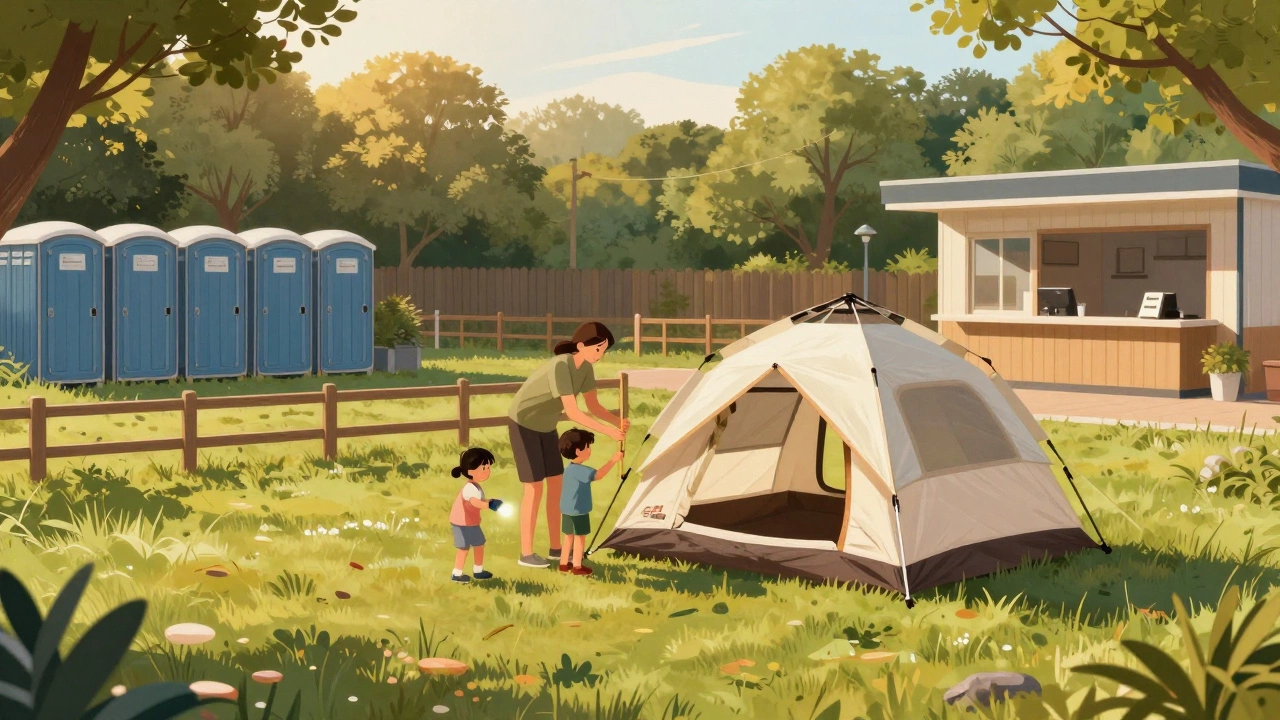
This is the golden window for introducing family camping. Children in this range are old enough to understand safety rules but young enough to be amazed by simple things like roasting marshmallows or hearing owls at night. They can carry their own flashlight, help pitch the tent by holding poles, and sleep through the night provided they are tired enough.
When choosing a family campsite, look for amenities that support this age group. You want sites with:
- Flat, fenced pitches: Prevents wandering during sleep.
- On-site play areas: Keeps energy levels manageable.
- Clean, accessible toilets: Essential for hygiene and comfort.
- Proximity to reception: In case of emergencies or forgotten items.
In the UK, many Campsites UK locations offer designated family zones. These areas often feature lower noise levels, shorter walking distances to facilities, and activities tailored to younger children. Avoid remote wild camping spots initially. Stick to established caravan parks or holiday parks with infrastructure. The goal is enjoyment, not survivalism.
Pre-Teens and Independence: Ages Eight to Twelve
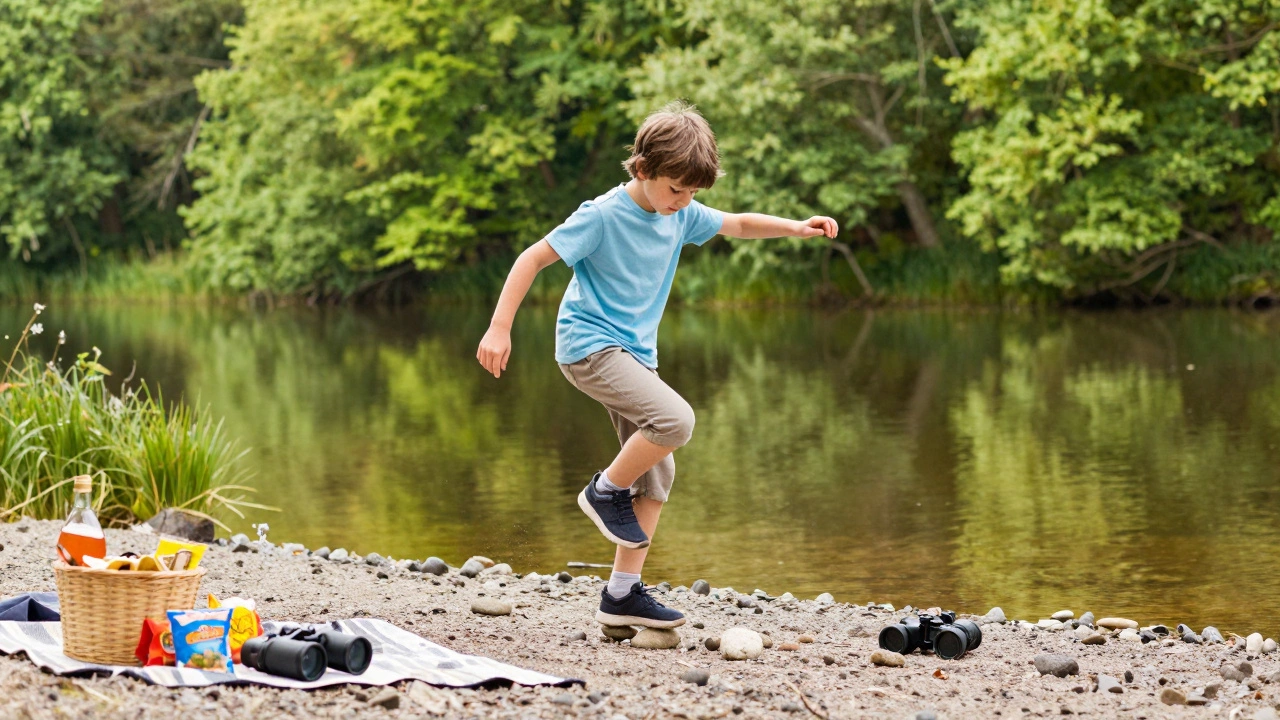
By age eight, children begin to crave autonomy. They want to choose where to walk, what to eat, and when to explore. This shift allows for more adventurous itineraries. You can start hiking longer trails, swimming in lakes, or trying canoeing. Pre-teens also handle boredom better. While a five-year-old needs constant entertainment, a ten-year-old can sit by a stream skipping stones for an hour without asking for attention.
This age group benefits greatly from involving them in planning. Ask them to pick out snacks, research local wildlife, or map out a short hike. Giving them responsibility fosters confidence and reduces resistance to the routine of camping. They are no longer passengers in the experience; they are co-pilots.
| Age Range | Key Capability | Recommended Trip Type | Pitfalls to Avoid |
|---|---|---|---|
| 0-2 Years | None (High Dependency) | Day Trips Only | Overnight stays, remote locations |
| 3-4 Years | Basic Instructions | Backyard / Glamping | Long hikes, cold weather |
| 5-7 Years | Self-Care Basics | Standard Family Campsites | Complex navigation, isolation |
| 8-12 Years | Autonomy & Curiosity | Hiking & Adventure Parks | Boredom, lack of structure |
Essential Gear for Young Campers
Gear choices change drastically based on age. For toddlers and young children, comfort and safety trump weight savings. You do not need ultralight equipment; you need durable, easy-to-use gear.
- Tent: Choose a tunnel tent or cabin tent with vertical walls. Dome tents are cramped and hard for small children to navigate inside. Look for models with vestibules where you can store muddy boots and wet coats.
- Sleeping Bags: Standard adult bags are too long for kids, causing them to ball up and lose warmth. Buy mummy-style bags sized specifically for children. Add a separate sleeping mat for insulation from the ground.
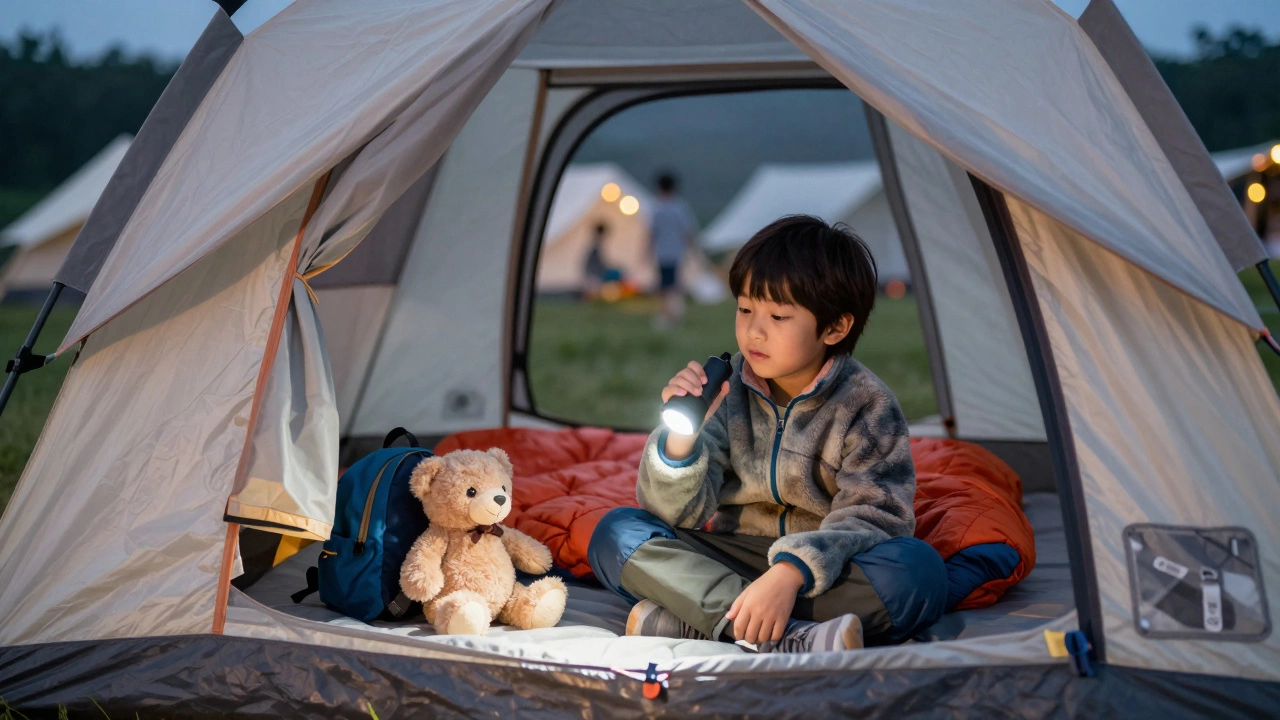
- Lighting: Give each child their own headlamp or torch. Knowing they have control over their light source reduces fear of the dark. Avoid hanging lanterns that swing and create spooky shadows.
- Clothing: Layers are non-negotiable. Even in summer, nights drop significantly in temperature. Pack fleece jackets, thermal base layers, and waterproof overalls. Assume everything will get dirty or wet.
Don’t forget the "comfort kit." Bring along familiar items from home: a favorite stuffed animal, a small blanket, or a book. These objects provide psychological security in a new environment. They signal to the child that this temporary space is still part of their safe world.
Safety First: Managing Risks
Nature is beautiful but indifferent. As parents, your job is to mitigate risks without killing the sense of wonder. Teach children about boundaries early. Establish a "buddy system" where no one wanders off alone. Define clear perimeter markers for the campsite area.
Wildlife encounters are usually harmless but can be startling. Educate kids on how to react to insects, dogs, or larger animals. In the UK, ticks are a genuine concern in wooded areas. Check children thoroughly after every outing. Use repellents rated for their age group. Never leave food unattended; it attracts rats and foxes, which can damage gear and pose health risks.
First aid kits should be stocked beyond basics. Include blister plasters, antihistamines for stings, and burn gel. Know the location of the nearest medical facility before you arrive. Many campsites have posted emergency numbers; keep one taped inside your tent door.
Building Positive Associations
The goal of early camping trips is not to conquer mountains or survive harsh conditions. It is to build positive memories associated with the outdoors. If a trip ends in tears, exhaustion, and resentment, you have failed regardless of how well you pitched the tent.
Keep expectations low. Plan for half-day activities instead of full-day marathons. Allow plenty of downtime for reading, drawing, or napping. Celebrate small victories: successfully building a fire, identifying three bird species, or sleeping through the night. These moments accumulate into a lifelong love of nature.
Remember that flexibility is key. Weather changes. Moods shift. Plans fall apart. The best campers are those who can laugh when it rains and adapt when things go wrong. Model this behavior yourself. If you stay calm and positive, your children will mirror that attitude. Over time, the chaos becomes routine, and the routine becomes tradition.
Can I take my 3-year-old camping?
Yes, but proceed with caution. Three-year-olds are on the borderline of readiness. If they are potty-trained, can communicate needs clearly, and aren't overly sensitive to noise or darkness, a short trip to a well-equipped family campsite might work. Start with one night and be prepared to cut the trip short if they become distressed. Avoid rugged terrain or extreme weather.
What is the best type of tent for families with young kids?
Tunnel tents and cabin tents are ideal because they offer standing height and separate living/sleeping areas. This separation helps contain messes and gives children a defined space to play. Avoid dome tents for large families as they feel claustrophobic and lack storage space for gear.
How do I keep kids entertained at a campsite?
Nature provides endless entertainment if you guide it. Bring magnifying glasses for bug hunting, binoculars for bird watching, and journals for sketching. Simple games like scavenger hunts, frisbee, or card games work well. Limit screen time to preserve the immersive experience, but use tablets sparingly for rainy days.
Is wild camping suitable for children?
Generally, no. Wild camping lacks facilities like toilets, water, and reception. It requires significant physical effort and self-sufficiency. Save wild camping for when your children are older (12+) and have developed resilience and outdoor skills. Start with regulated campsites to build foundational confidence.
What should I pack for a toddler's first camping trip?
Pack extra clothes (they will get dirty), familiar comfort items (toys/blankets), easy-to-eat snacks, a dedicated sleeping bag, and a comprehensive first aid kit. Don't forget sunscreen, insect repellent, and plenty of water. Keep meals simple-sandwiches, fruit, and pre-cooked meats reduce cooking stress.