RV vs Hotel Cost Calculator
Trip Parameters
Cost Comparison Results
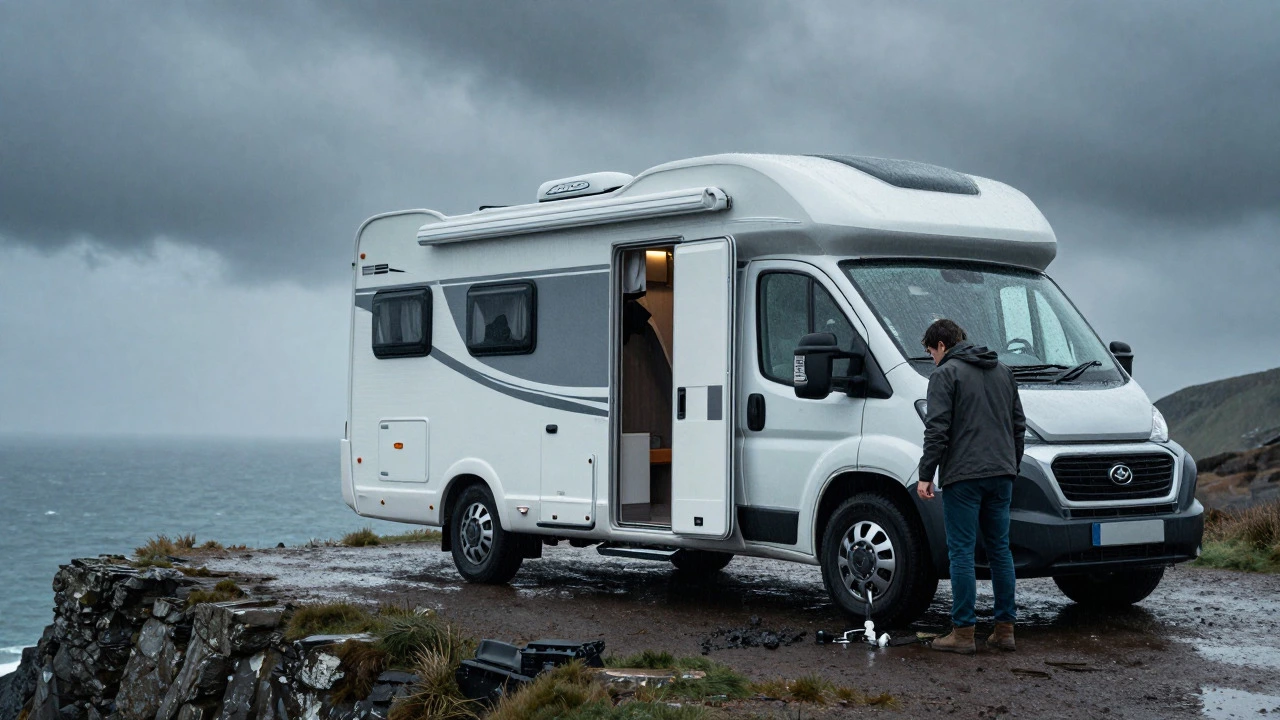
Picture this: you’re parked on a cliff edge in Cornwall, the sun is setting, and you have your own kitchen and bedroom right there. It sounds like a dream. But then it rains for three days straight, the toilet clogs because someone flushed a wipe they shouldn’t have, and you realize you haven’t had a proper shower in a week. Welcome to the reality of RV travel.
We’ve all seen the glossy Instagram photos of people waking up in national parks with coffee in hand. Social media sells the freedom, but it rarely shows the grease stains on the stove or the anxiety of trying to parallel park a thirty-foot vehicle in a tight campground lot. If you are considering motorhome hire or buying your first rig, you need to know the ugly side of the coin before you sign any contracts.
The Financial Hit You Didn't See Coming
People often think renting an RV is cheaper than booking a hotel plus flights. Sometimes it is. Often, it isn’t. The sticker price for a weekly rental might look reasonable, but that’s just the entry fee. Once you start adding up the ancillary costs, the bill can balloon quickly.
Fuel is the biggest silent killer. A large Class C motorhome might get you lucky at 10 miles per gallon (mpg). If you plan a road trip across the West Coast, say from San Diego to Seattle, you’re looking at nearly 1,300 miles. At current gas prices, that alone could set you back $400 to $600 just for fuel. Compare that to flying two people to those same destinations, and the math gets tricky fast.
Then there are the campsite fees. Free camping exists, sure, but if you want hookups-electricity, water, and sewer-you’re paying premium rates. In popular spots during peak season, a single night at a full-service RV park can cost $80 to $150. Add in mileage caps on rentals (often 100-150 miles per day), generator rental fees, and cleaning deposits, and your 'budget' trip starts feeling expensive.
| Cost Category | RV / Motorhome Hire | Hotel + Flight |
|---|---|---|
| Fuel / Transport | High ($400-$800+ for long trips) | Moderate (Fixed flight cost) |
| Accommodation | $80-$150/night at parks | $100-$300/night depending on location |
| Food | Lower (Cooking onboard) | Higher (Eating out more often) |
| Cleaning/Maintenance | High (Deposits, daily chores) | Low (Housekeeping included) |
| Convenience Fee | Time spent driving/parking | Minimal |
The Space Illusion: Cramped Living Conditions
Marketing brochures show spacious interiors with dinettes that convert into beds and kitchens stocked with pots and pans. In reality, an RV interior is a masterclass in compromise. Every inch is utilized, which means zero margin for error.
If you are over six feet tall, you will likely hit your head. If you are traveling with more than two adults, personal space becomes a luxury you don’t have. The bathroom is usually the size of a closet. Standing in one corner while someone else tries to brush their teeth is a common scenario. There is no separation between sleeping, eating, and bathing areas. If your partner snores, you hear it. If the fridge hums loudly, you hear it.
Storage is another nightmare. Unlike a house where you can shove things under the bed or in a garage, every item in an RV must have a designated home. If you pack too much, you lose floor space. If you don’t pack enough, you’re stuck buying essentials at overpriced convenience stores near campgrounds. The mental load of constant organization adds a layer of stress that many travelers underestimate.
Mechanical Anxiety and Maintenance Nightmares
This is perhaps the most significant con of RV ownership or even long-term rentals. An RV is not just a vehicle; it’s a tiny house on wheels. That means you have two complex systems failing simultaneously: automotive and residential.
When your car breaks down, you call a tow truck. When your RV breaks down, you might be stranded with no power, no water, and no toilet. Black tank valves clog. Fresh water pumps fail. Electrical inverters short out. In a rental scenario, you spend hours calling customer support, waiting for a technician who might be days away, or trying to fix a leaky faucet yourself with duct tape and hope.
Even if nothing breaks, the maintenance burden is real. You need to monitor battery levels, check tire pressure (which affects handling significantly), and ensure the black waste tank doesn’t overflow. One mistake-like forgetting to open the valve before dumping-can result in a messy, smelly disaster that ruins your mood for the rest of the trip.

Parking and Navigation Headaches
Driving an RV requires a different skill set than driving a sedan. It takes longer to turn, wider lanes to merge, and more distance to stop. For new drivers, the learning curve is steep. You’ll find yourself calculating clearance heights for bridges and worrying about low-hanging tree branches.
Finding places to park is equally challenging. Not every scenic overlook has an RV pull-through. Many historic towns have narrow streets that are impassable for wide vehicles. You often have to drive past the destination to find a parking spot further away, then walk back. This limits spontaneity. You can’t just decide to explore a charming European-style village in the afternoon if your rig won’t fit in the alleys.
In urban areas, finding overnight parking is nearly impossible without paying for a dedicated lot. Apps exist to help, but they’re not foolproof. You might arrive at a supposed 'free parking' spot only to find it’s reserved for locals or patrolled by security guards.
The Weather Factor: No Escape from Elements
An RV offers protection from light rain, but it’s not a fortress. High winds can make large rigs unstable, forcing you to leave a site prematurely. Extreme heat turns the vehicle into an oven unless you run the air conditioner constantly, which drains batteries and increases generator noise. Cold weather freezes pipes if you’re not careful with insulation and heat tapes.
If bad weather hits, you’re stuck. You can’t easily move to a hotel room if the storm knocks out your power or causes leaks. You become dependent on the integrity of your roof seals and window gaskets. A small leak can lead to mold growth inside the walls within days, a problem that’s costly and difficult to fix.
Social Isolation and Digital Disconnect
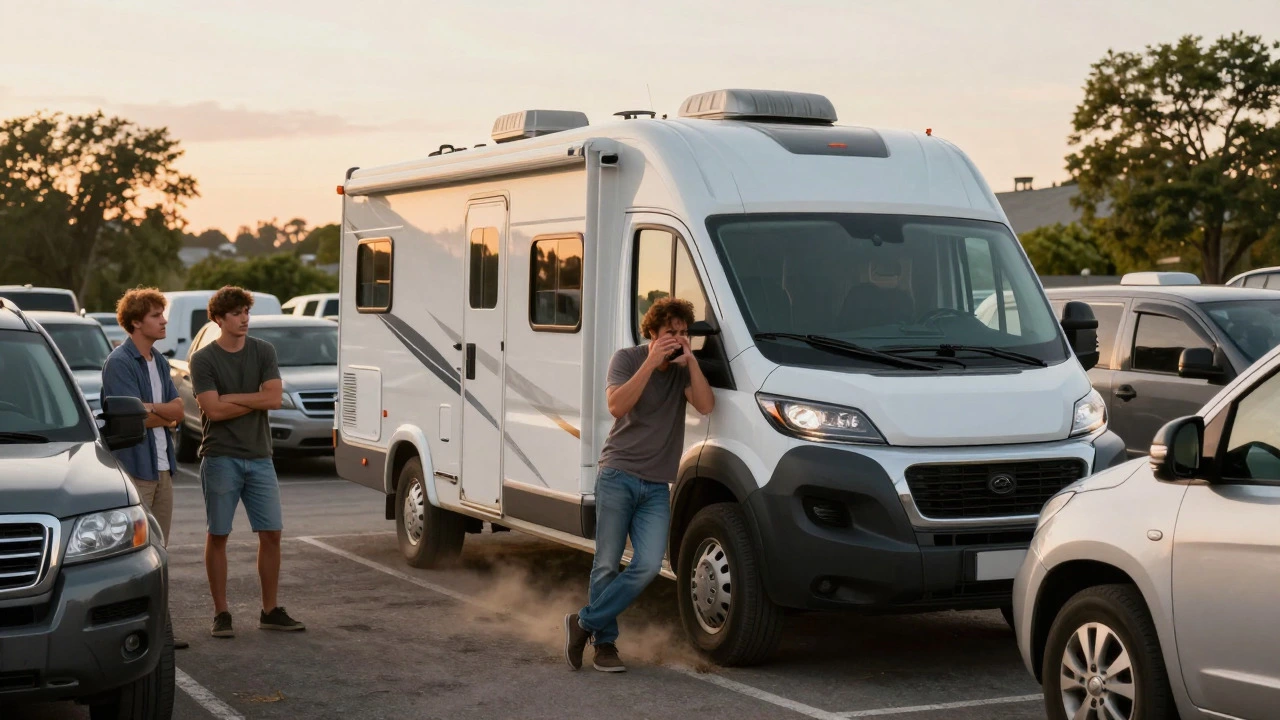
While some love the solitude, others find RV life isolating. Campgrounds can be quiet, especially outside of peak seasons. If you’re not extroverted, you might spend evenings alone watching Netflix with poor reception. Cell service is notoriously spotty in remote areas, making remote work difficult and emergency communication unreliable.
You also miss out on local experiences. Instead of walking around a city center, you’re parked on the outskirts. Instead of dining at trendy restaurants, you’re cooking boxed macaroni and cheese in a tiny galley kitchen. The convenience of having a kitchen can actually reduce your engagement with local culture.
Who Should Avoid RV Travel?
Not everyone is suited for this lifestyle. If you value comfort, reliability, and ease, an RV might frustrate you. Consider avoiding it if:
- You have mobility issues (stairs, tight spaces).
- You dislike mechanical troubleshooting.
- You prefer spontaneous, unplanned itineraries.
- You are traveling with young children who need lots of space to play.
- You are sensitive to noise, smells, or temperature fluctuations.
Final Thoughts: Weighing the Trade-offs
RV travel isn’t inherently bad. It offers unique freedoms and memories that hotels can’t match. But it demands patience, adaptability, and a tolerance for inconvenience. Before you book that motorhome hire, ask yourself: Are you ready to trade comfort for adventure? If the answer is yes, go for it-but go in with eyes wide open.
Is renting an RV cheaper than staying in hotels?
Not always. While you save on accommodation costs, you spend more on fuel, campsite fees, and groceries. For short trips or groups of four or more, it can be cost-effective. For couples or solo travelers, hotels or Airbnb often come out cheaper when factoring in hidden RV expenses.
What are the biggest maintenance issues with RVs?
Common problems include black tank clogs, electrical failures, tire blowouts due to weight distribution, and water leaks from roof seams. Regular maintenance checks are crucial to prevent minor issues from becoming major breakdowns.
Can I live in an RV full-time?
Yes, but it requires significant planning. You need reliable internet access, legal parking solutions, and a strategy for handling waste disposal and laundry. Full-time RV living involves higher ongoing costs and less privacy compared to traditional housing.
How difficult is it to drive an RV?
It’s manageable with practice but challenging for beginners. Key difficulties include judging width and length, navigating tight turns, and stopping distances. Taking a professional driving course before your trip is highly recommended.
Are there good alternatives to RV travel?
Yes. Glamping sites offer outdoor experiences without the maintenance hassle. Cabin rentals provide rustic charm with modern amenities. House-sitting allows free stays in homes. Each option reduces the logistical burden associated with motorhomes.