Dog Water Safety Checker
Select the type of bottled water you have to see if it's safe for your pup.
Select a water type to see the safety details.
Please select a water category above to begin the safety check.
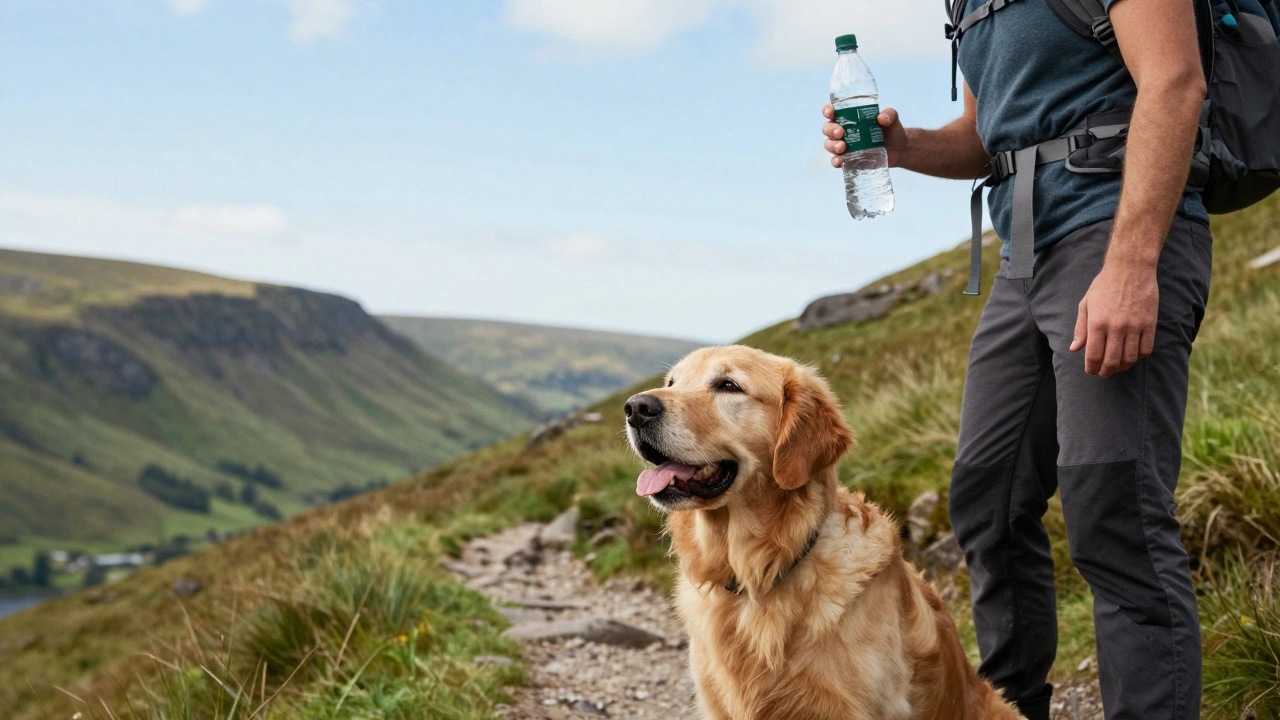
You're halfway through a hiking trail at a dog-friendly campsite, your water bottle is empty, and your pup is panting. You've got a fresh bottle of mineral water in your bag, but you hesitate. Is that fancy, filtered, or mineral-enhanced water actually okay for a dog's system? The short answer is yes, but the real question is whether it's the bottled water for dogs that's the issue, or the specific additives and the plastic it comes in.
Quick Guide: Bottled Water and Your Dog
- Purified/Distilled: Perfectly safe and often the best choice in areas with contaminated tap water.
- Mineral Water: Generally safe, but high sodium levels in some brands can be tricky for dogs with kidney issues.
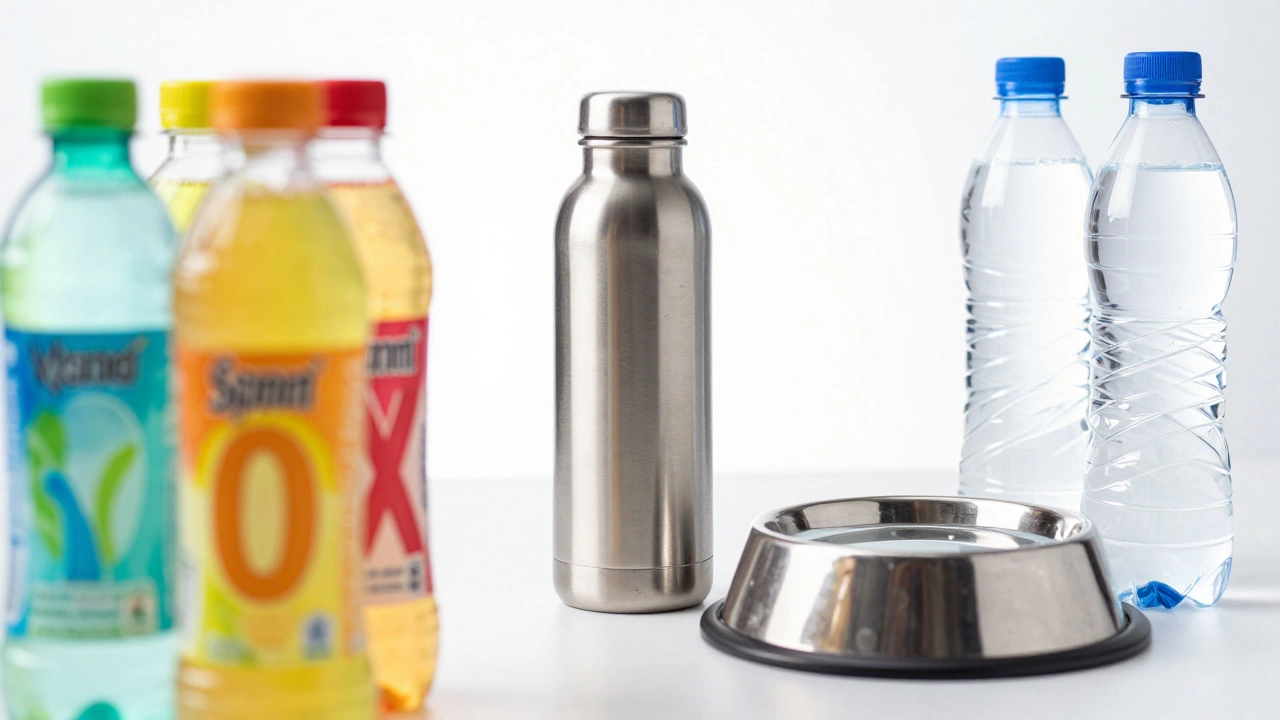
- Flavored/Vitamin Waters: Absolute no-go. Xylitol or artificial sweeteners can be lethal.
- Plastic Leaching: Long-term use of cheap PET bottles in hot sun can introduce chemicals.
Breaking Down the Types of Bottled Water
Not all water in a plastic bottle is created equal. When you're out in the wild, you'll likely encounter a few different varieties. First, let's look at Purified Water is water that has been processed to remove impurities and chemicals through filtration or reverse osmosis. This is basically the gold standard for camping. It's clean, tasteless, and won't upset your dog's stomach.
Then you have Mineral Water, which is water containing dissolved minerals like magnesium, calcium, and potassium, often sourced from underground springs. For a healthy dog, a few laps of mineral water are fine. However, if your dog has a history of kidney disease or heart failure, the higher sodium content in some "sparkling" or heavy mineral brands can put extra strain on their organs. If the label says "High Sodium," maybe keep it for yourself.
The real danger comes from "enhanced" waters. You've seen them-the ones with added electrolytes, vitamins, or a hint of lime. Many of these contain additives that are fine for humans but toxic to canines. Some use artificial sweeteners like Xylitol, a sugar substitute that causes a massive insulin release in dogs, leading to liver failure and hypoglycemia. Always read the fine print before letting your dog lap up a "wellness" water.
The Plastic Problem: BPA and Heat
It's not just what's inside the bottle, but what the bottle is made of. Most cheap bottled water comes in PET (Polyethylene Terephthalate) plastic. While generally safe for a one-time use, these bottles react poorly to heat. If you leave a pack of water in a hot car or under the direct sun at a campsite, the plastic can leach chemicals like BPA (Bisphenol A) into the water.
BPA is an endocrine disruptor. While a single drink won't cause immediate illness, chronic exposure can mess with a dog's hormonal balance. If you're spending a week camping, avoid reusing the same thin plastic bottle. Instead, switch to a stainless steel or glass container. It keeps the water cooler and prevents chemical contamination.
| Water Type | Safety Level | Primary Risk | Recommendation |
|---|---|---|---|
| Distilled/Purified | High | None | Best for all dogs |
| Spring/Mineral | Medium-High | High Sodium | Safe for healthy dogs |
| Flavored/Vitamin | Low/Dangerous | Xylitol/Additives | Avoid entirely |
| Seltzer/Carbonated | Medium | Gas/Bloat | Give in very small amounts |
Hydration Hazards at the Campsite
When you're staying at dog-friendly campsites, the temptation to let your dog drink from a nearby stream or lake is high. While it looks refreshing, wild water is often a cocktail of Giardia and a parasitic organism that causes severe diarrhea and vomiting in dogs. This is why having your own supply of bottled or filtered water is a lifesaver.
If you run out of bottled water, don't just scoop from the creek. Use a Water Filter-like a portable straw filter or a pump system-that can remove protozoa and bacteria. Many campers make the mistake of thinking "clear water is clean water," but the most dangerous parasites are invisible to the naked eye.
Another thing to watch for is the "bloat" factor. If you give your dog carbonated bottled water (seltzer), the gas can lead to discomfort. In extreme cases, gulping large amounts of air and gas can contribute to gastric torsion, though this is more common with food and rapid eating than with a few sips of sparkling water. Stick to still water to be safe.
Practical Tips for Pet Hydration on the Road
Managing water for a dog during a trip requires a bit of planning. You can't just rely on the campsite's communal tap, which might be treated with heavy levels of chlorine or contain minerals that disagree with your dog's stomach. Here's how to do it right:
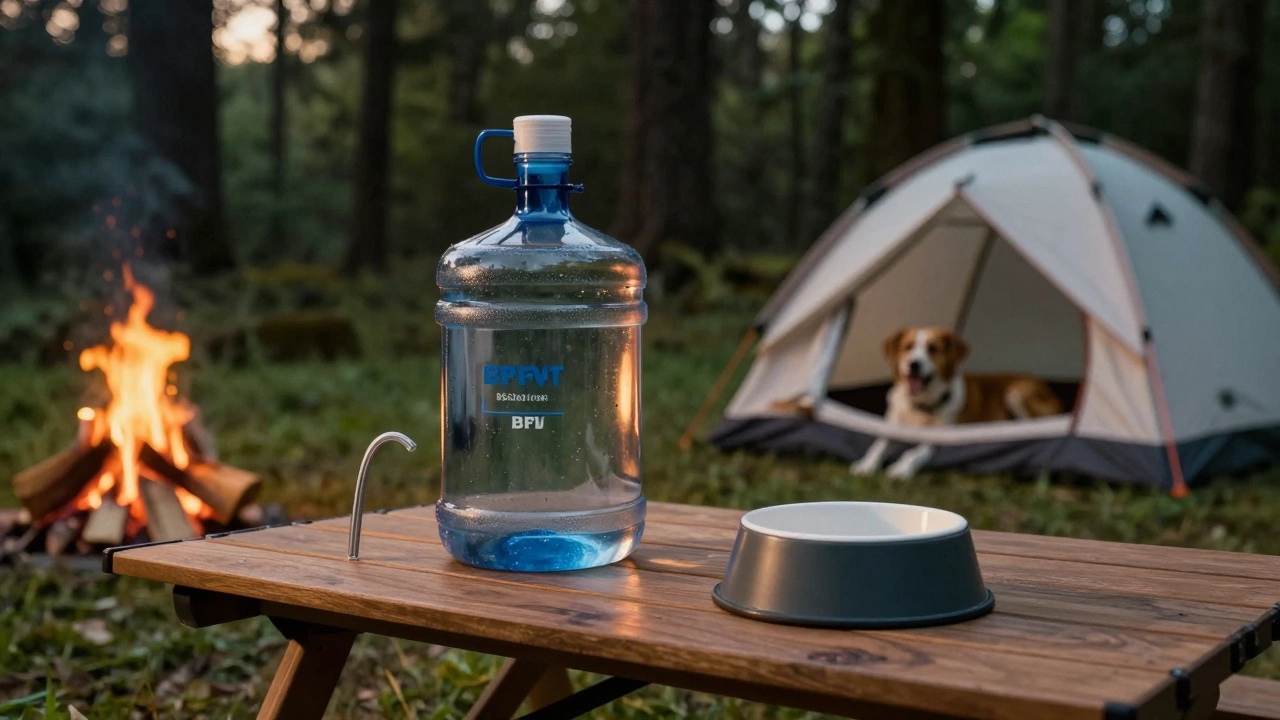
- The Two-Bottle System: Carry one large gallon jug of purified water for the dog and a separate smaller bottle for yourself. This prevents you from accidentally giving them a "vitamin water" you bought for a quick energy boost.
- Temperature Control: Use insulated flasks. Dogs can overheat quickly, and lukewarm water from a plastic bottle isn't as refreshing or effective at cooling them down.
- Scheduled Water Breaks: Don't wait for your dog to be panting heavily. Offer small amounts of bottled water every 30-60 minutes during hikes. Gulping a huge amount of water at once after a long run can actually lead to water intoxication or vomiting.
- Freshness Check: If you're reusing a bottle, wash it daily. Bacteria from your dog's saliva can build up in the rim of the bottle, creating a slimy biofilm that can make them sick.
Common Pitfalls to Avoid
I've seen many pet owners make the mistake of thinking that "natural" spring water is always better. In some regions, spring water can have naturally occurring arsenic or high levels of fluoride. While usually not enough to cause an acute crisis, it's something to be mindful of if you're sourcing water from unregulated wilderness springs rather than a commercial brand.
Another pitfall is ignoring the signs of dehydration. If your dog's gums feel tacky or dry, or if their skin doesn't "snap back" quickly when you pinch the scruff of their neck, they need water immediately. In these moments, any safe bottled water is better than nothing, but avoid letting them bolt it down too fast.
Can dogs drink sparkling water?
Yes, in small amounts, but it's not ideal. The carbonation can cause gas and bloating in some dogs. It doesn't provide any hydration benefit over still water, so there's no reason to make it their primary source of hydration.
Is distilled water too "pure" for dogs?
Not at all. While humans need minerals from their diet, dogs get the vast majority of their nutrients from food. Distilled water is completely safe and is often recommended for dogs with sensitive kidneys because it lacks the minerals that can lead to crystals or stones.
How much bottled water should my dog drink per day?
A general rule of thumb is about one ounce of water per pound of body weight daily. However, if you're camping and hiking in the heat, this can double. Always provide more than you think they need.
What should I do if my dog accidentally drinks vitamin water?
Check the label immediately for Xylitol or artificial sweeteners. If you see them, call your vet or an emergency animal clinic right away. If it's just a bit of extra B-vitamins or flavor, keep a close eye on them for stomach upset, but it's usually not an emergency.
Is tap water at campsites safe for dogs?
Usually, yes. However, some rural campsites use well water that may have high sulfur or iron content, which can taste bad or upset a sensitive stomach. If the water smells like rotten eggs, stick to your bottled supply.
Next Steps for Your Camping Trip
If you're planning a trip to a dog-friendly campsite soon, start by auditing your gear. Swap those single-use plastic bottles for a high-capacity BPA-free jug and a portable dog bowl. If you're heading into a wilder area, invest in a reputable water filter so you aren't hauling 20 kilos of bottled water on your back.
Also, keep a small "emergency kit" that includes a few sealed bottles of purified water specifically for your dog. In a pinch, these can be used not just for drinking, but for rinsing paws or cleaning a wound if they scrape themselves on a trail. A well-hydrated dog is a happy camper, and a little bit of planning prevents a lot of stress on the trail.