Glamping vs. Traditional Camping Finder
Not sure if you should book a rugged campsite or a luxury yurt? Answer these quick questions to find your perfect match.
Your Travel Preferences
Your Recommendation:
Why this fits you:
Quick Comparison
| Feature | Traditional Camping | Glamping |
|---|---|---|
| Accommodation | Tent/Hammock | Yurt/Cabin/Dome |
| Bedding | Sleeping Bag | Real Mattress |
| Amenities | Pit Toilet | Private Bath/Kitchen |
| Effort | High | Low |
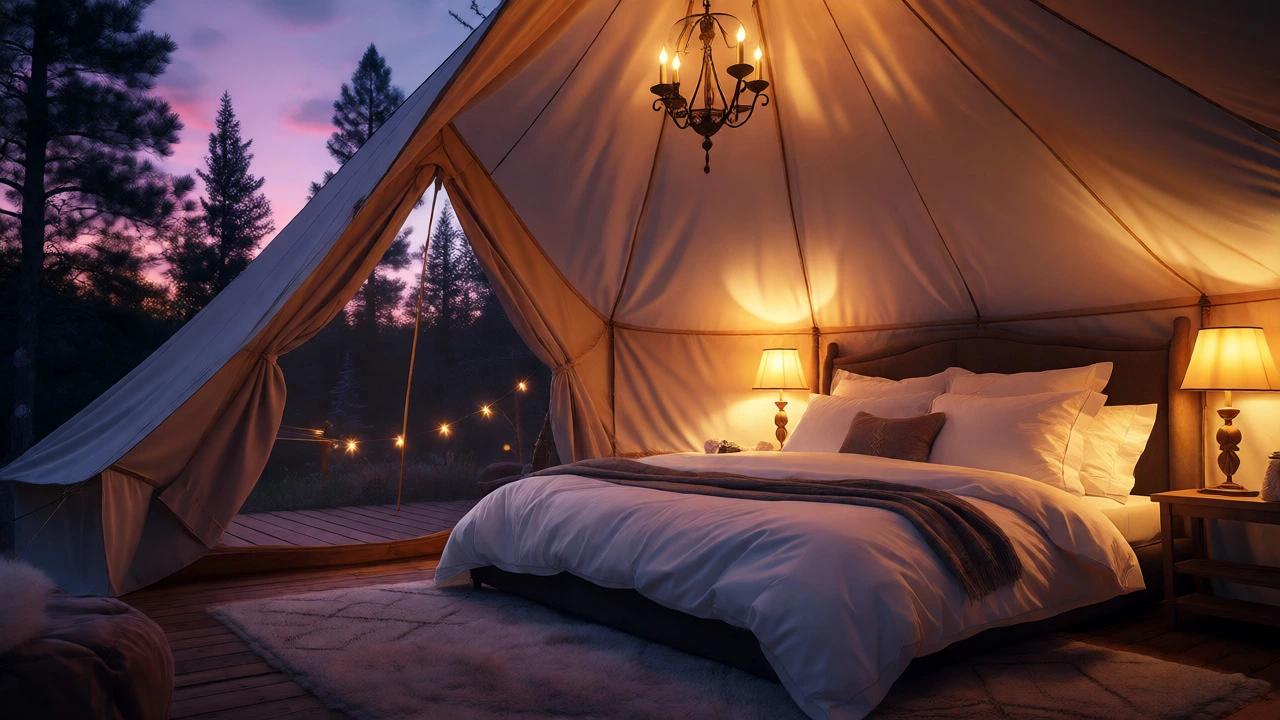
You’ve probably heard the term thrown around at festivals or seen it on Instagram feeds featuring canvas tents with chandeliers inside. But if someone asks you, "What is camping luxury called?" and you hesitate, you’re not alone. The answer is glamping. It’s a portmanteau of "glamorous" and "camping," but that simple label hides a massive shift in how we approach the outdoors. It’s not just about sleeping outside; it’s about doing so without sacrificing your back, your hygiene standards, or your Wi-Fi signal.
| Feature | Traditional Camping | Glamping (Camping Luxury) |
|---|---|---|
| Accommodation | Tent, hammock, or vehicle floor | Yurt, safari tent, treehouse, cabin, bell tent |
| Bedding | Sleeping bag and foam pad | Real mattress, linens, pillows |
| Amenities | Shared pit toilet, cold water | Private bathroom, hot showers, kitchenette |
| Effort Level | High (setup/teardown required) | Low (move-in ready) |
The Origin of the Term
The word "glamping" didn’t appear overnight. While people have been combining travel with comfort for centuries-think of the elaborate tents used by European royalty in the 16th and 17th centuries-the modern usage really took off in the early 2000s. The UK Oxford English Dictionary officially added the term in 2016, cementing its place in our vocabulary. Before that, people just called it "upscale camping" or "luxury safari." Today, if you search for glamping, a form of camping involving accommodation and facilities more luxurious than those associated with traditional camping, you’ll find everything from Mongolian-style yurts in the Irish countryside to glass igloos in Finland.
Why did this happen? Well, let’s be honest. Most people love nature but hate the discomfort of sleeping on uneven ground. They want the view of the stars without the itch of mosquito bites or the struggle of pitching a tent in the rain. Glamping bridges that gap. It allows you to enjoy the aesthetic and experiential benefits of camping while keeping the comforts of home. It’s the perfect solution for couples wanting a romantic getaway, families who don’t want to wrestle with kids in a small tent, or solo travelers seeking solitude without total isolation.
Types of Luxury Camping Accommodations
When people ask what camping luxury is called, they often assume it means one thing: a fancy tent. But the reality is far more diverse. The industry has evolved into several distinct categories, each offering a different vibe and level of immersion in nature.
- Bell Tents: These are the classic image of glamping. Made of heavy-duty canvas, they feature high ceilings and often include real furniture. They’re sturdy enough to handle wind and rain better than standard nylon tents, yet they still feel like you’re sleeping under the sky.
- Yurts: Originally from Central Asia, these circular structures are now popular worldwide. They usually have a wooden lattice frame and felt covering. Many modern yurts come equipped with wood-burning stoves, making them cozy even in winter.
- Safari Lodges: Inspired by African safaris, these are larger, more permanent structures. They might look like tents from the outside but often have solid walls, proper insulation, and en-suite bathrooms.
- Treehouses: For those who want to elevate their experience literally. Treehouse glamping sites offer privacy and unique views, often featuring decks and outdoor bathtubs.
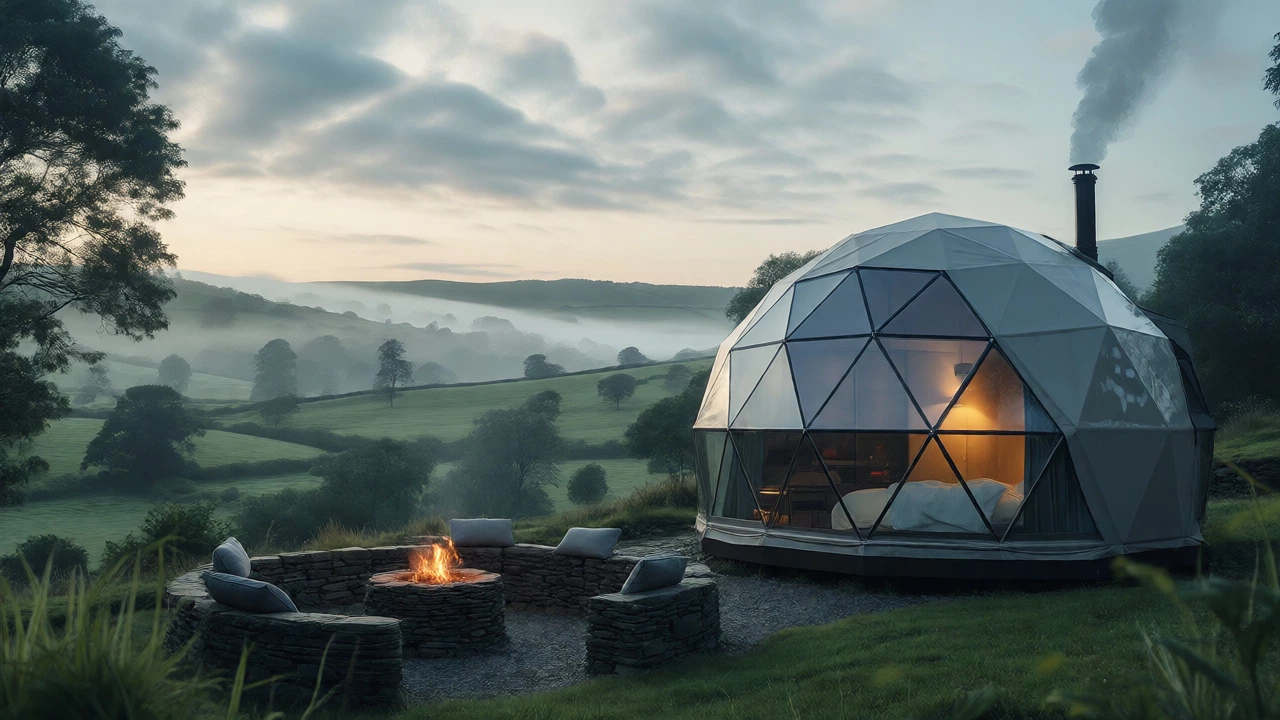
- Dome Houses: Geodesic domes provide a futuristic look and excellent structural integrity. They’re great for windy areas and often feature panoramic windows for star-gazing.
Each type serves a different purpose. If you’re looking for warmth in a cold climate, a yurt with a stove is ideal. If you want romance and privacy, a treehouse or a dome with a clear roof panel works best. Understanding these distinctions helps you choose the right spot when booking your next trip.
Key Features That Define Luxury Camping
So, what separates a regular campsite from a glamping site? It’s not just the price tag. There are specific features that define the experience. If a site lacks these, it’s probably just an expensive tent pitch, not true glamping.
First, consider the bedding. In traditional camping, you bring your own sleeping bag and hope the ground isn’t too rocky. In glamping, you expect a real bed. We’re talking memory foam mattresses, high-thread-count sheets, and multiple pillows. Some sites even offer pillow menus. This single change makes a huge difference in sleep quality, which directly impacts how much you enjoy the rest of your day.
Second, look at the amenities. A true glamping site provides access to clean, private bathrooms. You shouldn’t have to walk to a communal block in the dark. Hot running water is standard, and many sites offer toiletries, towels, and sometimes even bathrobes. Kitchenettes are another big draw. Instead of cooking over a fire, you might have a mini-fridge, a microwave, or even a full kitchen setup. This allows for gourmet meals without the hassle of packing every utensil and pan.
Third, think about the extras. Fire pits with seating, hammocks, board games, and curated local food baskets are common touches. Some sites offer concierge services, arranging guided hikes or wine tastings. These details turn a night outside into a curated vacation experience. When you book, check the listing for these specifics. If it says "tent only," read the fine print to see what’s actually included.
Why Choose Glamping Over Hotels?
You might wonder why anyone would pay hotel prices to sleep in a tent. After all, hotels have consistent standards and room service. But here’s the thing: hotels are predictable. Glamping is memorable. Staying in a yurt surrounded by forest trees creates a connection to nature that a concrete building can’t match. You hear the wind in the branches, smell the damp earth after rain, and wake up to birdsong instead of traffic noise.
Additionally, glamping sites are often located in remote or scenic areas where hotels simply don’t exist. Want to stay in the middle of a national park or on a secluded beach? Glamping operators have secured permits and built infrastructure in places where large resorts couldn’t fit. This gives you exclusive access to beautiful landscapes without the crowds of major tourist hubs.
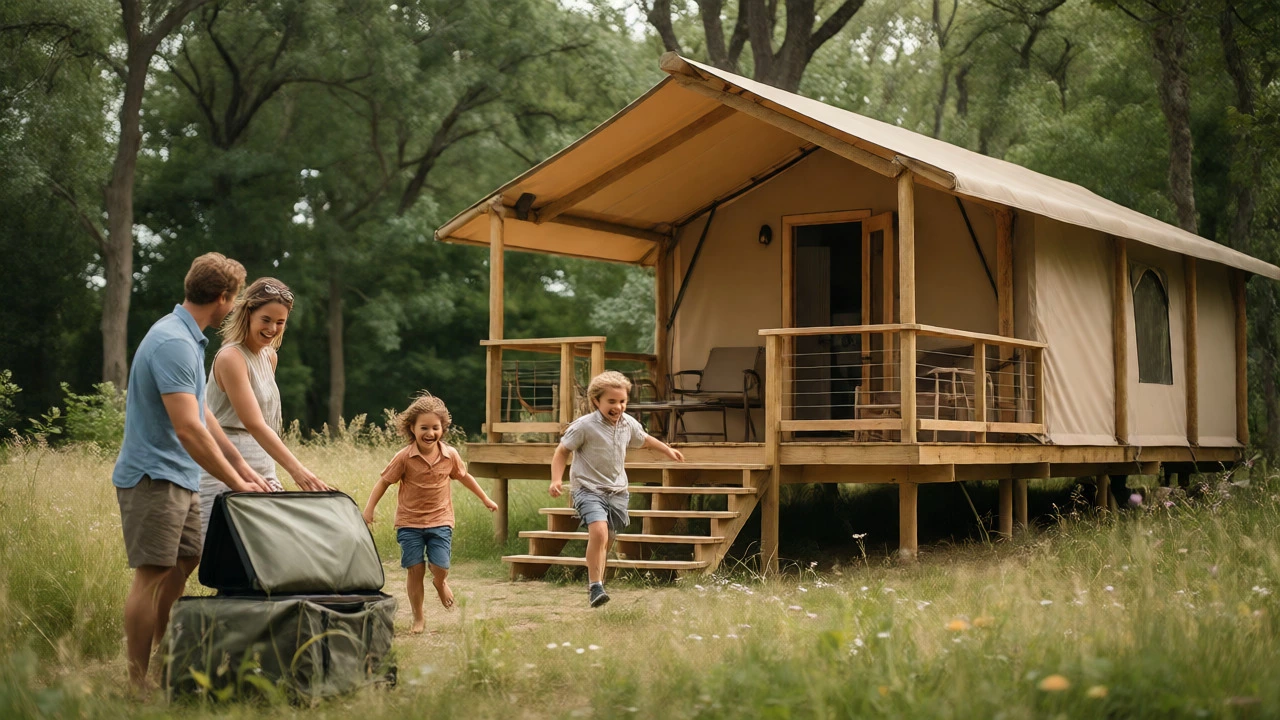
From a practical standpoint, glamping is also easier to pack for. Since the accommodation comes fully furnished, you can leave behind bulky gear like tents, sleeping bags, and camping chairs. Your luggage becomes lighter, making travel less stressful. For families, this is a game-changer. No more arguments over who carries the heavy tent poles; everyone just shows up and relaxes.
How to Find the Best Luxury Campsites
Not all sites labeled "glamping" are created equal. To ensure you get the luxury experience you’re paying for, do your homework before booking. Start by reading recent reviews. Look for comments about cleanliness, staff responsiveness, and the condition of the facilities. Photos can be misleading, so prioritize user-generated content over professional marketing shots.
Check the location carefully. Is it truly secluded, or is it right next to a busy road? Does it offer activities nearby, or will you need to drive an hour to find dinner? If you’re traveling with pets, confirm pet policies, as some luxury sites have strict rules or additional fees.
Consider the seasonality. Some glamping sites are seasonal and close during winter months, while others are insulated for year-round use. If you’re planning a winter trip, verify heating options. Wood stoves are charming but require effort to maintain; electric heaters are convenient but may lack ambiance. Ask the host directly about temperature control if you’re sensitive to cold.
Finally, compare costs against alternatives. Calculate the total cost including any mandatory cleaning fees, security deposits, or activity add-ons. Sometimes, a mid-range hotel plus a nice dinner out offers better value than a basic glamping pod with no extras. Conversely, if the site includes breakfast, tours, and premium amenities, it might be cheaper than assembling those elements separately elsewhere.
Frequently Asked Questions
Is glamping just a fancy name for camping?
No, it is a distinct category. While both involve staying outdoors, glamping eliminates the labor-intensive aspects of camping such as setting up tents, carrying gear, and using shared basic facilities. It focuses on comfort and convenience, often providing hotel-like amenities in a natural setting.
What should I pack for a glamping trip?
Pack as you would for a boutique hotel stay. Bring comfortable clothes suitable for the weather, swimwear if there’s a pool or lake, and casual evening wear. You typically do not need sleeping bags, pillows, or cookware, as these are provided. However, always check the specific site’s checklist, as some rustic glamping options may still require you to bring certain basics.
Are glamping sites eco-friendly?
Many are, but it varies. Reputable glamping operators often prioritize sustainability by using solar power, composting toilets, and locally sourced materials. They aim to minimize environmental impact compared to large-scale resort construction. Look for certifications or explicit statements about green practices on their website to ensure their values align with yours.
Can I bring my dog to a glamping site?
Most glamping sites are pet-friendly because the accommodations are standalone structures rather than shared buildings. However, policies differ significantly. Some allow dogs freely, others charge a fee, and some restrict breeds or sizes. Always confirm the pet policy before booking to avoid surprises upon arrival.
Is glamping suitable for children?
Yes, it is highly suitable. Children often enjoy the novelty of sleeping in a yurt or treehouse, and parents appreciate the safety and comfort. With real beds and private bathrooms, kids can sleep well and use the toilet easily. Many sites also provide family-friendly activities like scavenger hunts or nature trails.