UK Campsite Booking Deadline Calculator
Plan Your Booking
Find out how far in advance you need to book based on your travel dates and location type
Planning a camping trip in the UK? You’re not alone. Every year, over 12 million people head out to pitch a tent, park a motorhome, or sleep under the stars. But here’s the thing: booking campsites in the UK isn’t just a good idea-it’s often the only way you’ll get a spot at all.
Why Booking Isn’t Optional Anymore
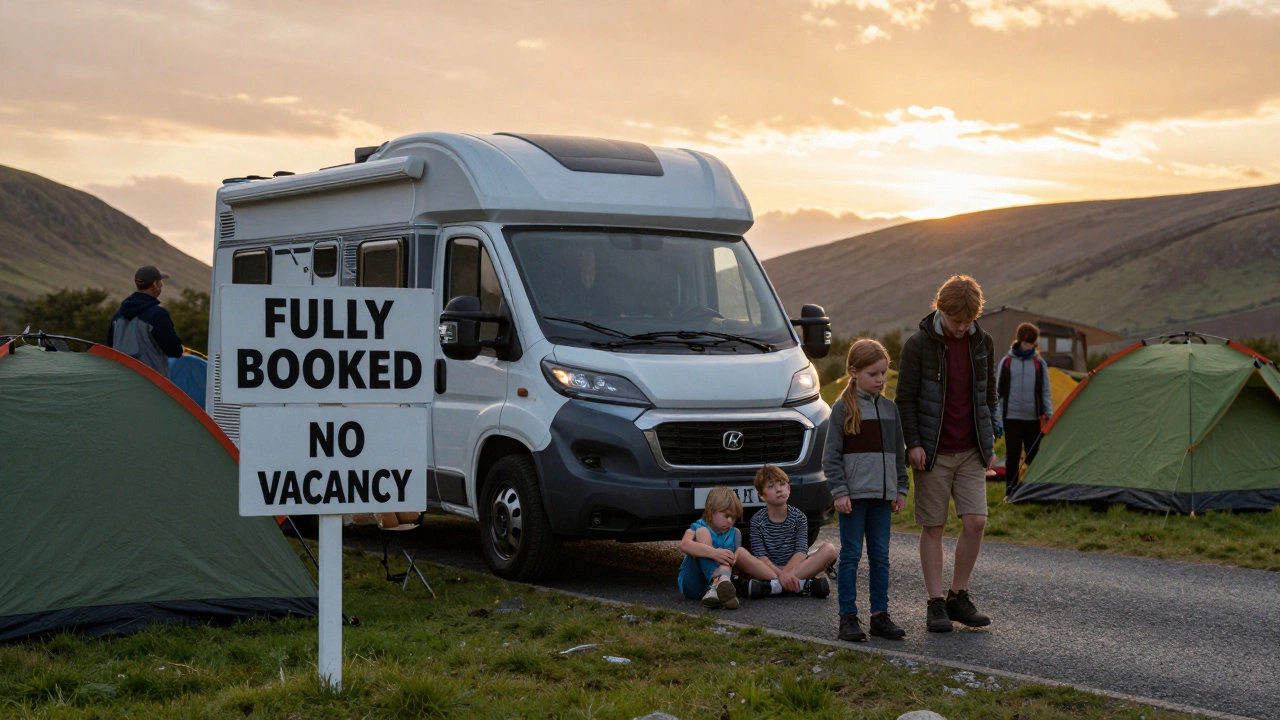
A decade ago, you could show up at a popular campsite on a Friday evening, find an empty patch of grass, and call it a night. That’s not the case anymore. Demand has skyrocketed. In 2025, over 85% of UK campsites reported being fully booked during peak season (May to September). National parks like the Lake District, Snowdonia, and the Peak District now require advance reservations for every pitch. Even some private sites that used to welcome walk-ins now have strict booking policies.Why? Crowding. Over-tourism. And a simple truth: there aren’t enough spaces to go around. Sites that used to have 50 pitches now often have 100+-and they’re all snapped up months in advance. If you show up without a reservation, you’re not just risking disappointment-you’re risking driving miles out of your way, spending hours on the phone, or sleeping in your car.
When You Can Skip Booking (And When You Can’t)
There are exceptions. Not every campsite requires a reservation. But knowing the difference matters.- Book ahead: All National Trust, National Park, and major commercial sites (like Haven, Pitchup.com, and Pitchup.com partners). Also, sites near popular attractions-Lake Windermere, Cornwall beaches, the Scottish Highlands. If it’s got reviews, it’s probably booked.
- Walk-in possible: Small, independent sites in rural areas. Some farms, B&Bs with a spare field, or sites run by local councils. But even these are rare now. Always call ahead. Don’t assume.
- Wild camping: In Scotland, it’s legal (with responsibility). In England and Wales, it’s mostly illegal unless you have landowner permission. Don’t confuse wild camping with unbooked campsites. They’re not the same.
Here’s a real example: A family from Manchester tried to camp near the Yorkshire Dales in July 2025. They drove three hours, only to find the nearest site fully booked. They ended up sleeping in their van at a service station. That’s not camping. That’s a backup plan.
How Far in Advance Should You Book?
Timing matters. It’s not just about booking-it’s about booking early enough.- Peak season (June-August): Book at least 3-6 months ahead. Popular sites like Butlins Bognor or Haynes Park fill up by January.
- Shoulder seasons (April-May, September-October): 1-3 months is usually enough. But don’t wait until the last minute. Weather can shift demand.
- Off-season (November-March): Many sites close. Those that stay open often take walk-ins. Still, call first. Some operate on a first-come, first-served basis.
Book too late? You’ll end up with the worst spots: next to the toilet block, under a tree with no sun, or right beside a noisy group. Booking early gets you choice. Choice means comfort.
Where to Book: The Real Options
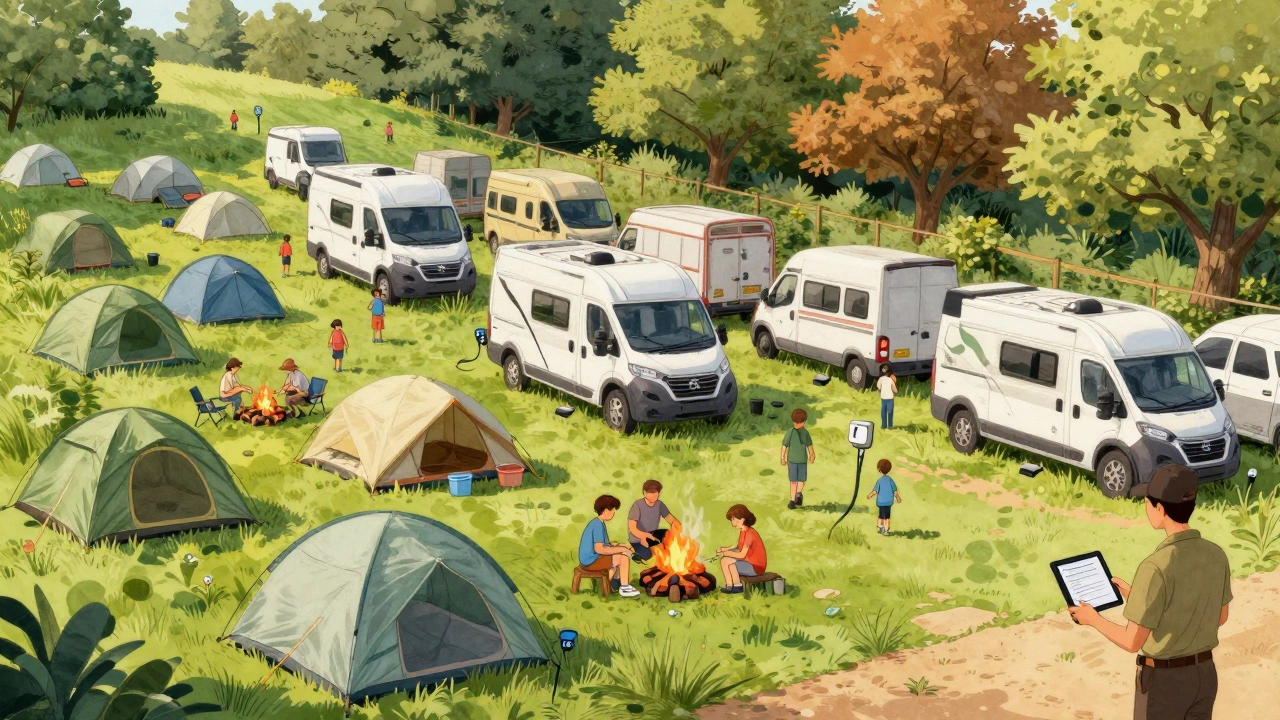
Not all booking platforms are created equal. Here’s what actually works in 2026:- Pitchup.com: The largest UK-wide network. Covers 1,800+ sites. Easy filters for dog-friendly, electric hookups, and family areas.
- National Trust: For historic sites with stunning views. Book through their website. Spots are limited and often sell out fast.
- CampsiteDirect.com: Focused on independent, smaller sites. Less corporate, more local charm.
- Direct from the campsite: Some places still take bookings only by phone. If you find a site you like, check their website. If they don’t list online booking, call them. You’ll often get better rates and real-time availability.
Avoid third-party resellers. Many sites now ban them. You might end up paying extra, or worse-showing up to find your booking isn’t valid.
What Happens If You Don’t Book?
You might think, “I’ll just wing it.” But the reality is harsher than you expect.- 87% of campers who didn’t book in 2025 had to drive 50+ miles to find space. That’s not a detour. That’s a whole extra day of travel.
- 32% slept in their cars. Not because they wanted to, but because they had no other option.
- 1 in 5 were turned away at the gate. Even if they had a tent, sleeping bags, and a map.
And don’t forget the hidden costs: fuel, stress, time lost, ruined plans. Booking costs £5-£15 online. That’s cheaper than a tank of petrol.
Pro Tips for Booking Success
Want to make sure you get the spot you want? Here’s how:- Set alerts: Use Pitchup.com’s notification system. When a site opens up, you’ll get a text.
- Be flexible: If your first choice is gone, look 10 miles away. Often, smaller sites have availability.
- Book midweek: Sunday-Thursday nights are 40% less crowded. You’ll get quieter sites and better rates.
- Check cancellation policies: Many sites now offer free cancellations up to 7 days out. That gives you breathing room.
- Don’t forget extras: Some sites charge extra for electric hookups, fire pits, or dog fees. Read the fine print.
What About Wild Camping?
Let’s clear this up. Wild camping isn’t a loophole. In Scotland, it’s legal under the Scottish Outdoor Access Code-as long as you’re discreet, leave no trace, and don’t stay more than 2-3 nights in one spot. In England and Wales? It’s trespassing. You can be fined. You can be asked to leave. And if you’re caught near a National Park, you’re likely to be reported.Some people swear by wild camping. But if you’re not experienced, it’s risky. No toilets. No water. No backup. And one bad night can ruin your whole trip. Stick to booked sites unless you’re prepared.
Final Reality Check
Camping in the UK is one of the best ways to experience nature. But it’s not a free-for-all anymore. The days of showing up and hoping for the best are over. If you want a good night’s sleep, a quiet spot, and the freedom to enjoy your trip-you need to book.It’s not about being rigid. It’s about being smart. Book early. Choose wisely. And don’t let the lack of planning turn your adventure into a stress test.
Do I need to book campsites in the UK if I’m using a motorhome?
Yes. Motorhome sites are even more in demand than tent pitches. Many are designed for vans and have limited spots. Popular destinations like the Lake District or Pembrokeshire Coast often require bookings 6 months in advance. Even if you think you can just park anywhere, most public car parks and lay-bys ban overnight stays. Stick to designated motorhome sites-and book ahead.
Can I book a campsite on the day of arrival?
Sometimes, but it’s risky. Only a few sites-mostly small, rural, or off-season-take walk-ins. In peak season, 9 out of 10 sites are fully booked by noon on the day. If you’re flexible and willing to drive 20-30 miles, you might find an opening. But don’t count on it. Booking in advance is the only reliable option.
Are there any free campsites in the UK?
Technically, no. All legal campsites charge a fee. Some farms or estates offer low-cost, unstaffed sites for £5-£10 a night-but they still require booking. Wild camping in Scotland is free, but it’s not a “site.” You’re not guaranteed a flat spot, water, or facilities. And in England and Wales, camping without permission is illegal. Don’t risk it.
What’s the best time of year to book UK campsites?
Book as early as January if you’re planning for summer. Sites open their calendars in December, and the best spots go fast. For shoulder seasons (April-May, September), aim for 2-3 months ahead. Even then, popular sites fill up within days. The earlier you book, the more choice you have-location, view, amenities.
Do I need to book if I’m camping in a national park?
Absolutely. Every national park in the UK now requires reservations for all official campsites. In places like the Lake District or Snowdonia, you can’t even enter the park’s designated camping zones without a booking. Rangers check. You’ll be turned away if you don’t have proof. Always check the park’s official website before you go.