Class B Motorhome Toilet Finder
Not sure if your rental has a toilet? Or which type you need? Answer these questions to get a personalized recommendation.
Fill out the form and click "Get Recommendation" to see which toilet type fits your needs best.
You’ve booked the van. You’re excited about the freedom of the open road, the compact size that fits in city parking spots, and the sleek look of a Class B motorhome is a camper van built on a cutaway or standard chassis, offering a balance between driving ease and living space. But then the panic sets in at 2 AM: where do you go when nature calls?
The short answer is: it depends entirely on the specific model and build. Unlike larger Class C or Class A RVs, which almost always include a bathroom suite as standard, Class B vans are a mixed bag. Some have fully functional toilets; others rely on clever workarounds or external facilities. If you’re renting one, assuming there’s a toilet inside is a risky bet. Let’s break down exactly what to expect so you don’t end up doing the "happy dance" outside your van in the rain.
The Reality Check: Not All Class Bs Are Created Equal
When you search for Class B motorhomes, you’re looking at a category defined by its base vehicle-usually a Mercedes-Benz Sprinter, Ford Transit, or Ram ProMaster. The interior layout is custom-built by various conversion companies, meaning no two vans are identical.
Some high-end conversions prioritize luxury amenities, including a dedicated bathroom. Others focus on maximizing sleeping and storage space, sacrificing the bathroom entirely. For renters, this variance is the biggest source of confusion. A listing might say "fully equipped," but that could mean a kitchenette and bed, with zero plumbing for a toilet.
Here is how the options generally stack up:
| Option Type | Description | Pros | Cons |
|---|---|---|---|
| Dry Bath | A separate room with a toilet and shower, often with a curtain or solid door. | Privacy, comfort, keeps water off the floor. | Takes up significant square footage; rare in small vans. |
| Wet Bath | A single compartment containing the toilet, sink, and shower. Everything gets wet during use. | Space-efficient; provides full functionality in a tiny footprint. | Messy; hard to clean; privacy issues if traveling with others. |
| Cassette Toilet | A portable toilet with a removable waste tank (cassette) accessed from outside. | No complex plumbing needed; easy to empty at campsites. | Requires manual handling of waste tanks; limited capacity. |
| Portable Potty | A standalone plastic unit (e.g., Porta Potti) kept under the bed or in a closet. | Cheap; flexible; can be removed for cleaning. | Lacks integration; looks utilitarian; needs frequent emptying. |
| No Onboard Toilet | No internal sanitation system; relies on campsite facilities or public restrooms. | Maximizes living space; lower rental cost. | Inconvenient for overnight stops without hookups; weather-dependent. |
Understanding Wet Baths vs. Dry Baths
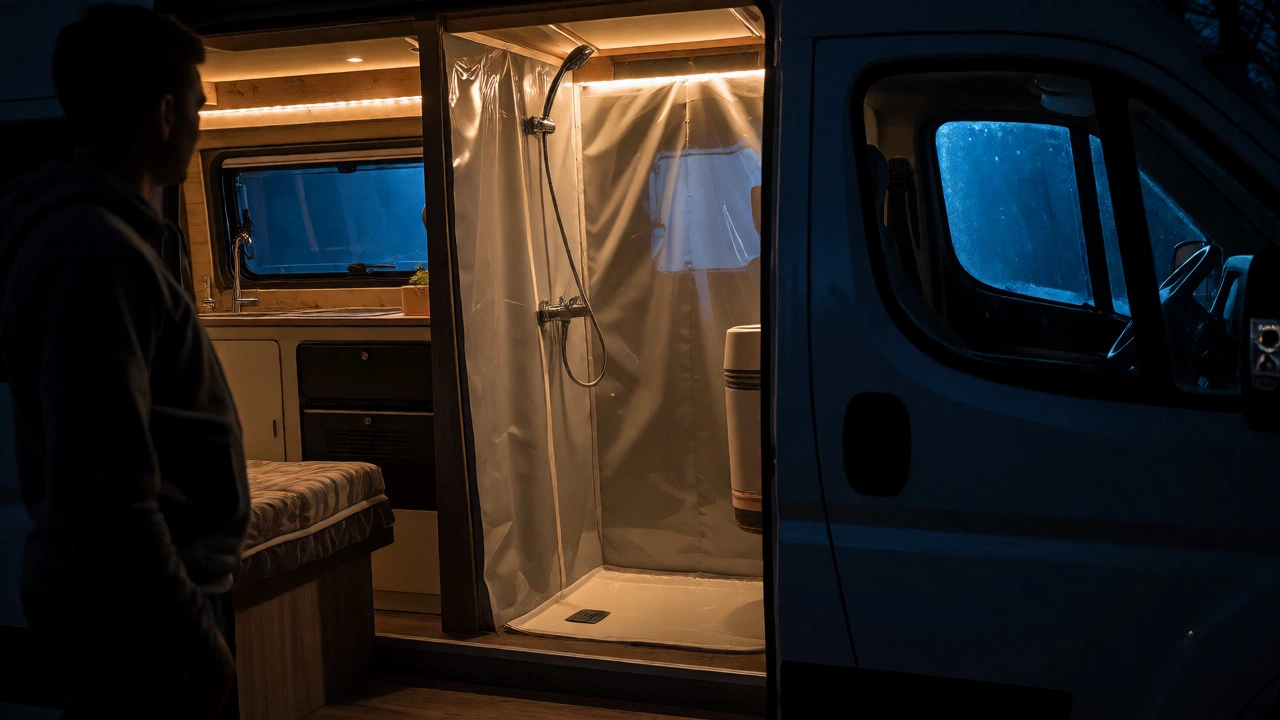
If your rental does have a built-in bathroom, it will likely be a wet bath. This is the most common solution in compact vans because it saves space. Imagine a small closet-sized room. Inside, you’ll find a toilet, a small sink, and a shower head. When you turn on the shower, the entire room gets wet. There is no separate tub or stall.
Is it comfortable? Honestly, not really. It’s cramped. If you’re over six feet tall, you might feel like you’re performing yoga poses just to wash your hair. The walls are usually lined with waterproof vinyl or fiberglass, but splashing is inevitable. You’ll need to squeegee the walls after every shower to prevent mold buildup-a chore many first-time renters forget until day three.
Dry baths are the unicorn of the Class B world. They exist, mostly in longer wheelbase vans (like the Sprinter 170-inch models), but they eat up valuable real estate. In a 20-foot van, carving out a private room for a toilet means losing counter space or wardrobe storage. Unless you specifically request a "dry bath" model, assume you’re getting a wet bath.
The Cassette Toilet: The European Standard
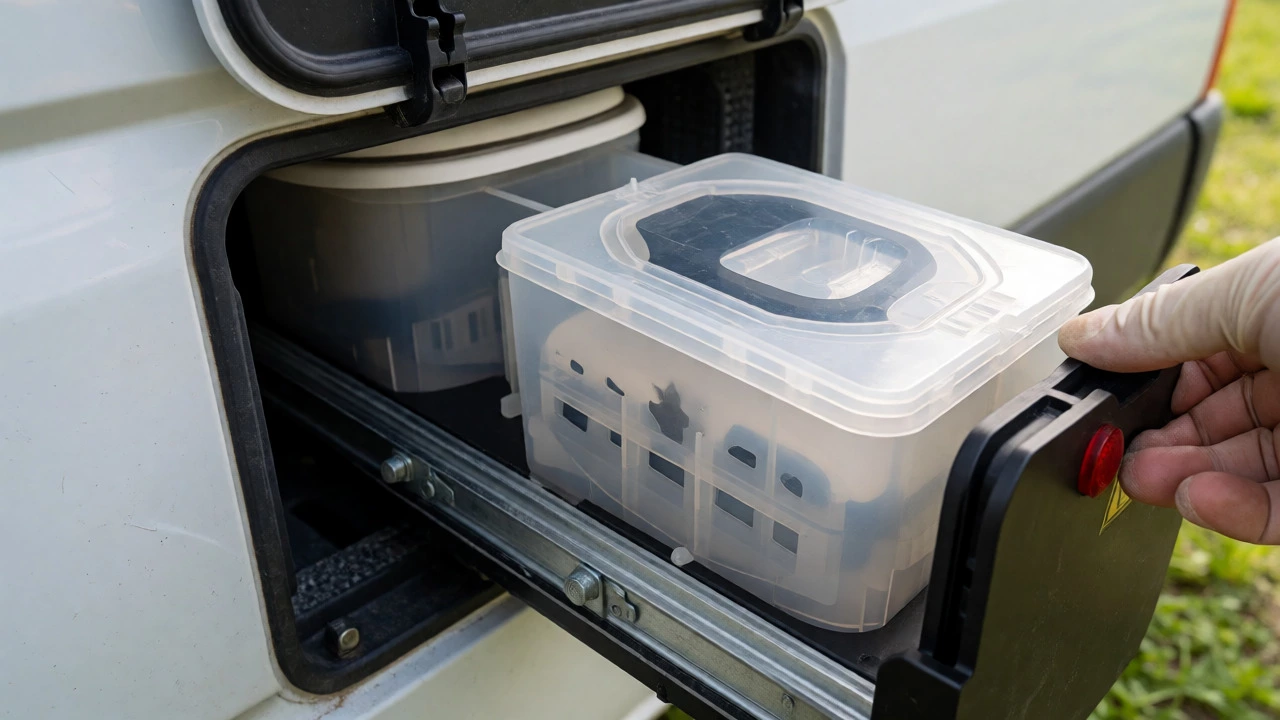
In Ireland and much of Europe, the cassette toilet is a self-contained toilet unit with a detachable waste holding tank that slides out through an exterior hatch. Brands like Thetford dominate this market. These are incredibly popular in rented vans because they don’t require a black water tank underneath the chassis, which simplifies the build and reduces weight.
How does it work? The toilet bowl sits inside the van, connected to a sealed cassette tank located behind an external door. When the tank is full (usually indicated by a sensor or a smell warning light), you pull the cassette out through the side of the van, carry it to a designated dump station or chemical toilet point at a campsite, and empty it. Then you rinse it, add fresh water and blue deodorizing fluid, and slide it back in.
This system is practical but requires respect. You must handle the waste tank manually. If you’re squeamish about touching anything related to human waste, this might not be for you. Also, these cassettes typically hold around 18-21 liters. For two people using it primarily for nighttime emergencies, that lasts a few days. For heavy daytime use, you might be emptying it daily.
What If There Is No Toilet?
Many modern "camper vans" marketed as Class B don’t have any onboard sanitation at all. Instead, they rely on the infrastructure of the places you visit. This is common in urban-focused rentals or minimalist builds.
If you rent a van without a toilet, your strategy changes completely. You become dependent on:
- Campsite Facilities: Most paid campsites have clean, heated ablution blocks. This is ideal if you plan to stay in organized parks.
- Public Restrooms: Gas stations, cafes, and shopping centers. Useful in cities, but less reliable in remote rural areas.
- Nature: The classic bush toilet. Bring a trowel, biodegradable soap, and plenty of patience.
Renting a van without a toilet often comes with a lower price tag. If you’re planning weekend trips to well-equipped campsites near Dublin or Cork, skipping the onboard toilet might save you money and hassle. But if you dream of wild camping in the Connemara mountains, going toilet-free can get uncomfortable quickly.
Pro Tips for Handling Toilets in Rented Vans
Whether you have a fancy wet bath or a simple portable potty, managing the waste system is key to a happy trip. Here’s what experienced renters know:
- Use the Right Chemicals: Never use regular household bleach or harsh cleaners in a cassette or black tank. They kill the bacteria needed to break down waste and can damage seals. Use products specifically designed for RV toilets, like Aqua Kem Blue or similar enzyme-based treatments.
- Flush Sparingly: Water is precious in a van. Each flush uses several liters from your fresh water tank. Teach everyone in your group to use minimal water per flush. Some users even use a spray bottle for rinsing instead of flushing.
- Check the Level Before You Sleep: Nothing ruins a night’s sleep like realizing the tank is full at 3 AM. Make checking the level part of your evening routine.
- Know Your Dump Station Locations: Apps like Park4Night or Campercontact show locations of chemical toilet points and dump stations across Ireland and the UK. Download them offline before you leave.
- Ventilation is Vital: Smells can linger in small spaces. Keep the vent valve open when parked to allow gases to escape. Use air fresheners sparingly-they mask odors but don’t fix the underlying issue if the seal is bad.

Deciding What You Need: A Quick Checklist
Before you book, ask yourself these questions to determine if you need a toilet in your Class B rental:
- Who is traveling? Couples or solo travelers can manage with fewer facilities. Families with young children or elderly passengers will strongly prefer an onboard toilet for accessibility and convenience.
- Where are you staying? If you’re booking sites with hookups and showers, an onboard toilet is a nice-to-have, not a need. If you’re wild camping, it becomes essential.
- How long is the trip? Weekend trips are manageable without a toilet. Week-long tours usually warrant the extra comfort of having one onboard.
- What is your tolerance for mess? Wet baths are messy. Cassette toilets require manual handling. If you hate chores, consider paying extra for a model with a macerator pump (which pumps waste to a larger tank) or sticking to campsite-heavy itineraries.
Frequently Asked Questions
Do all Class B motorhomes have showers?
No. Many compact Class B vans omit showers entirely to save space and weight. If a shower is important to you, confirm it explicitly in the rental listing. Often, vans with showers also have toilets, but not always. Some offer outdoor shower attachments instead.
Can I pee in the sea or lake directly from the van?
Yes, but only if you have a portable potty or a cassette toilet that you can remove. You cannot discharge a fixed black water tank into natural water bodies. Always follow local regulations regarding waste disposal. In Ireland, dumping raw sewage into lakes or rivers is strictly prohibited.
How often do I need to empty the cassette toilet?
For a standard 18-liter cassette used by two people, expect to empty it every 2-3 days. If you are the only user, it might last 5-7 days. Always check the indicator gauge, but trust your nose too-odors are a reliable sign the tank is nearing capacity.
Is it difficult to use a wet bath?
It takes some getting used to. The main challenge is keeping the toilet area dry while showering. Many users install a magnetic shower curtain or a folding screen to contain splashes. Also, ensure the floor drain is clear before showering to prevent standing water.
What happens if I run out of fresh water?
If you run out of fresh water, you cannot flush the toilet. Most systems draw flush water from the same fresh water tank used for sinks and showers. Always monitor your water levels. Carry jerry cans for topping up at taps if you are away from hookups.