California Free Camping Eligibility Checker
Generally allow dispersed camping for up to 14 days per 28-day period. No facilities provided.
Usually require entry fees and campground reservations. Dispersed camping often restricted or prohibited.
- Eastern Deserts: Joshua Tree area (outside park), Mojave Preserve
- Sierra Nevada: Inyo & Sierra National Forests, Hwy 395 pull-offs
- Northern CA: Six Rivers NF (inland), Anza-Borrego primitive sites
California is expensive. Rent, food, and even a night at a developed campground can burn a hole in your pocket fast. But there’s a secret that seasoned travelers know well: you don’t have to pay for a place to sleep under the stars. The Golden State offers vast stretches of public land where free camping isn’t just tolerated-it’s the norm. The catch? You need to know exactly where to go and what the rules are. One wrong turn or one unlit fire can lead to hefty fines.
Most people think "camping" means booking a site with a hook-up, a flush toilet, and a host who checks your registration. That’s RV parks and state parks. What we’re talking about here is different. It’s called dispersed camping, also known as wild camping or boondocking. This is camping on public land without facilities. No water spigots. No trash cans. Just you, your tent or van, and the wilderness. If done correctly, it’s legal, safe, and incredibly rewarding.
The Big Three: Where Free Camping is Legal
You can’t just park anywhere. Private property is off-limits unless you have permission. State Parks usually require fees. National Parks often charge entry fees and campsite rates. So, where do you go? There are three main agencies that manage land in California where free camping is generally permitted, provided you follow specific guidelines.
Bureau of Land Management (BLM) lands are your best friend. The BLM manages millions of acres in California, particularly in the eastern desert regions like the Mojave, the Colorado Desert, and parts of the Sierra Nevada foothills. On most BLM land, dispersed camping is allowed for up to 14 days within a 28-day period. You can set up almost anywhere, as long as you’re not damaging the environment or blocking access.
U.S. Forest Service (USFS) lands offer a slightly different experience. These forests cover much of the mountainous west, including the Sierra Nevada, the Cascades, and the Klamath Mountains. Dispersed camping is allowed in designated areas. Unlike the BLM, the USFS often has more specific zones marked for camping to protect sensitive ecosystems. You’ll find these spots along forest service roads, often marked by signs saying "Dispersed Camping Allowed."
National Forests are managed by the USFS but operate under their own specific rules. For example, the Sierra National Forest allows dispersed camping outside of designated campgrounds, while the Sequoia National Forest may have stricter seasonal closures due to bear activity or fire risk. Always check the local ranger district website before heading out.
| Agency | Typical Stay Limit | Fees | Facilities | Best For |
|---|---|---|---|---|
| Bureau of Land Management (BLM) | 14 days per 28 days | None | None (sometimes vault toilets) | Desert landscapes, solitude, off-grid living |
| U.S. Forest Service (USFS) | 14 days per 28 days | None | None (sometimes pit toilets) | Forests, mountains, cooler climates |
| National Parks | Varies (often 7 days) | Entry fee + Campground fee | Full amenities | Iconic sights, families, convenience |
| State Parks | Varies | Campground fee required | Showers, hook-ups | Beach access, hiking trails |
Top Locations for Dispersed Camping in California
Knowing *where* to go is half the battle. Here are some of the most popular and reliable spots for free camping in California, categorized by region.
The Eastern Deserts (BLM Lands)
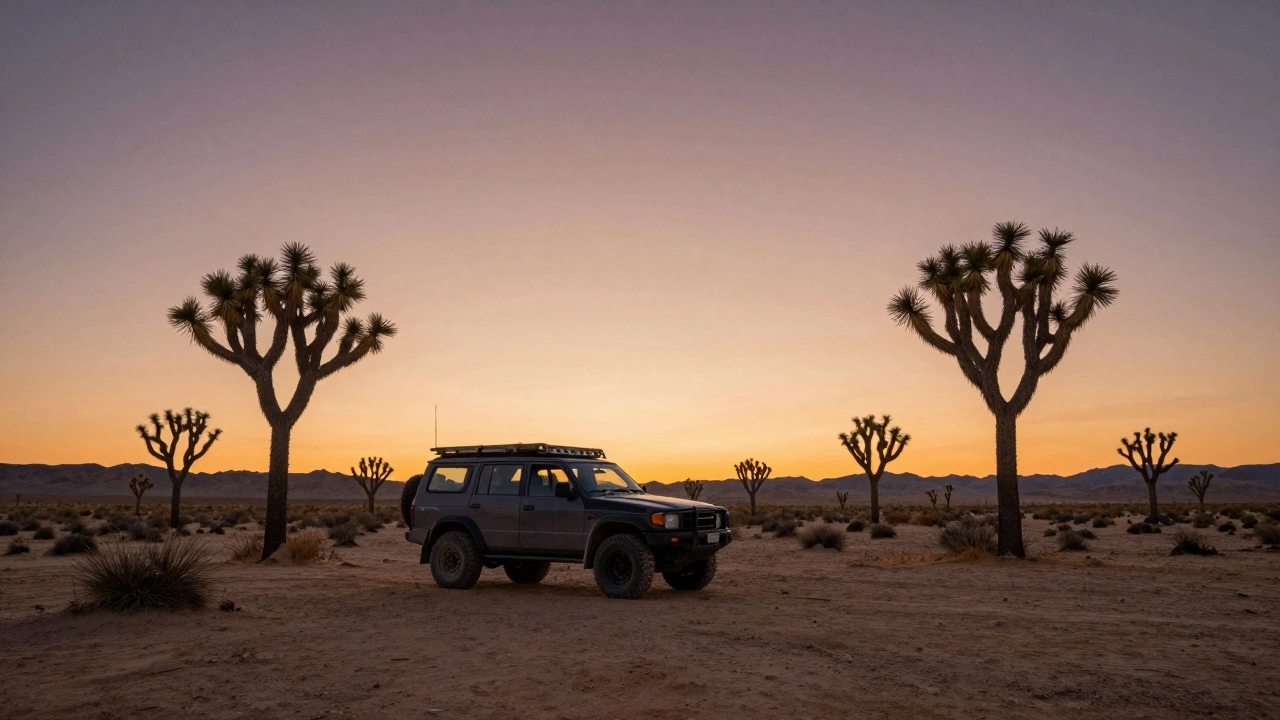
If you want wide-open spaces and incredible stargazing, head east. The area around Joshua Tree is famous, but the town itself charges fees. Instead, look for BLM land just outside the park boundaries. Areas like Chaparral Valley or Cottonwood Spring offer stunning rock formations and Joshua trees. Further north, the Mojave National Preserve allows dispersed camping in many areas, though some zones require permits due to fragile desert tortoise habitats. Always stay on established roads to avoid damaging the desert floor.
In Southern California, the Anza-Borrego Desert State Park has a unique rule: while the developed campgrounds cost money, there are numerous free primitive sites scattered throughout the park. You must register at the visitor center, but you won’t pay for the site. This is a great option if you want the safety of a state park infrastructure without the high price tag.
The Sierra Nevada (USFS Lands)
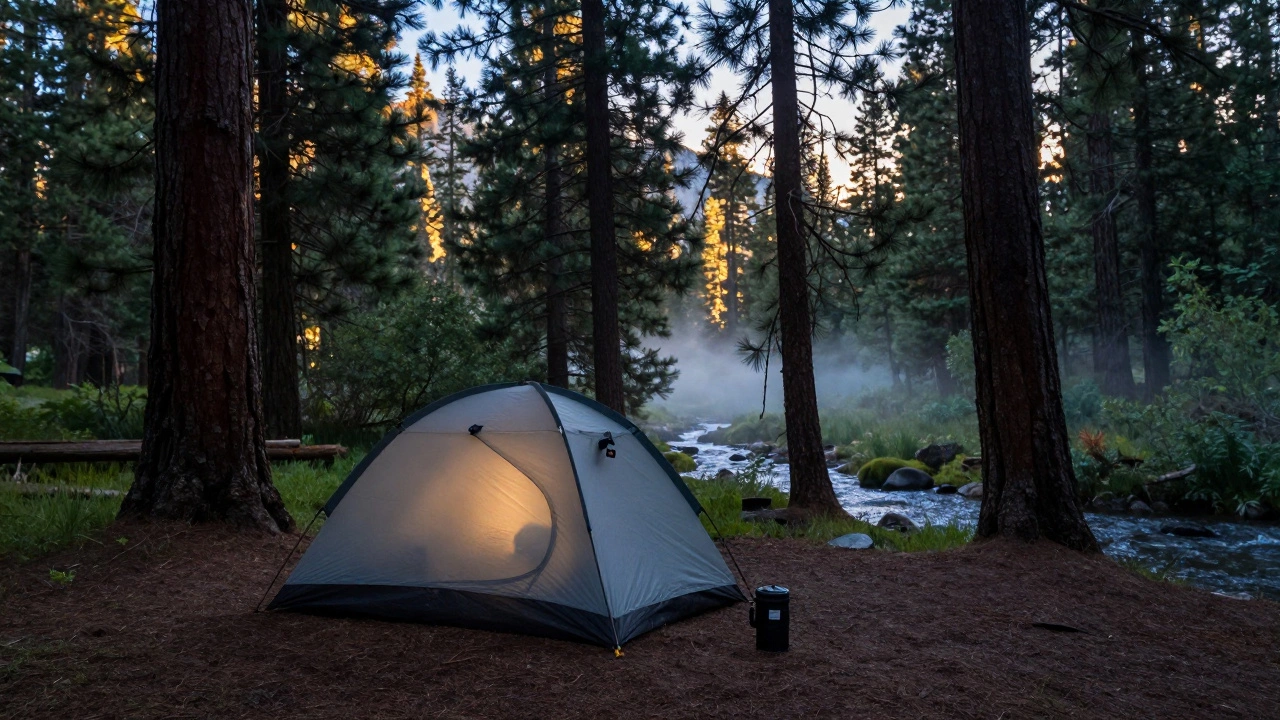
The Sierra Nevada offers lush pine forests and alpine lakes. The Inyo National Forest and Sierra National Forest have countless dispersed camping spots. Look for pull-offs along highways like Highway 395 or Forest Route 16S01. Remember, in the Sierras, you must be at least 200 feet away from any trail, lake, or stream to protect water quality and wildlife. Bear canisters are mandatory in many areas, so bring one.
Around Yosemite, dispersed camping is tricky. Inside the park, it’s mostly first-come, first-served at higher elevations, but often full. Outside the park, on USFS land, you can find spots in the Tuolumne Meadows area or along the Tioga Road, but these fill up fast in summer. Always check current road conditions, as snow can close access until July.
Coastal and Northern Options
The coast is trickier. Most beachfront land is either private or part of a State Beach, which requires a fee. However, some National Forests near the coast, like the Six Rivers National Forest in Humboldt County, allow dispersed camping inland. You won’t get ocean views, but you’ll get redwoods. In the North Bay, the Point Reyes National Seashore offers free backcountry camping, but you need a permit and must hike in. It’s not for casual van life, but it’s legal and breathtaking.
The Golden Rules of Dispersed Camping
Free camping comes with responsibilities. Because there are no rangers patrolling every corner, you are your own enforcement officer. Follow these rules to keep yourself safe and ensure others can enjoy the land too.
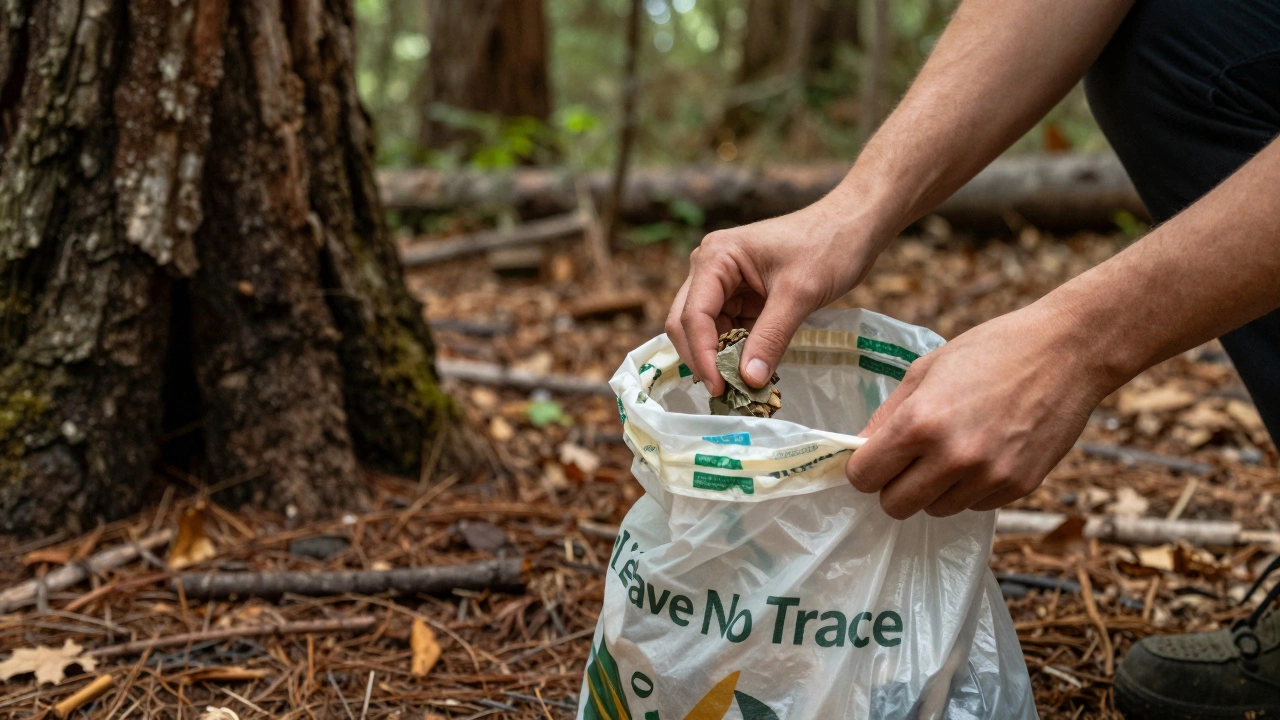
- Leave No Trace: This is non-negotiable. Pack out all trash, including food scraps and biodegradable waste. Do not leave tire tracks, broken branches, or disturbed soil. If you arrive and see someone else’s mess, pack it out too.
- Fire Safety: California is prone to wildfires. Check the current fire restrictions before you go. Many areas ban open fires entirely during dry seasons. Use a portable stove instead. If fires are allowed, keep them small, contained in existing rings, and fully extinguished with water before you leave.
- Stay on Established Roads: Driving off-road damages vegetation and causes erosion. Stick to graded roads or well-worn paths. If you’re unsure, ask at a nearby ranger station.
- Water Sources: Don’t camp within 200 feet of any water source. This protects fish and amphibians from pollution and human disturbance. Also, never wash dishes or soap directly into streams or lakes.
- Waste Disposal: There are no toilets. You must dig a cathole 6-8 inches deep, at least 200 feet from water, trails, and campsites. Use biodegradable soap sparingly and carry out used toilet paper in a sealed bag.
What You Need Before You Go
Unlike a developed campground, you can’t rely on services. Preparation is key.
- Maps and Navigation: Cell service is spotty or non-existent in many dispersed areas. Download offline maps using apps like Gaia GPS or AllTrails. Paper topographic maps from the USGS are also invaluable.
- Water and Food: Bring enough water for drinking, cooking, and hygiene. Assume there will be no potable water available. Store food in bear-proof containers or locked vehicles to avoid attracting wildlife.
- Power: If you’re in a van or RV, bring solar panels or a generator. Keep noise levels low if using a generator, especially near other campers.
- Emergency Gear: Carry a first-aid kit, flashlight, extra batteries, and a way to signal for help. Tell someone your plans and expected return time.
Common Mistakes to Avoid
Even experienced campers make errors. Here’s what to watch out for.
Assuming All Public Land is Free: Not all land managed by the USFS or BLM allows camping. Some areas are closed for ecological reasons, hunting seasons, or military operations. Always look for signs or check online resources.
Ignoring Local Ordinances: Some counties restrict camping on BLM land within city limits or near residential areas. For example, Los Angeles County has strict rules about overnight parking on county roads. Know the jurisdiction you’re entering.
Overstaying Your Welcome: The 14-day limit exists to prevent permanent residency and environmental degradation. Moving every two weeks helps distribute impact and keeps spots available for others.
Is dispersed camping really free everywhere in California?
No. While most BLM and USFS land allows free dispersed camping, some areas require permits for special use, backcountry access, or during peak seasons. Always check the specific ranger district website for the area you plan to visit. National Parks and State Parks typically charge fees.
Can I camp on BLM land indefinitely?
No. The standard rule is 14 days within a 28-day period in any one location. After 14 days, you must move at least 25 miles away or to a different management area. This prevents land degradation and ensures fair access for all users.
Do I need a permit for dispersed camping?
Usually, no. Most dispersed camping on BLM and USFS land does not require a permit. However, some specific areas, like certain sections of the Mojave National Preserve or backcountry zones in National Forests, may require a free or paid permit. Always verify locally.
What should I do if I see illegal camping or dumping?
Report it to the local ranger station or law enforcement agency managing the land. Provide details like location, description of the vehicle or individuals, and nature of the violation. Don’t confront them yourself; let authorities handle it safely.
Are pets allowed on dispersed camping sites?
Yes, but they must be kept on a leash no longer than six feet at all times. You are responsible for cleaning up after your pet and ensuring they do not disturb wildlife or other campers. Leave waste in bags and pack it out.